
Visual-motor skills Worksheets for 7-Year-Olds
3 filtered results
Difficulty Level
Grade
Age
-
From - To
Subject
Activity
Standards
Enhance your 7-year-old’s visual-motor skills with our engaging worksheets designed to support their learning journey! These carefully crafted resources focus on developing coordination, spatial awareness, and fine motor abilities, crucial for academic success and daily activities. Tailored to challenge young learners, our worksheets feature fun activities such as tracing, drawing, and puzzle-solving that keep children motivated and excited. Whether at home or in the classroom, these printable resources provide excellent opportunities for practice and improvement. Explore our collection today and help your child build confidence as they master their visual-motor skills, laying a strong foundation for their future education!
Favorites
With answer key
Interactive
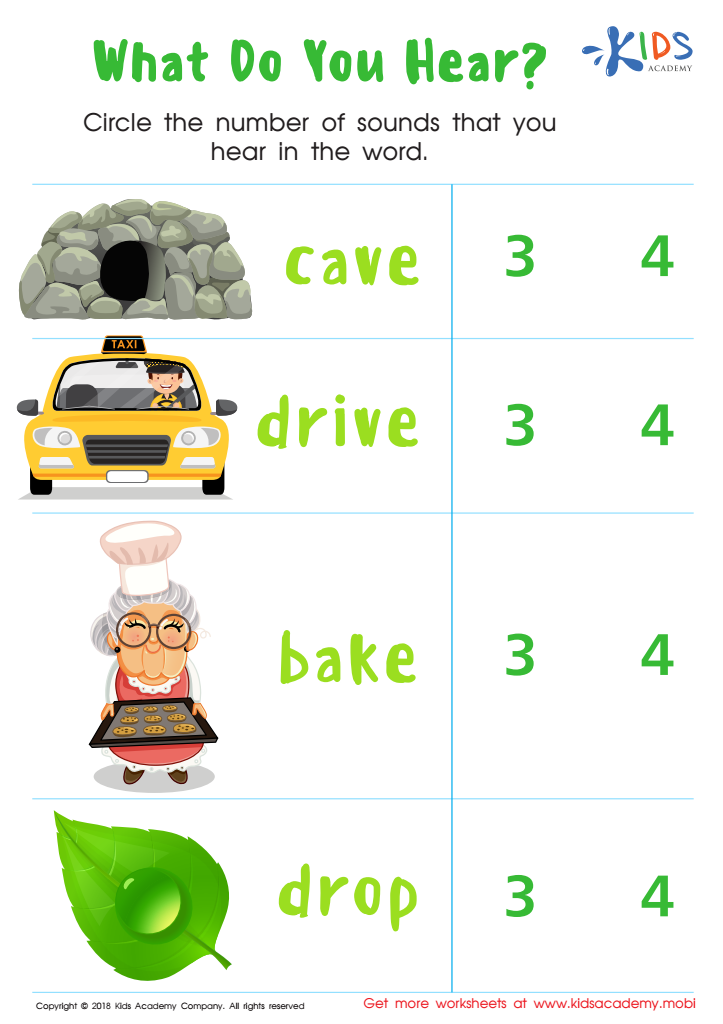
What Do You Hear? Worksheet
New readers can develop phonological awareness with this fun worksheet. They'll isolate sounds in words and count them, then circle the number of sounds heard. It'll help build their auditory discrimination and decoding skills, leading to more fluent reading. Without even knowing it, their reading skills are improving!
 Assign to My Students
What Do You Hear? Worksheet
Worksheet
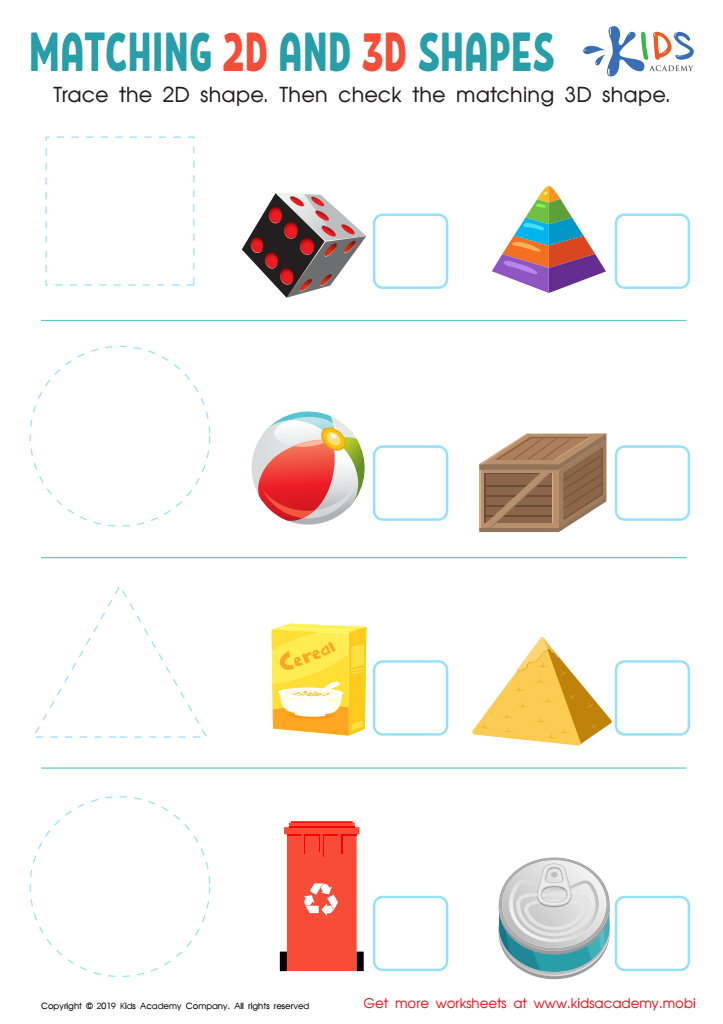
Matching 2D and 3D Shapes Worksheet
Before starting this worksheet, ask your kids what shapes they know and point out the 2D and 3D shapes on it. Help your kids trace the 2D shapes and then match them to the 3D versions. It'll be a fun new world for your kids to explore!
Matching 2D and 3D Shapes Worksheet
Worksheet
Join Kids Academy for Free
Who is primarily going to use this learning content?



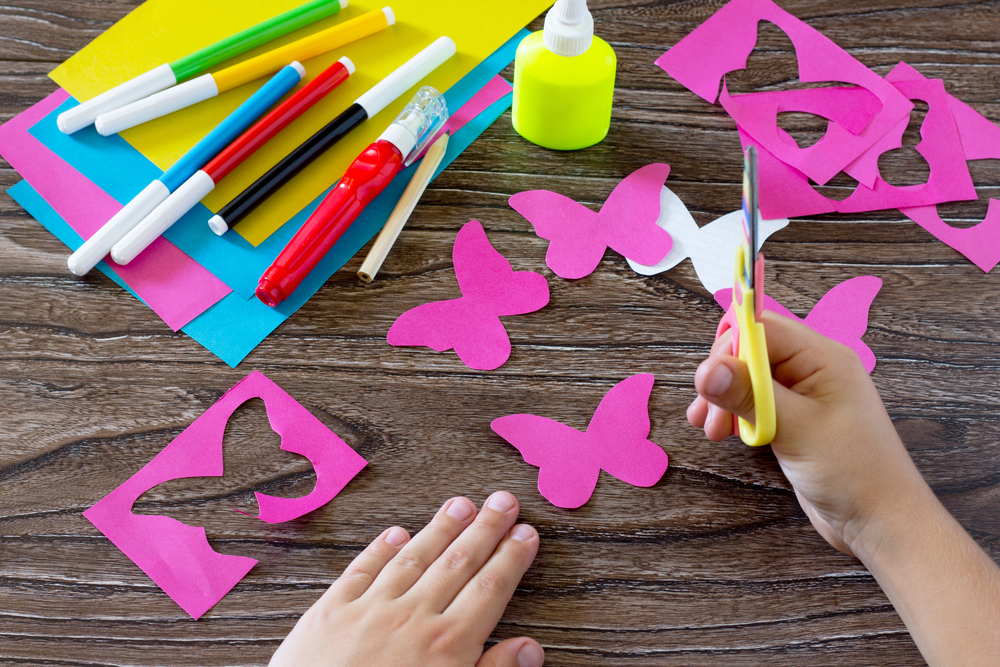



Visual-motor skills, the coordination of visual perception and motor control, are crucial for 7-year-olds as they form the foundation for many everyday tasks and academic activities. At this age, children are refining their handwriting, engaging in sports, understanding math concepts, and experiencing creative pursuits like drawing or crafting. Strong visual-motor skills enable them to effectively translate what they see into physical action, facilitating better hand-eye coordination, spacing, and control.
Parents and teachers should be genuinely concerned about the development of these skills, as difficulties can lead to frustrations in school and affect a child’s self-esteem. Children with underdeveloped visual-motor skills may struggle with tasks that appear simple to their peers, which can hinder their overall learning experience. This struggle might manifest as slow handwriting, messy work, or challenges in organized activities.
By actively promoting visual-motor skill development through engaging activities—such as puzzles, arts and crafts, and various sports—parents and teachers can help foster a sense of achievement and confidence in children. Strong visual-motor skills not only support academic success but also enhance social interactions and physical activities, contributing to well-rounded development in young learners. Thus, paying attention to these skills is essential for nurturing happy, confident, and capable children.








