Color Identification Addition & Subtraction Worksheets for 7-Year-Olds
23 filtered results
-
From - To
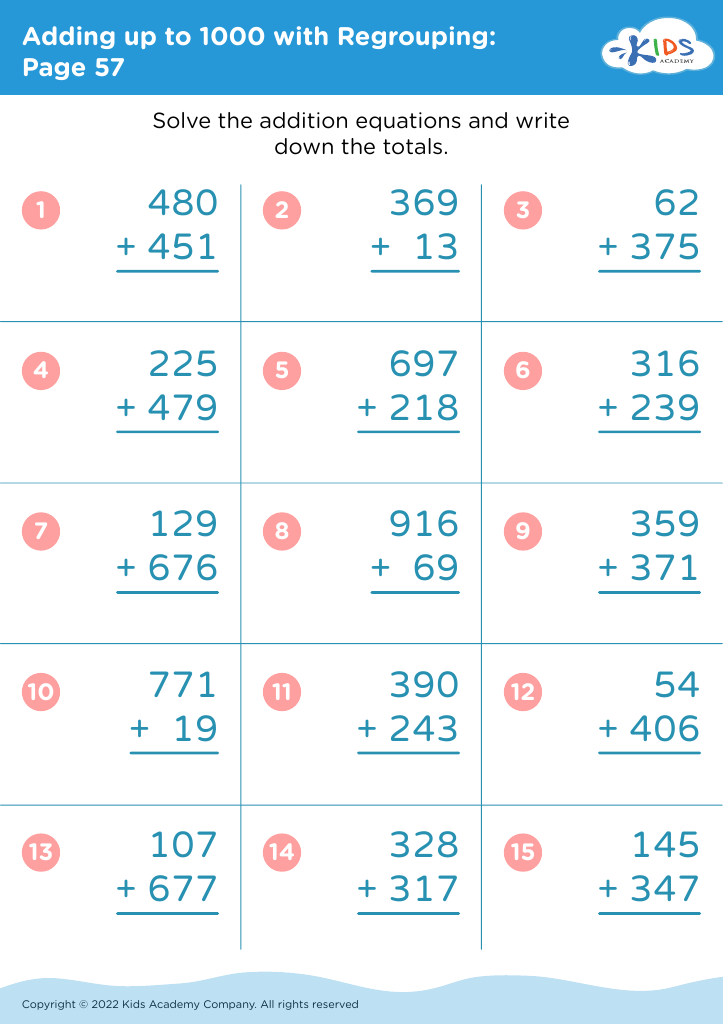
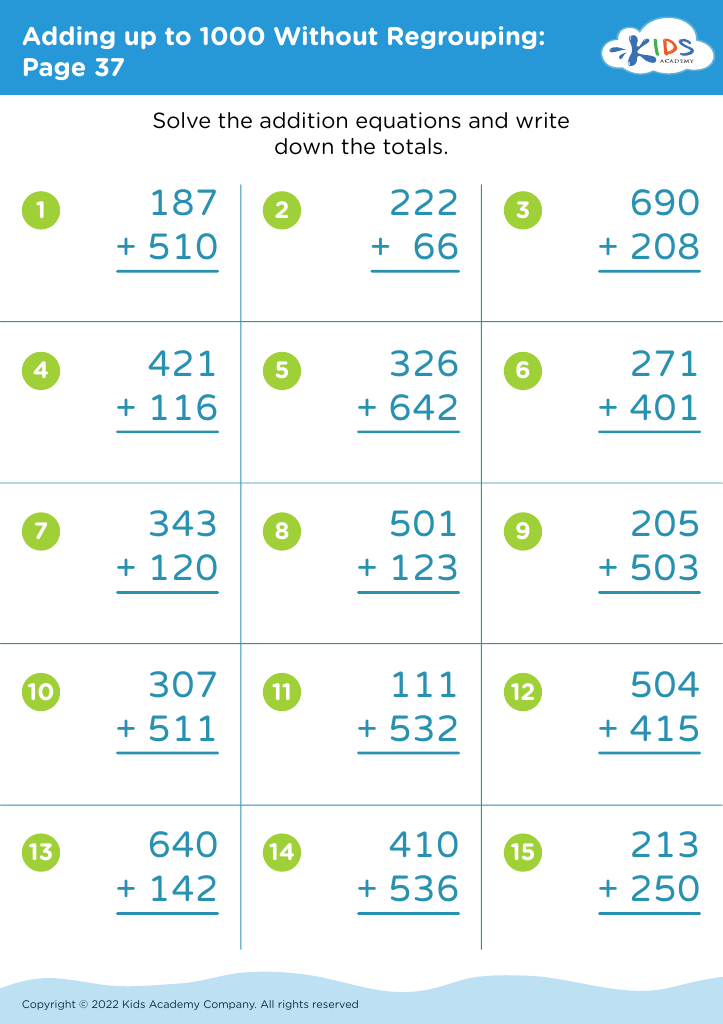
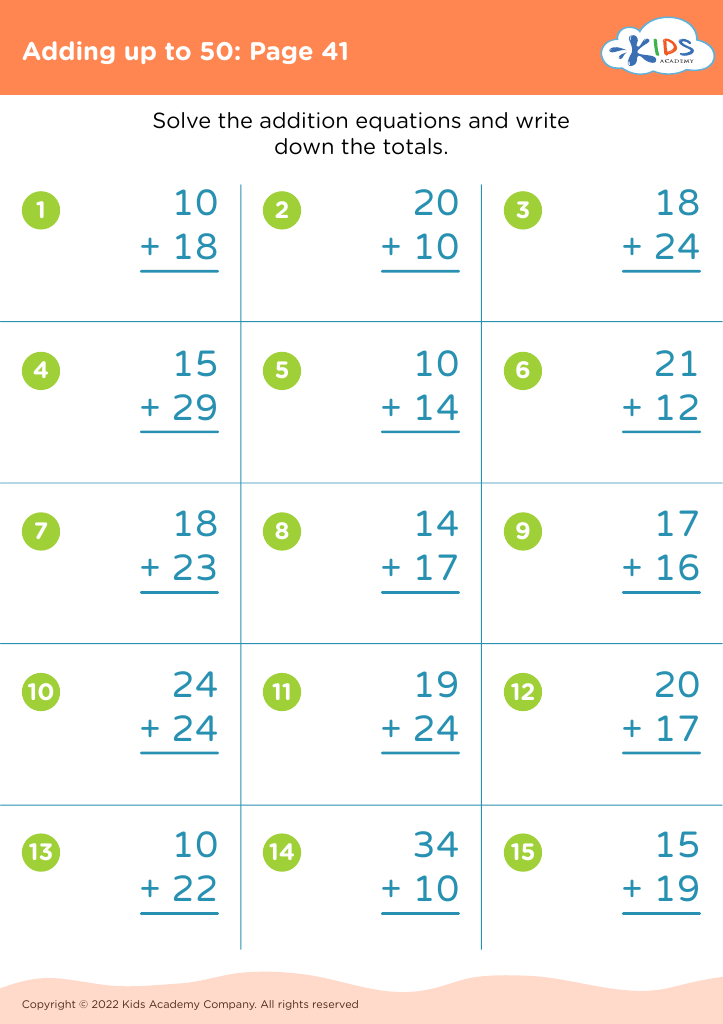
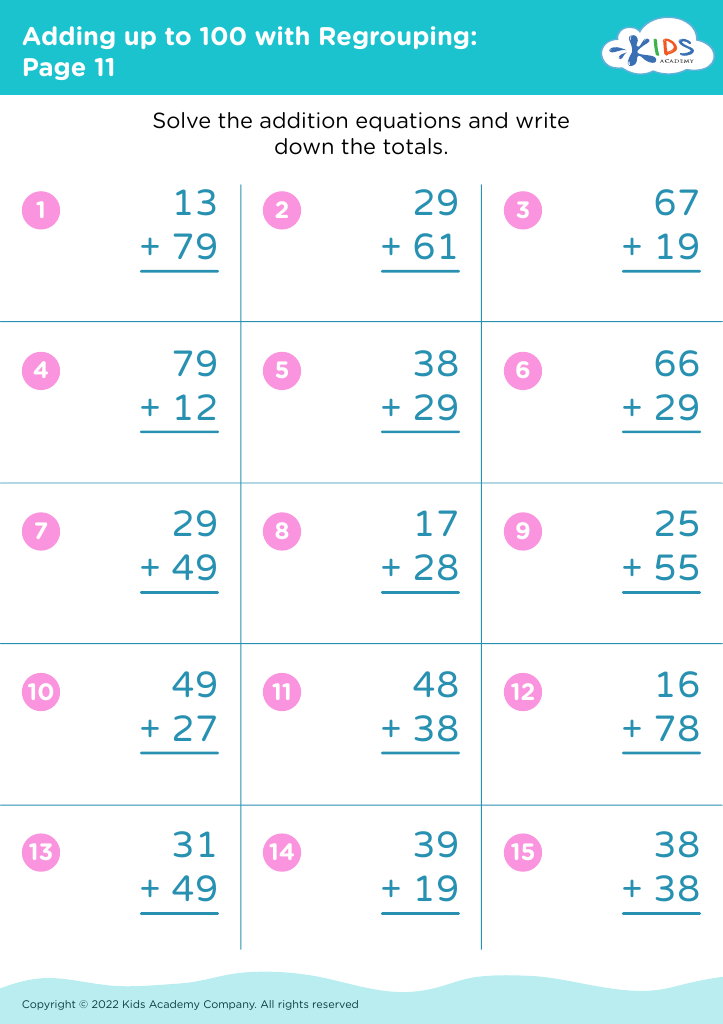
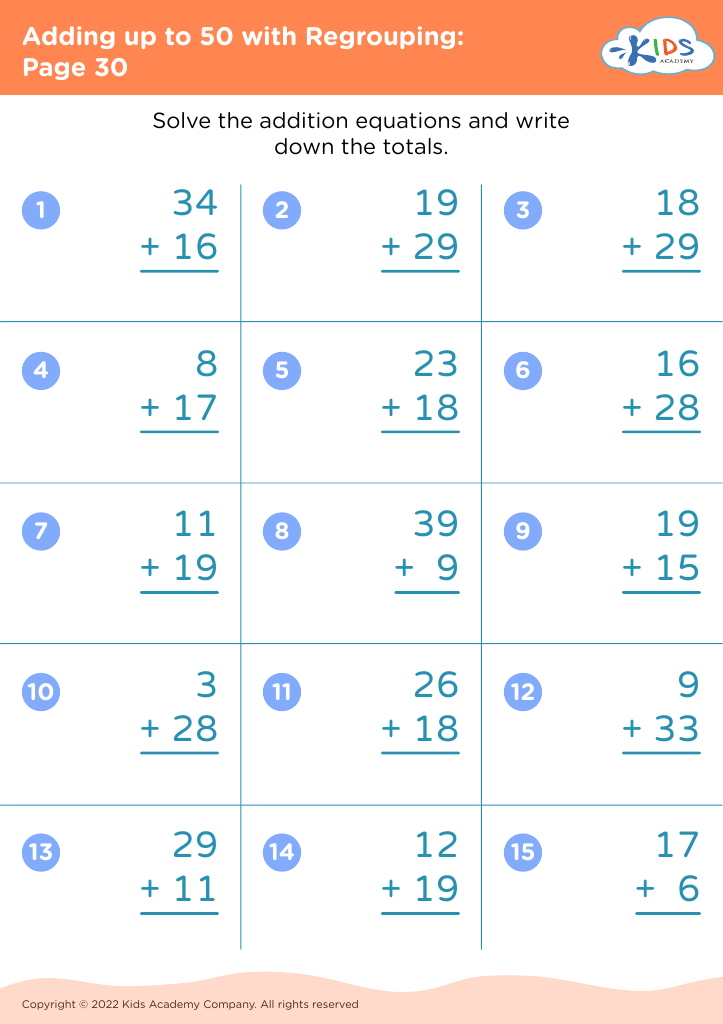
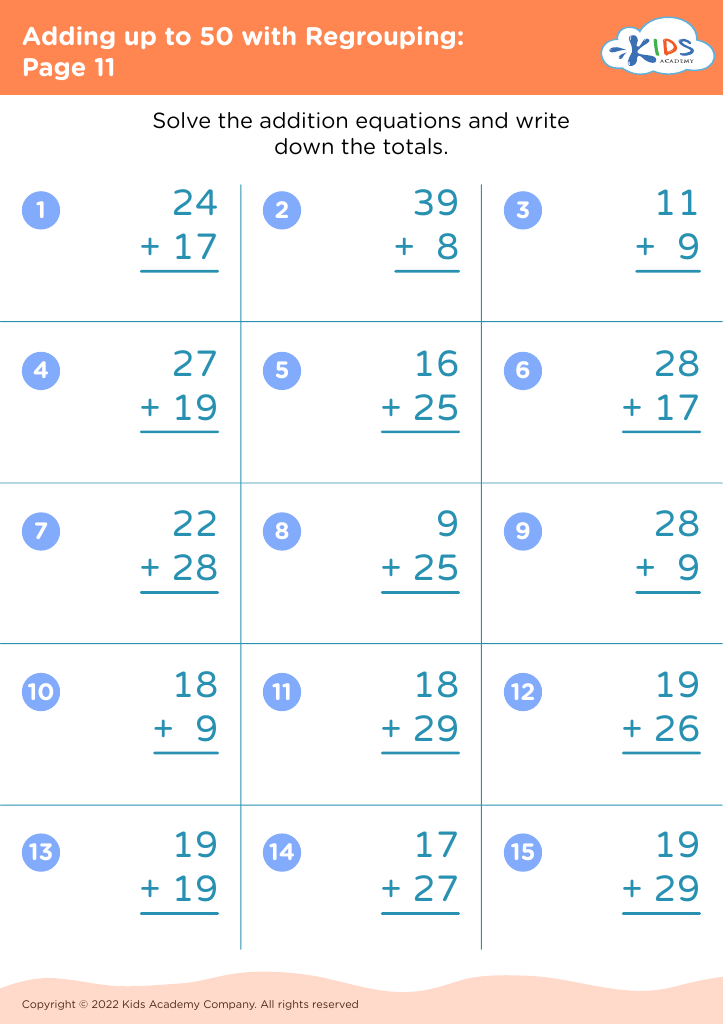
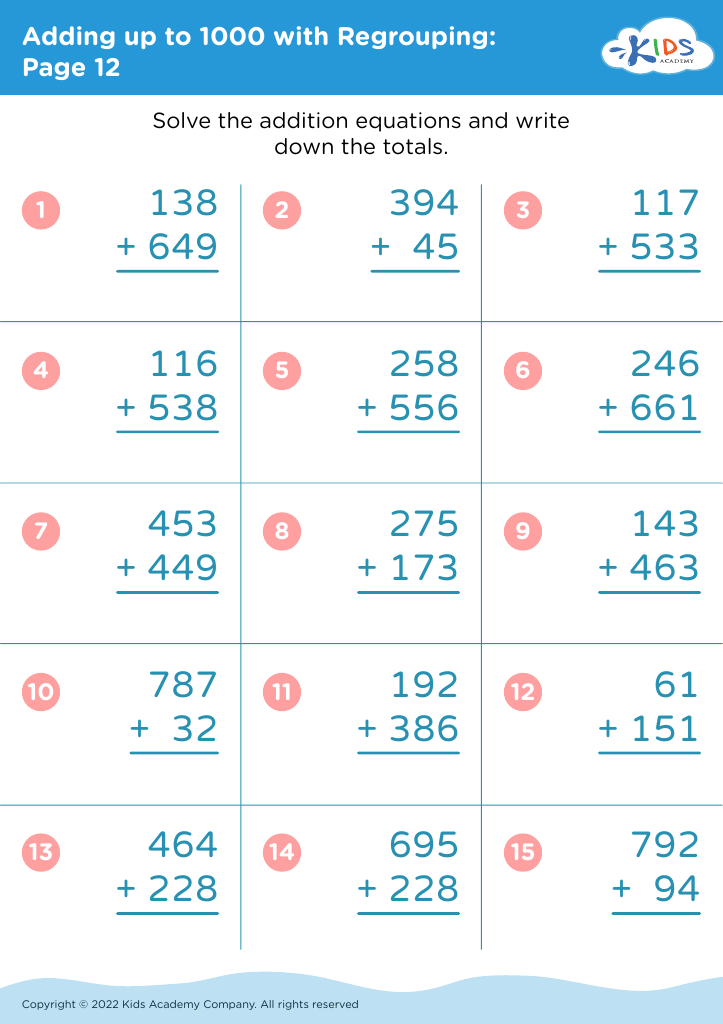
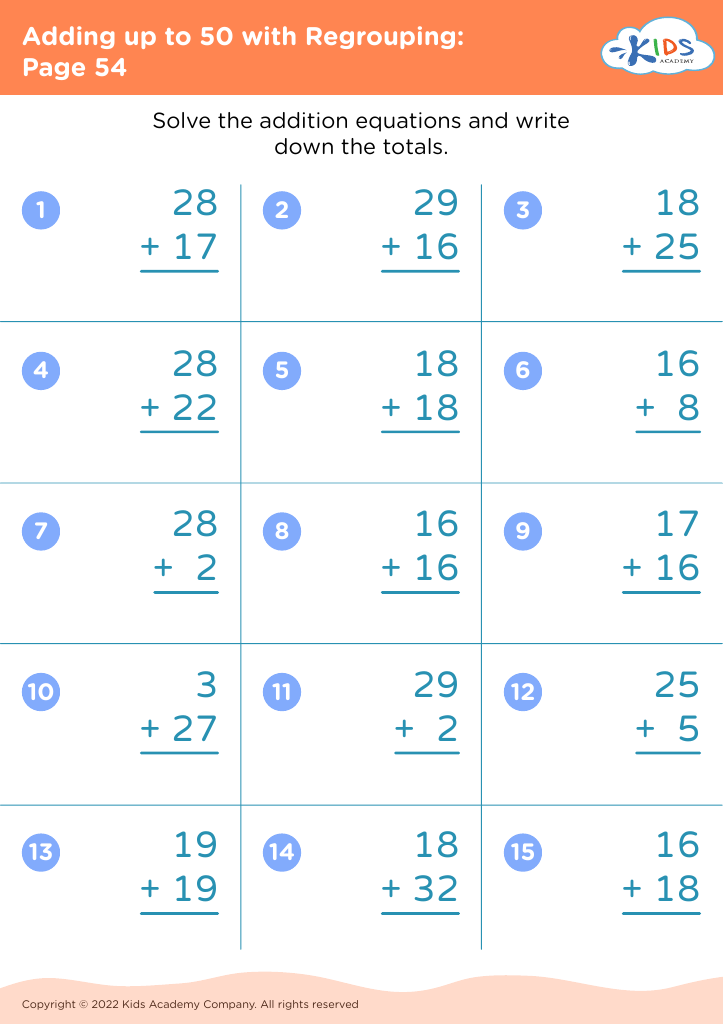
Enhance your child's learning experience with our "Color Identification Addition & Subtraction Worksheets for 7-Year-Olds"! These engaging worksheets blend math and color recognition, helping young learners develop essential skills in a fun, interactive way. Designed specifically for 7-year-olds, each worksheet encourages children to identify colors while practicing addition and subtraction, fostering both mathematical understanding and creativity. With a variety of colorful illustrations and challenging exercises, your child will enjoy the satisfaction of learning. Perfect for homeschooling, classrooms, or supplementary practice, these worksheets are a great tool to make math exciting and visually stimulating! Start exploring the world of math through colors today!
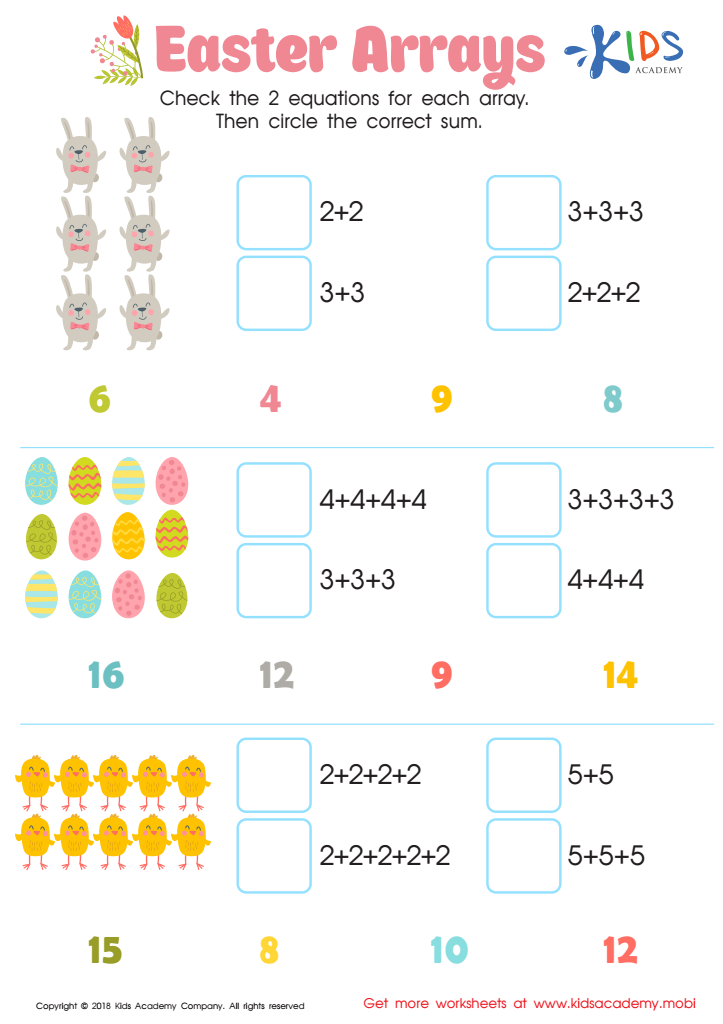
Easter Arrays Worksheet
 Assign to My Students
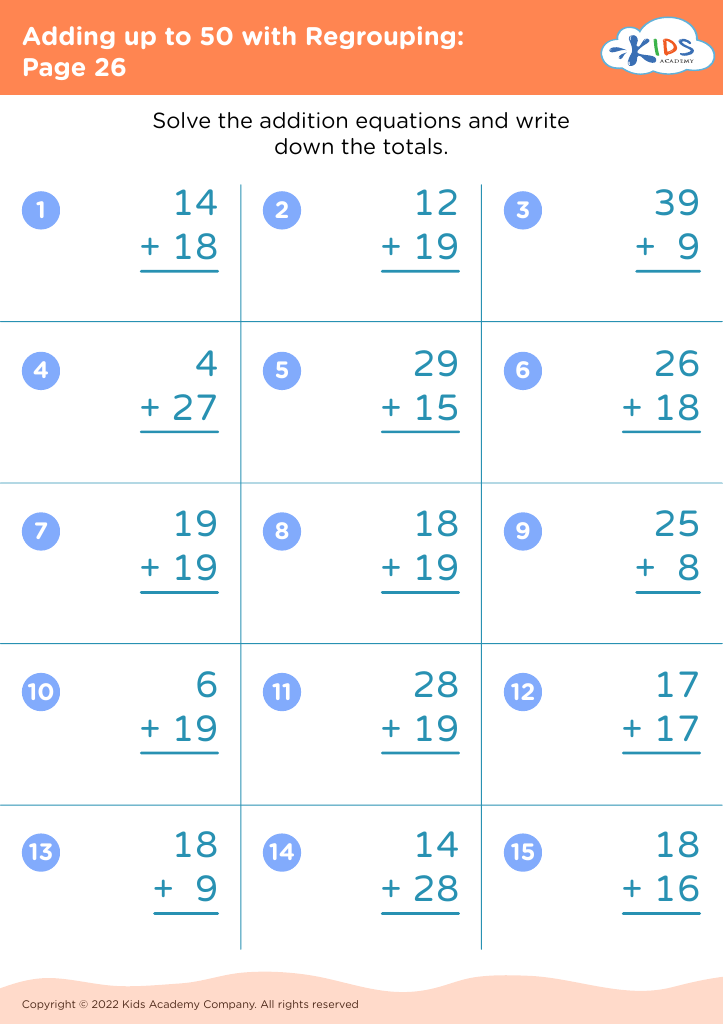
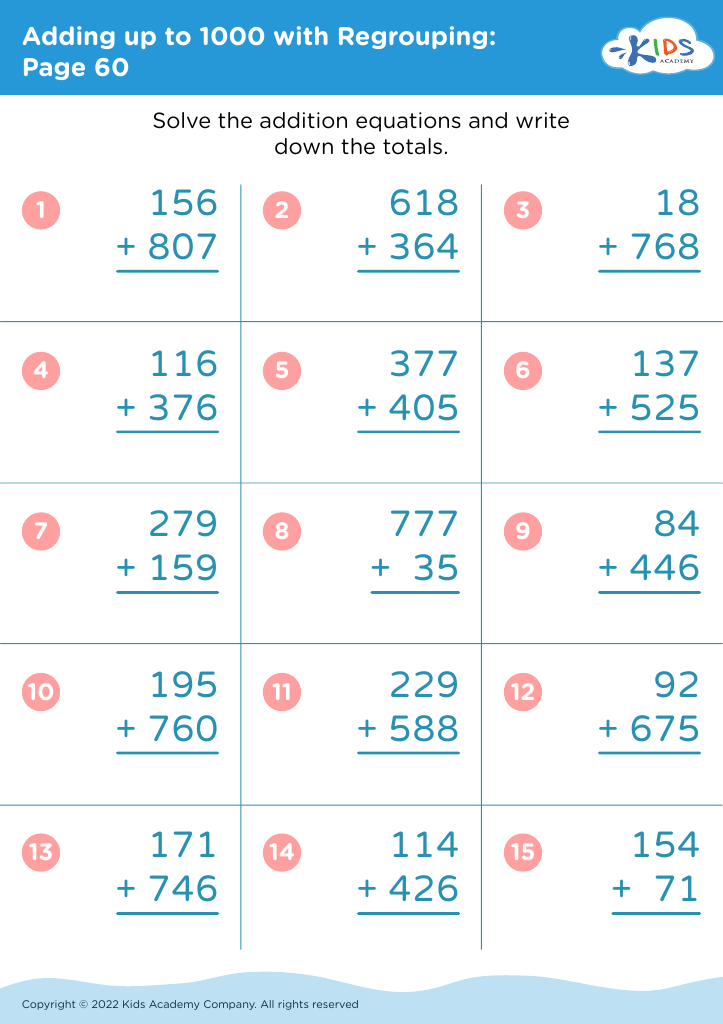
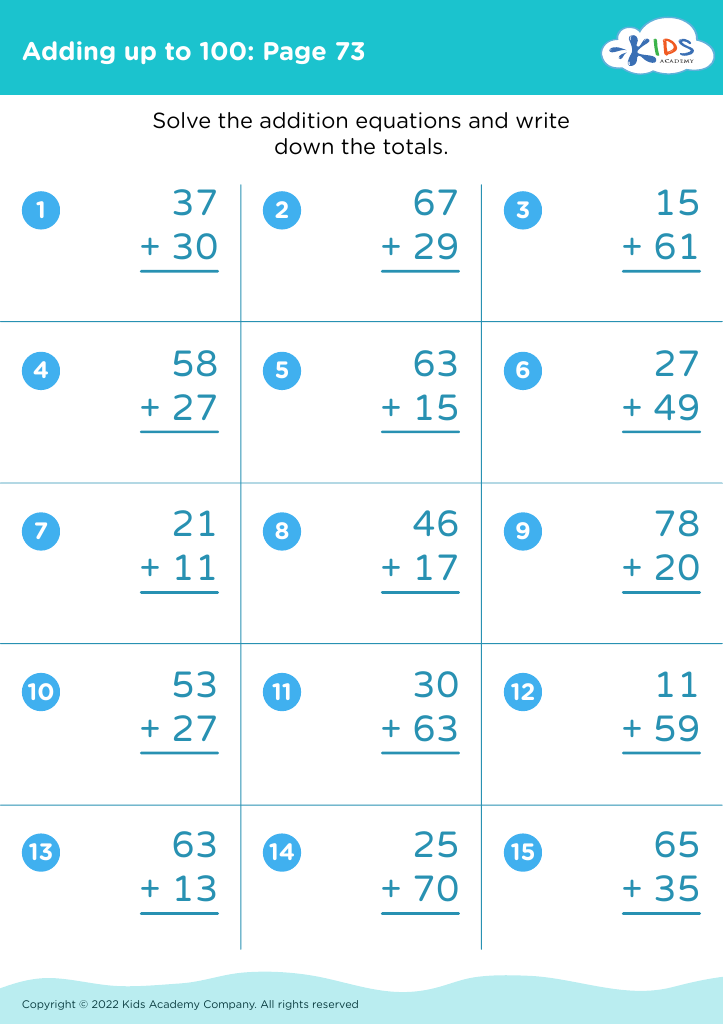
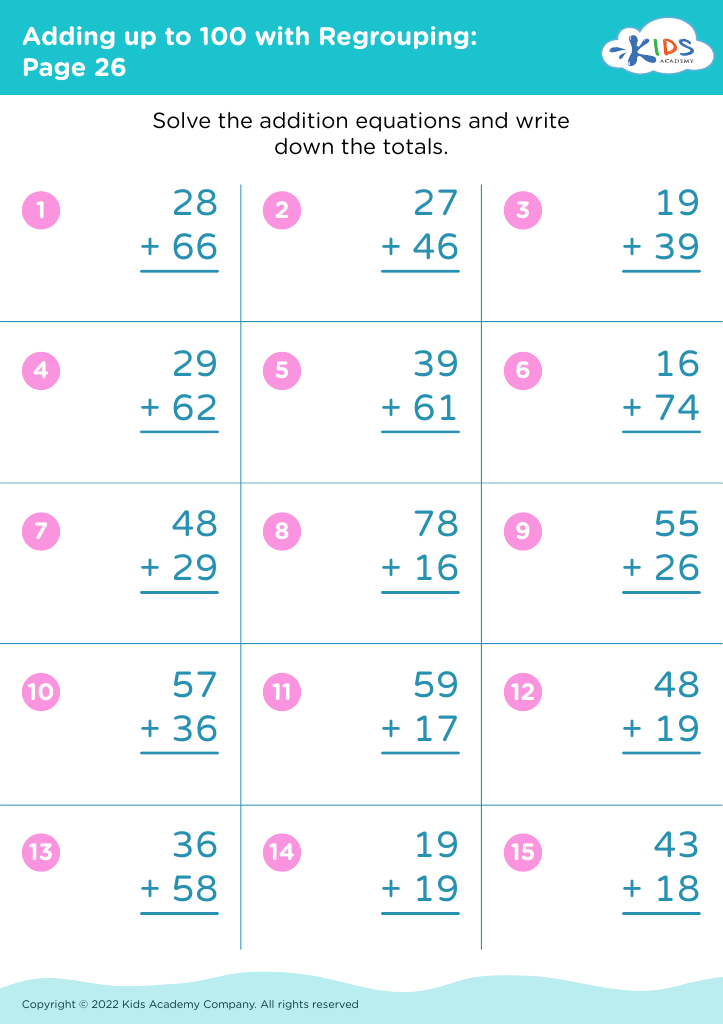
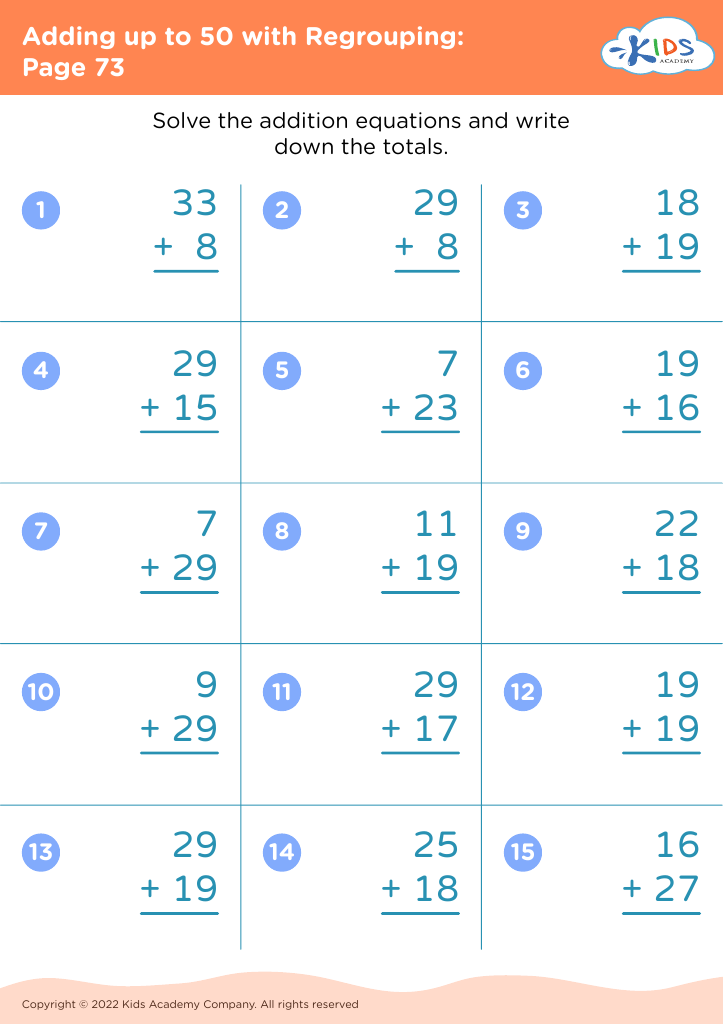
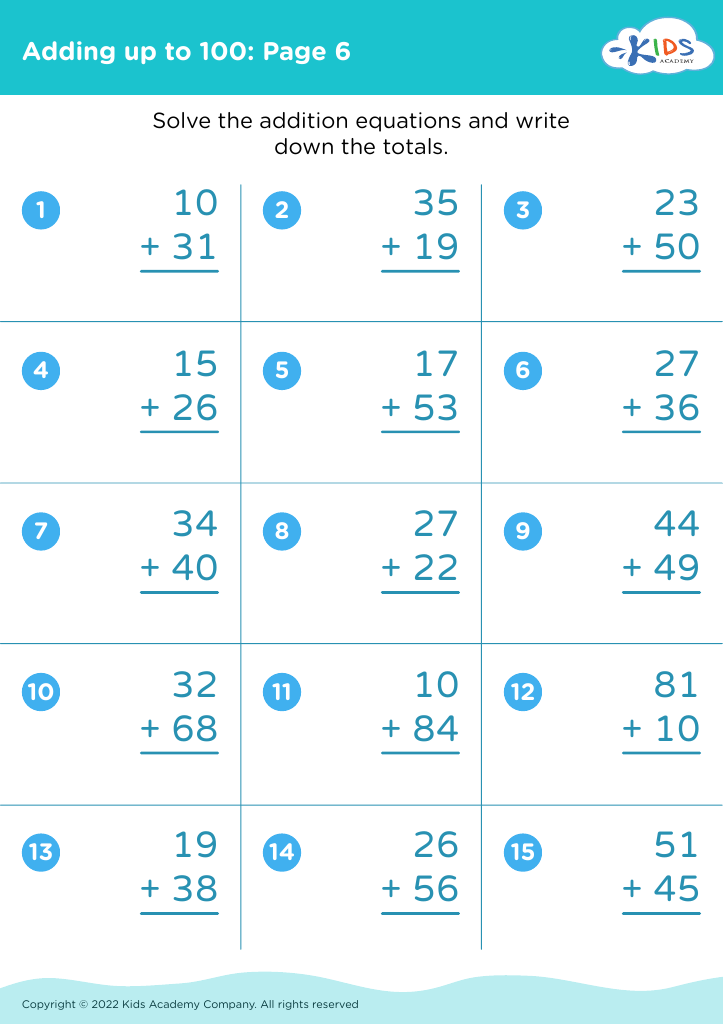
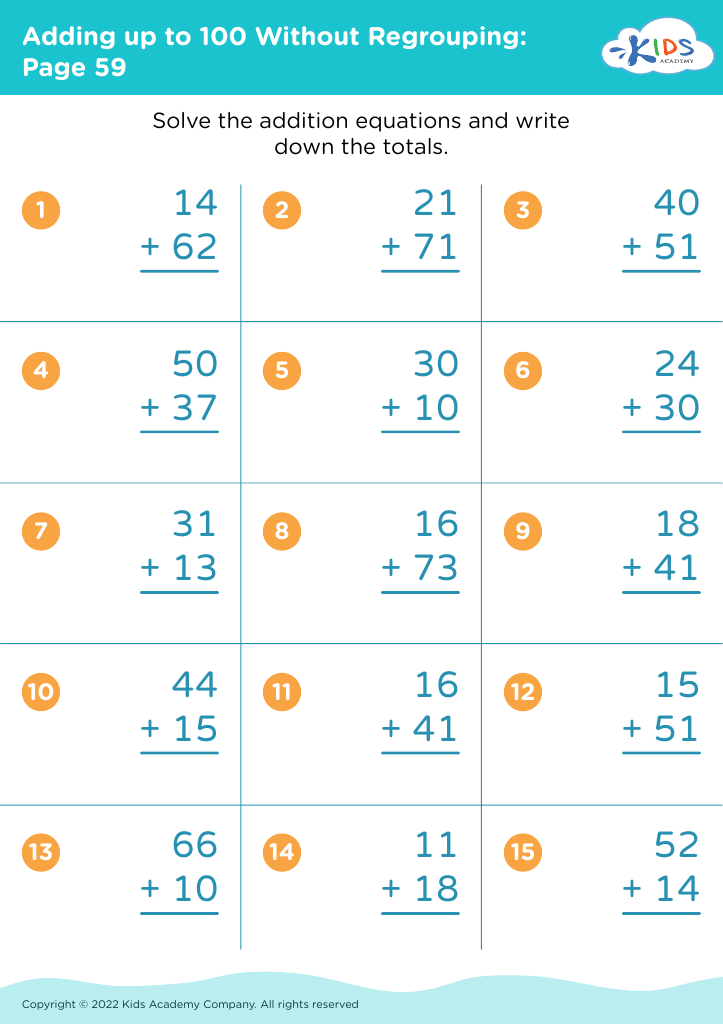
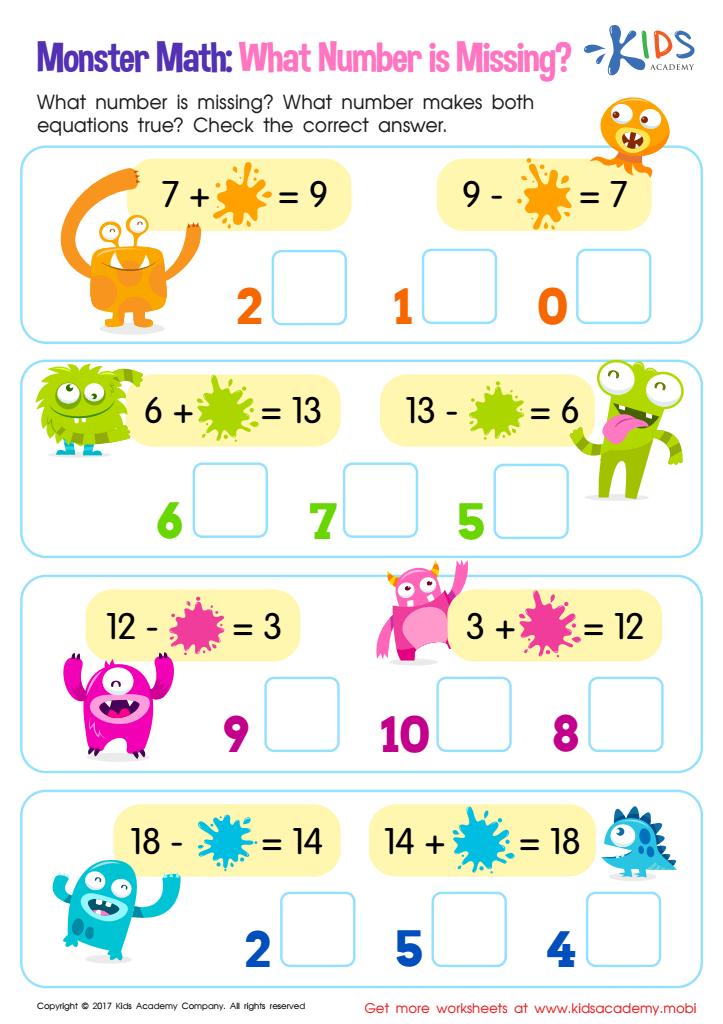
Missing Number: Monster Math Worksheet








Parents and teachers should care about color identification, addition, and subtraction for 7-year-olds because it plays a vital role in their cognitive development and foundational math skills. At this age, children are increasingly capable of abstract thinking, and integrating color identification with math concepts can significantly enhance their learning experience. Associating colors with numbers makes abstract concepts more tangible, helping children to visualize mathematical operations more effectively.
Engaging children with colorful materials can also make learning enjoyable, catering to various learning styles. Children often respond positively to visual stimuli, and using colors in math activities can foster deeper engagement and motivation. For instance, using colored blocks for addition and subtraction not only facilitates hands-on learning but also strengthens fine motor skills.
Moreover, strong early math skills are predictive of future academic success. This combination of color and math helps develop problem-solving skills, spatial awareness, and critical thinking. Implementing fun, color-oriented activities in home and classroom settings promotes positive attitudes towards math, reducing anxiety and fostering confidence. Ultimately, nurturing these skills prepares children for more advanced math concepts and supports their overall academic trajectory. Therefore, prioritizing color identification with math can yield significant benefits for young learners.








