Enhance critical thinking Addition & Subtraction Worksheets for 7-Year-Olds
4 filtered results
-
From - To
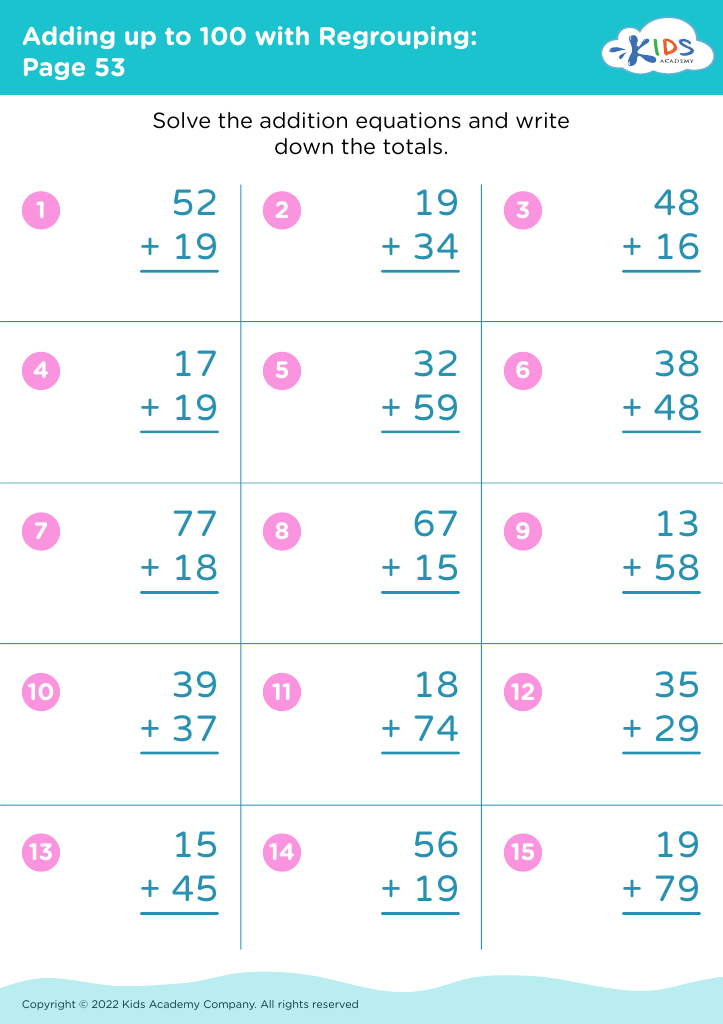
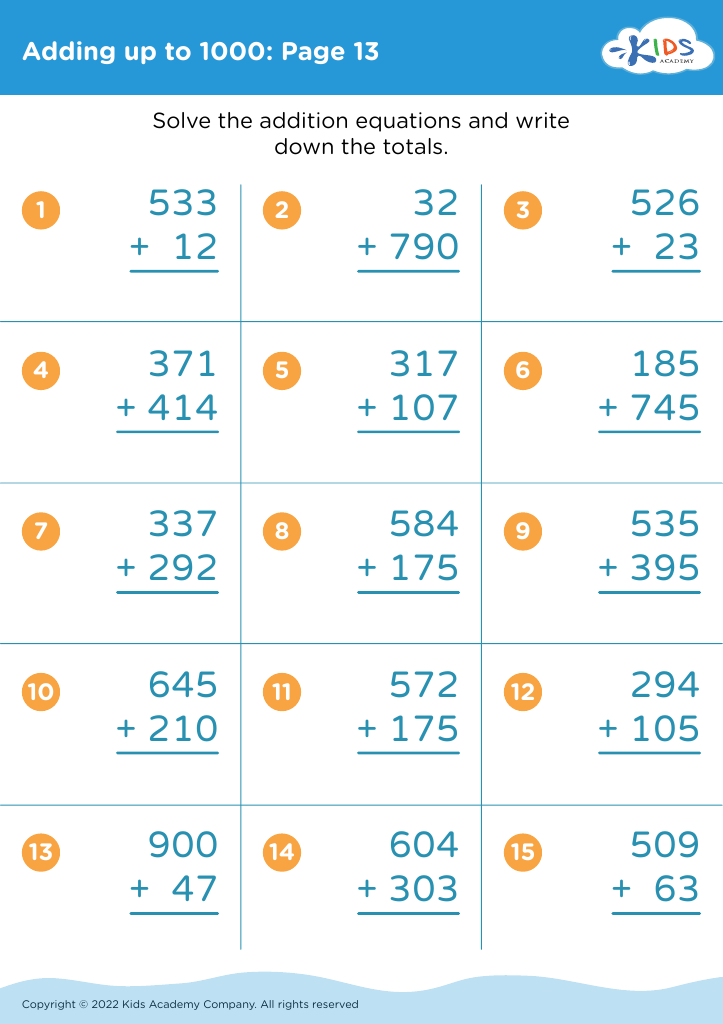
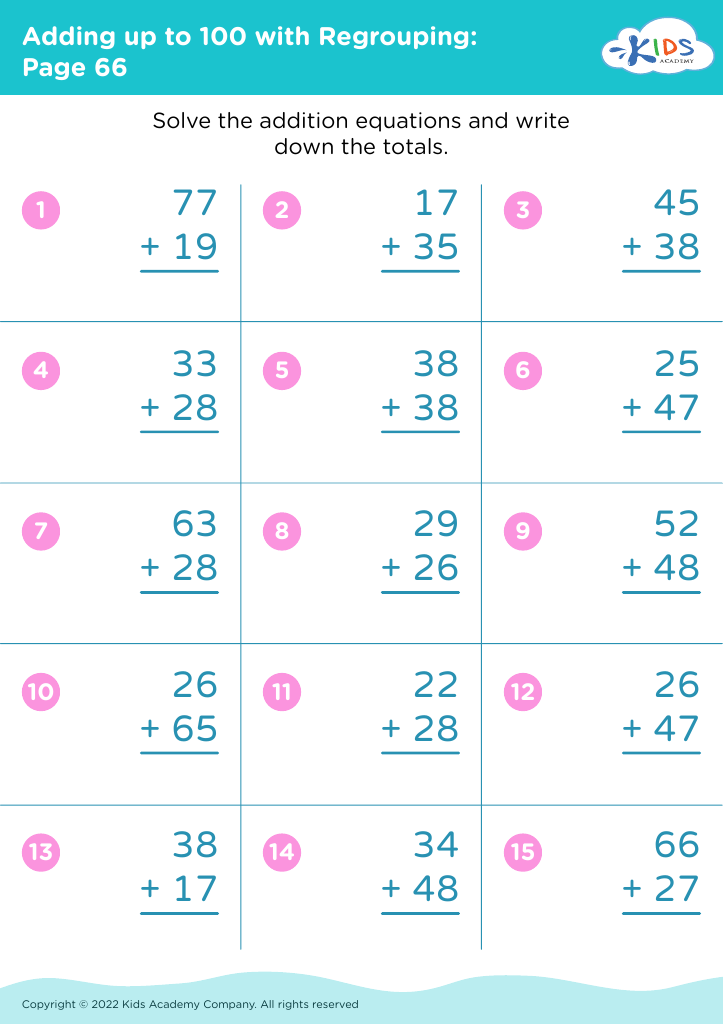
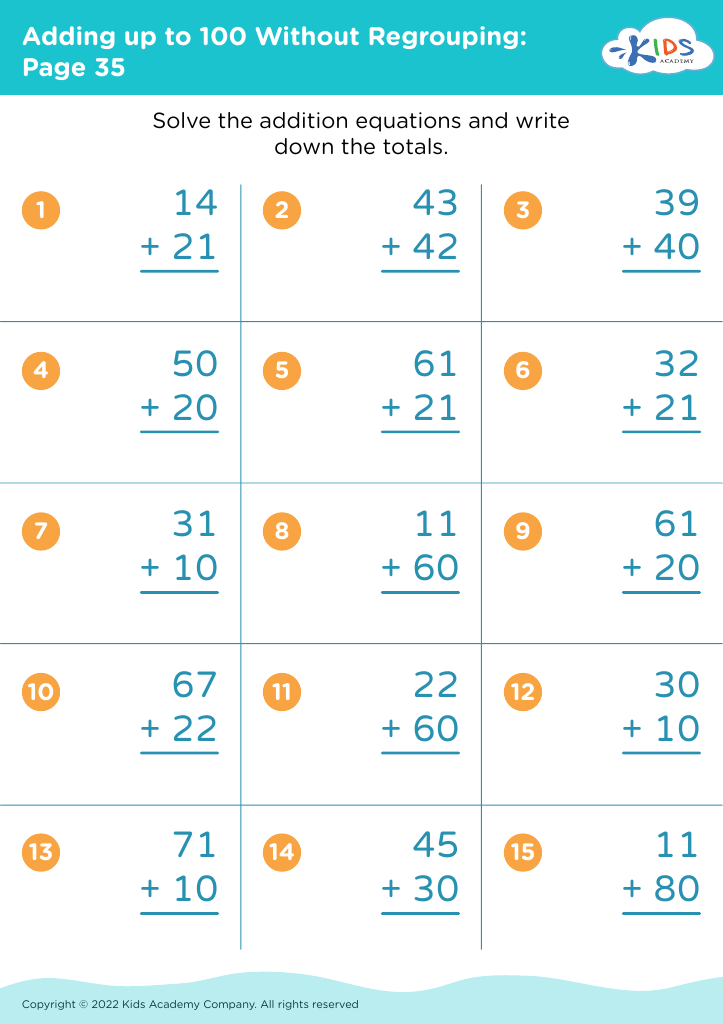
Boost your child's math skills with our "Enhance Critical Thinking: Addition & Subtraction Worksheets for 7-Year-Olds" from Kids Academy. Designed to challenge young learners, these worksheets focus on promoting critical thinking through engaging problems and activities. Perfect for at-home practice or classroom use, each worksheet helps students develop essential addition and subtraction skills while nurturing problem-solving abilities. With colorful, kid-friendly graphics and step-by-step instructions, these resources are ideal for fostering a love of math in children. Enhance their learning experience and watch their confidence soar as they master new concepts with ease and enthusiasm.








Parents and teachers should prioritize enhancing critical thinking through addition and subtraction for 7-year-olds as it fundamentally shapes their overall cognitive and analytical development. At this age, children are in a crucial phase of cognitive development, and building robust arithmetic skills serves as a groundwork for more complex problem-solving tasks they will encounter later in life. When children learn to approach addition and subtraction not just by rote memorization, but by understanding the "why" and "how" behind these operations, they develop reasoning skills that are transferable across various subjects and real-life situations.
Furthermore, critical thinking in math encourages children to question, infer, and connect concepts, promoting a deeper and more versatile comprehension. For example, a child who understands different strategies for addition and subtraction is equipped to tackle problems from multiple angles, fostering adaptability and creativity. This method of learning transforms math from a series of abstract numbers into a meaningful, engaging challenge.
Incorporating critical thinking from a young age nurtures curiosity and a love for learning, crucial attributes for lifelong education. By reinforcing these skills early, parents and teachers lay the foundation for confident, reflective, and independent thinkers, capable of navigating future academic challenges and everyday decision-making with ease.








