
Fraction Addition Addition & Subtraction Worksheets for 7-Year-Olds
14 filtered results
Difficulty Level
Grade
Age
-
From - To
Subject
Activity
Standards
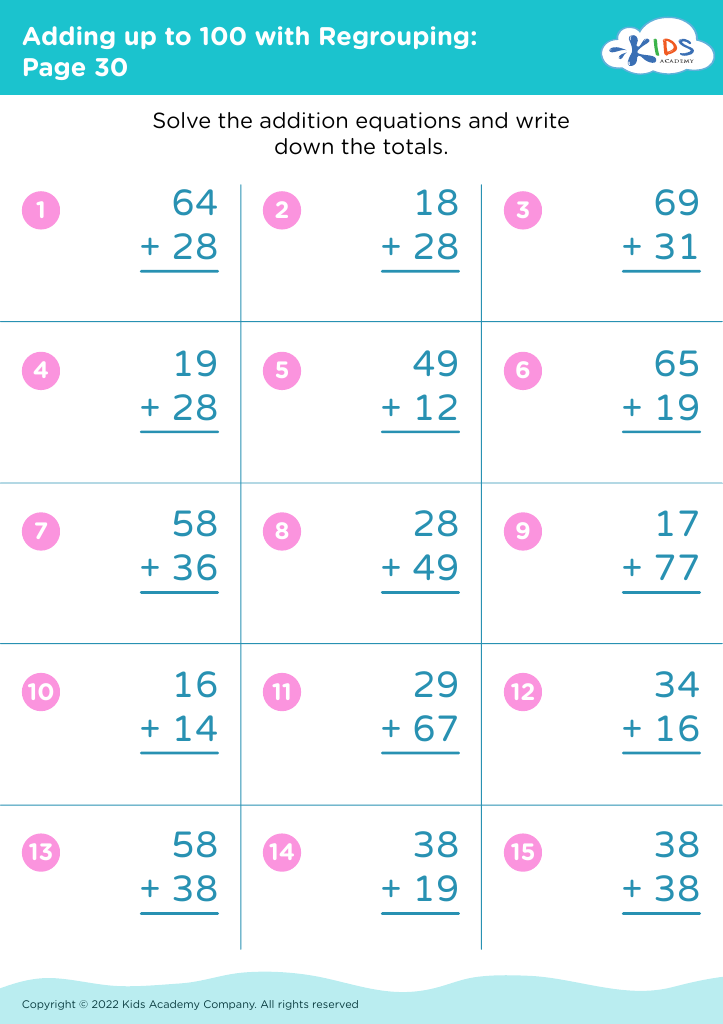
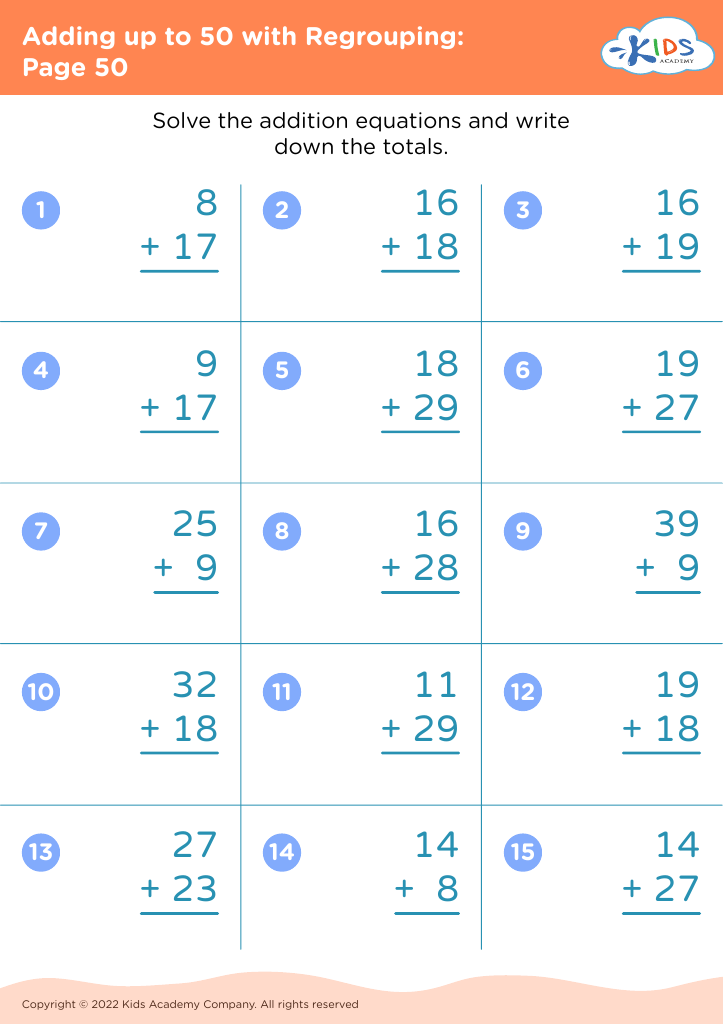
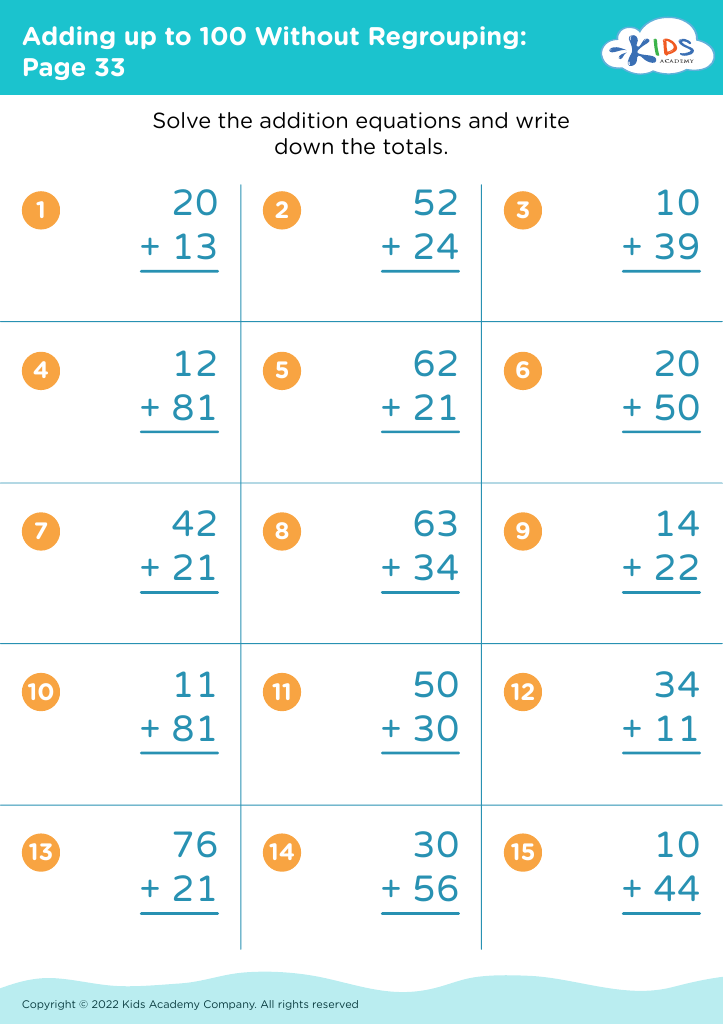
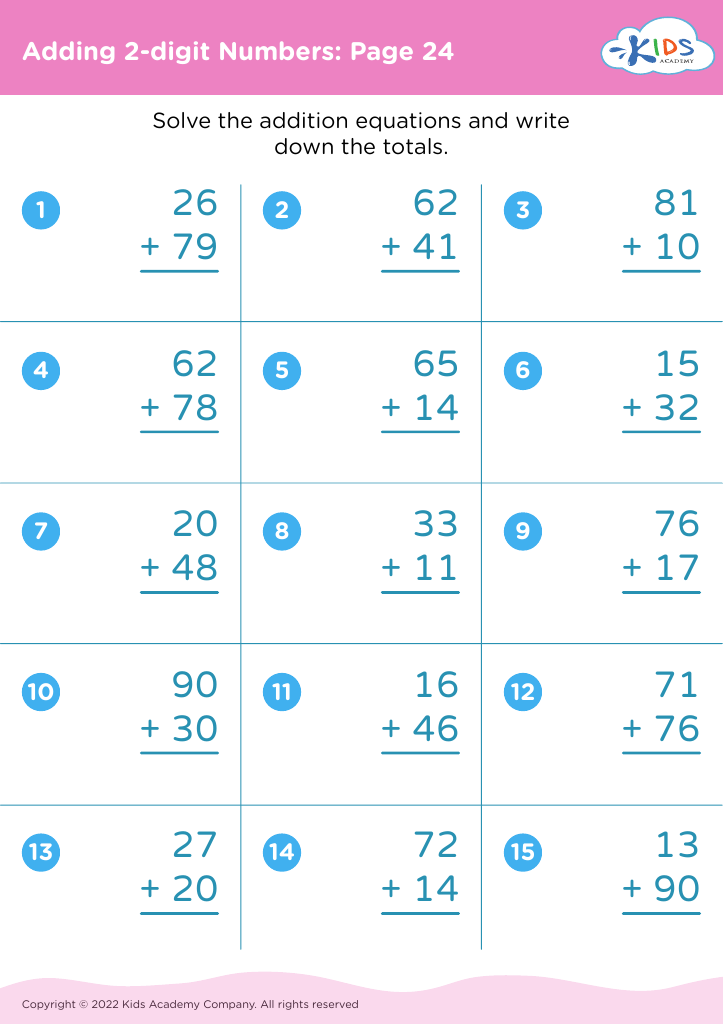
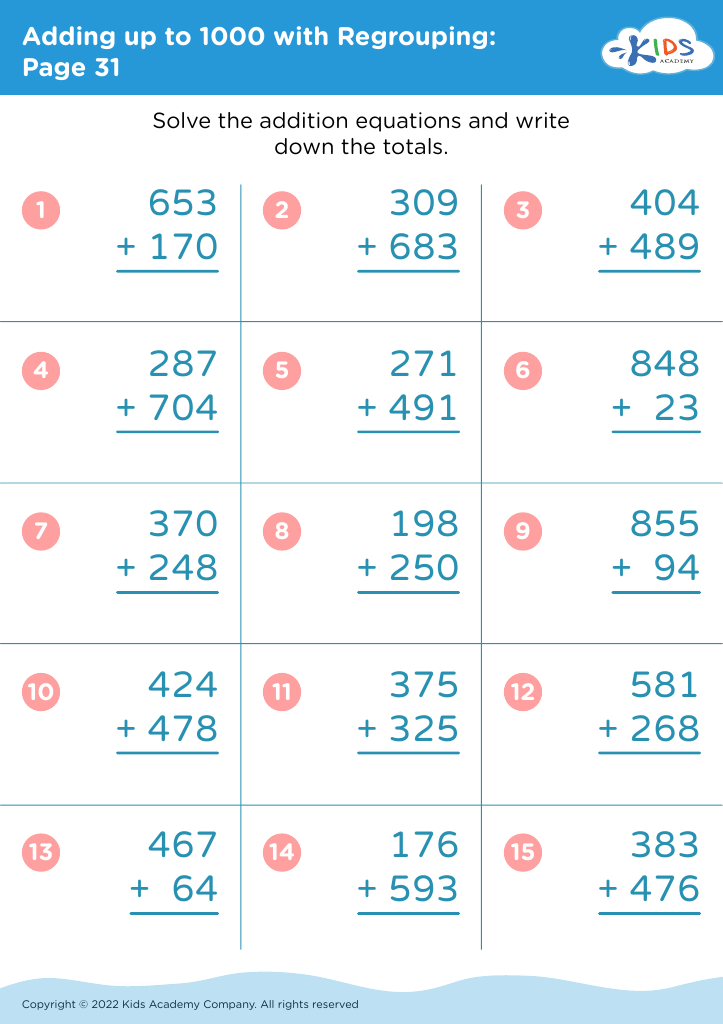
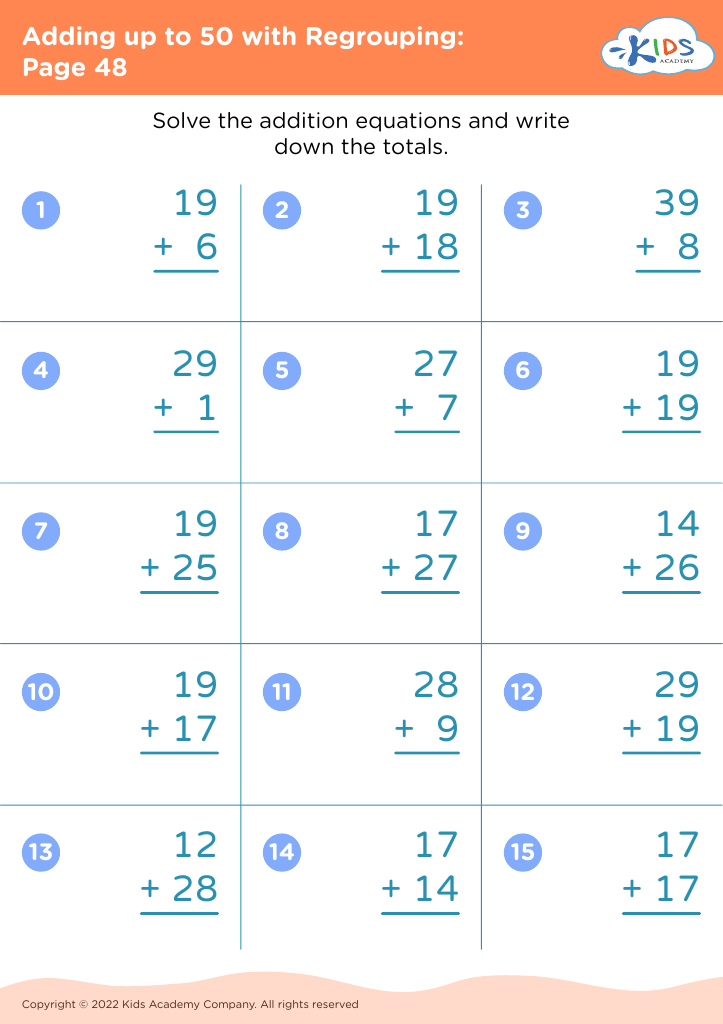
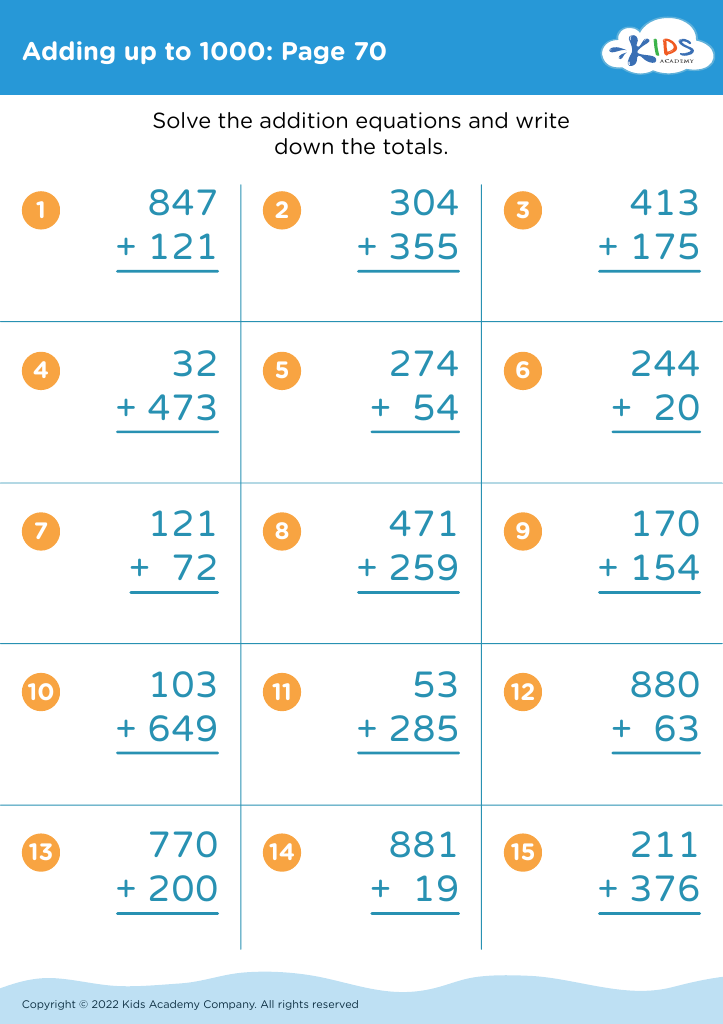
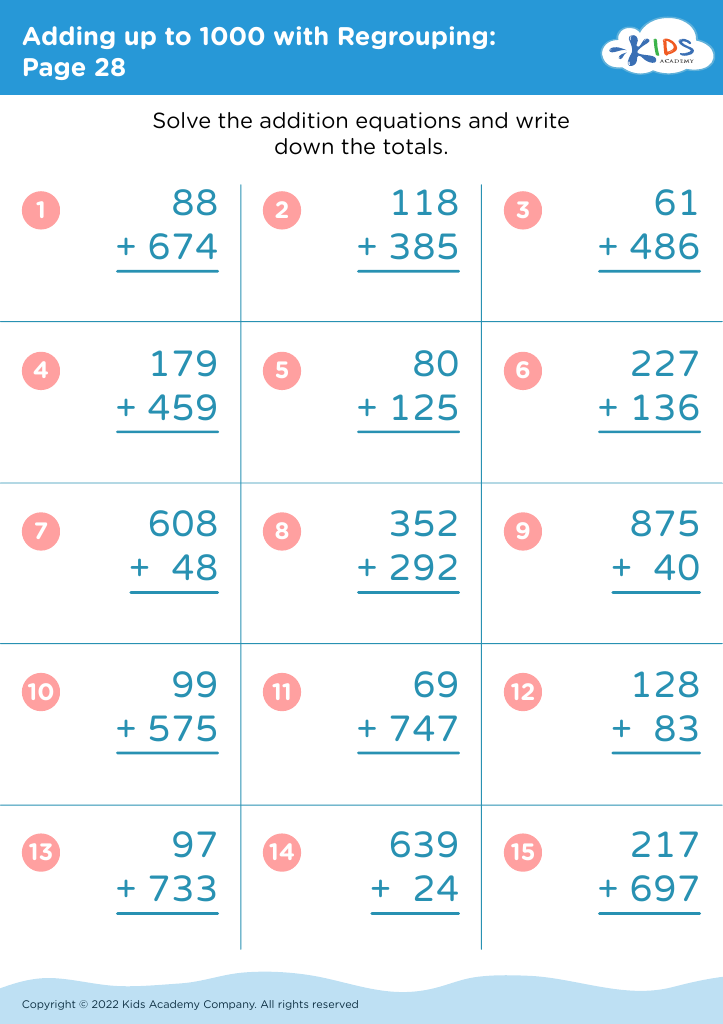
Enhance your seven-year-old's math skills with our Fraction Addition & Subtraction Worksheets! Tailored for young learners, these worksheets make mastering fractions fun and engaging. With colorful illustrations and clear instructions, kids learn to add and subtract fractions effortlessly. Improve their understanding of fractions, boost problem-solving abilities, and build a strong foundation for future math success. Perfect for classroom use or home practice, these sheets are designed to complement any curriculum. Help your child gain confidence and proficiency in fraction operations today with these dynamic and educational worksheets!
Favorites
With answer key
Interactive
Join Kids Academy for Free
Who is primarily going to use this learning content?








Parents and teachers should prioritize teaching fraction addition and subtraction to 7-year-olds because these concepts form the foundational building blocks for the child's future math proficiency. Understanding fractions introduces children to the idea that numbers can represent parts of a whole, a critical stepping stone in grasping more complex mathematical ideas later on.
By mastering fraction addition and subtraction, children enhance their number sense and develop a stronger intuitive grasp of quantities, comparisons, and basic division. This foundational knowledge aids in everyday scenarios, such as sharing snacks evenly or comparing segments of time. Moreover, fractions are widely used in a variety of subjects, including science (measuring quantities in experiments), art (proportions and symmetry), and even in technology (digital graphics and coding basics).
Early mastery also builds a child’s confidence in math, reducing math anxiety in later years. When children see the real-world application of fractions – baking cookies, measuring ingredients, and understanding time – they recognize the relevance of math in their daily lives. Engaging children with fractions through visual aids, interactive activities, and practical experiments enables experiential learning, making these abstract concepts more tangible and enjoyable. Ultimately, investing time in fraction addition and subtraction strengthens a child’s overall cognitive development and prepares them for more challenging mathematical tasks ahead.








