Fraction conversion Addition & Subtraction Worksheets for 7-Year-Olds
3 filtered results
-
From - To
Introducing our Fraction Conversion Addition & Subtraction Worksheets for 7-Year-Olds from Kids Academy! Designed specifically for young learners, these engaging and educational worksheets help children grasp the basics of fractions while having fun. With a focus on converting between fractions and mixing in addition and subtraction problems, these activities offer a hands-on approach to mastering essential math skills. Perfect for use at home or in the classroom, these printable worksheets will help your child build a strong foundational understanding of fractions, ensuring they stay ahead in their math education. Explore our collection today and watch your child’s confidence in math grow!
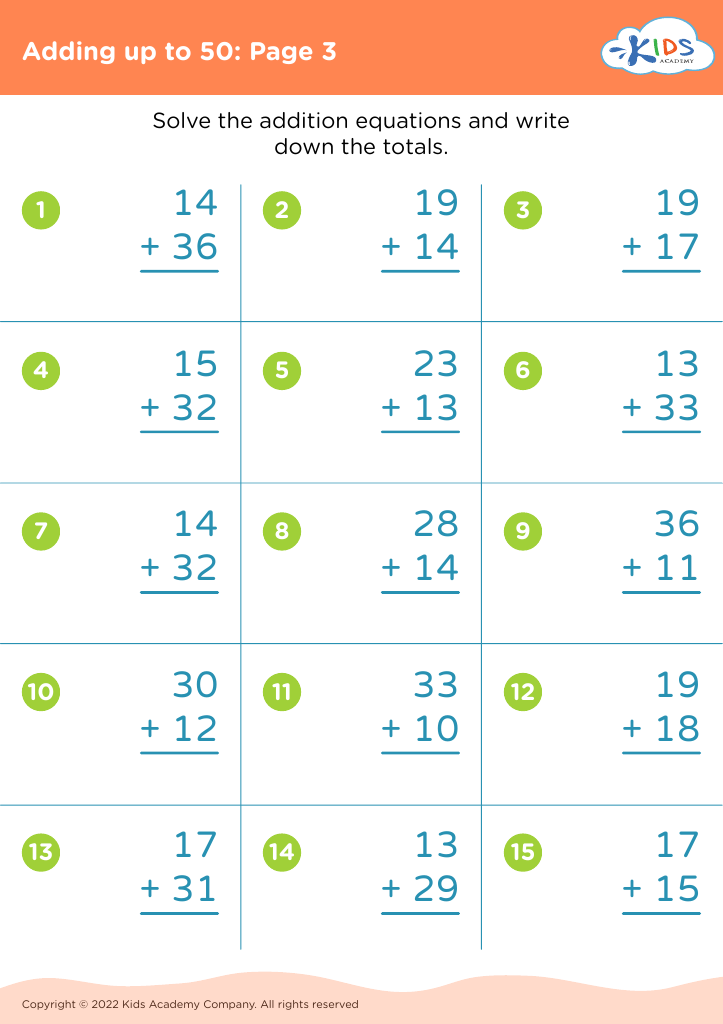
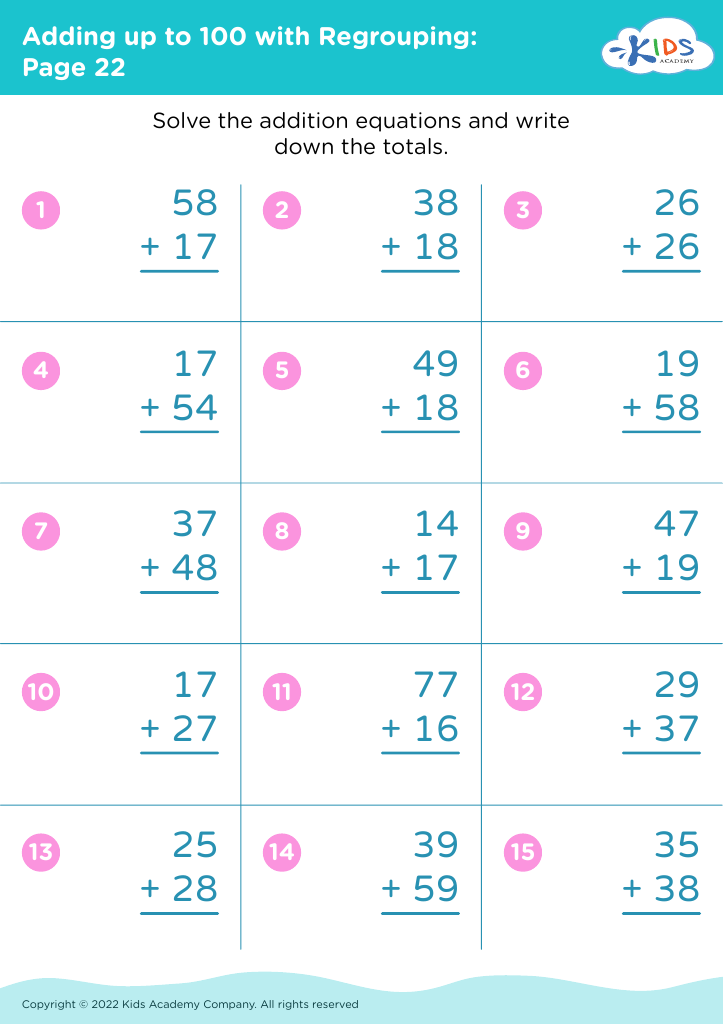
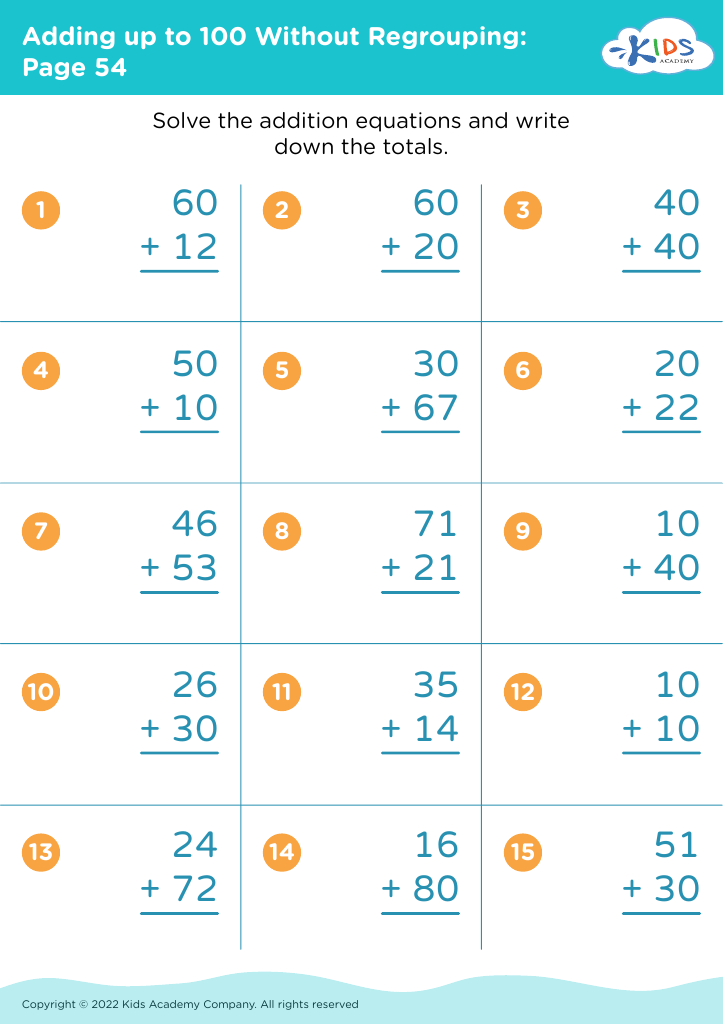








Understanding fraction conversion, addition, and subtraction for 7-year-olds is crucial as it lays the groundwork for mathematical proficiency and daily life skills. Firstly, fractions are fundamental in various branches of mathematics, including algebra and geometry. By mastering these skills early on, children build a strong mathematical foundation that supports more complex learning in higher grades.
Secondly, grasping fractions teaches essential life skills such as measuring ingredients for recipes, dividing a pizza among friends, or understanding half-time in a sports game. This real-world application enhances their logical reasoning and problem-solving abilities.
Furthermore, learning to convert, add, and subtract fractions helps improve cognitive skills like number sense and the ability to understand parts and wholes. These skills are important not just for mathematics but for overall intellectual development, promoting critical thinking and analytical abilities.
For parents and teachers, fostering these skills early helps identify potential learning difficulties, allowing for timely interventions and support to ensure that no child is left behind. Encouraging an interest in math at a young age can also boost a child’s confidence, motivation, and positive attitude toward learning. In essence, early competency in fractions empowers children with both academic and practical skills critical for their lifelong journey.








