Identifying fractions Addition & Subtraction Worksheets for 7-Year-Olds
4 filtered results
-
From - To
Unlock the world of fractions for your 7-year-old with our engaging Addition & Subtraction Worksheets! Designed to make learning fun and effective, these worksheets help young learners understand the basics of identifying, adding, and subtracting fractions. Each worksheet provides colorful visuals and straightforward exercises that break down complex concepts into manageable steps. Suitable for classrooms or home practice, these resources offer a solid foundation in math, boosting both confidence and skills in young students. Explore our curated collection and watch your child excel in understanding fractions with ease!
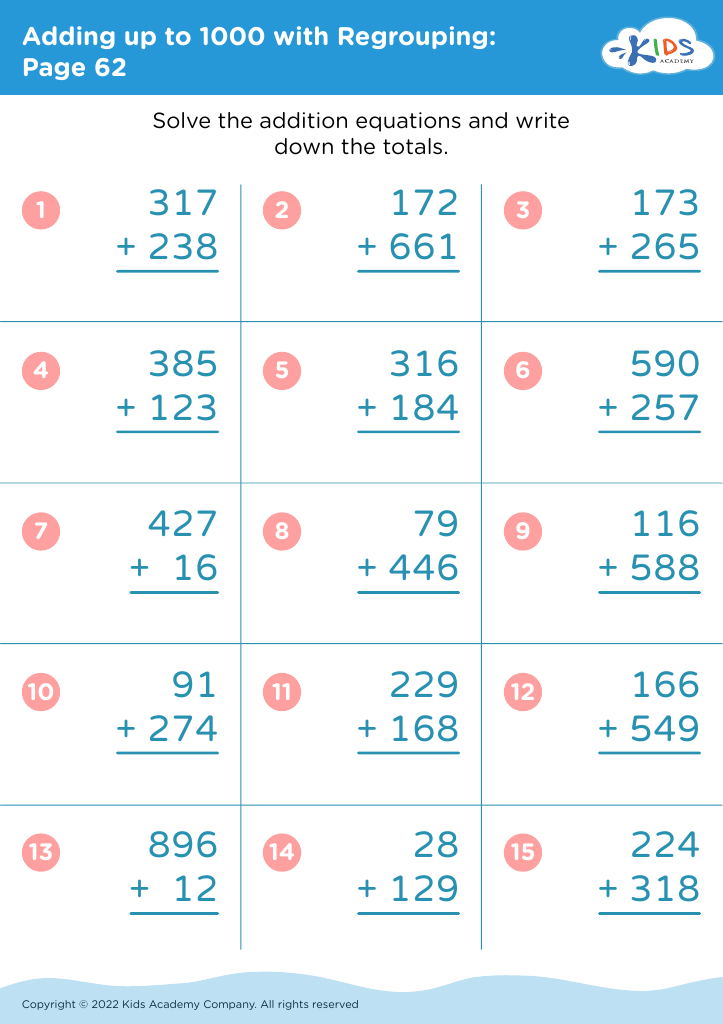
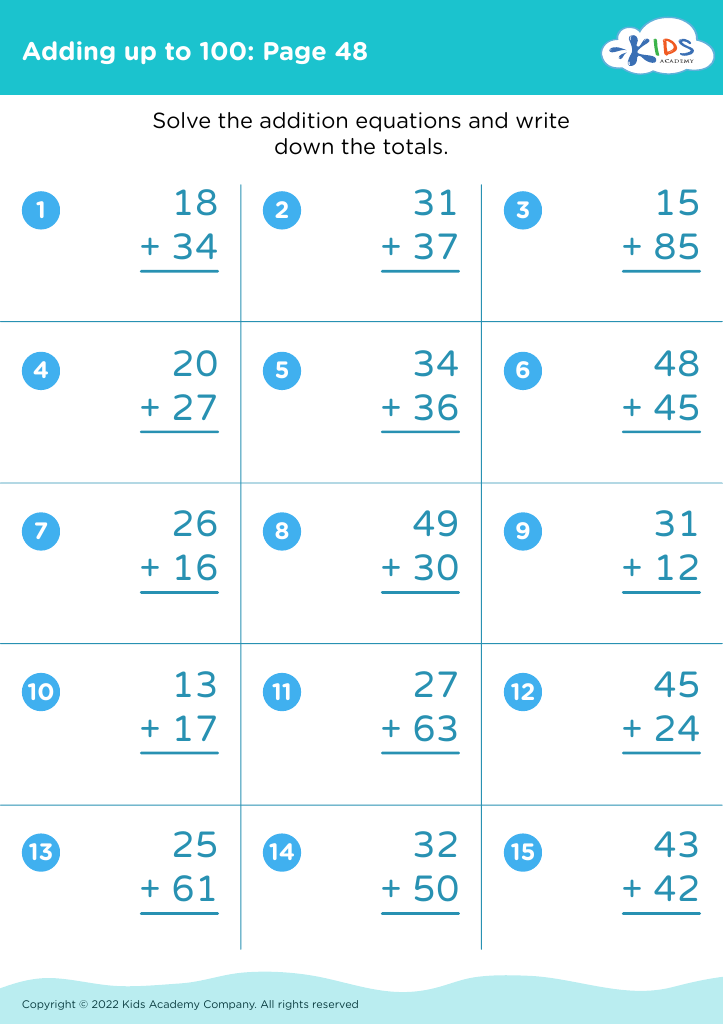
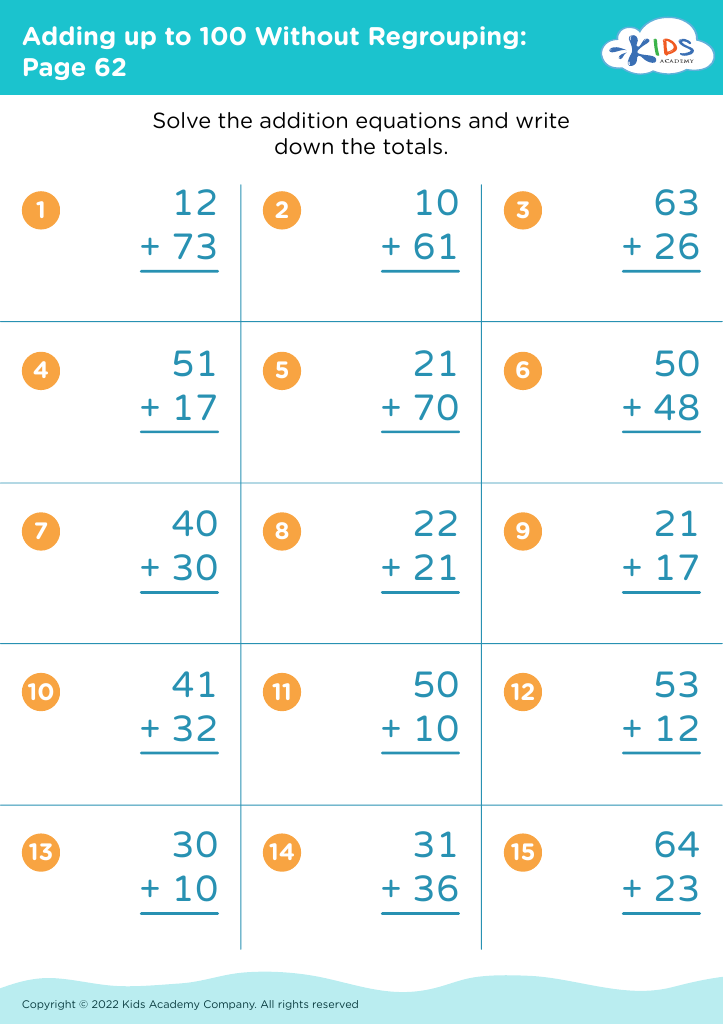
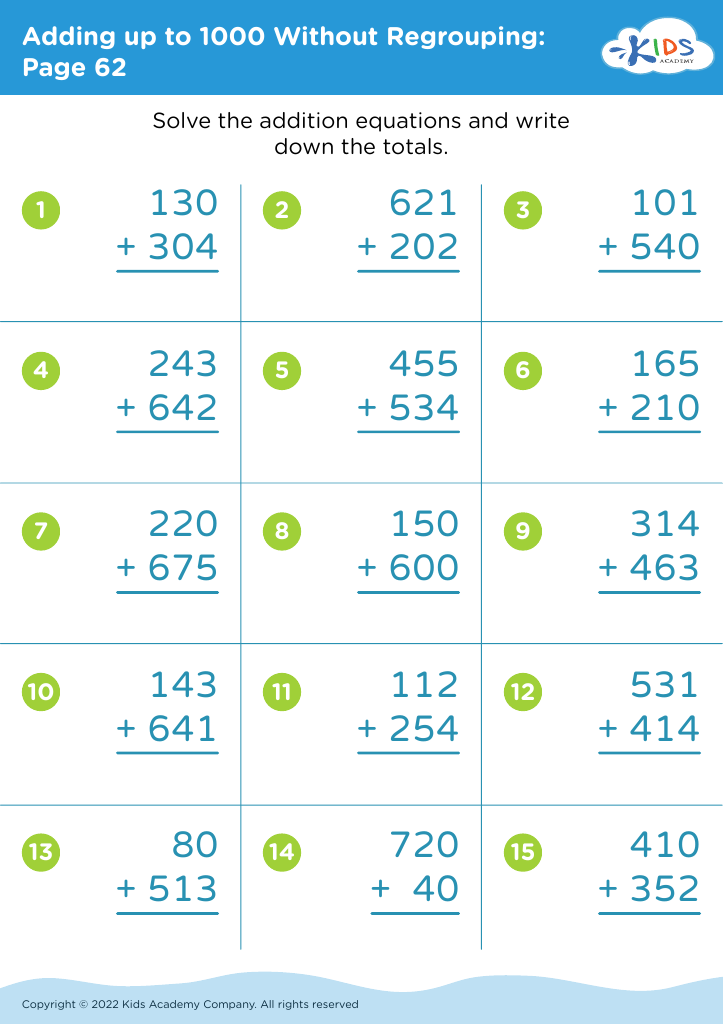








Understanding fractions, along with the ability to add and subtract them, is a foundational math skill that sets young learners up for future success in many areas of mathematics. For 7-year-olds, developing this skill is crucial as it enhances their problem-solving abilities and strengthens their grasp of more complex mathematical concepts they will encounter later.
For parents and teachers, emphasizing fractions is important because it integrates aspects of logical thinking and numerical understanding. When children learn to identify and work with fractions, they become proficient in recognizing parts of a whole, an idea that is applicable not just in mathematics, but in various real-life contexts, such as cooking or dividing shared resources.
Moreover, addition and subtraction of fractions teach children how to compare quantities and understand equivalence, which are essential competencies for practical decision-making. This nurturing at a young age promotes confidence in handling ordinary math tasks and gradually builds their ability to tackle more advanced topics like algebra and geometry.
Additionally, engaging with fractions requires focused attention and develops critical thinking capabilities. Practicing these operations under a parent's or teacher's guidance fosters a safe and supportive learning environment where children are encouraged to explore, make mistakes, and ultimately master these foundational skills.
Spotting and nurturing these capabilities early on prepares children academically and equips them with lifelong mathematical literacy.








