Shape identification Addition & Subtraction Worksheets for 7-Year-Olds
13 filtered results
-
From - To
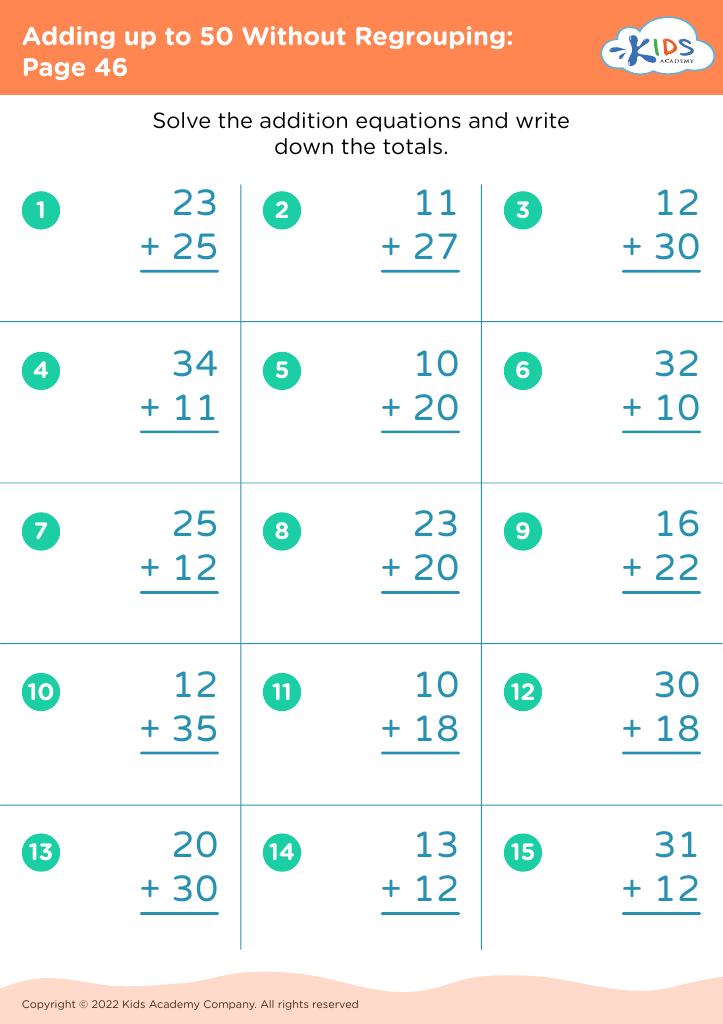
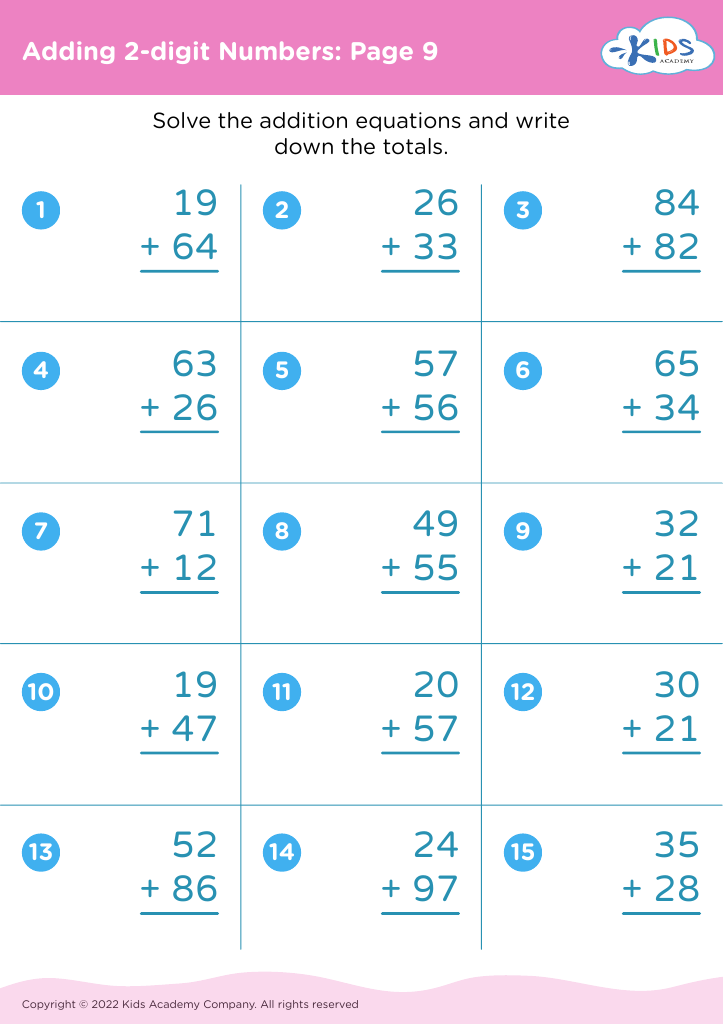
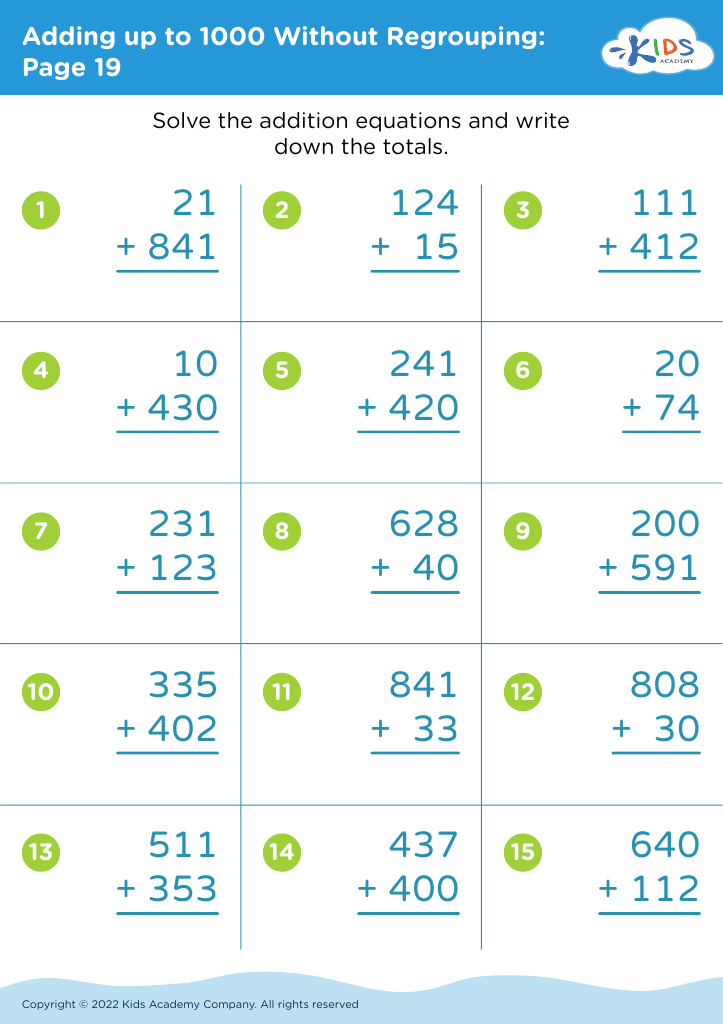
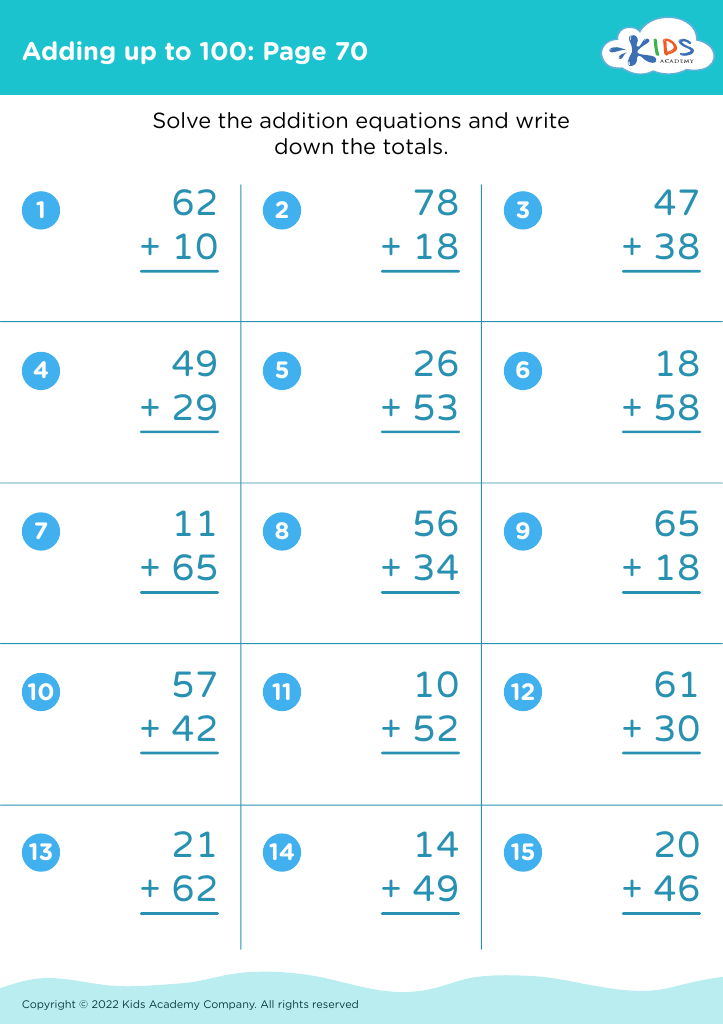
Our Shape Identification Addition & Subtraction Worksheets for 7-Year-Olds are designed to enhance your child's mathematical and geometry skills. These engaging resources seamlessly blend fundamental arithmetic with shape recognition, helping young learners develop keen observation and problem-solving abilities. Each worksheet presents vibrant, child-friendly graphics and exercises that encourage children to practice addition and subtraction while identifying different shapes. With these fun, educational worksheets, students will boost their confidence and improve their math accuracy. Ideal for classroom activities or extra practice at home, these worksheets offer a versatile learning tool that lays a strong foundation for future math success.
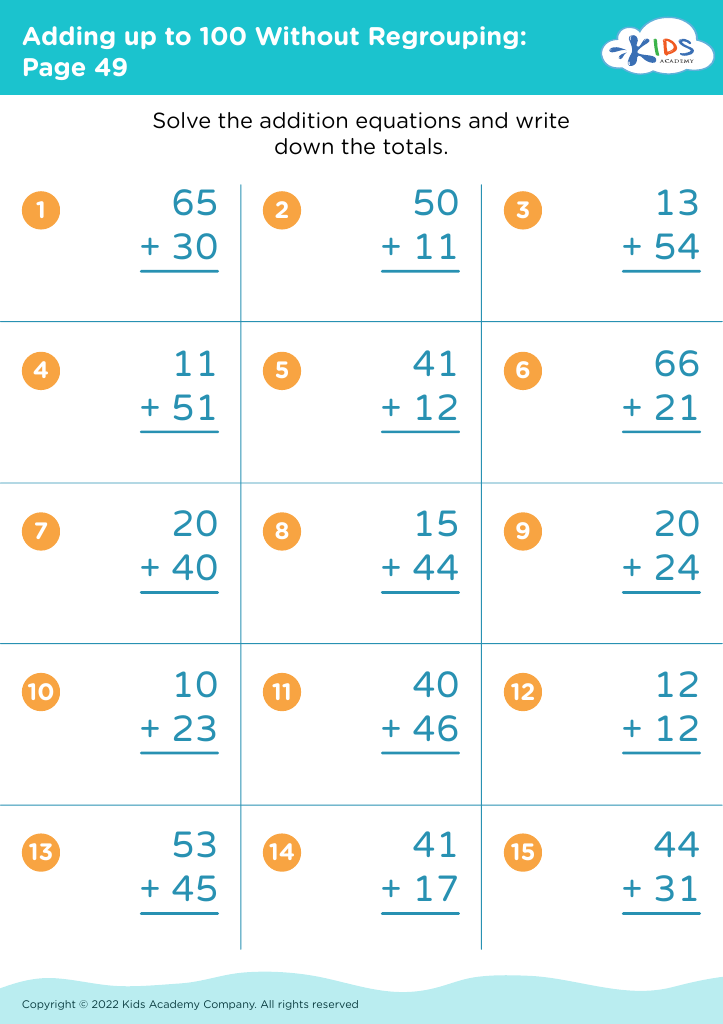
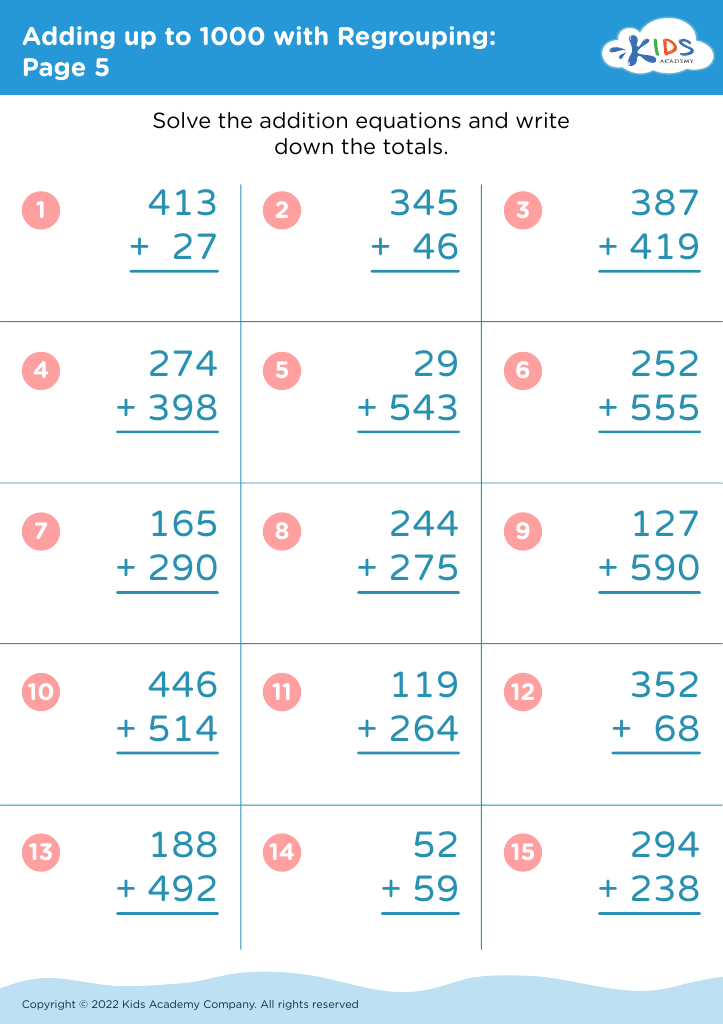
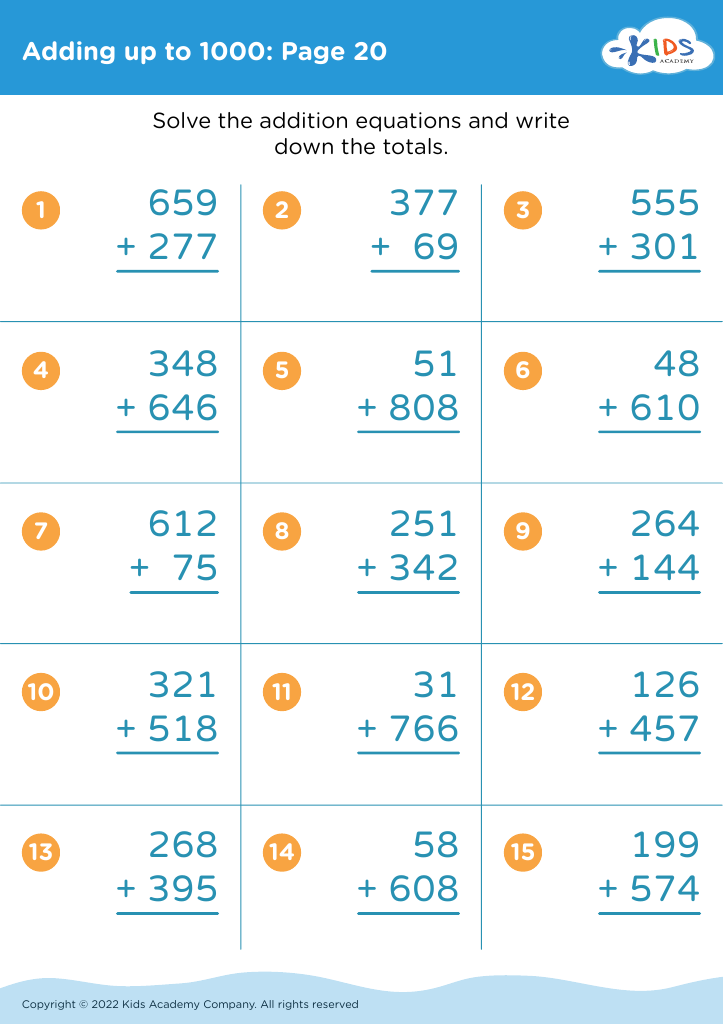
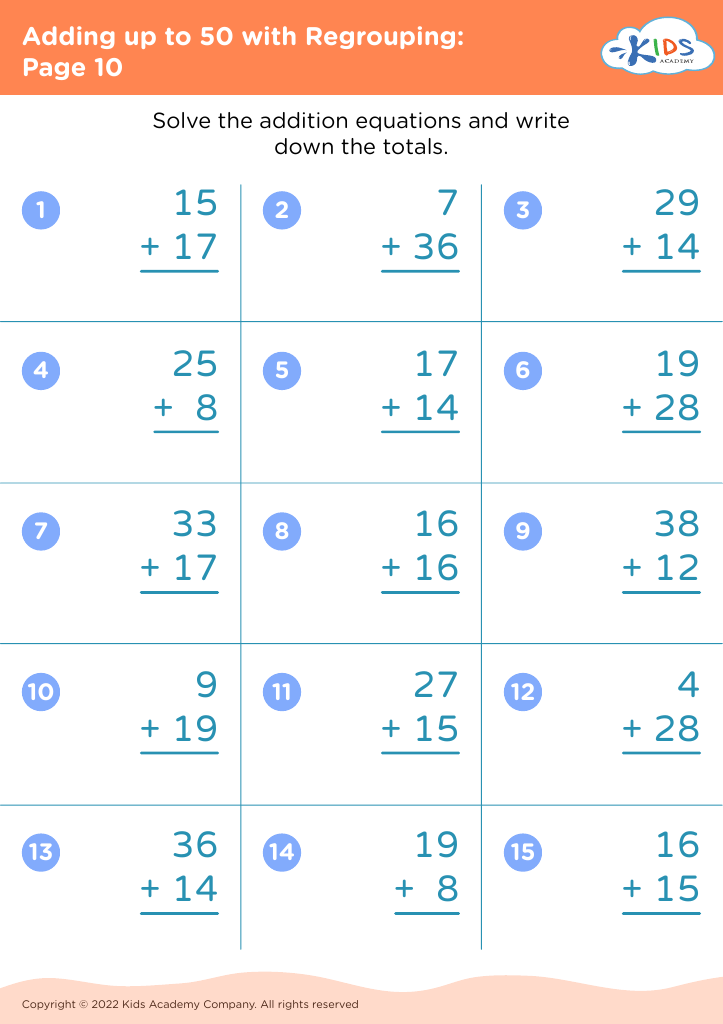
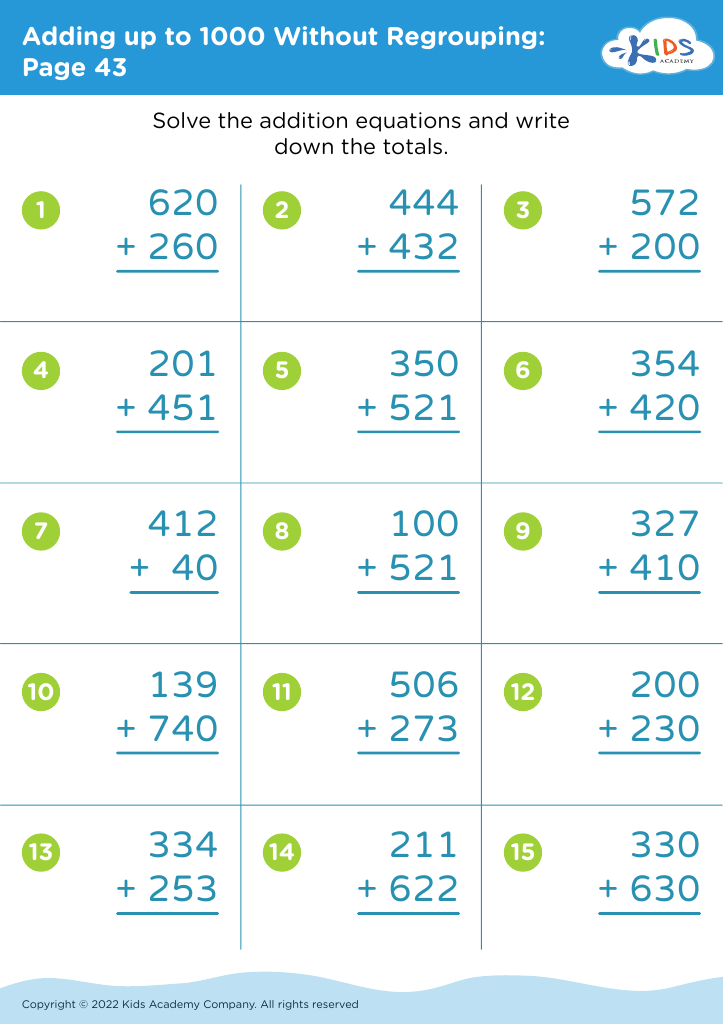








Parents and teachers should prioritize shape identification, addition, and subtraction for 7-year-olds as these foundational skills are critical elements in early childhood development and education. Shape identification enhances cognitive abilities by fostering recognition and classification skills. Children learn to discern patterns, enhancing their visual-spatial orientation which supports more complex problem-solving skills in geometry and beyond. This ability also translates to real-world applications, such as understanding maps and everyday objects.
Simultaneously, addition and subtraction are the building blocks of arithmetic. Mastery of these operations is essential for grasping more advanced mathematical concepts like multiplication, division, and fractions. Early proficiency in addition and subtraction fosters confidence in math, preventing anxiety and resistance often associated with the subject down the line. Furthermore, these skills contribute to logical thinking and decision-making abilities, benefitting various aspects of learning and daily life, such as handling money and measuring ingredients in a recipe.
Thus, focusing on these areas during this developmental stage not only supports academic success but also cultivates critical life skills that support cognitive, emotional, and social growth. By caring about and teaching these foundational concepts, parents and teachers equip children with tools essential for lifelong learning and practical daily functioning.








