Shape Recognition Addition & Subtraction Worksheets for 7-Year-Olds - Page 2
32 filtered results
-
From - To
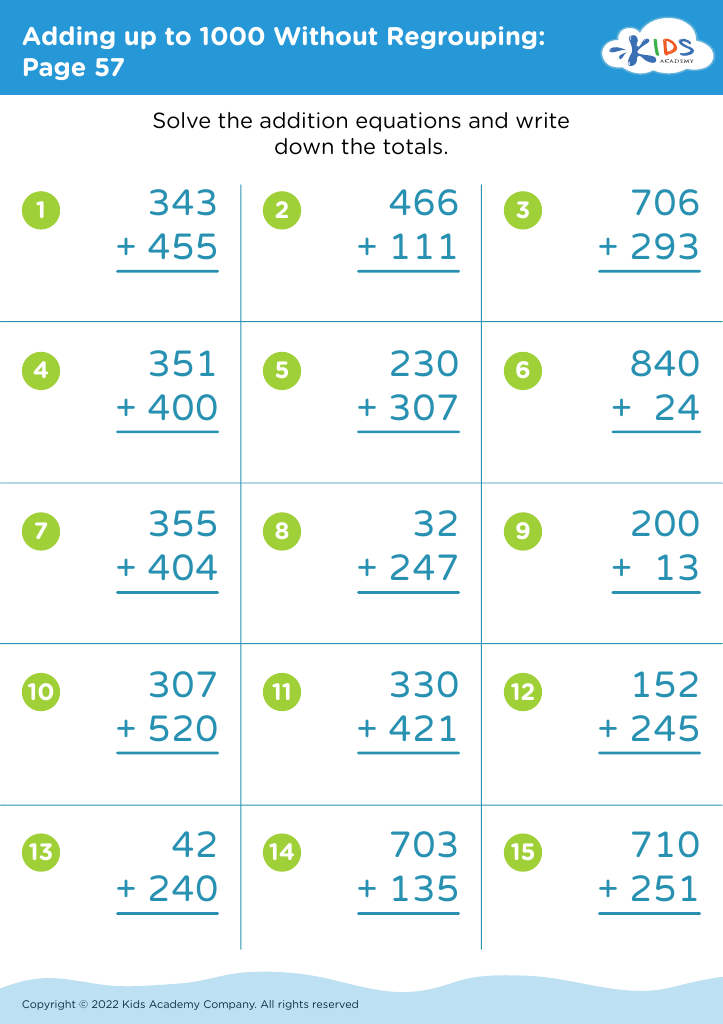
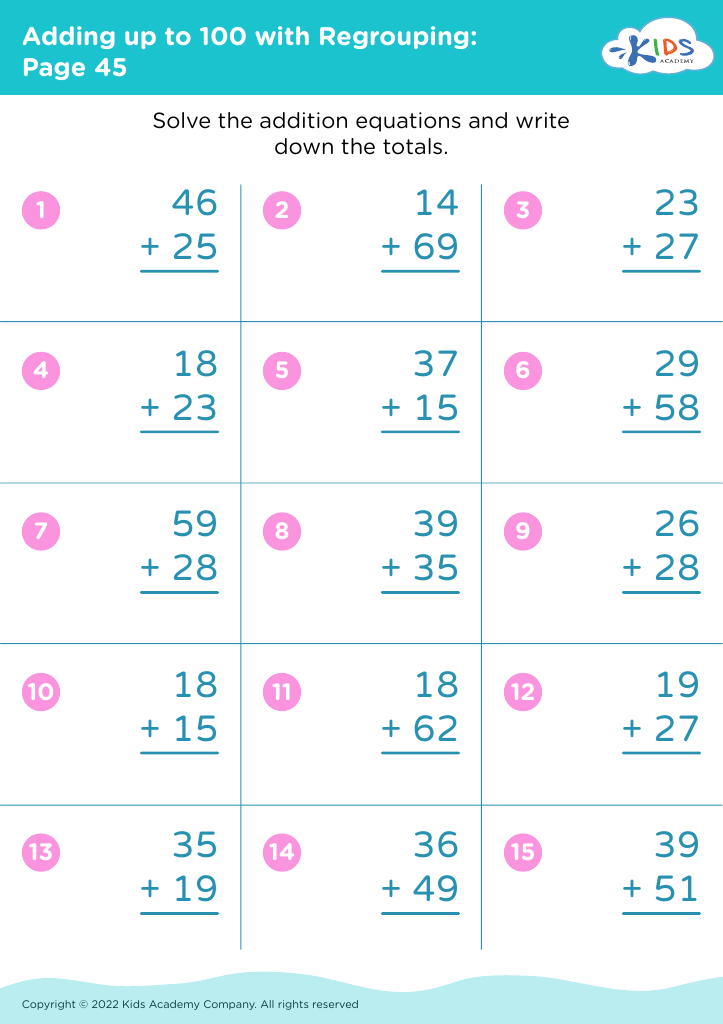
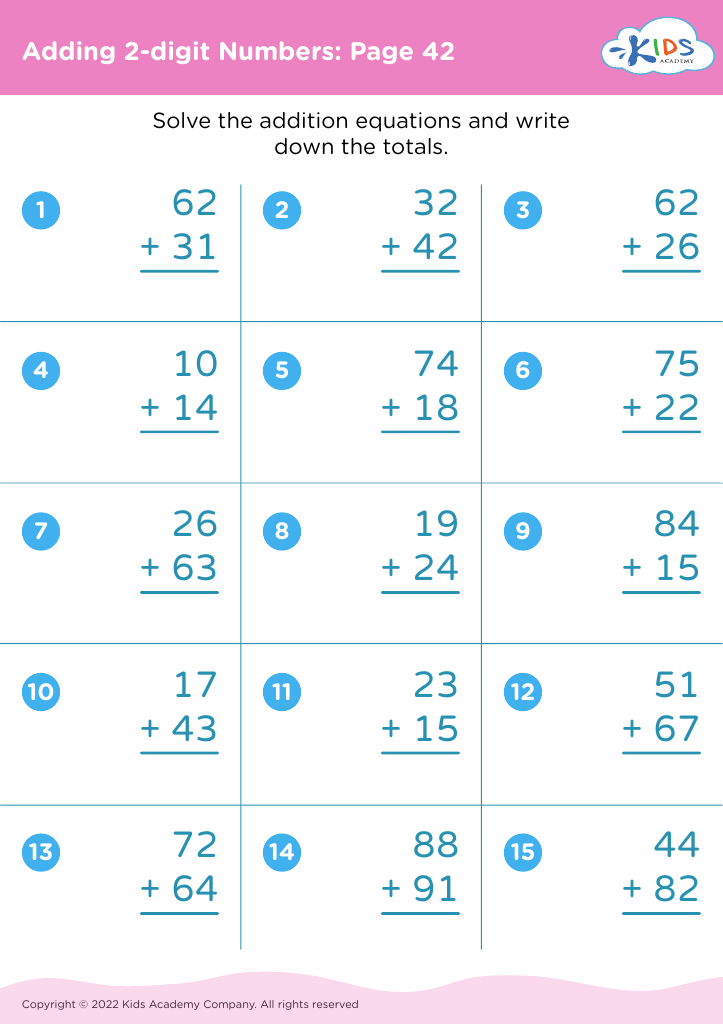
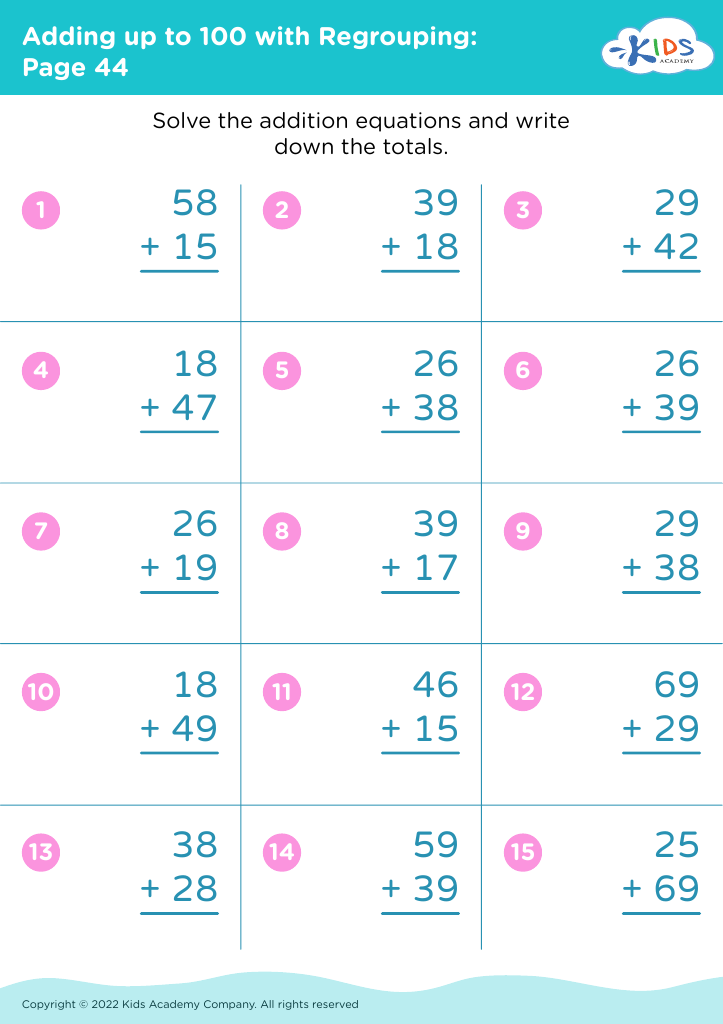





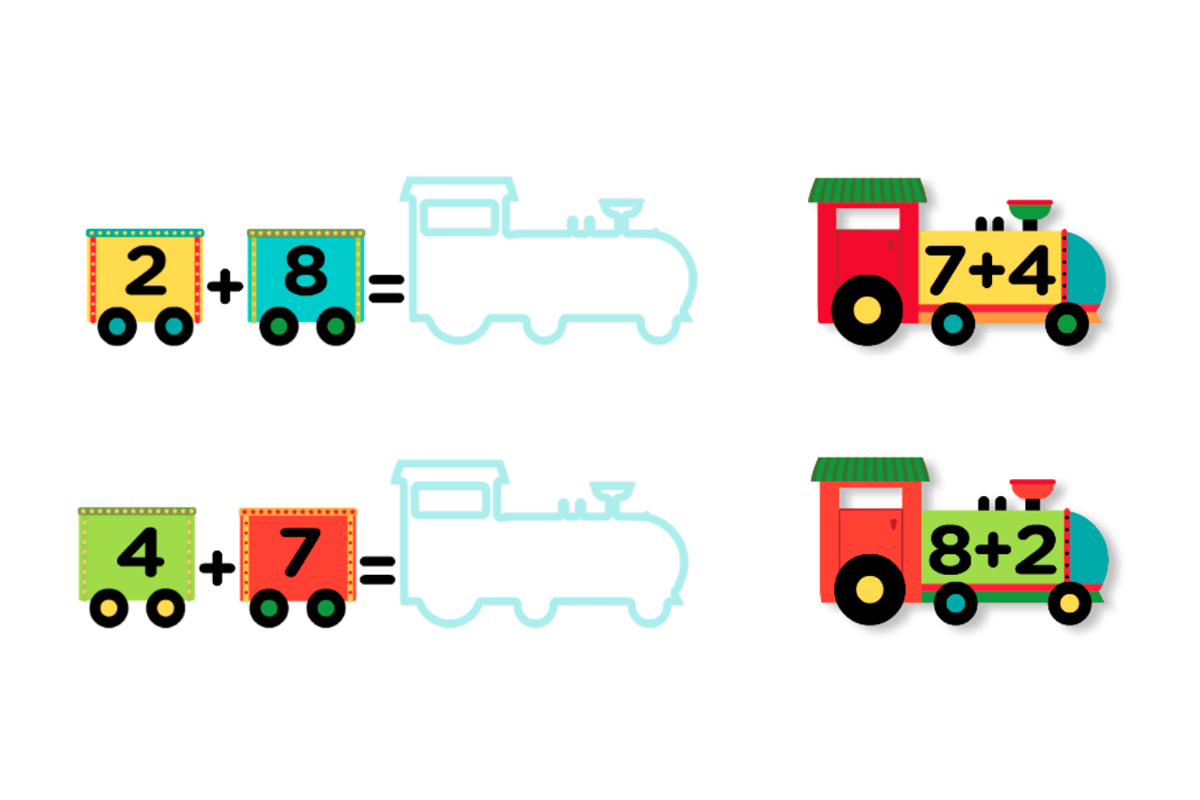


Shape recognition, alongside addition and subtraction, plays a crucial role in the cognitive development of 7-year-olds. Understanding shapes enhances spatial awareness, which is fundamental for problem-solving in mathematics and everyday life. When children learn to identify and differentiate shapes, they not only solidify their mathematical vocabulary but also lay the groundwork for geometric concepts they'll encounter later in school.
Incorporating shape recognition into addition and subtraction exercises makes learning more engaging and interactive. For instance, by using shapes such as circles or triangles in math problems, children can visualize quantities and build their ability to make connections between numbers and physical forms. This can make abstract concepts more relatable and easier to grasp.
Additionally, learning to count and manipulate shapes helps young learners develop critical thinking and reasoning skills. When parents and teachers encourage practices integrating both shape recognition and fundamental math operations, they foster a holistic educational experience. Ultimately, this dual focus nurtures a love of learning, promotes analytical skills, and prepares children for more advanced mathematical concepts in the future. Thus, supporting children's growth in these areas is vital for their academic success and overall development.








