
Alphabet Recognition Addition Worksheets for 7-Year-Olds
4 filtered results
Difficulty Level
Grade
Age
-
From - To
Subject
Activity
Standards
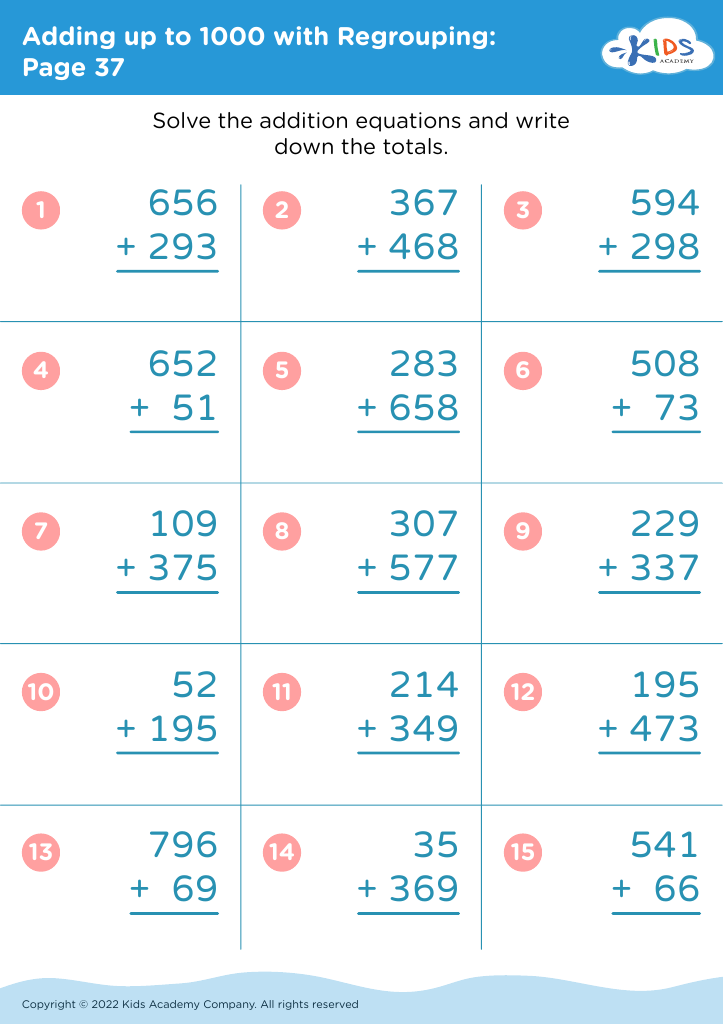
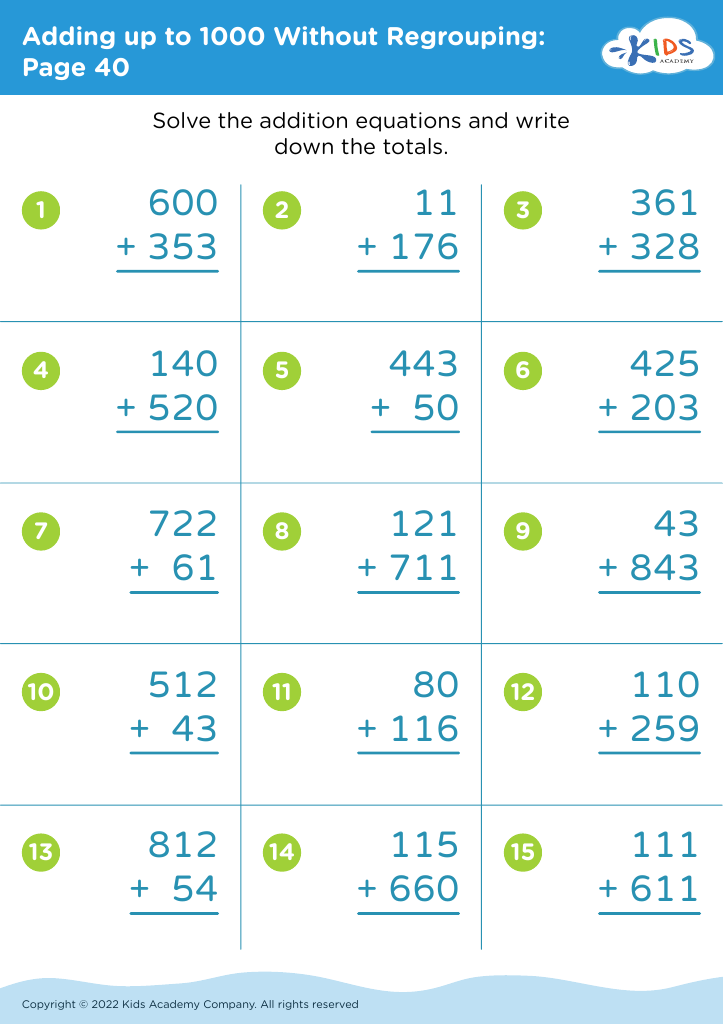
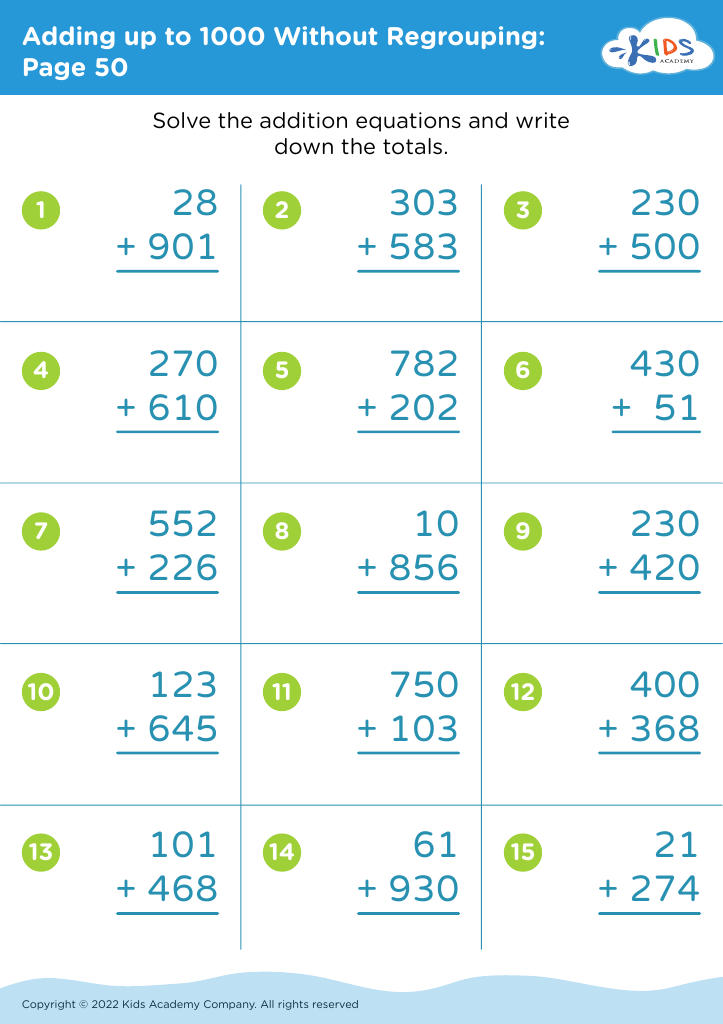
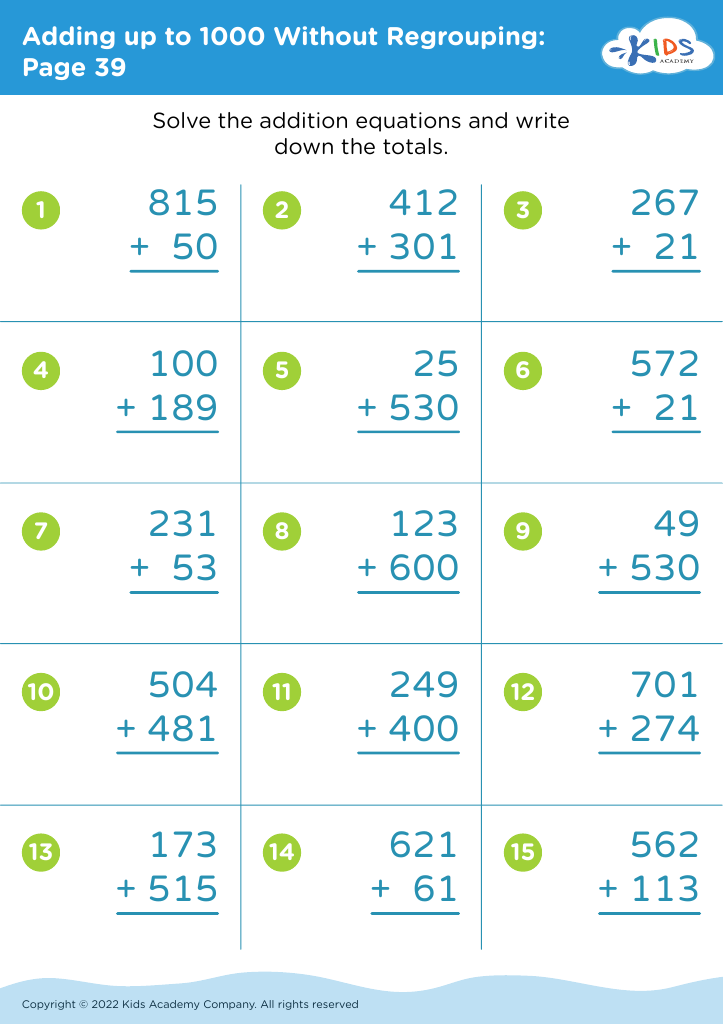
Enhance your child's learning experience with our Alphabet Recognition Addition Worksheets designed specifically for 7-year-olds. These engaging printable resources combine essential math skills with fun alphabet activities, helping children strengthen their recognition of letters while practicing addition. Ideal for home schooling or supplemental practice, these worksheets make learning enjoyable and interactive. Kids will enjoy solving addition problems while identifying and matching letters, reinforcing their understanding of both numbers and the alphabet. With colorful illustrations and age-appropriate challenges, our worksheets cater to diverse learning styles and help children develop confidence in their academic skills. Download today and inspire your child's love for learning!
Favorites
With answer key
Interactive
Join Kids Academy for Free
Who is primarily going to use this learning content?








Alphabet recognition is a crucial foundational skill for 7-year-olds, as it significantly impacts their literacy development and overall academic success. At this age, children are transitioning from learning to read, to reading to learn. This means they encounter a variety of texts across subjects, and strong alphabet recognition enables them to decode words effectively.
Teachers and parents should be particularly invested in fostering this skill because it is directly linked to a child’s confidence and motivation in reading. Children who struggle with alphabet recognition may feel frustrated, leading to disengagement and a negative attitude towards learning. By supporting their children in mastering this skill, adults can help instill lifelong literacy habits, ensuring that kids don't fall behind in future educational pursuits.
Additionally, alphabet recognition plays a vital role in developing phonemic awareness, which is the ability to hear, identify, and manipulate sounds in words. This skill serves as the building block for spelling and writing, both essential components of comprehensive literacy development. By prioritizing alphabet recognition, parents and teachers can create a sturdy foundation that facilitates the enhancement of reading comprehension, vocabulary, and critical thinking skills, thus setting the stage for broader academic achievement in years to come.








