Filters

36 filtered results

Clear all filters
Favorites
With answer key
Interactive

36 filtered results

Difficulty Level

Grade


Subject

    Welcome to our "Fine Motor Skills Addition Worksheets for 7-Year-Olds"! Designed to enhance both math proficiency and fine motor coordination, our worksheets provide fun, engaging activities that help children master addition concepts while developing dexterity. Each worksheet is tailored specifically for 7-year-olds, incorporating colorful graphics and interactive elements that encourage creativity and focus. Through activities like tracing numbers, connecting dots, and coloring, kids will strengthen their hand-eye coordination and pencil control, essential skills for writing and various everyday tasks. Perfect for parents and educators, these printable resources are a fantastic way to blend learning and play seamlessly. Get started today!
    Check out this FREE Trial Lesson on Addition for age 7!

    D

    Favorites
    With answer key
    Interactive
    • 7
    • Fine Motor Skills
    • Addition
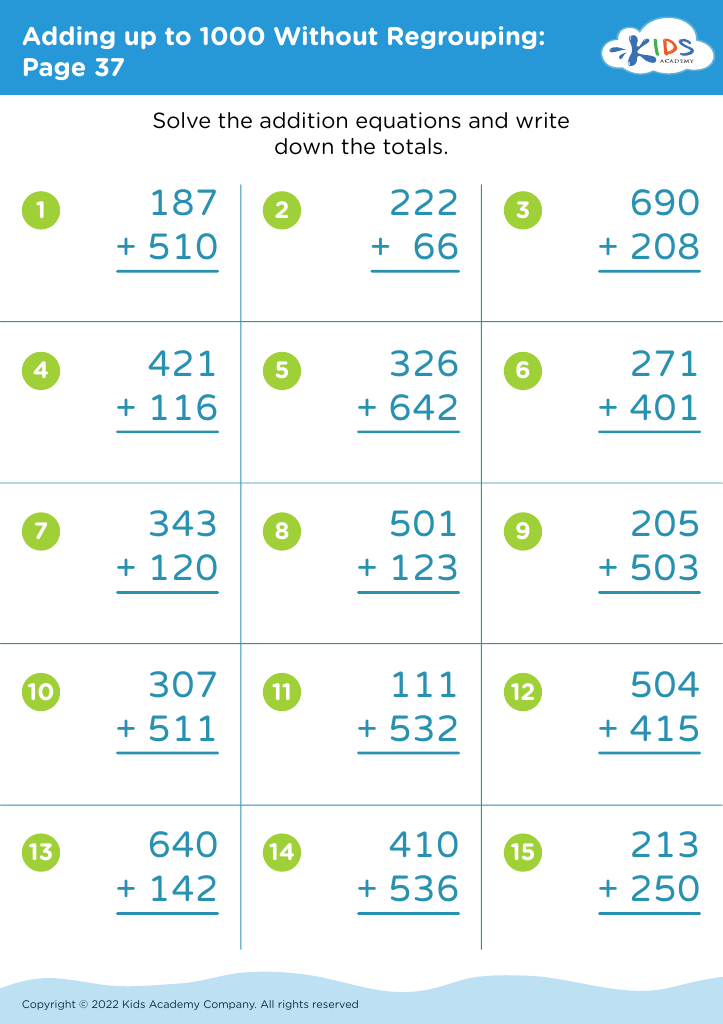
    Adding up to 1000 Without Regrouping: Page 37
    Adding up to 1000 Without Regrouping: Page 37
    Adding up to 1000 Without Regrouping: Page 37
    Worksheet
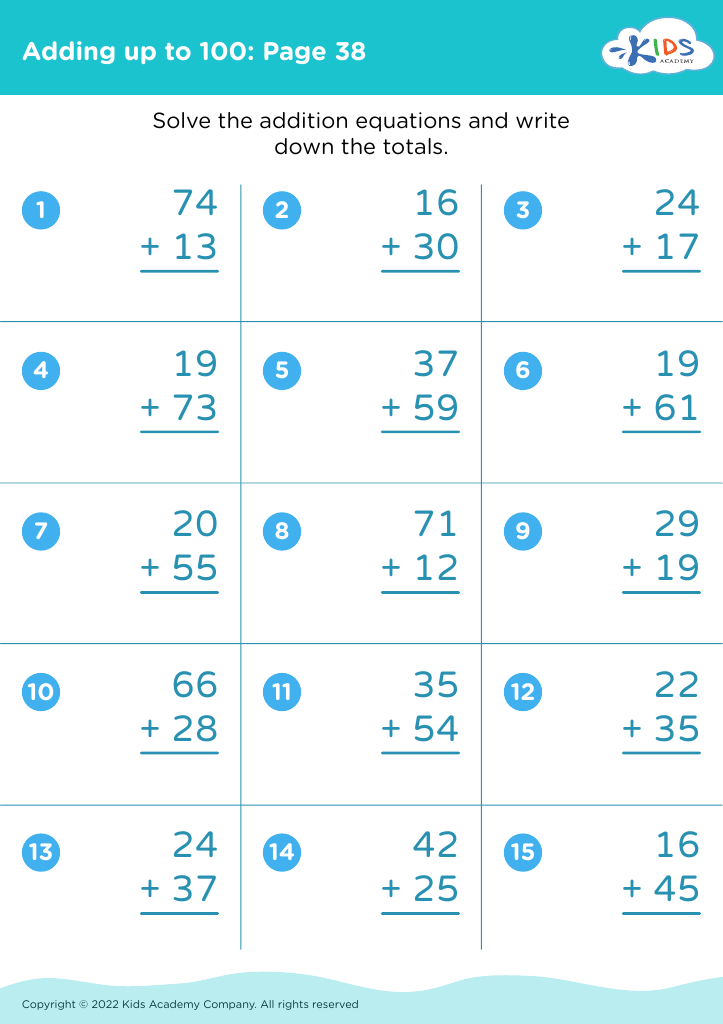
    Adding up to 100: Page 38
    Adding up to 100: Page 38

    Adding up to 100: Page 38

    Adding up to 100: Page 38
    Worksheet
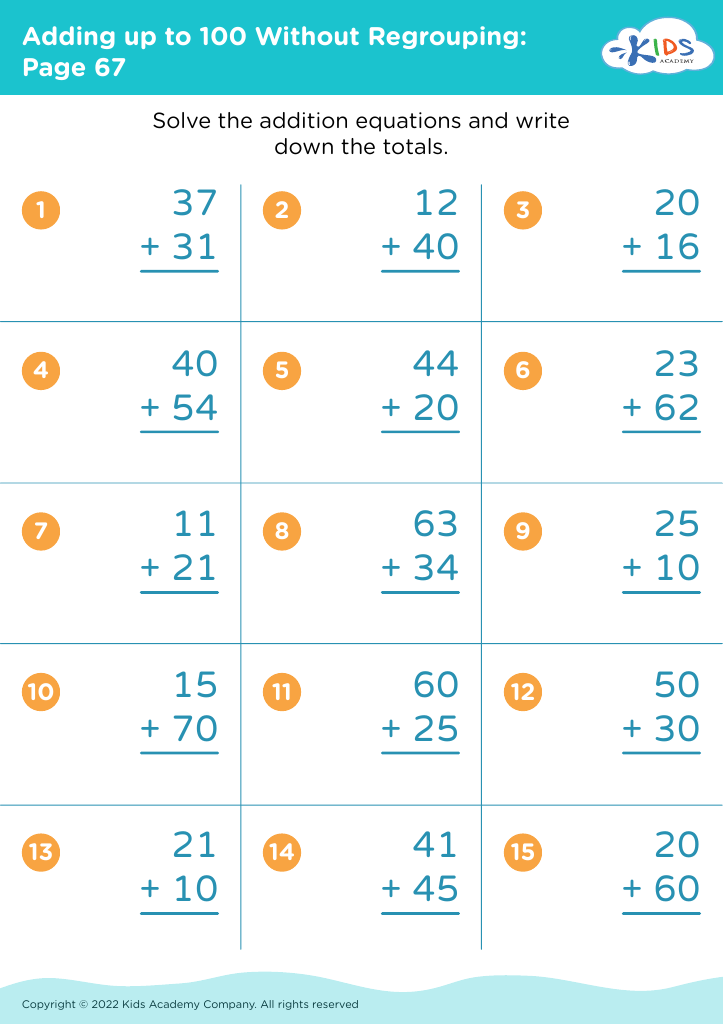
    Adding up to 100 Without Regrouping: Page 67
    Adding up to 100 Without Regrouping: Page 67
    Adding up to 100 Without Regrouping: Page 67
    Worksheet
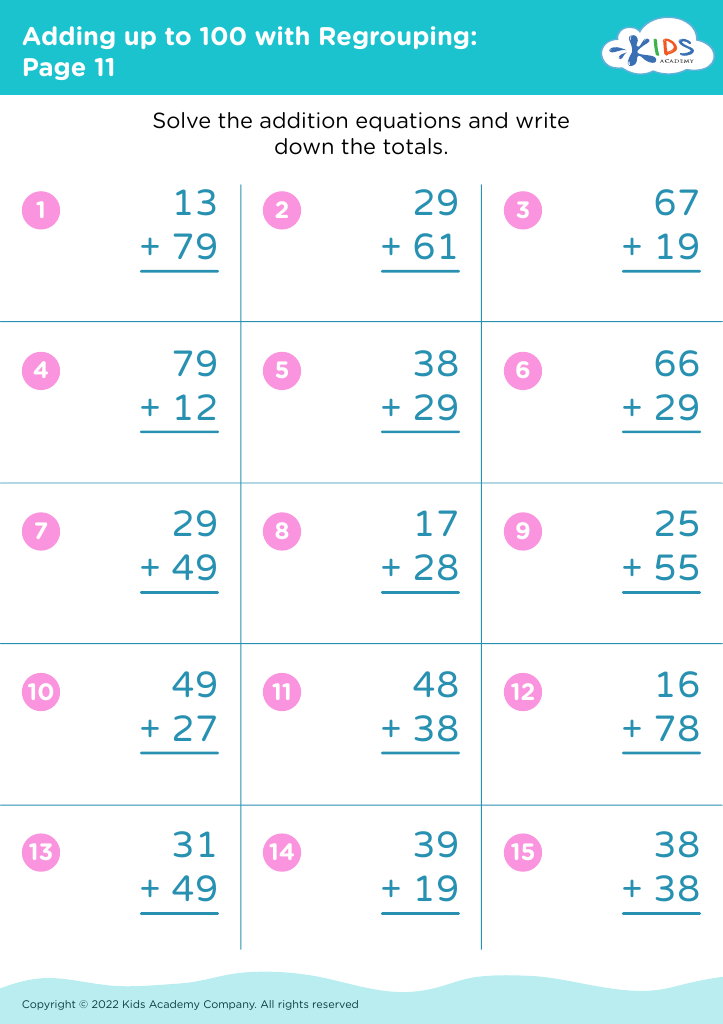
    Adding up to 100 with Regrouping: Page 11
    Adding up to 100 with Regrouping: Page 11
    Adding up to 100 with Regrouping: Page 11
    Worksheet
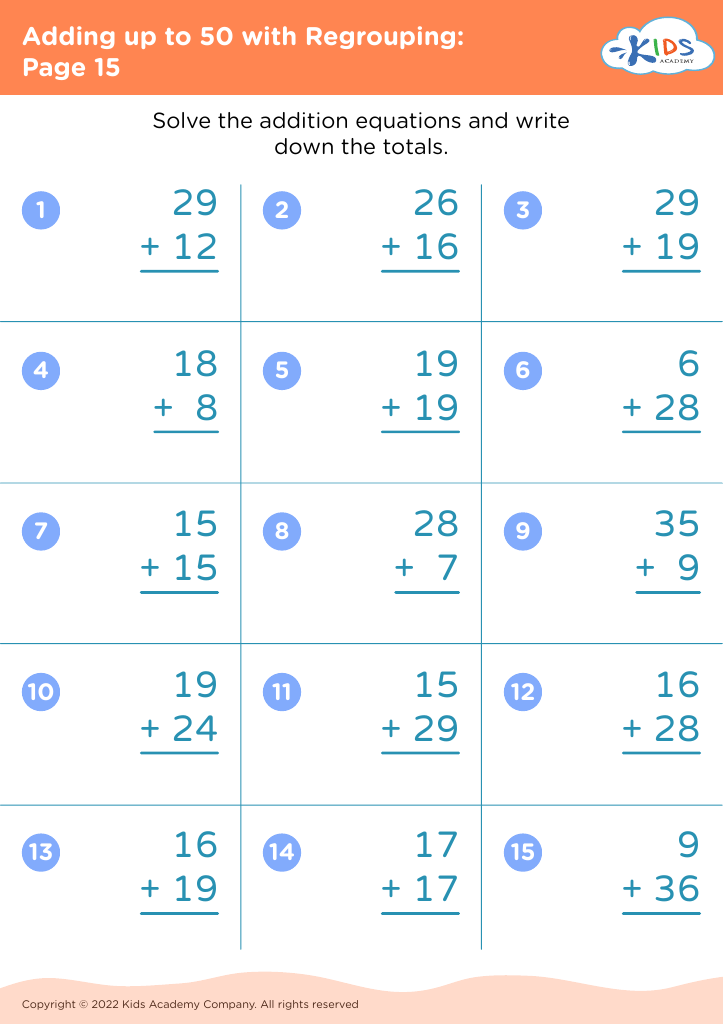
    Adding up to 50 with Regrouping: Page 15
    Adding up to 50 with Regrouping: Page 15
    Adding up to 50 with Regrouping: Page 15
    Worksheet
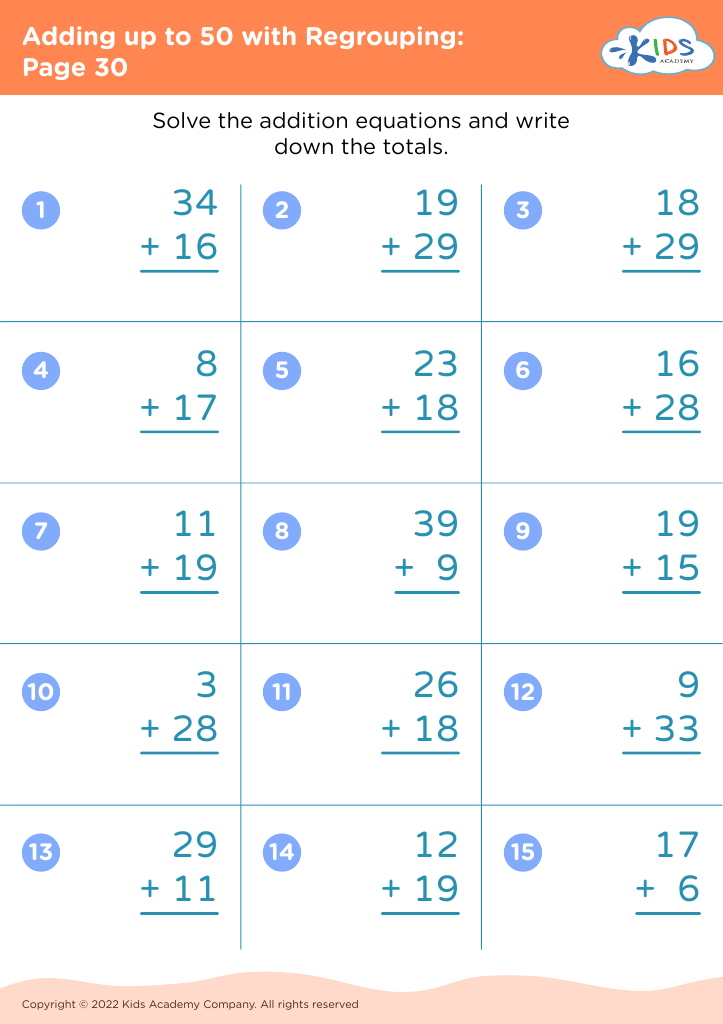
    Adding up to 50 with Regrouping: Page 30
    Adding up to 50 with Regrouping: Page 30
    Adding up to 50 with Regrouping: Page 30
    Worksheet
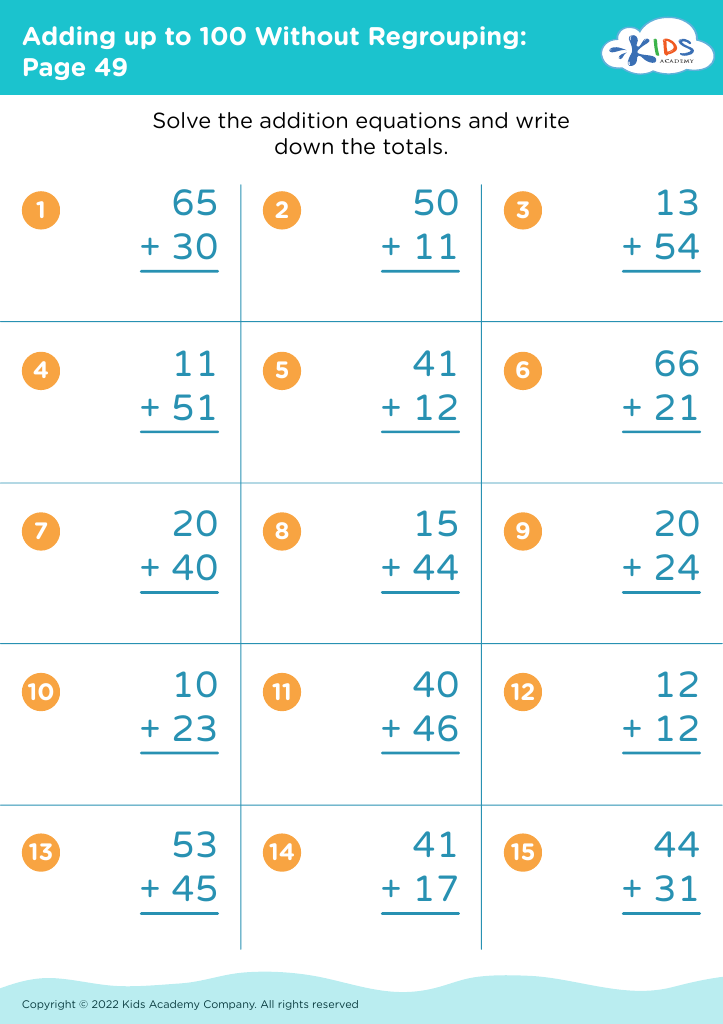
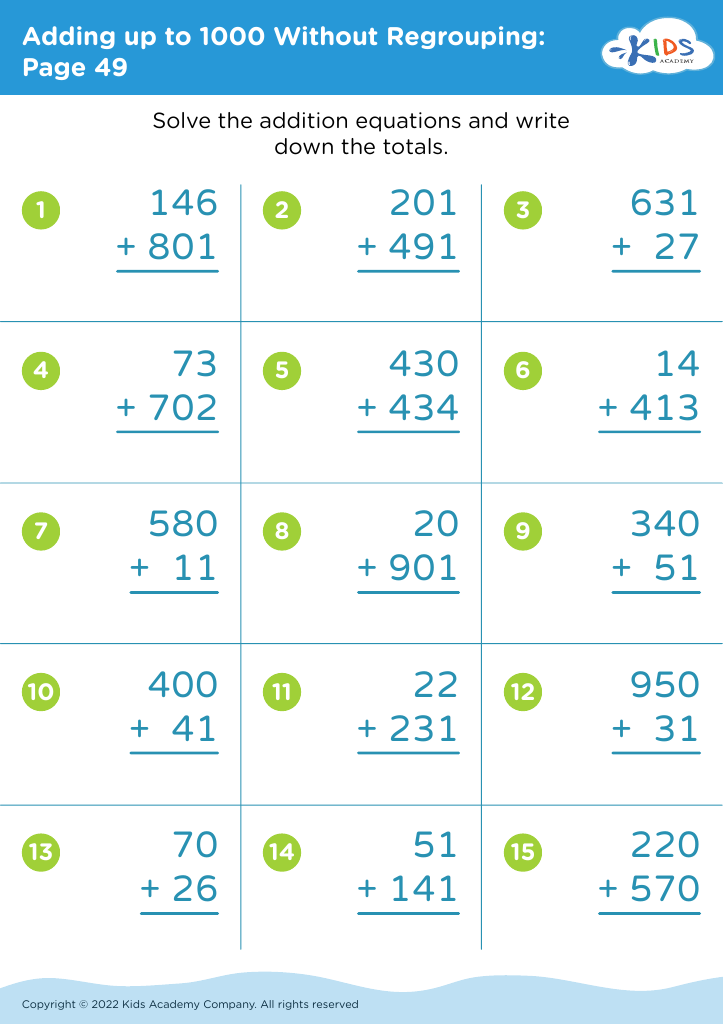
    Adding up to 100 Without Regrouping: Page 49
    Adding up to 100 Without Regrouping: Page 49
    Adding up to 100 Without Regrouping: Page 49
    Worksheet
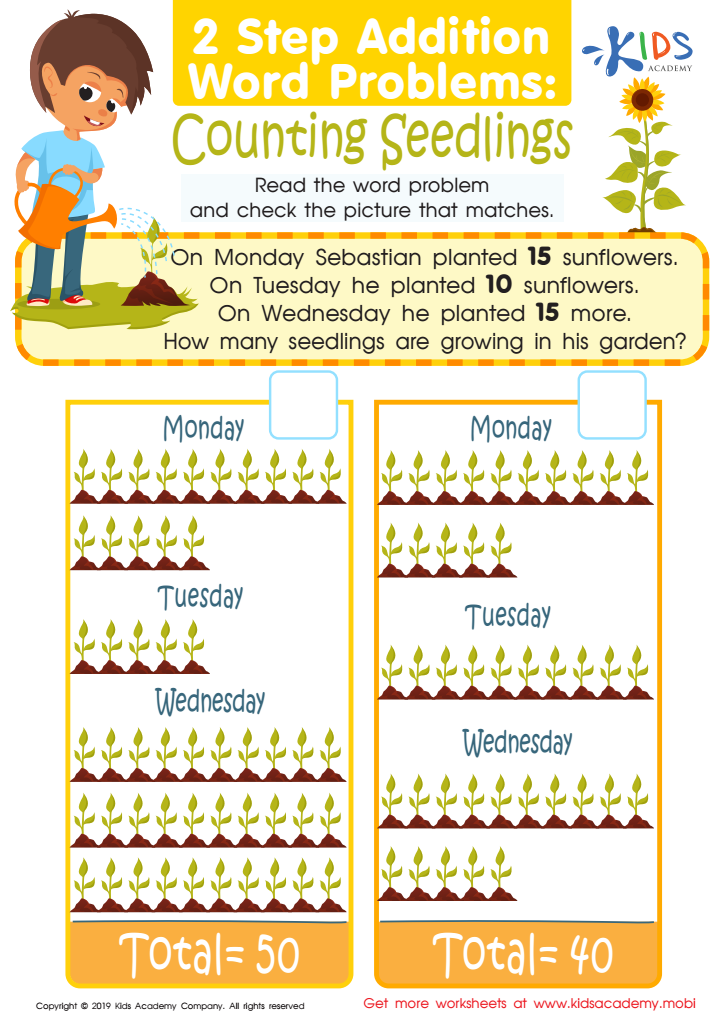
    Counting Seedlings Worksheet
    Counting Seedlings Worksheet

    Counting Seedlings Worksheet

    Understanding math word problems is key. Multiple steps can prove challenging - this free worksheet provides one-to-one picture representation to help kids solve multi-step addition word problems. Strengthen addition skills by choosing the matching picture to the answer.
    Counting Seedlings Worksheet
    Worksheet
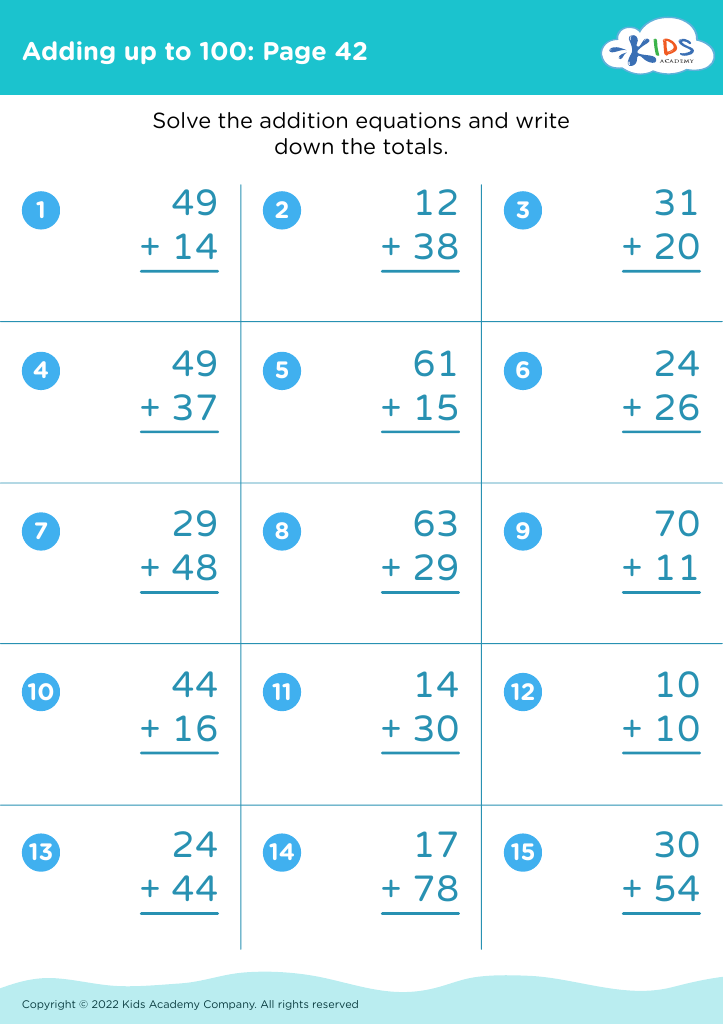
    Adding up to 100: Page 42
    Adding up to 100: Page 42

    Adding up to 100: Page 42

    Adding up to 100: Page 42
    Worksheet
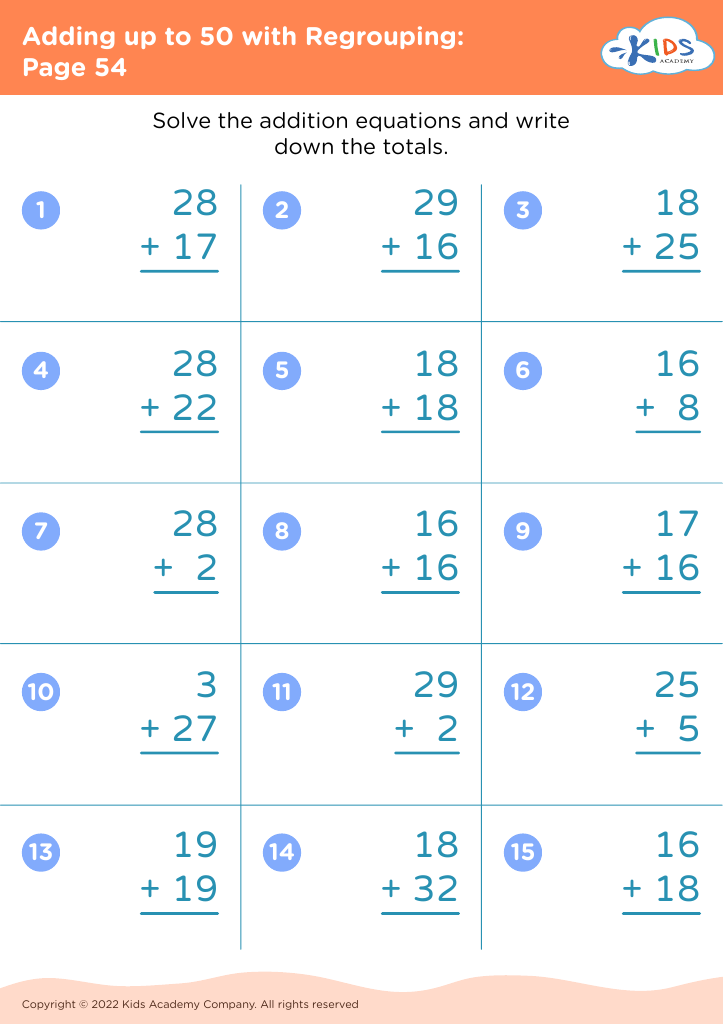
    Adding up to 50 with Regrouping: Page 54
    Adding up to 50 with Regrouping: Page 54
    Adding up to 50 with Regrouping: Page 54
    Worksheet
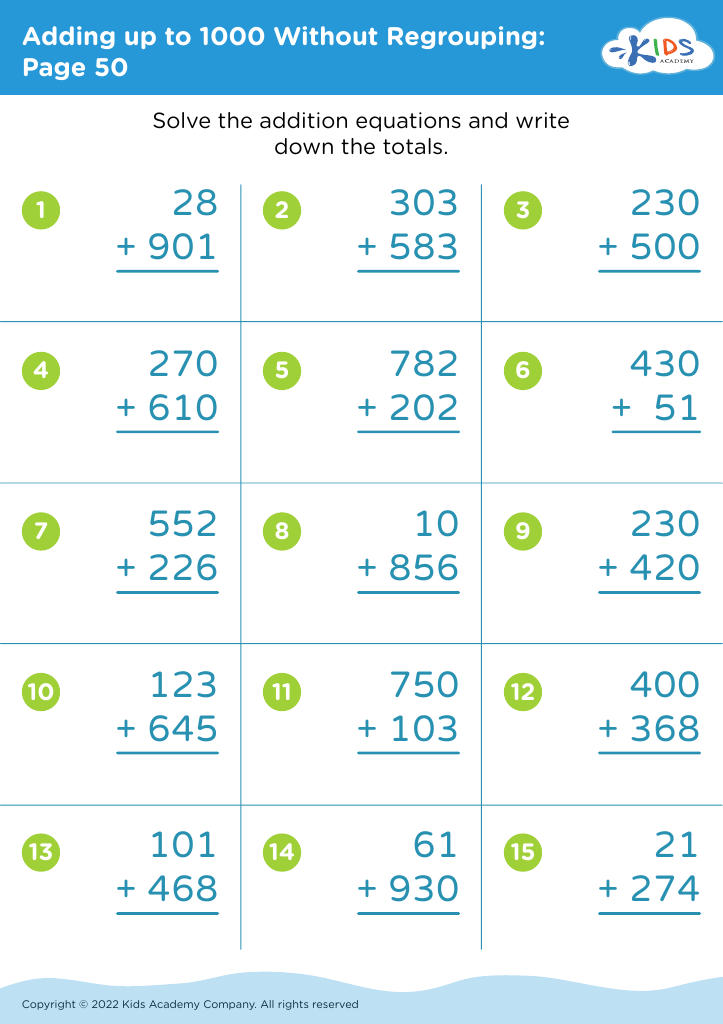
    Adding up to 1000 Without Regrouping: Page 50
    Adding up to 1000 Without Regrouping: Page 50
    Adding up to 1000 Without Regrouping: Page 50
    Worksheet
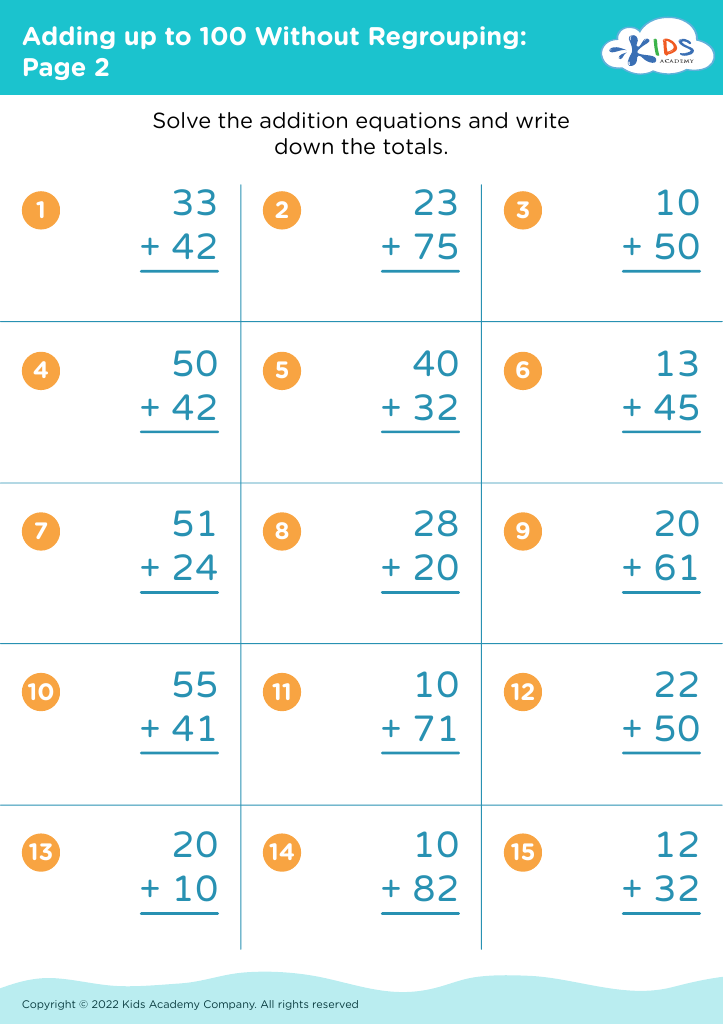
    Adding up to 100 Without Regrouping: Page 2
    Adding up to 100 Without Regrouping: Page 2
    Adding up to 100 Without Regrouping: Page 2
    Worksheet
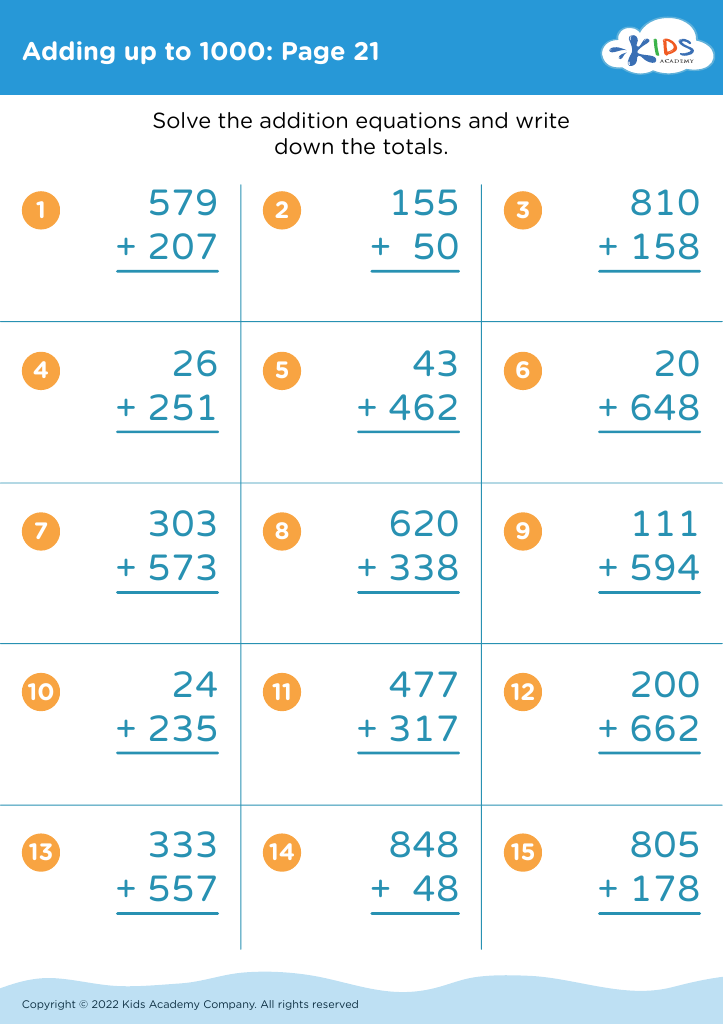
    Adding up to 1000: Page 21
    Adding up to 1000: Page 21

    Adding up to 1000: Page 21

    Adding up to 1000: Page 21
    Worksheet
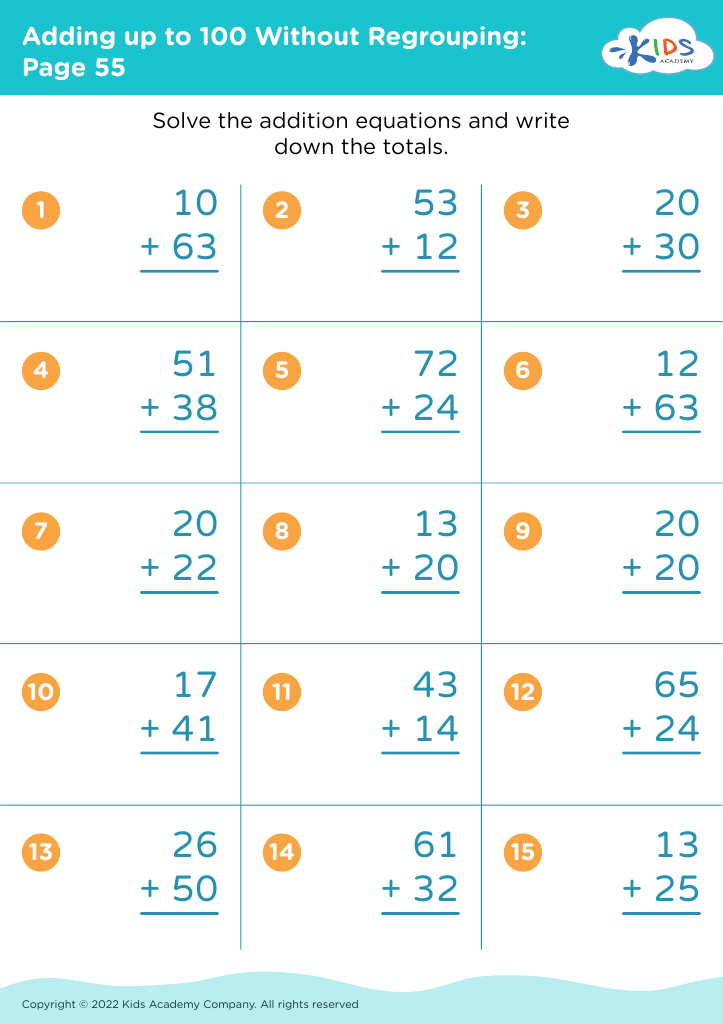
    Adding up to 100 Without Regrouping: Page 55
    Adding up to 100 Without Regrouping: Page 55
    Adding up to 100 Without Regrouping: Page 55
    Worksheet
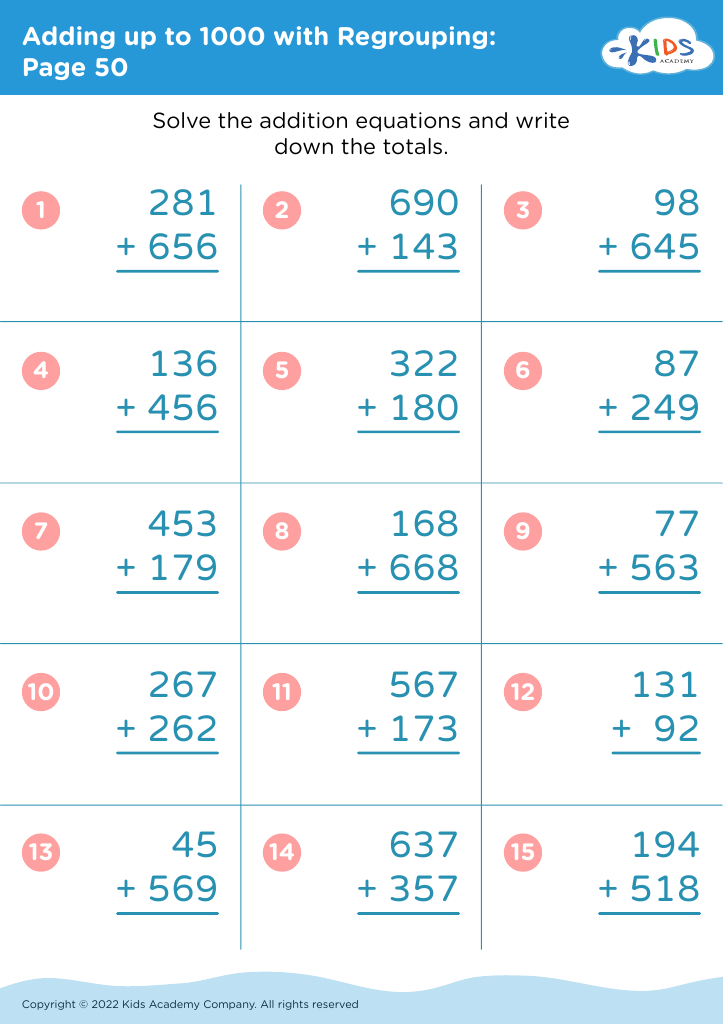
    Adding up to 1000 with Regrouping: Page 50
    Adding up to 1000 with Regrouping: Page 50
    Adding up to 1000 with Regrouping: Page 50
    Worksheet
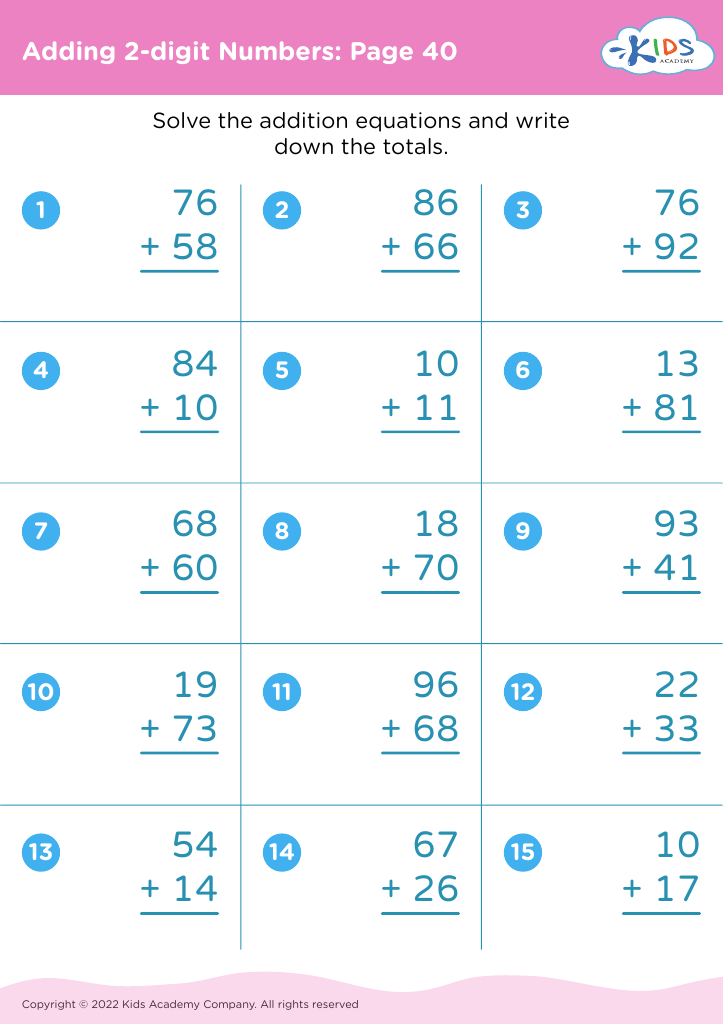
    Adding 2-digit Numbers: Page 40
    Adding 2-digit Numbers: Page 40

    Adding 2-digit Numbers: Page 40

    Adding 2-digit Numbers: Page 40
    Worksheet
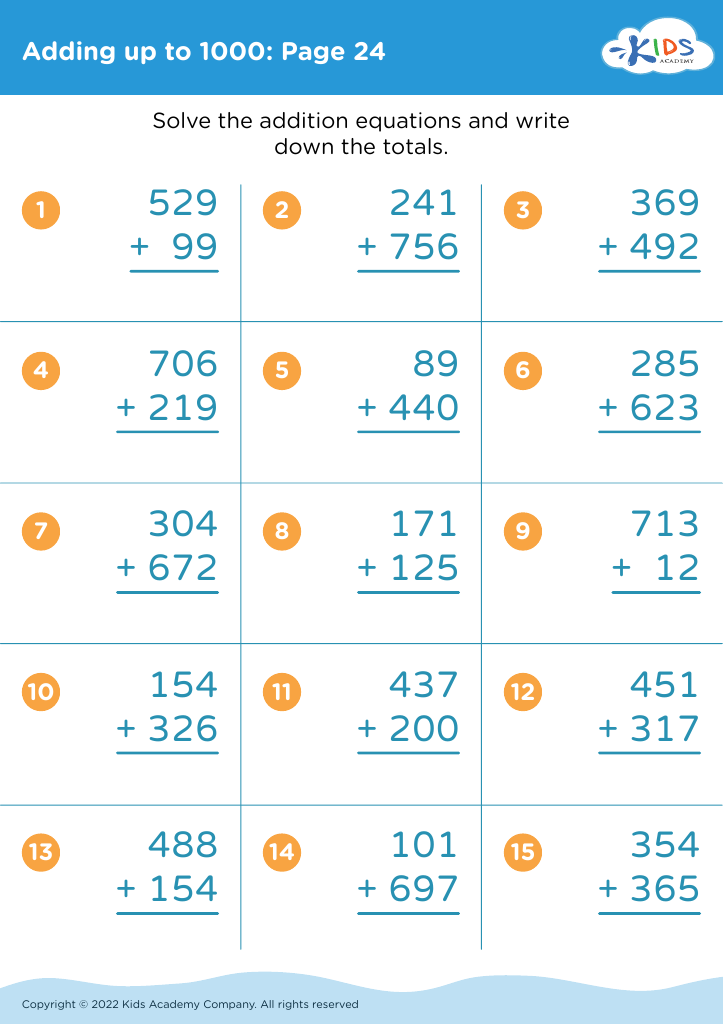
    Adding up to 1000: Page 24
    Adding up to 1000: Page 24

    Adding up to 1000: Page 24

    Adding up to 1000: Page 24
    Worksheet
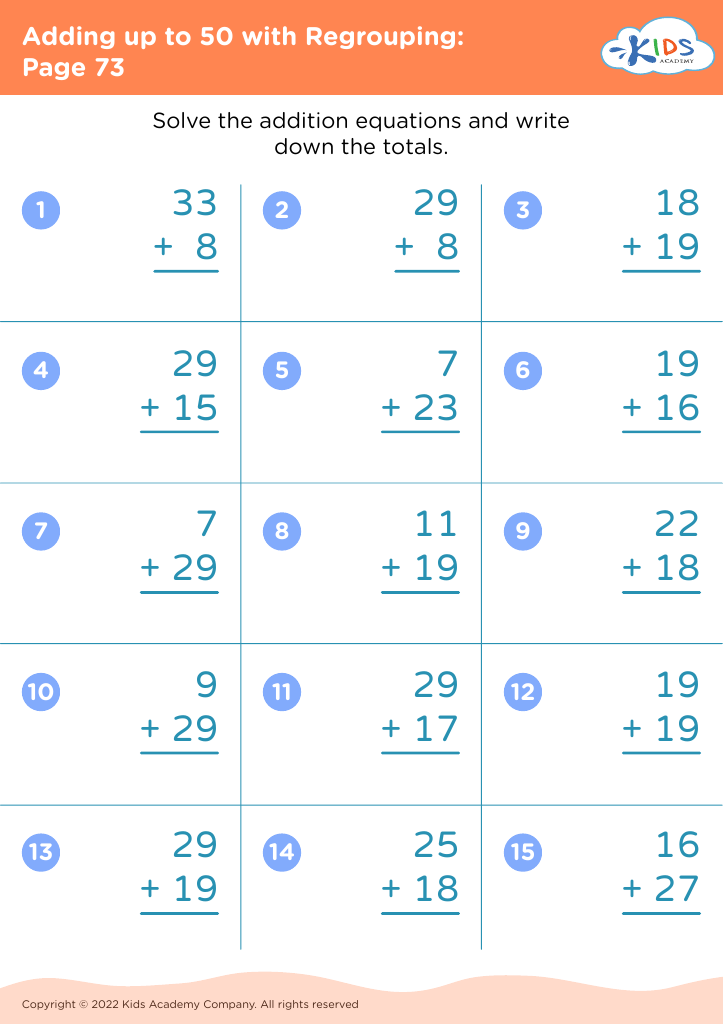
    Adding up to 50 with Regrouping: Page 73
    Adding up to 50 with Regrouping: Page 73
    Adding up to 50 with Regrouping: Page 73
    Worksheet
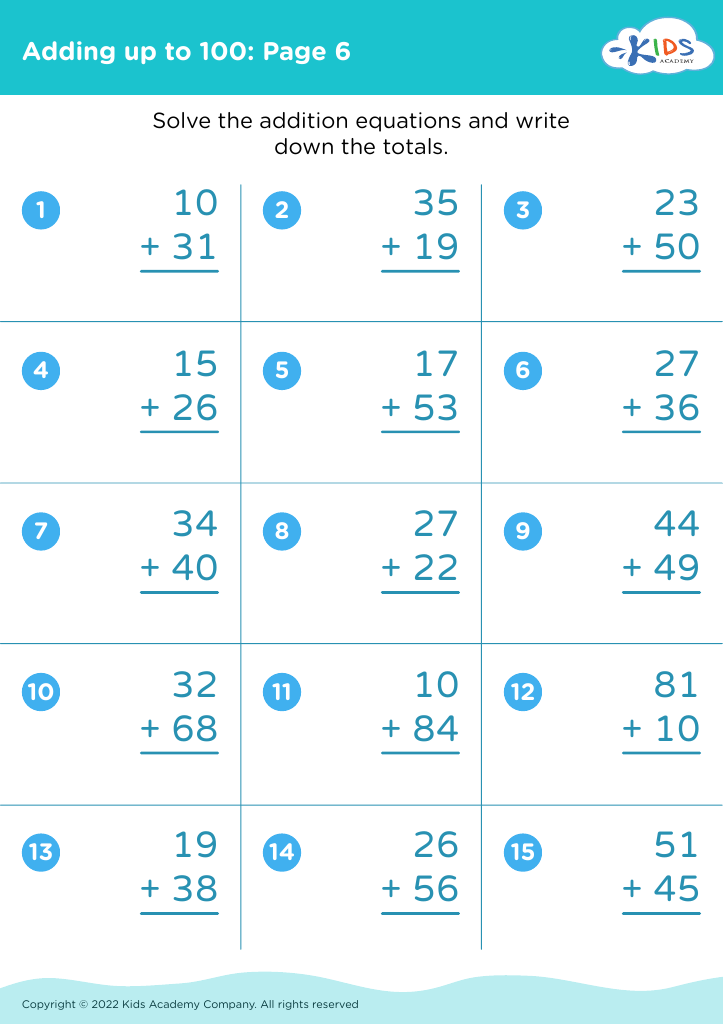
    Adding up to 100: Page 6
    Adding up to 100: Page 6

    Adding up to 100: Page 6

    Adding up to 100: Page 6
    Worksheet
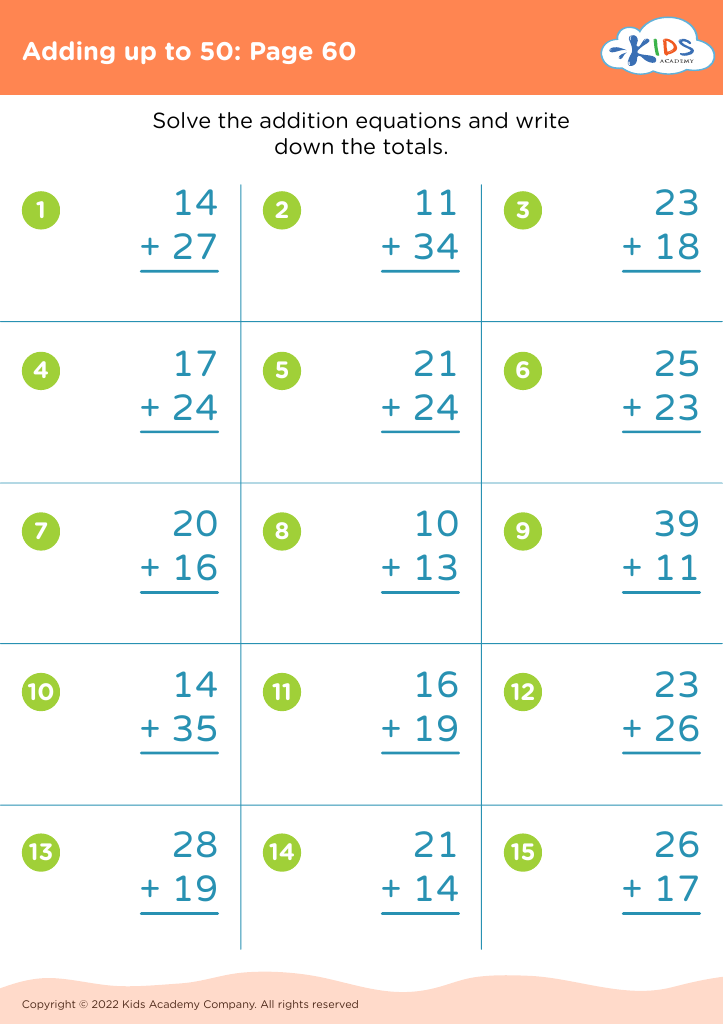
    Adding up to 50: Page 60
    Adding up to 50: Page 60

    Adding up to 50: Page 60

    Adding up to 50: Page 60
    Worksheet
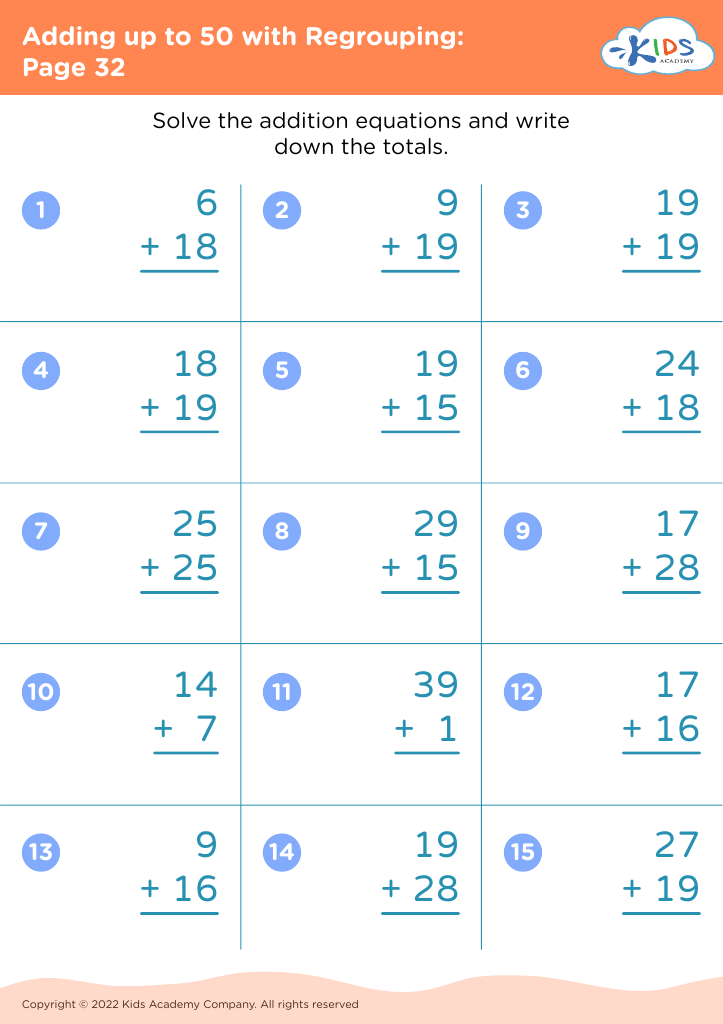
    Adding up to 50 with Regrouping: Page 32
    Adding up to 50 with Regrouping: Page 32
    Adding up to 50 with Regrouping: Page 32
    Worksheet
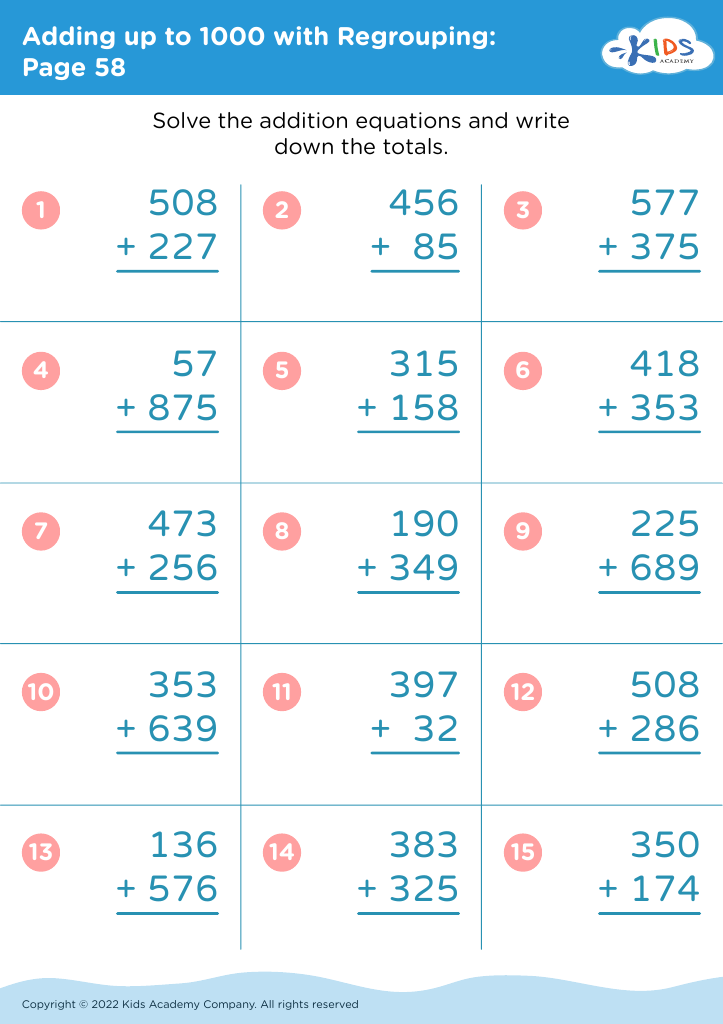
    Adding up to 1000 with Regrouping: Page 58
    Adding up to 1000 with Regrouping: Page 58
    Adding up to 1000 with Regrouping: Page 58
    Worksheet
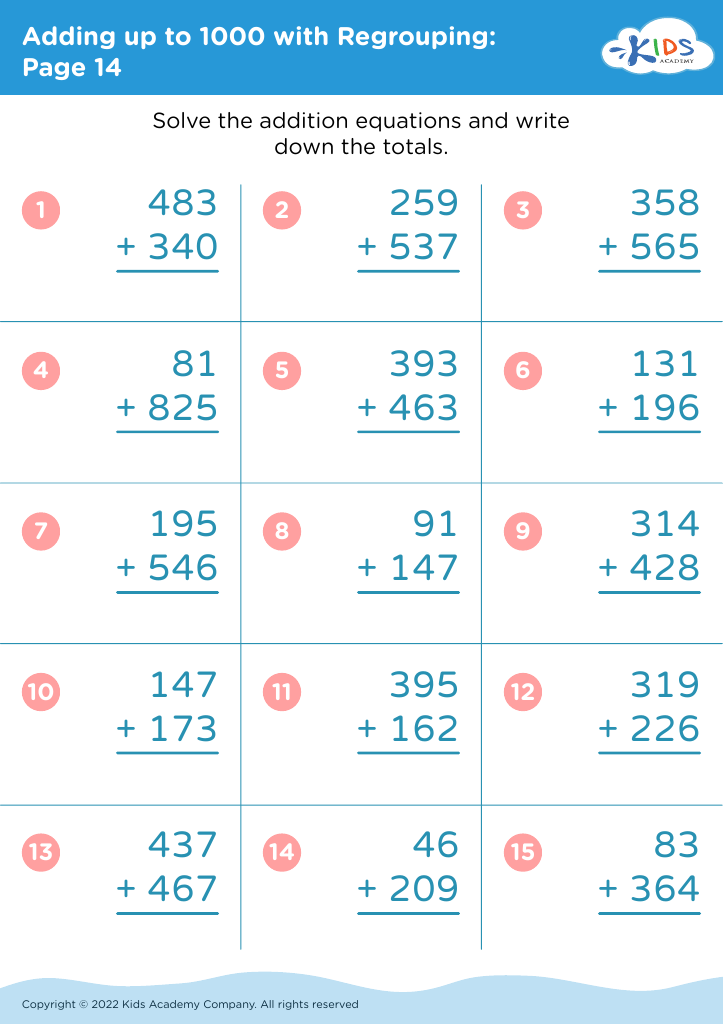
    Adding up to 1000 with Regrouping: Page 14
    Adding up to 1000 with Regrouping: Page 14
    Adding up to 1000 with Regrouping: Page 14
    Worksheet
    Adding up to 1000 Without Regrouping: Page 49
    Adding up to 1000 Without Regrouping: Page 49
    Adding up to 1000 Without Regrouping: Page 49
    Worksheet


    Fine motor skills are essential for 7-year-olds as they lay the groundwork for more complex tasks and daily life activities. Development of these skills allows children to gain greater control over small muscle movements, which are crucial for tasks such as writing, using scissors, buttoning clothes, and manipulating small objects. As children progress in their education, strong fine motor skills contribute significantly to their academic success; they enable students to participate actively in classroom activities and enhance their ability to express thoughts and ideas clearly through writing.

    Teachers and parents should care about the development of these skills because they are closely linked to cognitive growth and social-emotional learning. Engaging in activities that promote fine motor skills—like crafting, painting, or playing with building blocks—can enhance children's focus, patience, and creative problem-solving abilities. Moreover, children who struggle with fine motor skills may face frustration and decreased self-esteem, potentially leading to disengagement from school and peer interactions.

    By prioritizing fine motor skill development, caregivers can support their children's overall growth, help them build confidence, and empower them to tackle more challenging tasks both in and out of the classroom. This investment in skill development fosters independence and nurtures a lifelong love for learning.