Identifying equivalent fractions Addition Worksheets for 7-Year-Olds
7 filtered results
-
From - To
Explore our engaging Identifying Equivalent Fractions Addition Worksheets designed specifically for 7-year-olds! These interactive worksheets help young learners master the concept of equivalent fractions while practicing their addition skills. Each activity is thoughtfully crafted to enhance understanding through colorful visuals and fun exercises. Kids will enjoy identifying fractions that are equal in value, reinforcing their math skills in a playful manner. Perfect for classroom use or at-home practice, these worksheets support the development of critical thinking skills and boost confidence in math. Give your child a fun learning experience as they become adept at recognizing and adding equivalent fractions!
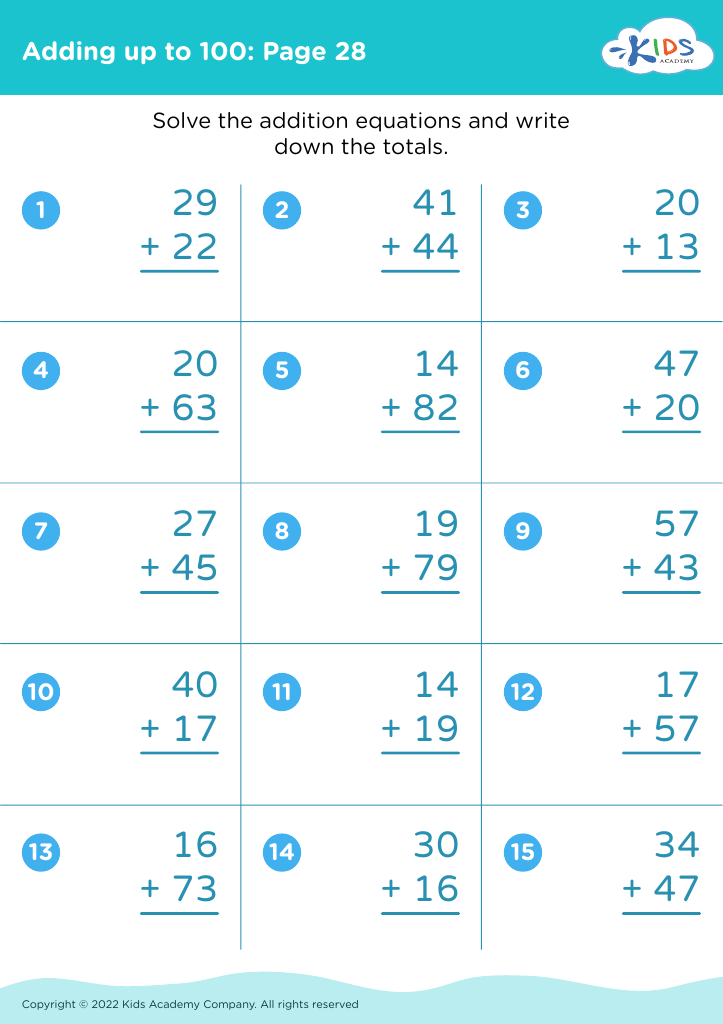
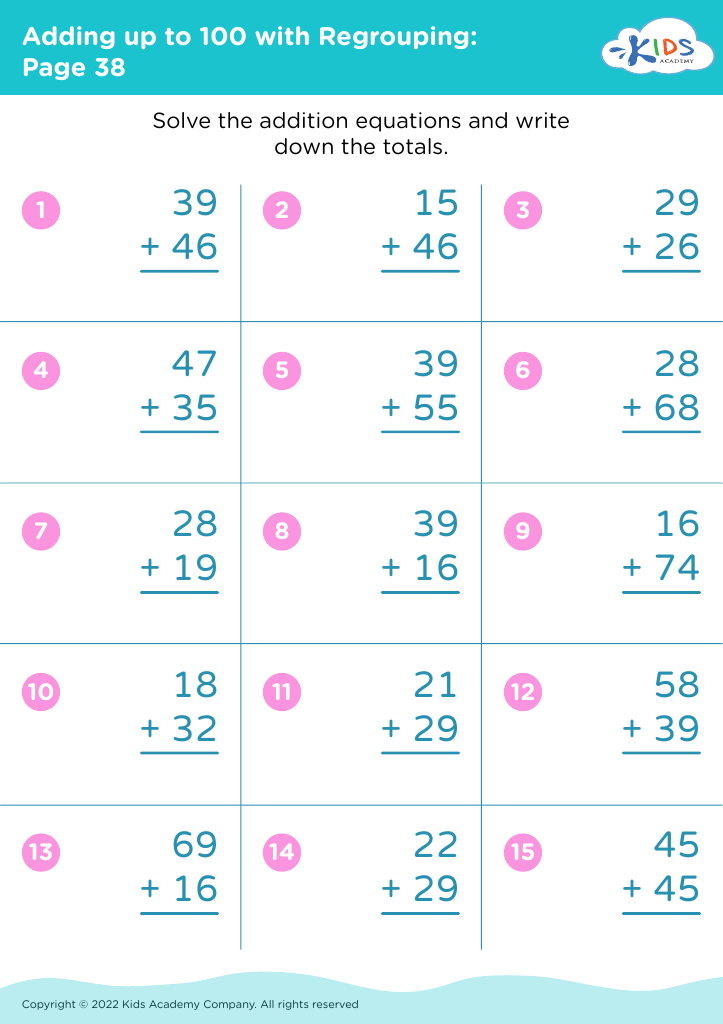
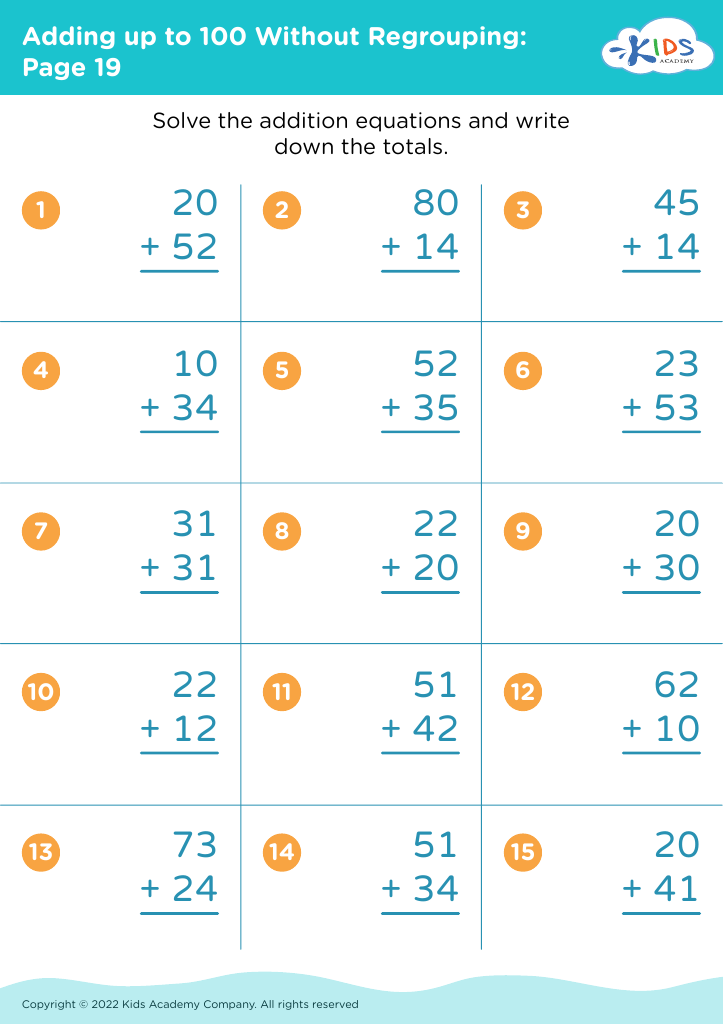
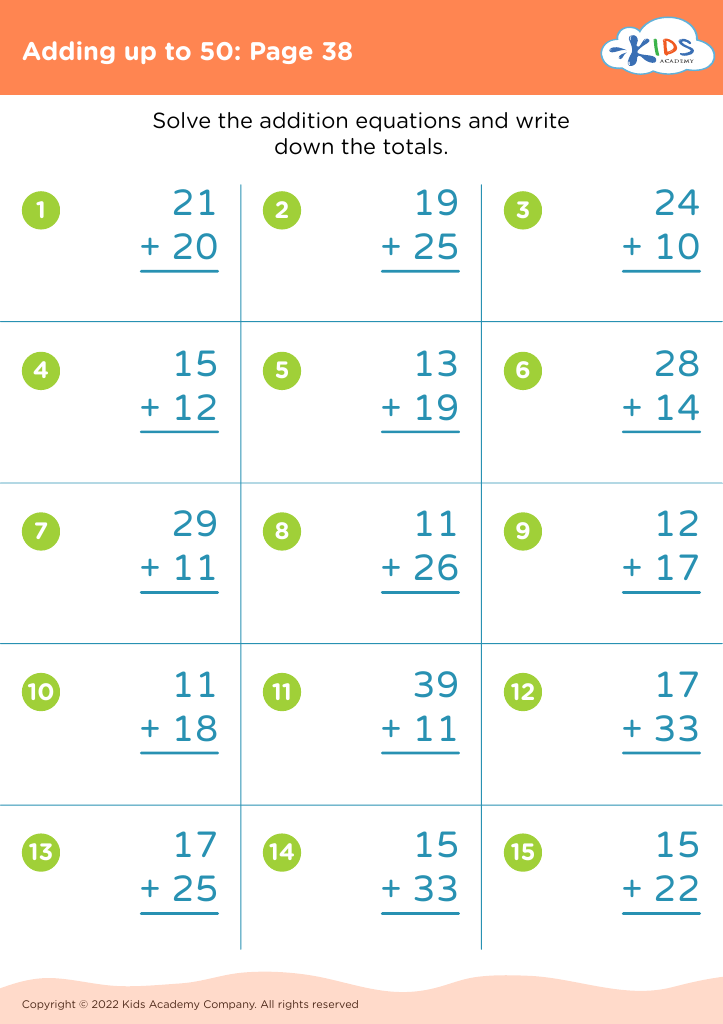
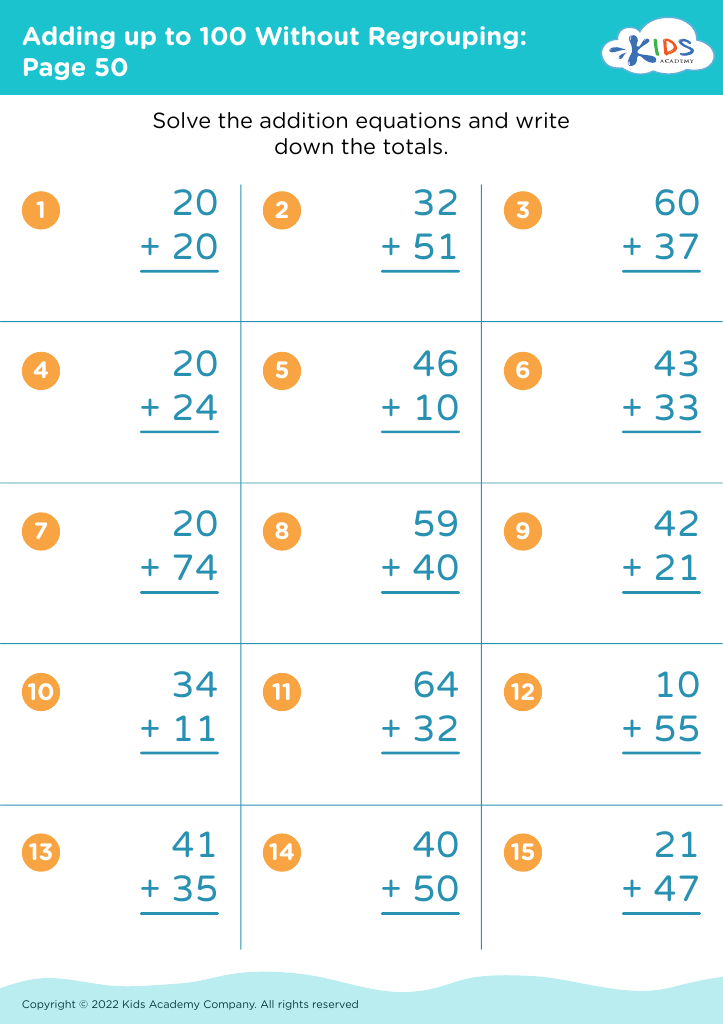
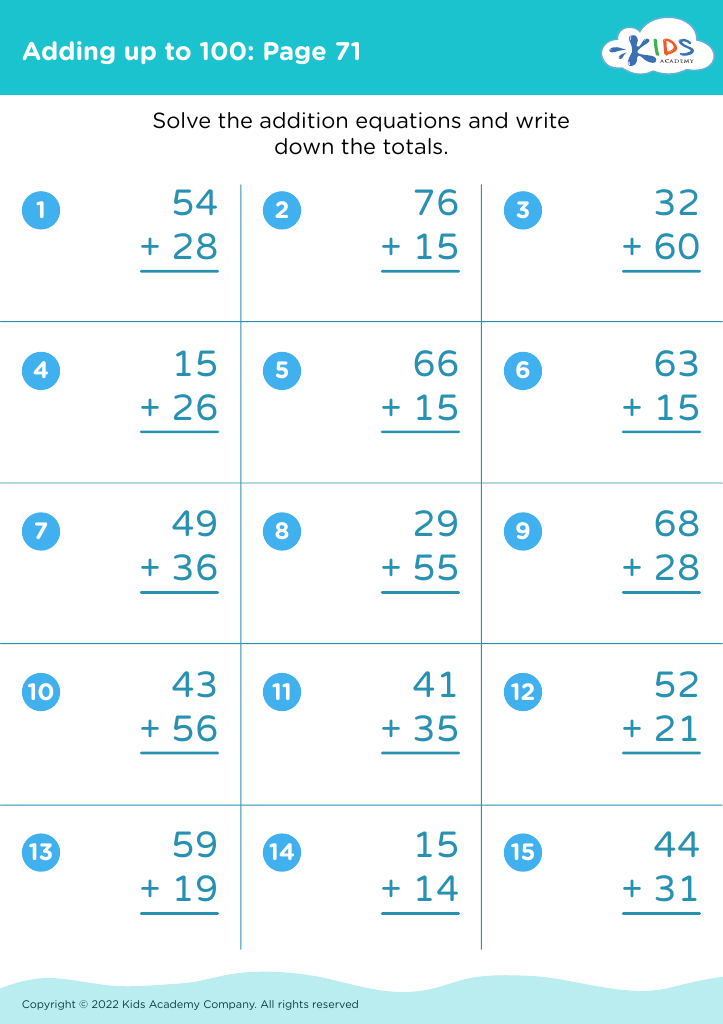
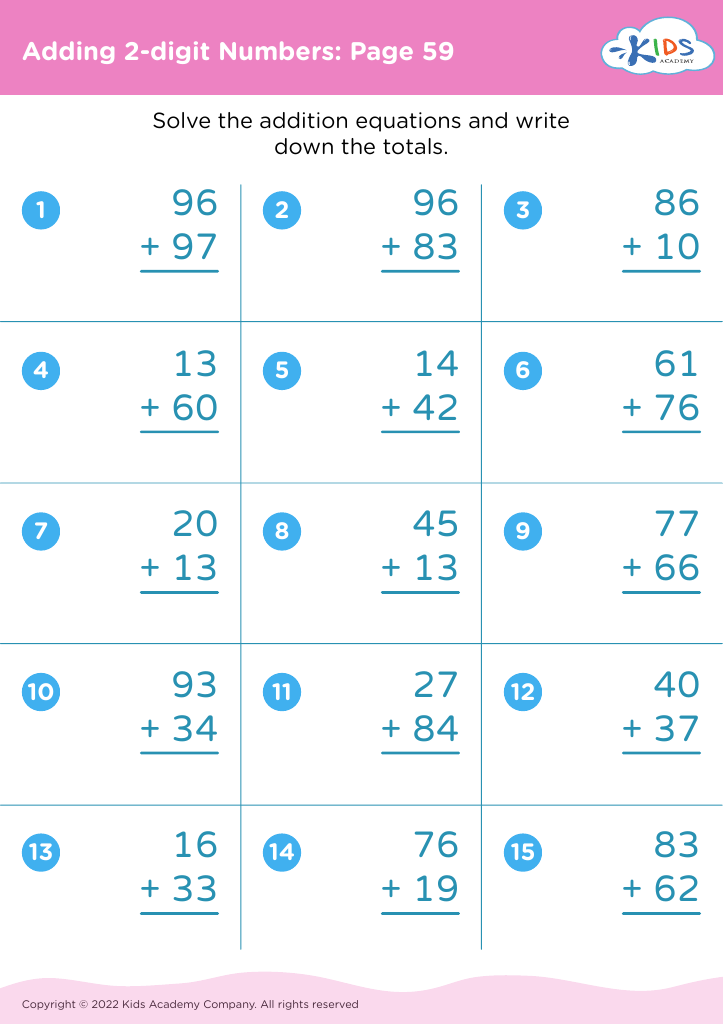








Identifying equivalent fractions and understanding their addition is essential for 7-year-olds as it lays the groundwork for critical mathematical concepts they will engage with in later grades. Recognizing equivalent fractions helps children comprehend the relationship between different fractions, fostering better number sense. This understanding not only enhances their ability to add fractions but also aids in comparing, simplifying, and finding common denominators—skills useful in various mathematical contexts.
Moreover, mastering these skills at an early age boosts children's confidence in math, encouraging a positive attitude towards problem-solving. When parents and teachers emphasize equivalent fractions, they promote deeper insights into fractions, transforming abstract concepts into tangible understanding. Engaging children through hands-on activities and visual aids can make learning enjoyable and relatable.
Additionally, fostering an environment that values academic engagement helps children develop perseverance and critical thinking skills. When children grasp the concept of equivalent fractions, it improves their overall mathematical fluency, preparing them for more advanced topics in future grades. Parents and teachers' guidance in this foundational topic can significantly impact a child's educational trajectory, promoting long-term success in mathematics and beyond. By prioritizing this learning, we are investing in a child's intellectual growth and problem-solving skills.








