Mental math skills Addition Worksheets for 7-Year-Olds
6 filtered results
-
From - To
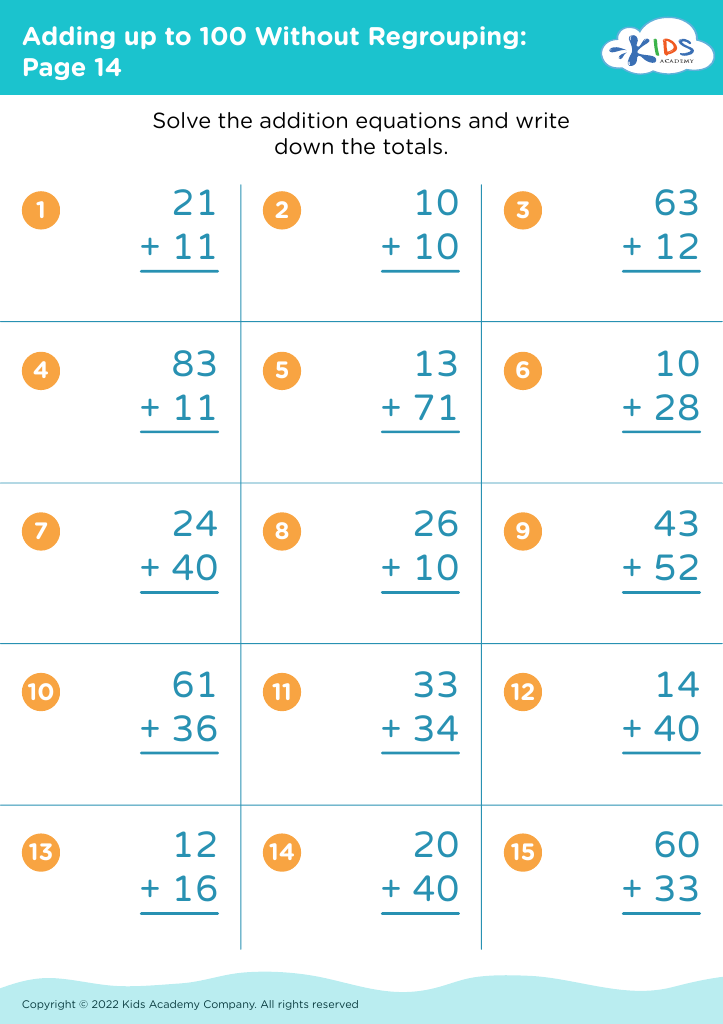
Boost your 7-year-old's math confidence with our engaging Mental Math Skills Addition Worksheets! Designed to enhance mental calculation abilities, these worksheets encourage quick thinking and problem-solving without the need for a calculator. Your child will practice adding numbers in various inspiring formats, from fun puzzles to real-life scenarios, ensuring learning remains enjoyable. Tailored to align with common core standards, these resources help foundation building in math. Perfect for classroom use or at-home practice, our worksheets facilitate self-paced learning, allowing kids to build essential addition skills while having fun. Equip your child with the tools for lifelong success in mathematics today!
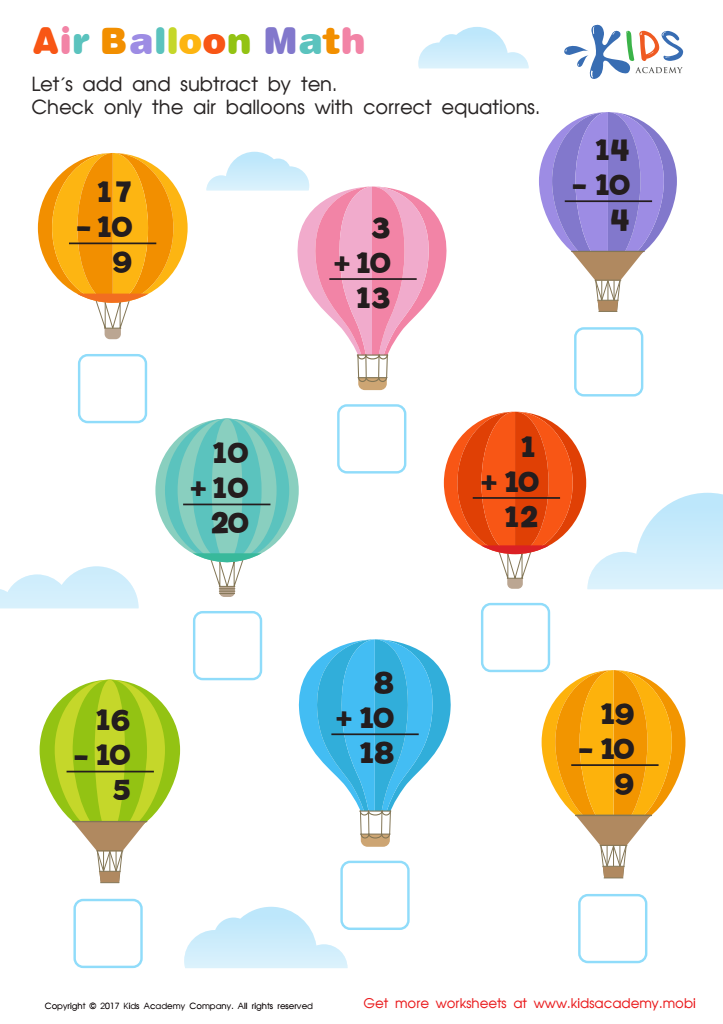
Air Balloon Math Worksheet
 Assign to My Students
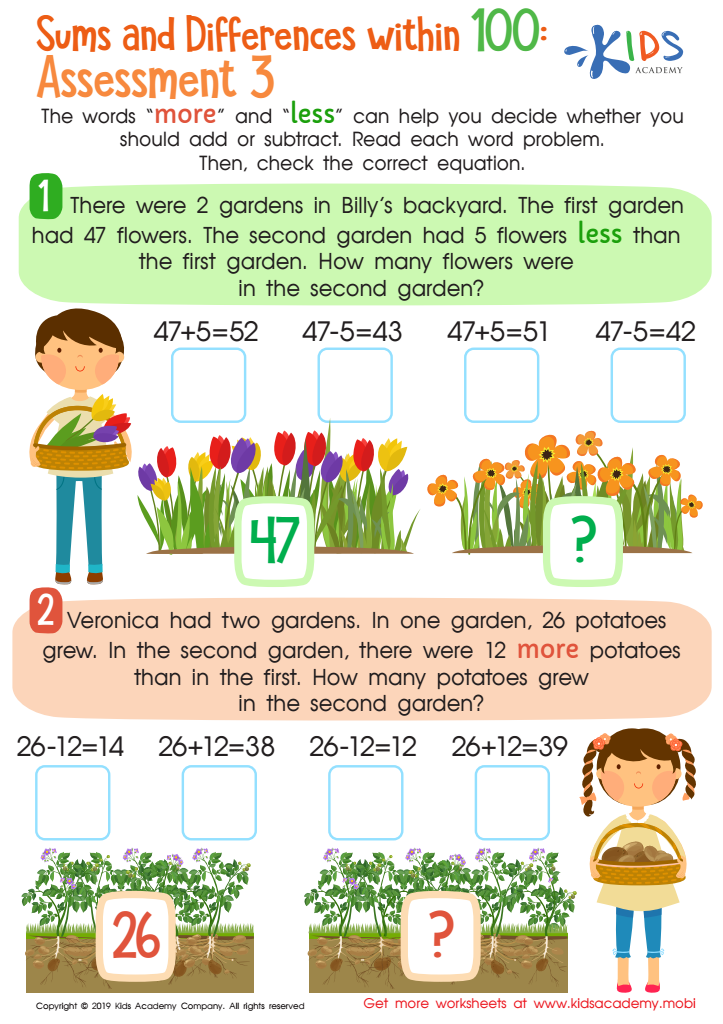
Sums and Differences Within 1 - Assessment 1 Worksheet
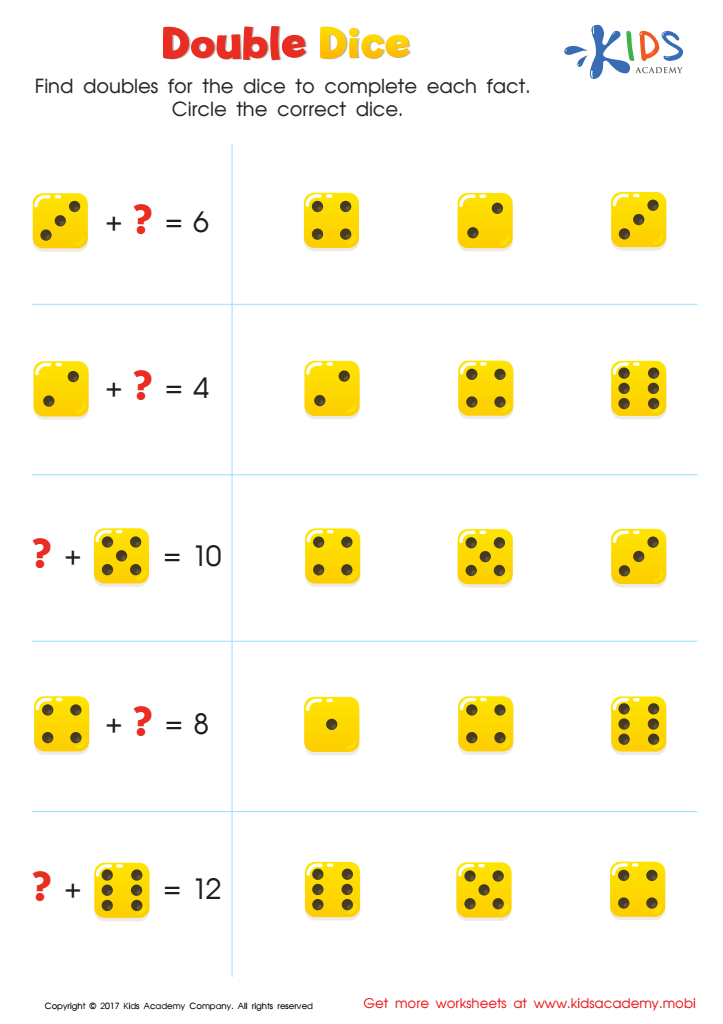
Addition Facts: Double Dice Worksheet
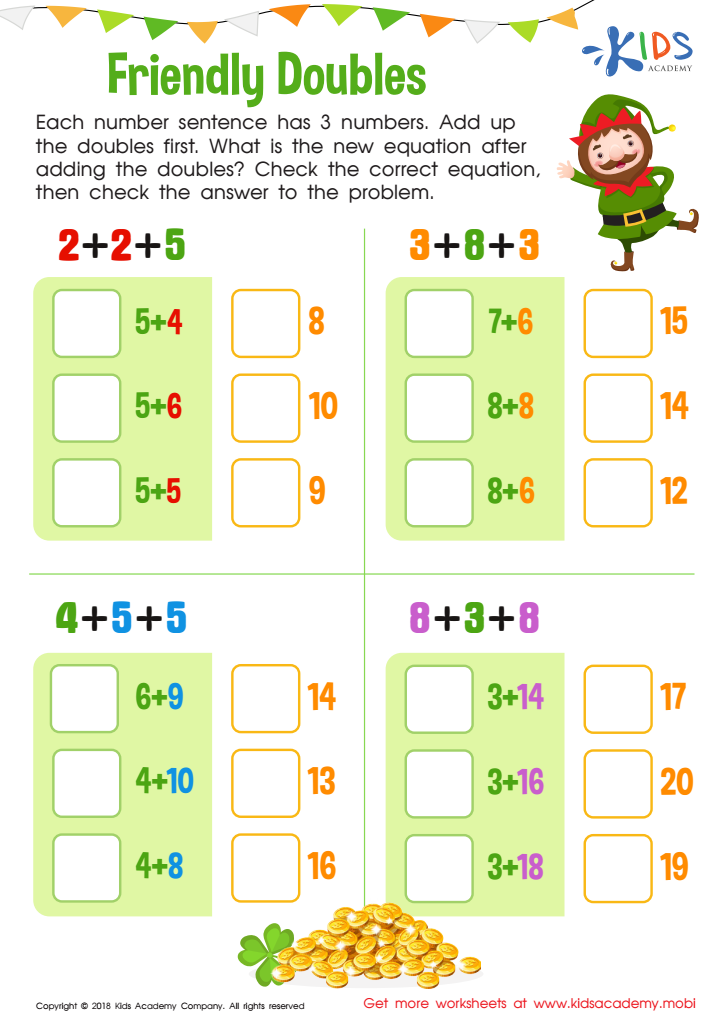
Friendly Doubles Worksheet
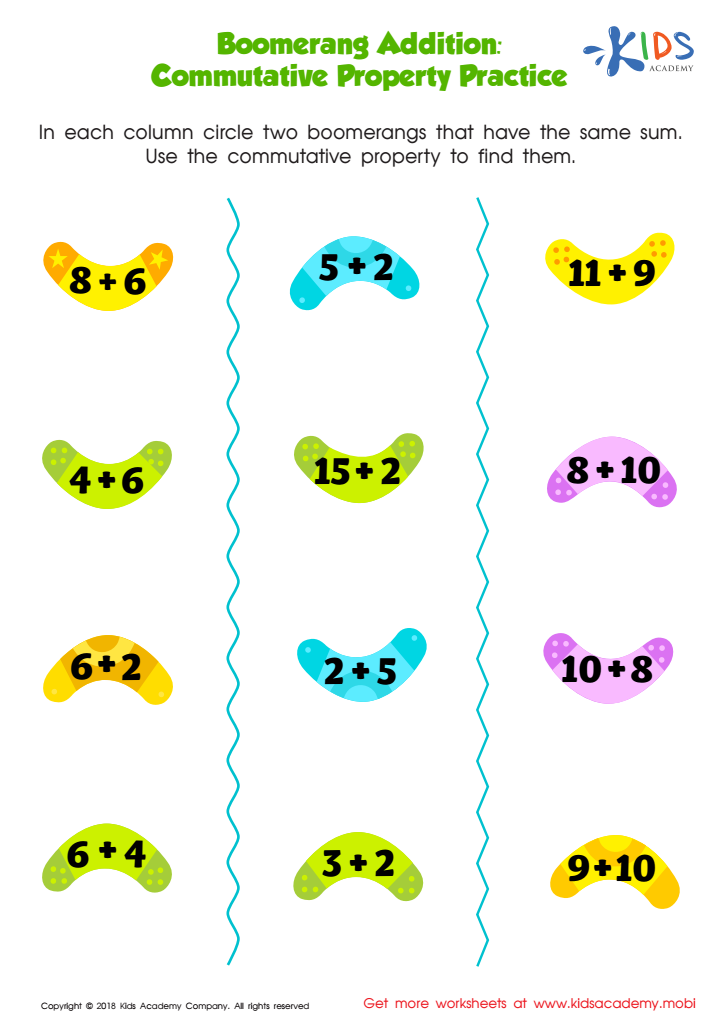
Boomerang Addition Worksheet



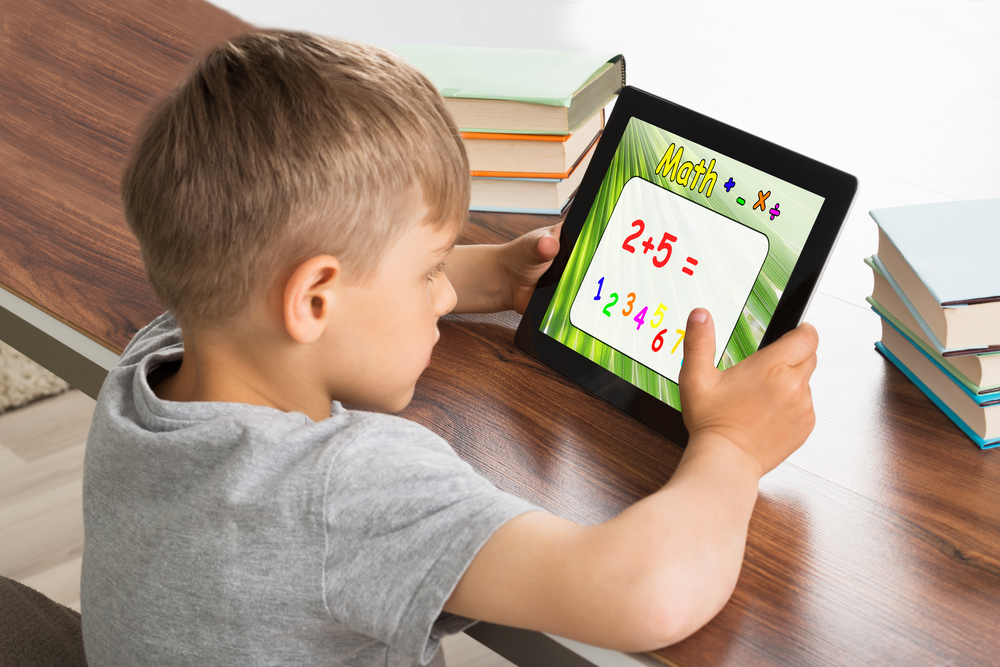



Mental math skills, particularly in addition, are crucial for 7-year-olds as they form the foundation for future mathematical understanding. Parents and teachers should care about cultivating these skills for several reasons.
Firstly, mental math enhances cognitive development. It encourages children to visualize problems, improving their problem-solving and analytical skills. Quick addition in their heads aids memory retention and strengthens overall cognitive function.
Secondly, strong mental math skills foster confidence in young learners. When children can quickly and accurately perform addition without relying on external tools, they feel a sense of accomplishment. This confidence translates into a positive attitude towards mathematics, making them likelier to engage with more complex concepts in the future.
Moreover, mental math is practical. Children apply these skills not just in school but in everyday situations, like estimating change when shopping or calculating time for daily activities.
Finally, in an increasingly technology-driven world, mental math promotes independent thinking. It empowers children to trust their instincts and abilities rather than depending solely on calculators. By prioritizing mental math skills, parents and teachers equip children with essential tools for success, both academically and in life.








