Shape Recognition Addition Worksheets for 7-Year-Olds - Page 2
31 filtered results
-
From - To
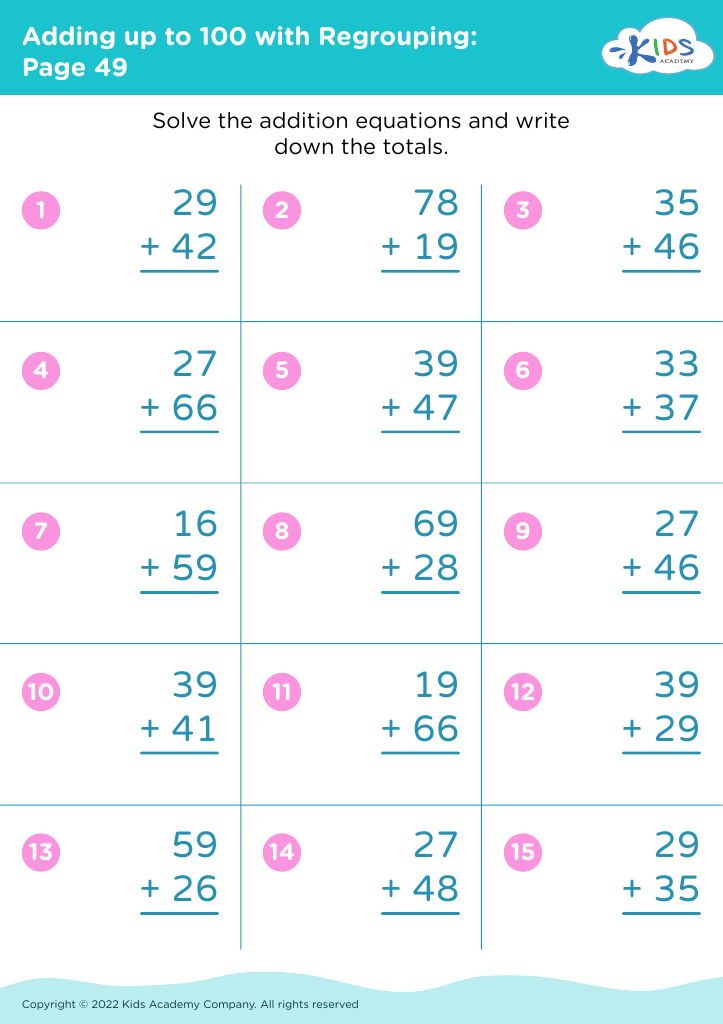
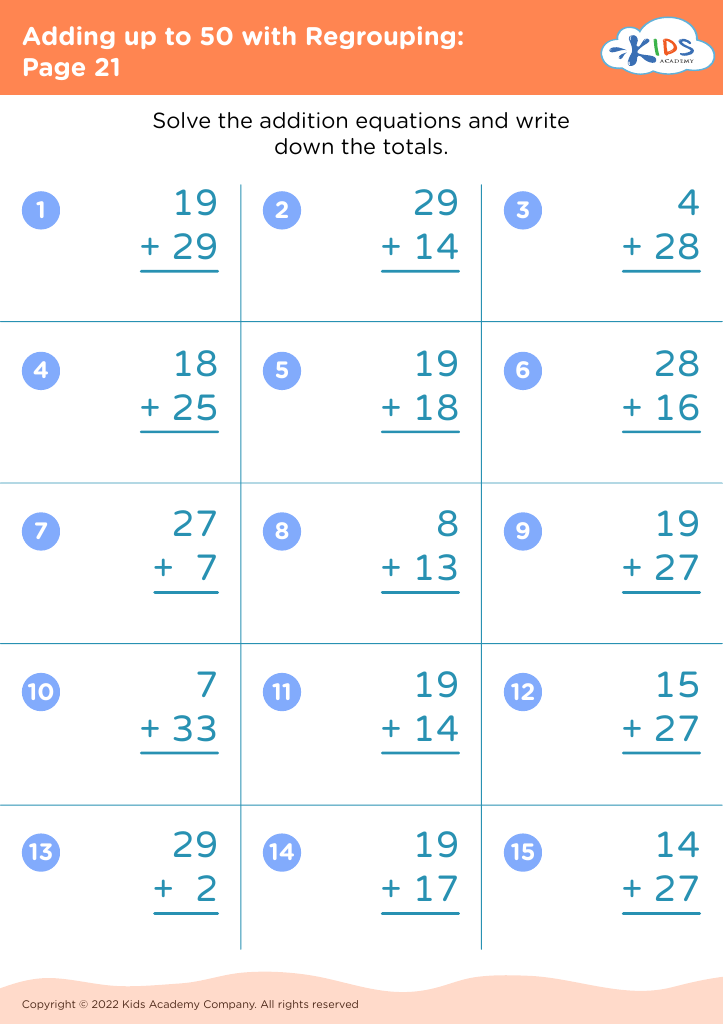
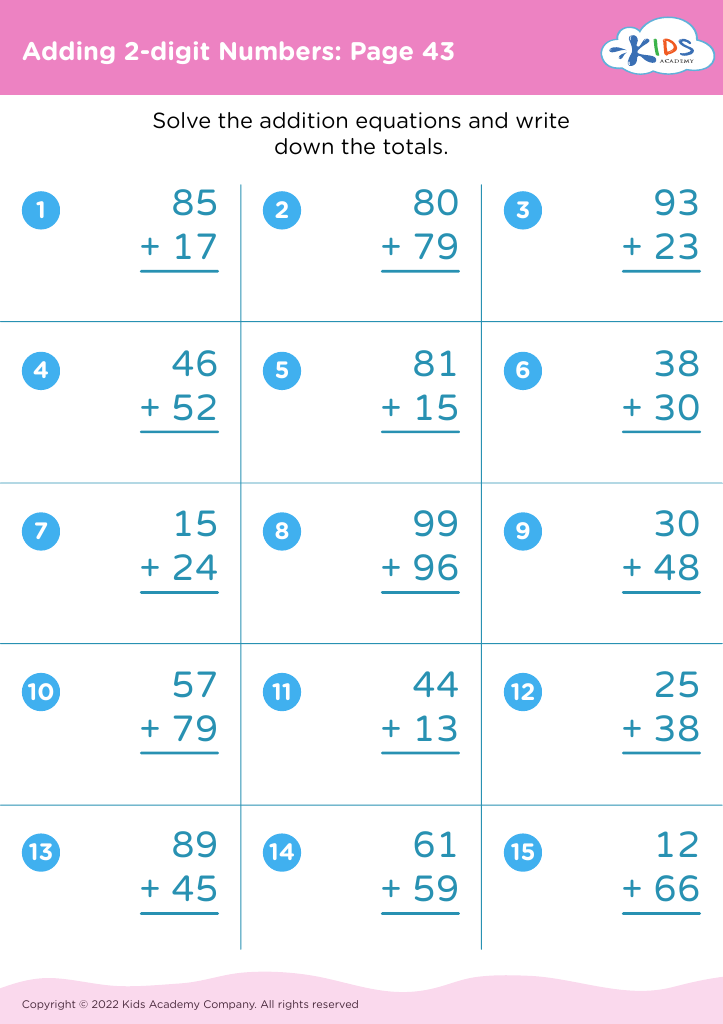
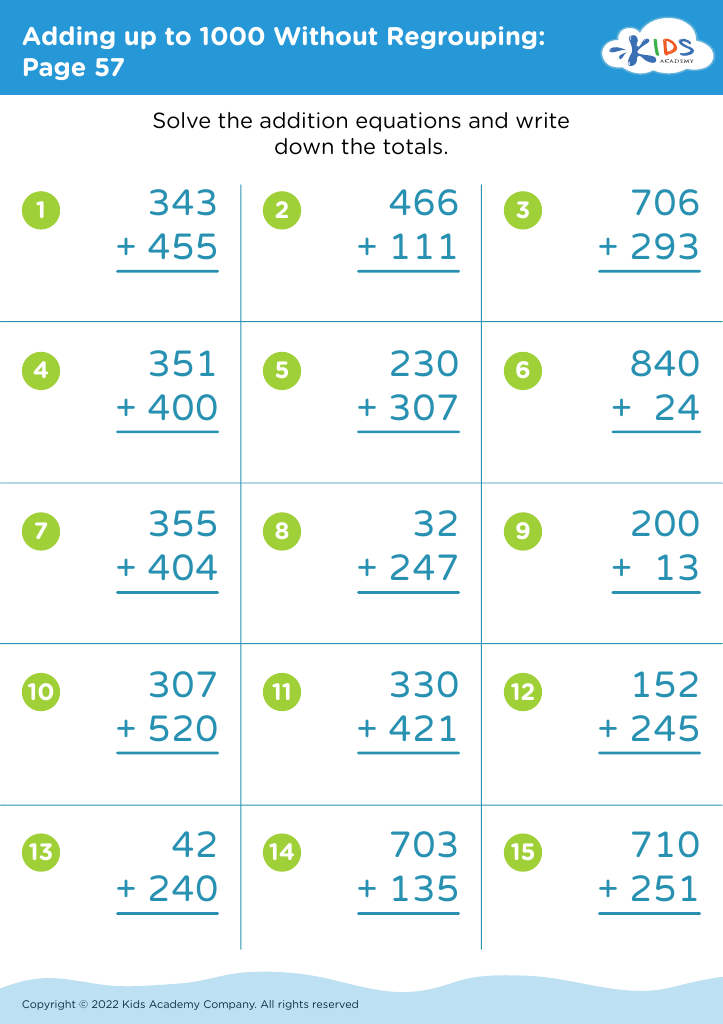
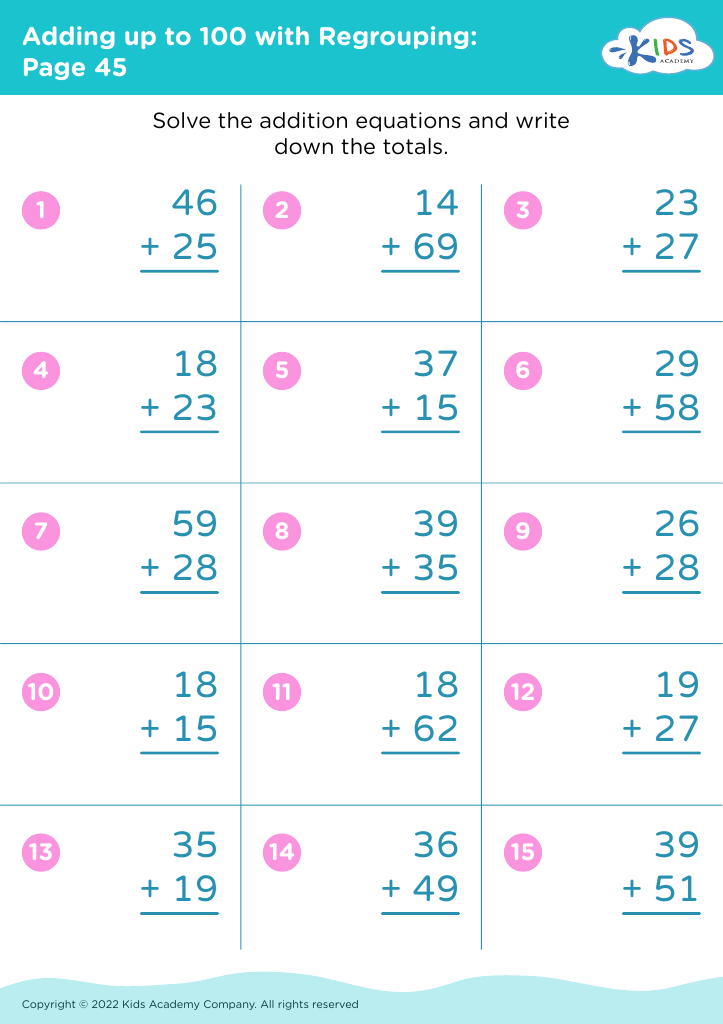
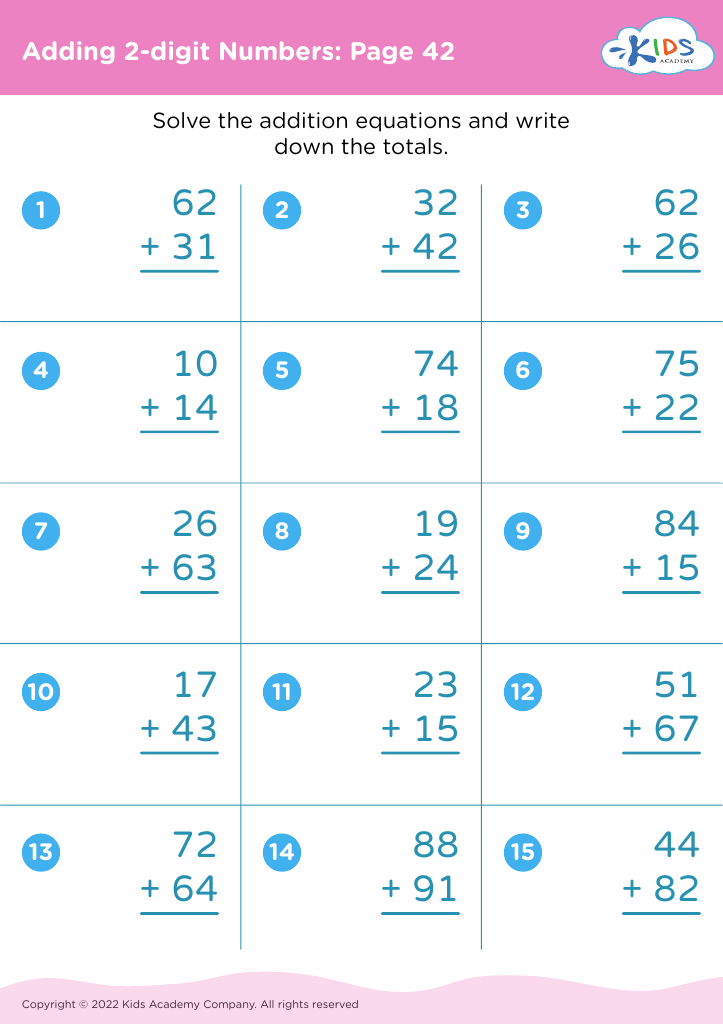
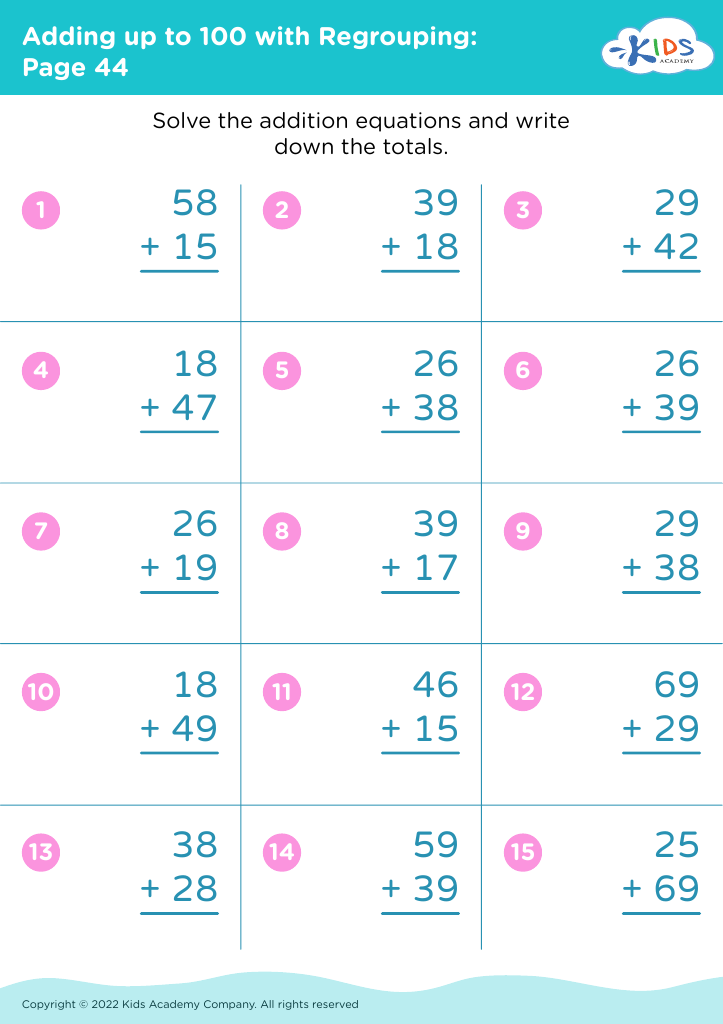








Parents and teachers should prioritize shape recognition and addition skills for 7-year-olds because these foundational abilities significantly influence a child's overall cognitive development. Shape recognition enhances spatial awareness, critical for problem-solving and later math concepts. When children identify and categorize shapes, they engage their analytical thinking, which fosters a deeper understanding of geometry and aids in visual learning.
Small-scale addition activities using shapes not only make learning enjoyable but also reinforce mathematical concepts in a tangible way. Through hands-on activities, children can physically manipulate shapes while grasping numerical relationships, making abstract concepts more concrete. This active engagement strengthens memory retention, as practical experiences often lead to better understanding.
Moreover, developing these skills at a young age builds confidence and lays the groundwork for future success in math. As children learn to combine shapes through addition, they also improve their fine motor skills and hand-eye coordination. Additionally, incorporating shapes into games can promote teamwork and social skills.
In conclusion, fostering shape recognition and addition empowers children academically and socially, setting them up for continued success in their educational journey and fostering a lifelong love for learning. Parents and teachers have a crucial role in nurturing these competencies to support holistic development.








