Time conversion skills Addition Worksheets for 7-Year-Olds
3 filtered results
-
From - To
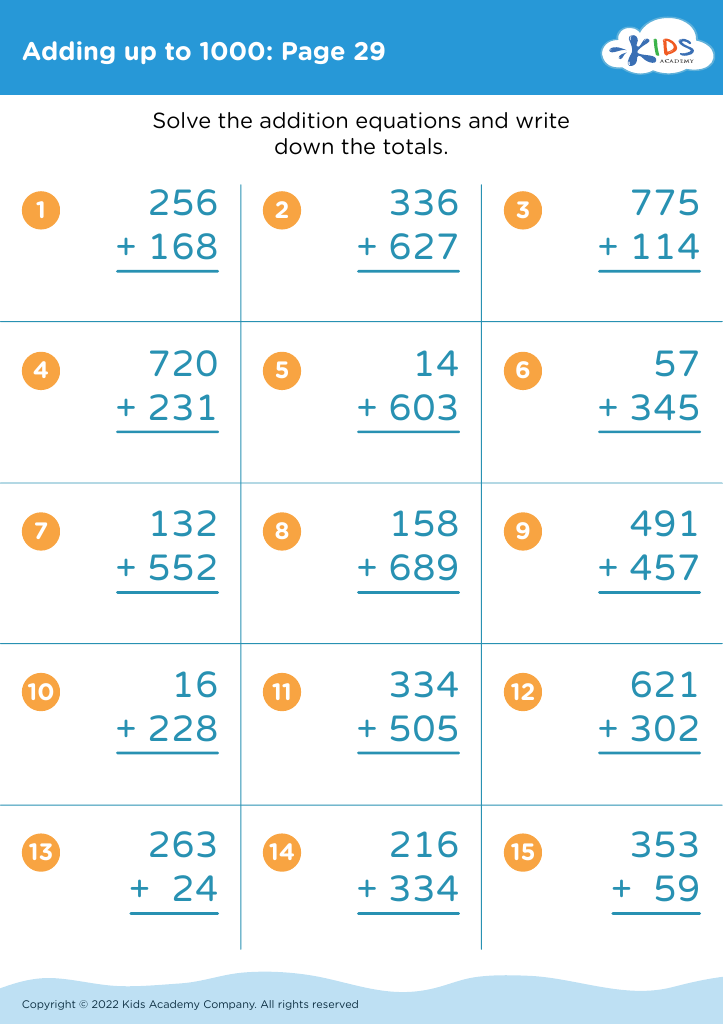
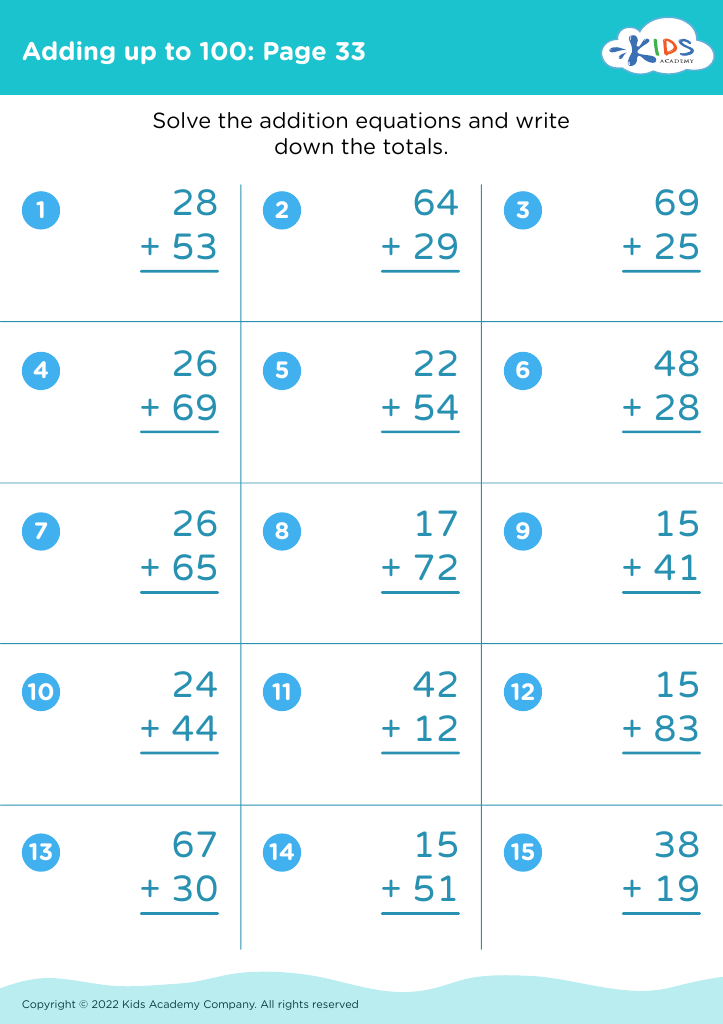
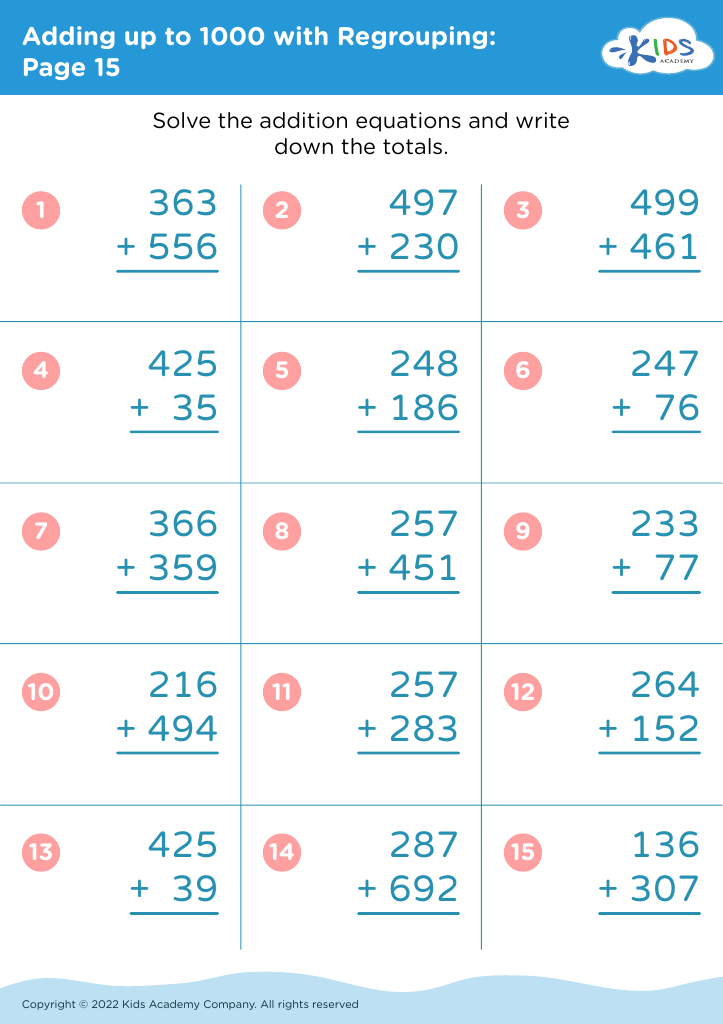
Introducing our "Time Conversion Skills Addition Worksheets" tailored for 7-year-olds! These engaging, educational worksheets are designed to help young learners master the concept of time through fun addition exercises. By converting units of time and solving addition problems, children will not only improve their math skills but also their understanding of hours, minutes, and seconds. Each worksheet features colorful illustrations and easy-to-follow instructions, making learning delightful and effective. Perfect for classroom use or at-home practice, our worksheets support kids in building a solid foundation in both time management and essential arithmetic. Start your child’s journey to time proficiency today!



.jpg)




Time conversion skills and addition are fundamental aspects of a child's early education, and parents and teachers should prioritize them for several compelling reasons.
Firstly, mastering time conversion and addition bolsters a child’s mathematical foundation. These skills foster numeracy, an essential life skill that transcends academic achievements and becomes vital in everyday tasks.
Time-related exercises teach children how to read clocks, understand schedules, and grasp the passage of time. By converting hours to minutes or performing time-related addition, kids develop better time management and organization skills. This ability to plan and structure their day not only enhances their academic performance but also builds habits that contribute to lifelong productivity.
Moreover, learning to convert time and perform addition exercises improves cognitive skills such as problem-solving, logical reasoning, and mental arithmetic. These activities necessitate strategic thinking and the application of learned concepts, thus stimulating brain development and critical thinking abilities.
Incorporating time conversion exercises also makes learning interactive and relevant. By relating mathematical problems to real-world scenarios—such as understanding elapsed time between activities—children perceive learning as both meaningful and practical.
Overall, investing in the development of these skills at a young age offoutiunda future academic success and equips children with essential tools to navigate daily life efficiently.








