
Understand multiplication Addition Worksheets for 7-Year-Olds
6 filtered results
Difficulty Level
Grade
Age
-
From - To
Subject
Activity
Standards
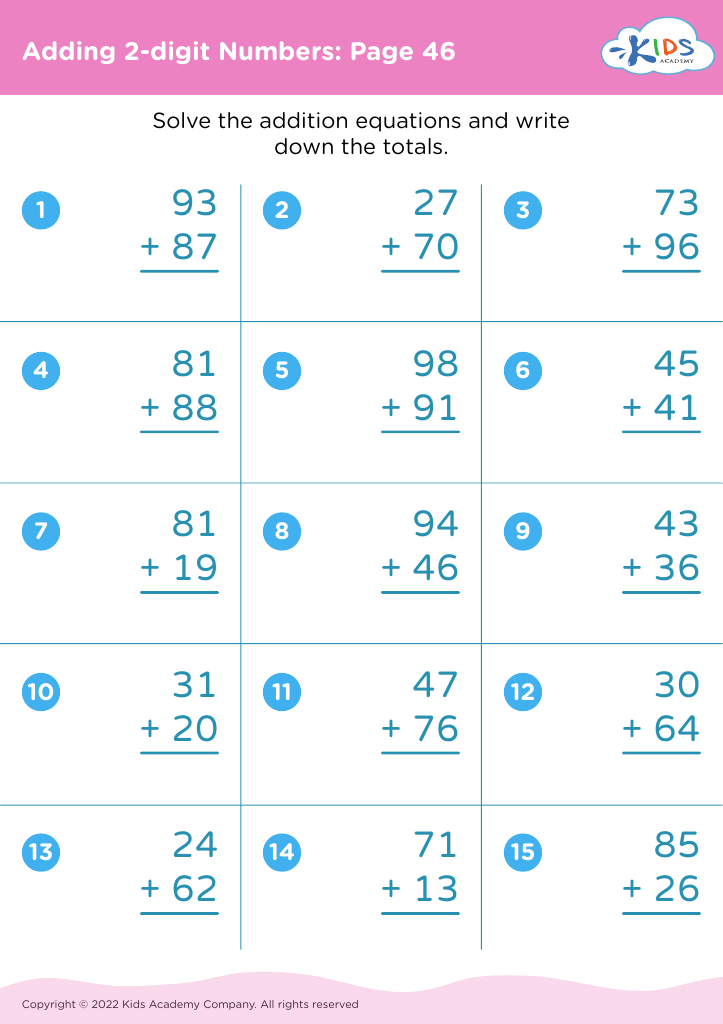
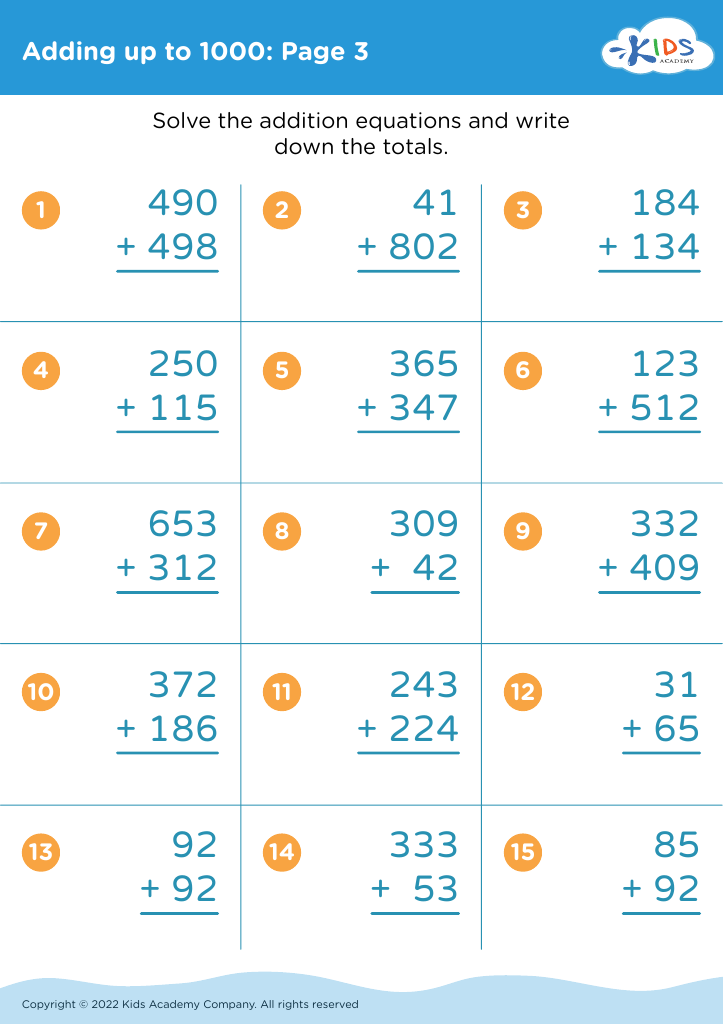
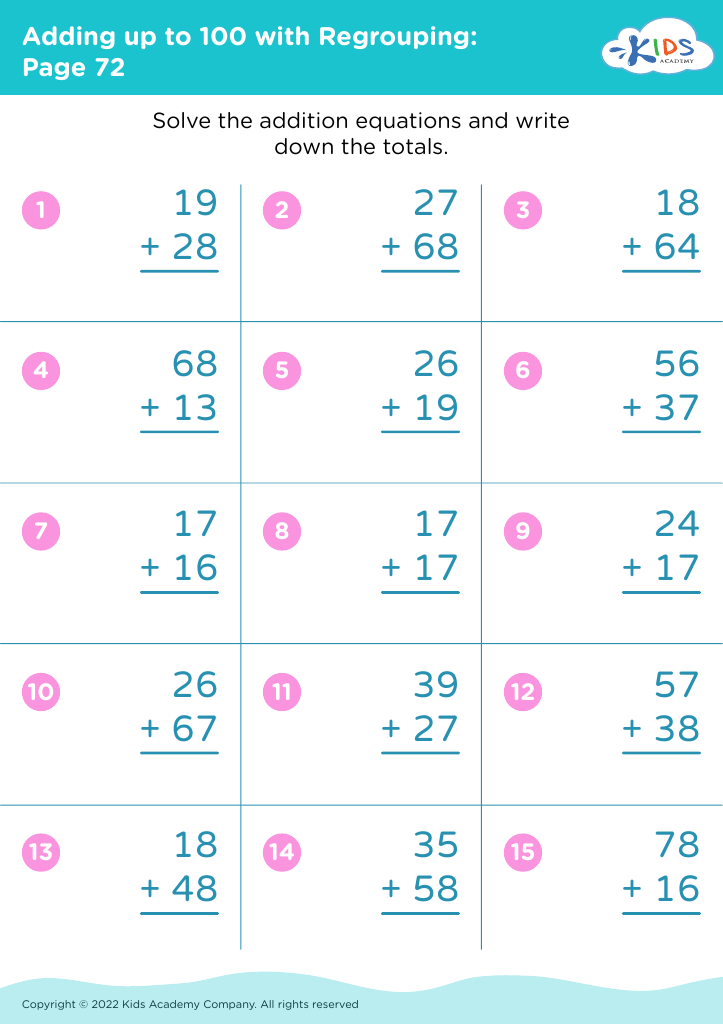
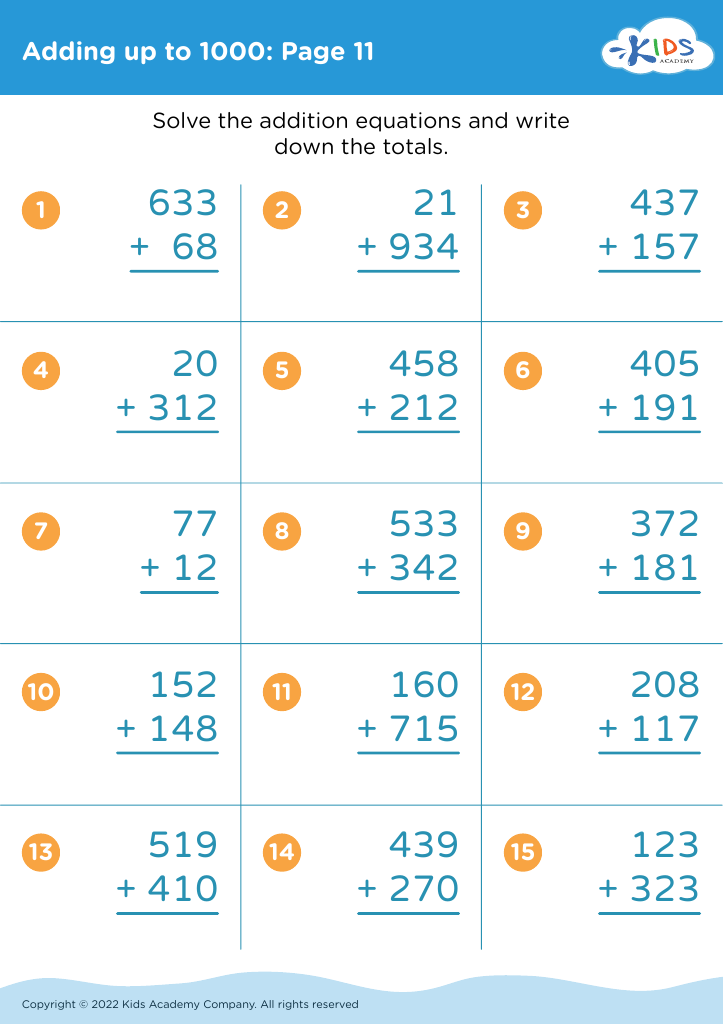
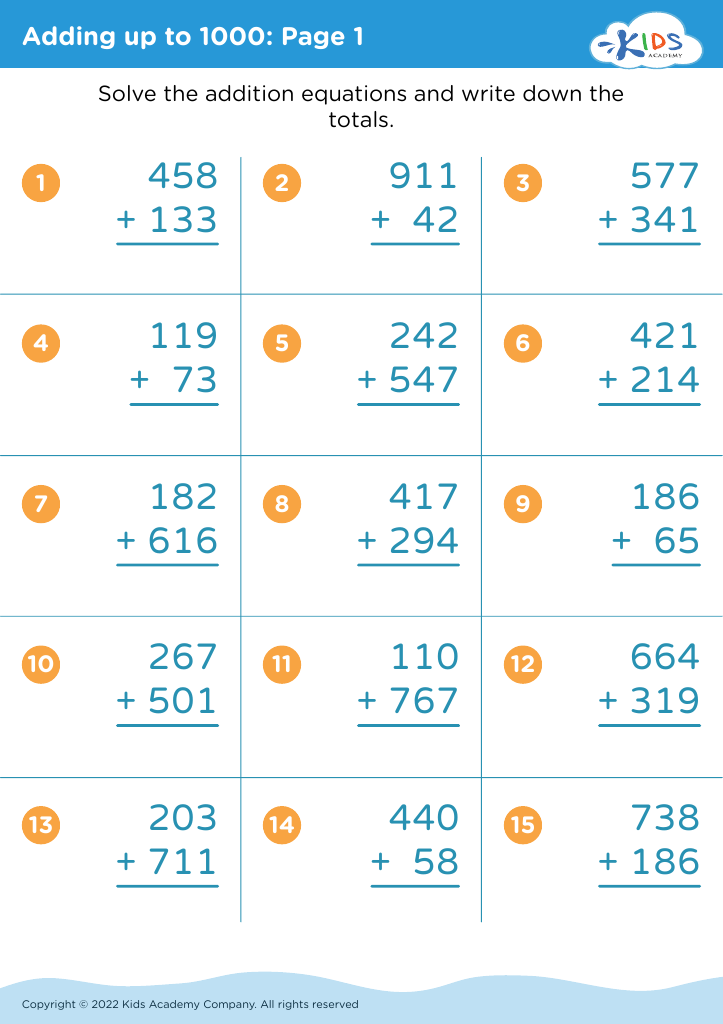
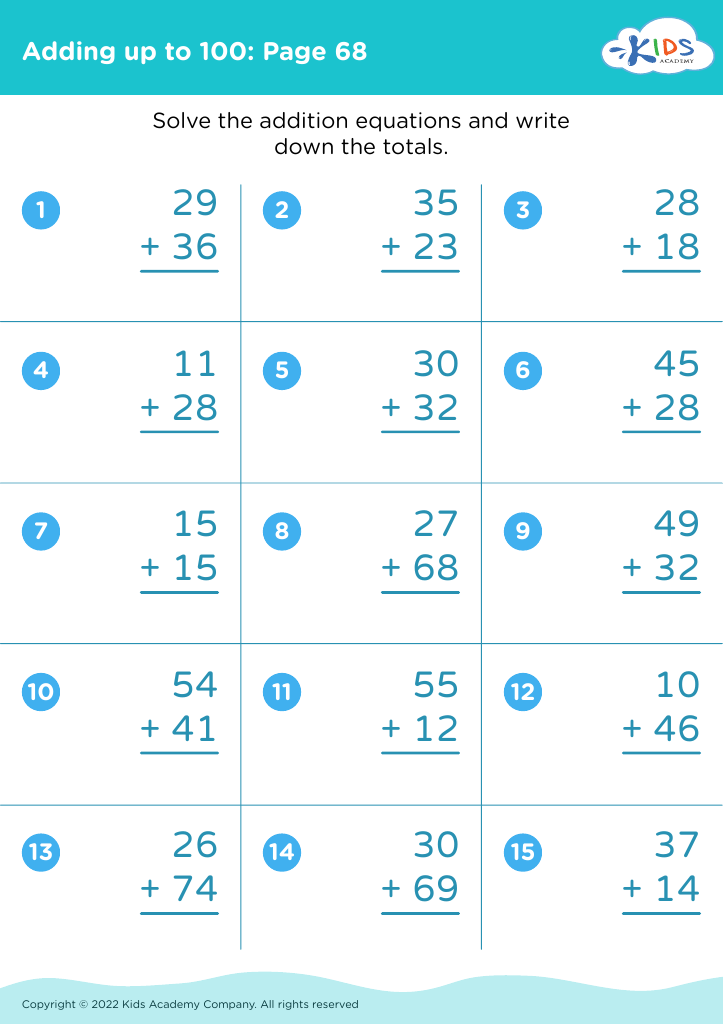
Discover the "Understand Multiplication Addition Worksheets" designed specifically for 7-year-olds, available at Kids Academy! These engaging and educational worksheets provide young learners with a foundational grasp of multiplication through the lens of addition. By linking the two concepts, our resources make it easier for children to visualize and comprehend how multiplication is essentially repeated addition. With clear instructions and colorful illustrations, these worksheets help enhance problem-solving skills and boost confidence. Perfect for home or classroom use, these materials offer invaluable practice to support your child’s math journey, ensuring they develop a solid understanding of essential mathematical principles. Explore now!
Favorites
With answer key
Interactive
Join Kids Academy for Free
Who is primarily going to use this learning content?








Understanding multiplication and addition is crucial for 7-year-olds as these foundational skills directly impact their future learning and daily life. At this age, children are transitioning from simple arithmetic to more complex mathematical concepts. Mastering addition sets the groundwork for multiplication, which is essentially repeated addition. By fostering a strong grasp of these operations, parents and teachers can help children develop problem-solving skills, critical thinking, and number sense.
In addition, these skills provide practical benefits in everyday situations, such as handling money or time management. Engaging students in fun, interactive ways—like games and real-world scenarios—can enhance their enthusiasm and motivation. This approach not only fosters a lifelong interest in mathematics but also builds confidence, decreasing math anxiety that some students experience.
Furthermore, knowledge of addition and multiplication is vital in various subjects beyond math, influencing areas like science and economics. By nurturing these skills, parents and teachers can pave the way for academic success, helping students to think logically and systematically. Ultimately, caring about how well children understand these core concepts contributes to their overall development and prepares them for increasingly complex mathematical challenges in the future.








