Comparing objects Math Worksheets for 7-Year-Olds
3 filtered results
-
From - To
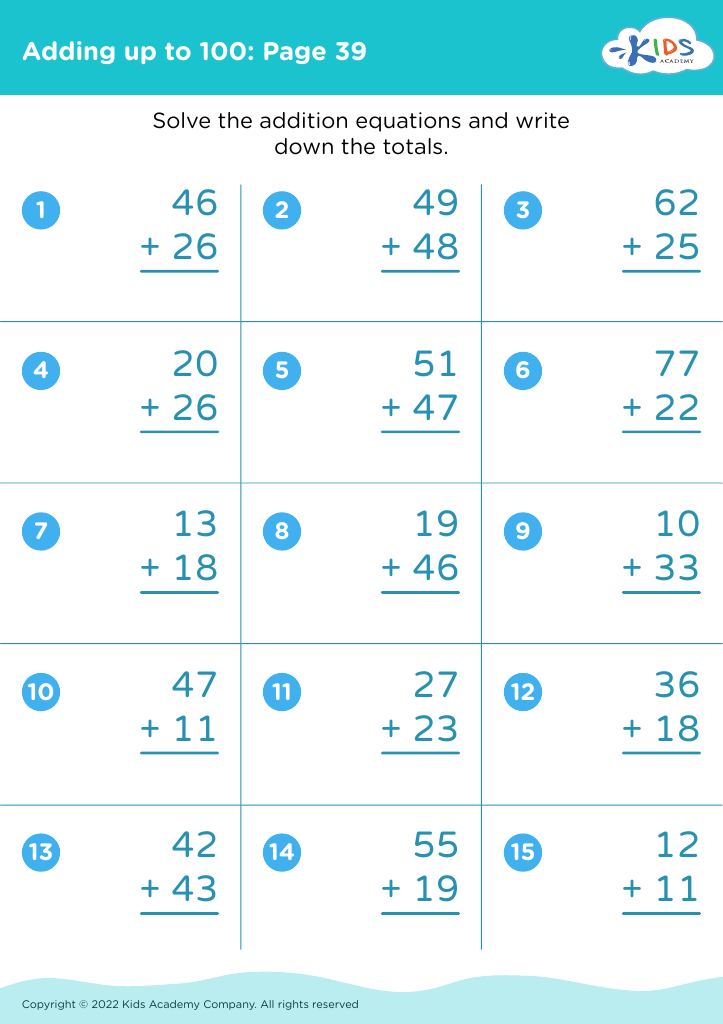
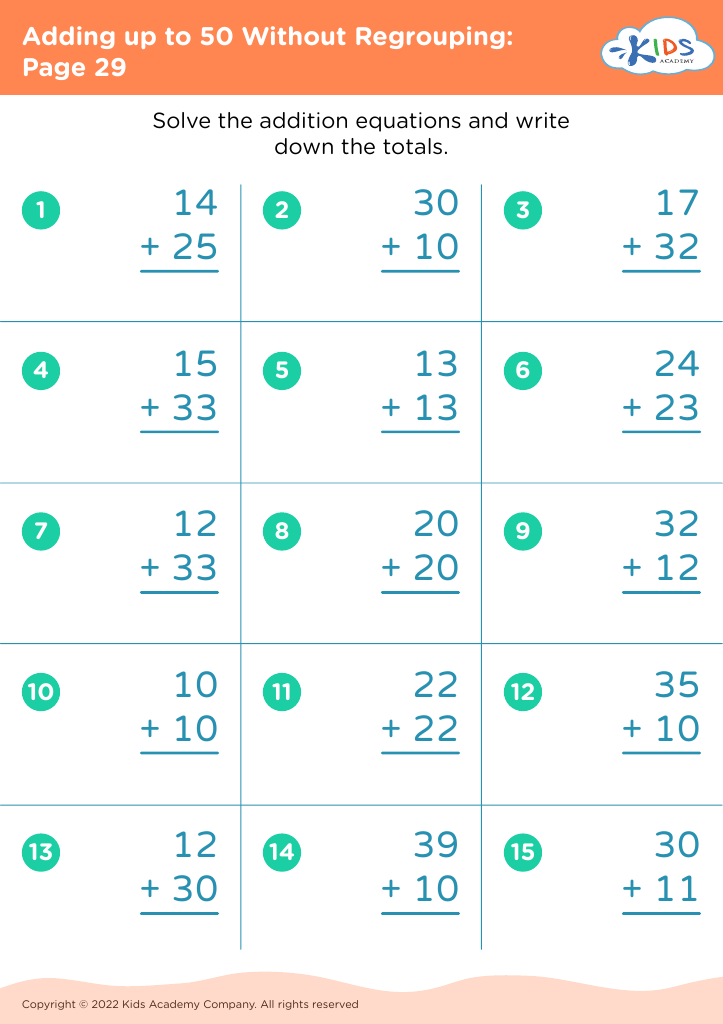
Welcome to our "Comparing Objects Math Worksheets" designed specifically for 7-year-olds! These engaging and interactive worksheets help young learners develop essential skills in comparison and measurement. Children will enhance their understanding of concepts such as greater than, less than, and equal to while comparing various objects. Our worksheets feature bright illustrations and kid-friendly exercises, making math fun and accessible. Perfect for classroom use or at-home practice, these resources foster critical thinking and problem-solving abilities. Encourage your child to explore the world of numbers and improve their math confidence with our thoughtfully crafted worksheets. Start their learning journey today!
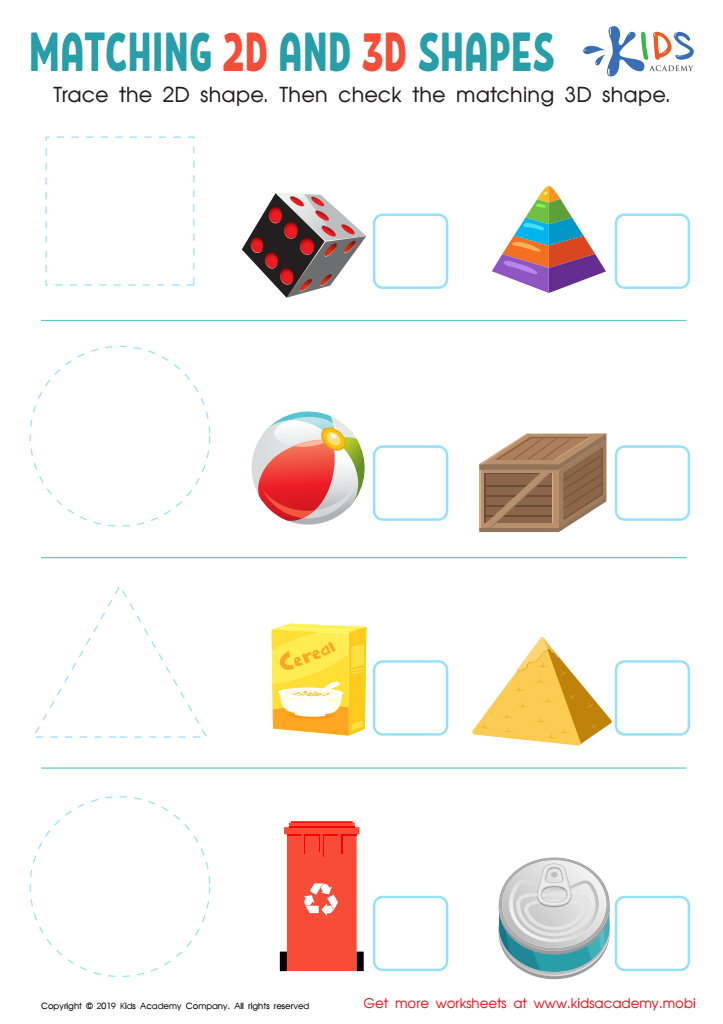
Matching 2D and 3D Shapes Worksheet
 Assign to My Students




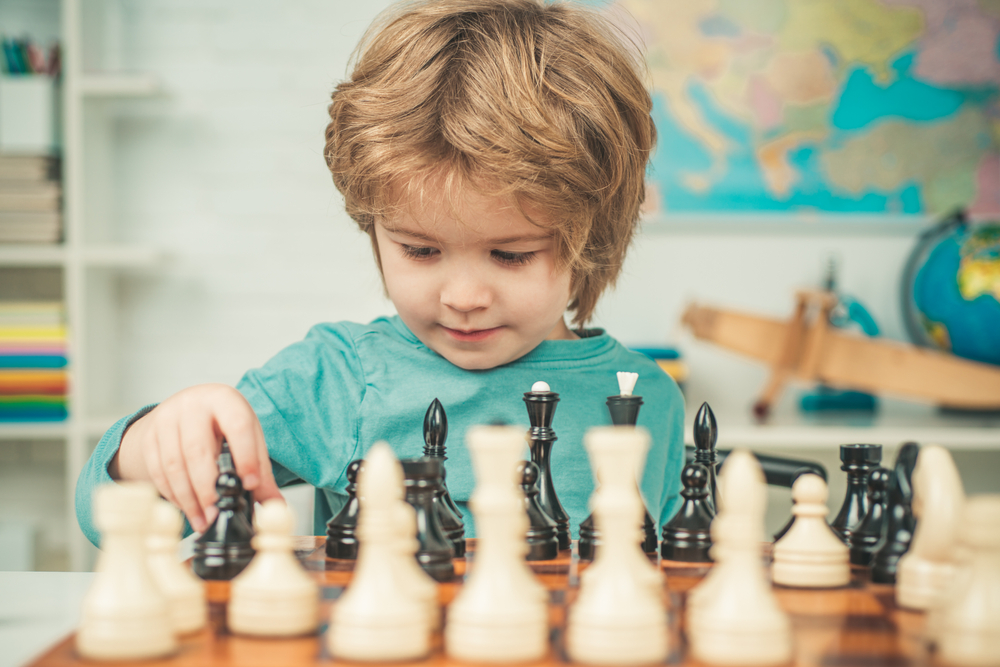



Comparing objects in math is an essential skill for 7-year-olds that goes beyond simple number recognition. When parents and teachers emphasize this concept, they lay the groundwork for critical thinking and problem-solving. By learning to compare objects based on attributes such as size, weight, volume, and quantity, children develop a deeper understanding of the world around them.
This activity fosters observational skills and helps children classify and organize information, forming the basis for more complex mathematical concepts like measurement and data analysis. Furthermore, comparing objects encourages language development as children articulate their observations and reasoning, enriching their vocabulary and communication skills.
Additionally, engaging in these activities fosters collaboration among peers, promoting social skills as kids discuss their comparisons and reasoning. It creates a hands-on learning environment that nurtures curiosity.
Ultimately, by investing time in comparing objects, parents and teachers not only make math more relatable and enjoyable but also prepare children for future academic challenges, instilling a love for learning and a solid foundation in critical mathematical skills. Through these interactive learning experiences, children become confident learners equipped with the tools they need to excel in various subjects throughout their educational journey.








