
Develop number recognition Math Worksheets for 7-Year-Olds
5 filtered results
Difficulty Level
Grade
Age
-
From - To
Subject
Activity
Standards
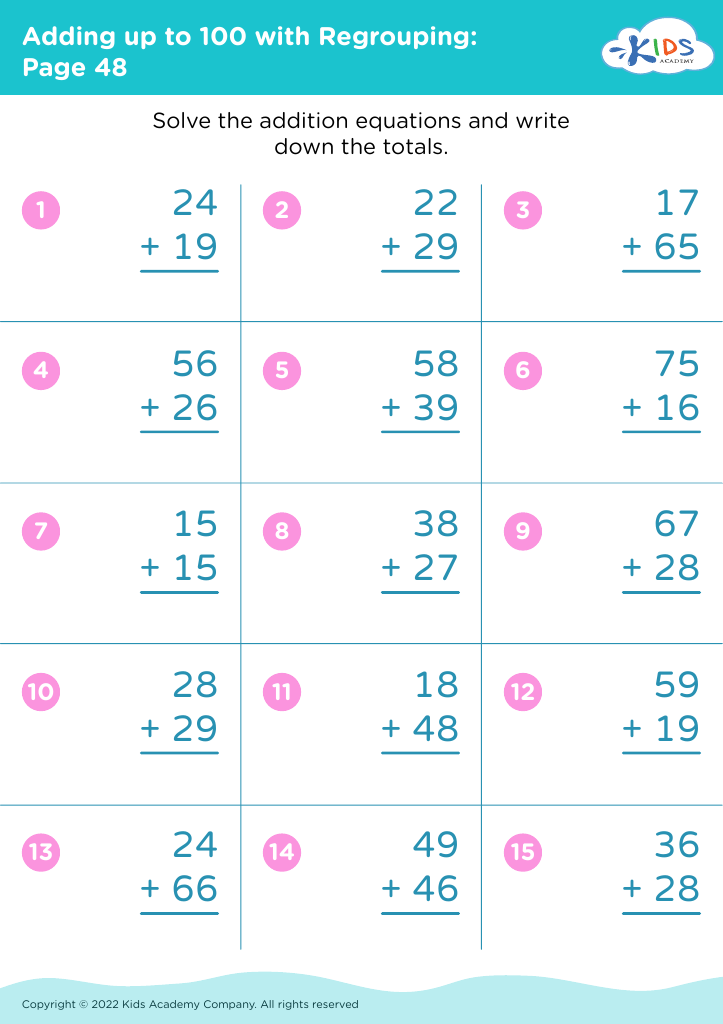
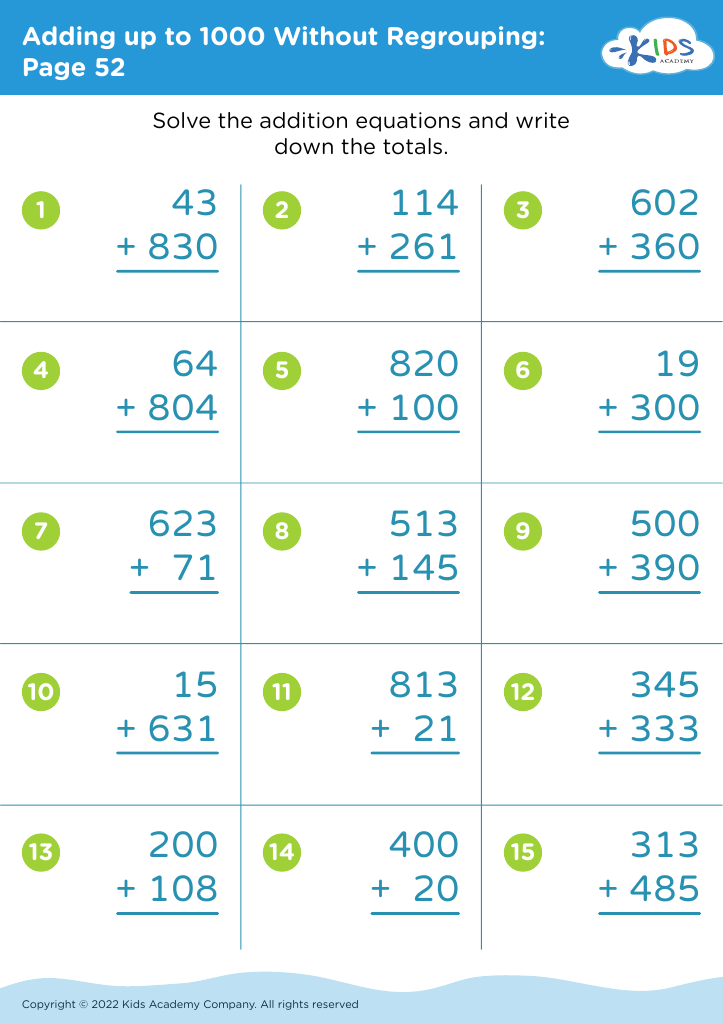
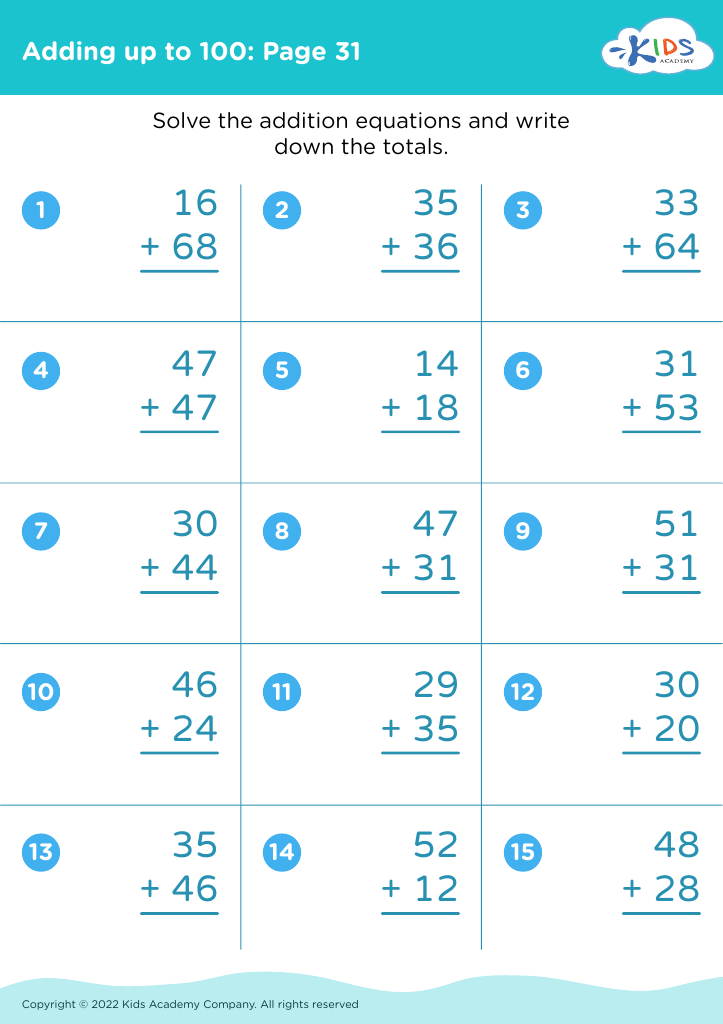
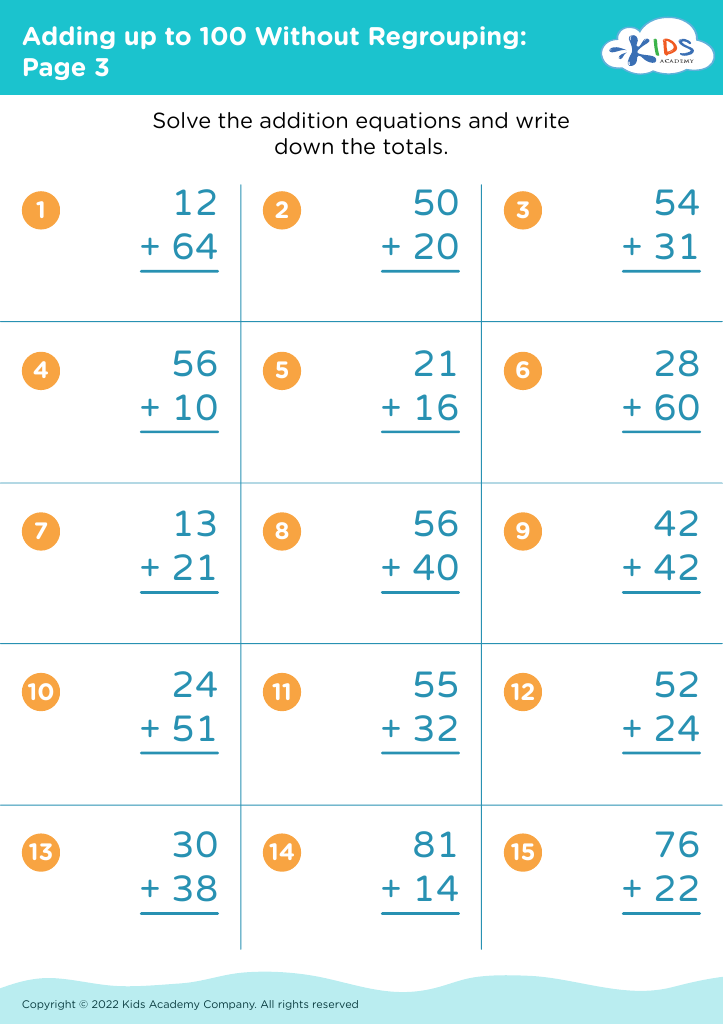
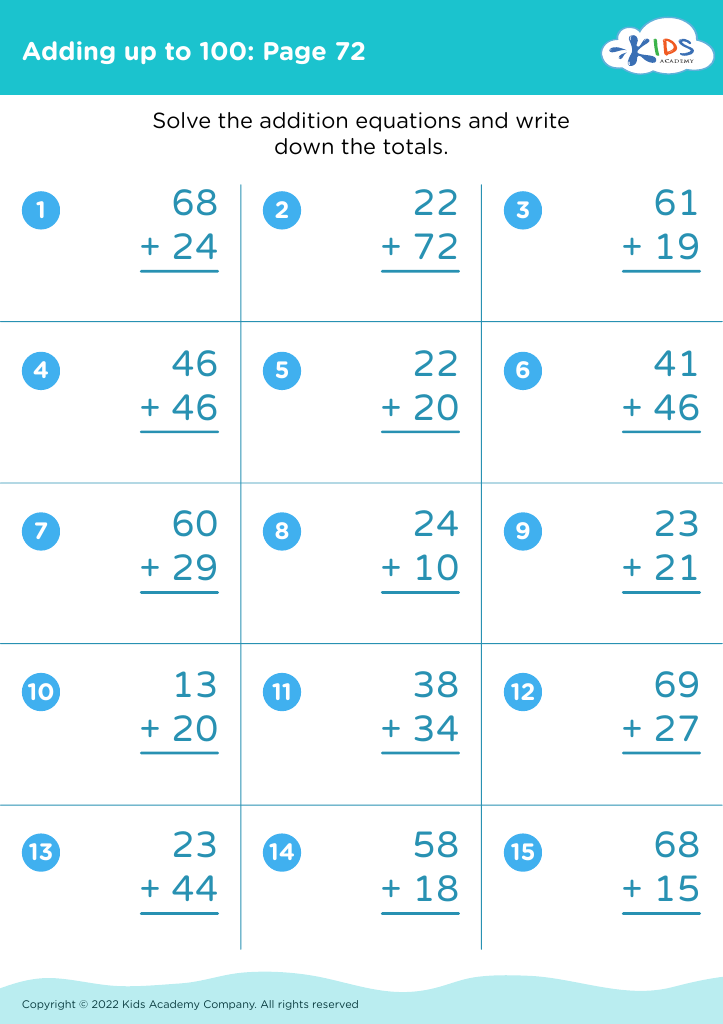
Discover engaging and effective Math Worksheets designed to enhance number recognition for 7-year-olds. These worksheets foster foundational math skills through interactive activities that captivate young minds. Children will explore numbers through various exercises, including tracing, matching, and counting games that make learning fun. Tailored to meet the cognitive developmental stages of 7-year-olds, our worksheets encourage independent thinking and problem-solving. Perfect for both classroom settings and at-home practice, these resources are ideal for reinforcing essential number recognition skills. Empower your child’s mathematical journey with our thoughtfully crafted worksheets that promote confidence and enthusiasm for numbers!
Favorites
With answer key
Interactive
Join Kids Academy for Free
Who is primarily going to use this learning content?







Developing number recognition in 7-year-olds is crucial for their overall mathematical understanding and future academic success. At this age, children are transitioning from basic counting to more complex concepts such as addition, subtraction, and other foundational math skills. Strong number recognition enables them to identify numbers quickly and understand their sequences and relationships, which is essential for problem-solving.
For parents and teachers, fostering number recognition goes beyond mere number identification; it lays the groundwork for critical thinking and analytical skills. Children confident in recognizing numbers are more likely to engage in mathematical conversations, ask questions, and seek patterns, which promotes active learning.
Additionally, early proficiency in number recognition contributes to improved self-esteem and motivation. When children feel confident in their abilities, they are more inclined to tackle challenging concepts, paving the way for lifelong learning. Lastly, strong number skills help in daily life activities, such as telling time or managing finances, emphasizing the importance of these skills beyond the classroom.
In summary, focusing on number recognition not only supports children's immediate learning needs but also equips them with essential skills necessary for future academic and real-life success.








