Identify shapes Math Worksheets for 7-Year-Olds
11 filtered results
-
From - To
Our "Identify Shapes Math Worksheets for 7-Year-Olds" offer engaging and educational activities designed to help young learners recognize and name various geometric shapes. Created by experts, these worksheets provide a fun, interactive approach to mastering shape identification essential for developing spatial awareness and early math skills. Each worksheet incorporates colorful illustrations and age-appropriate challenges to keep children motivated while reinforcing their understanding of shapes like circles, squares, triangles, and more. Perfect for both classroom and at-home learning, these printable resources will give your child the confidence and skills needed to excel in math.
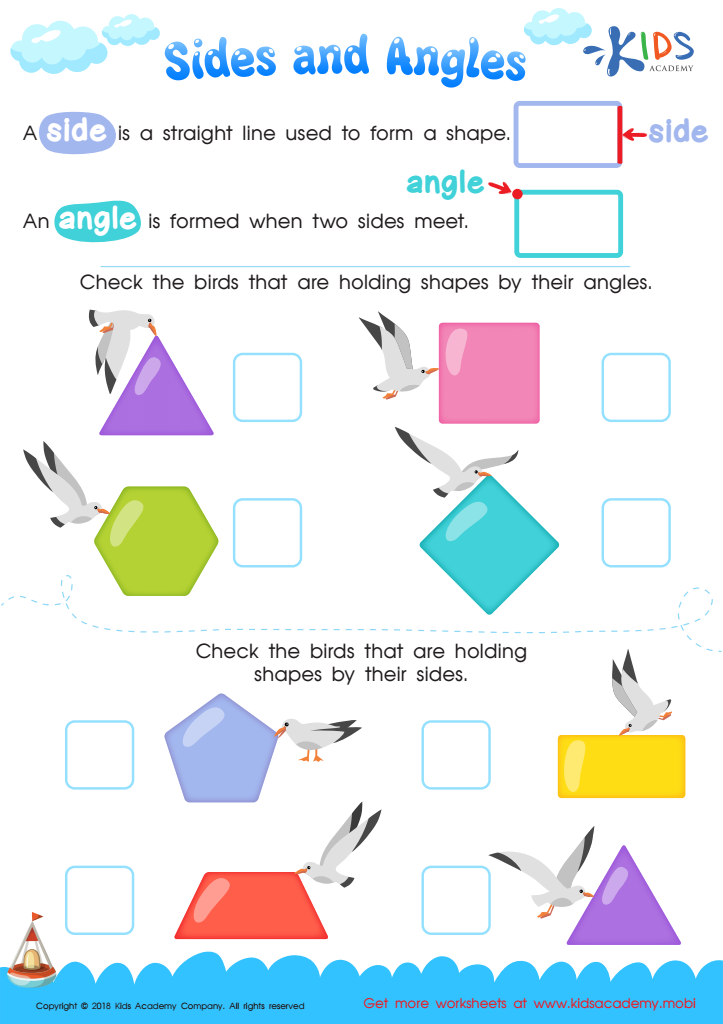
Sides and Angles Worksheet
 Assign to My Students
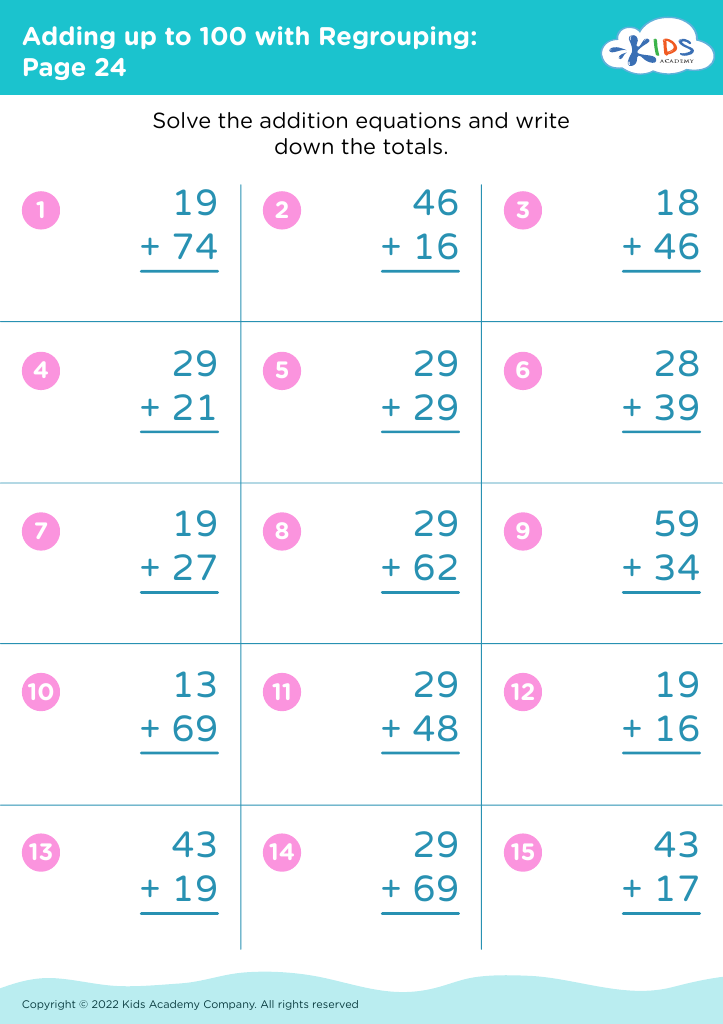
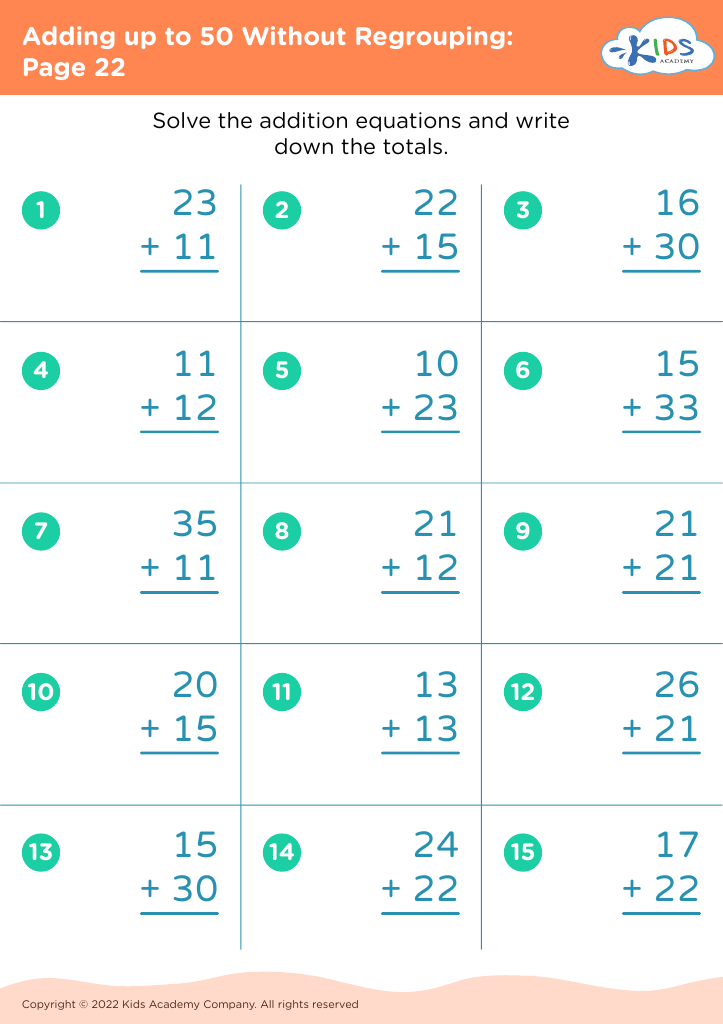
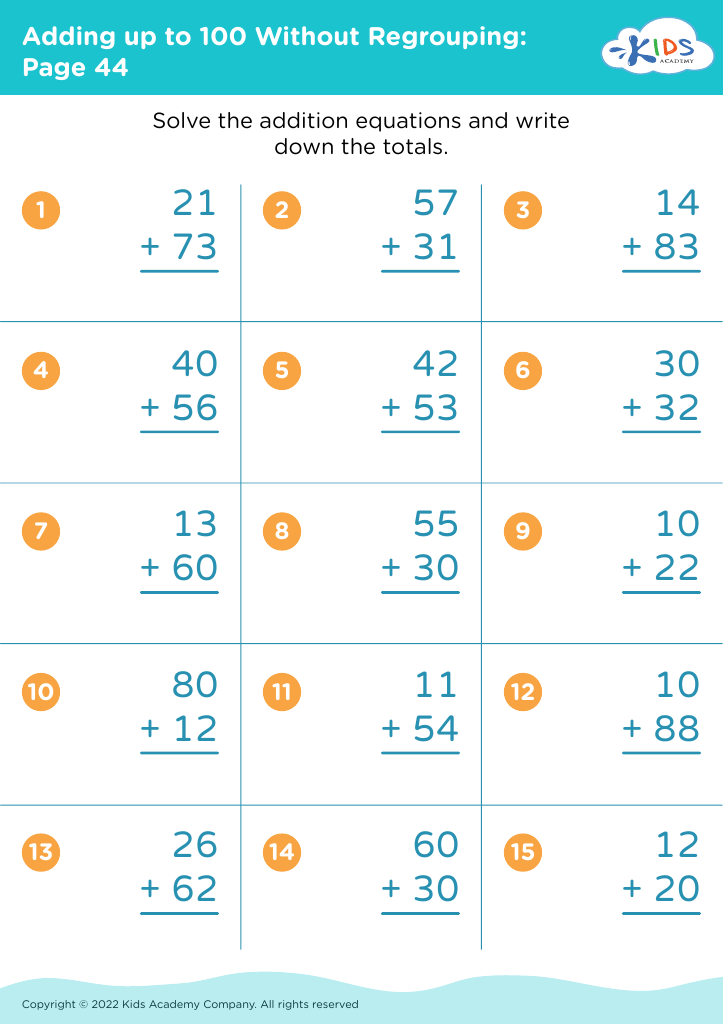






Parents and teachers should care about teaching 7-year-olds to identify shapes because it plays a crucial role in their cognitive and academic development. At this age, children are building foundational skills that will support their learning across various subjects. Identifying shapes enhances their spatial awareness, enabling them to navigate and interpret the world around them more effectively.
Understanding shapes also lays the groundwork for geometry, a key component of math curricula in higher grades. This early skill fosters critical thinking and problem-solving abilities by allowing children to recognize patterns and relationships between different objects. For example, differentiating between a circle, square, and triangle helps in developing logic and reasoning skills, essential for more complex math concepts like fractions and symmetry.
Additionally, shape identification is linked to language development. Describing the properties of shapes—like the number of sides or angles—enhances vocabulary and communication skills. It also boosts fine motor skills, as younger children often engage in hands-on activities to draw or manipulate shapes.
Therefore, foundational shape recognition is not just about learning geometry but is a holistic developmental tool that supports literacy, numeracy, and overall intellectual growth. By prioritizing shape identification, parents and teachers equip children with essential life skills that promote further academic success and cognitive development.








