Identifying Animals Math Worksheets for 7-Year-Olds
3 filtered results
-
From - To
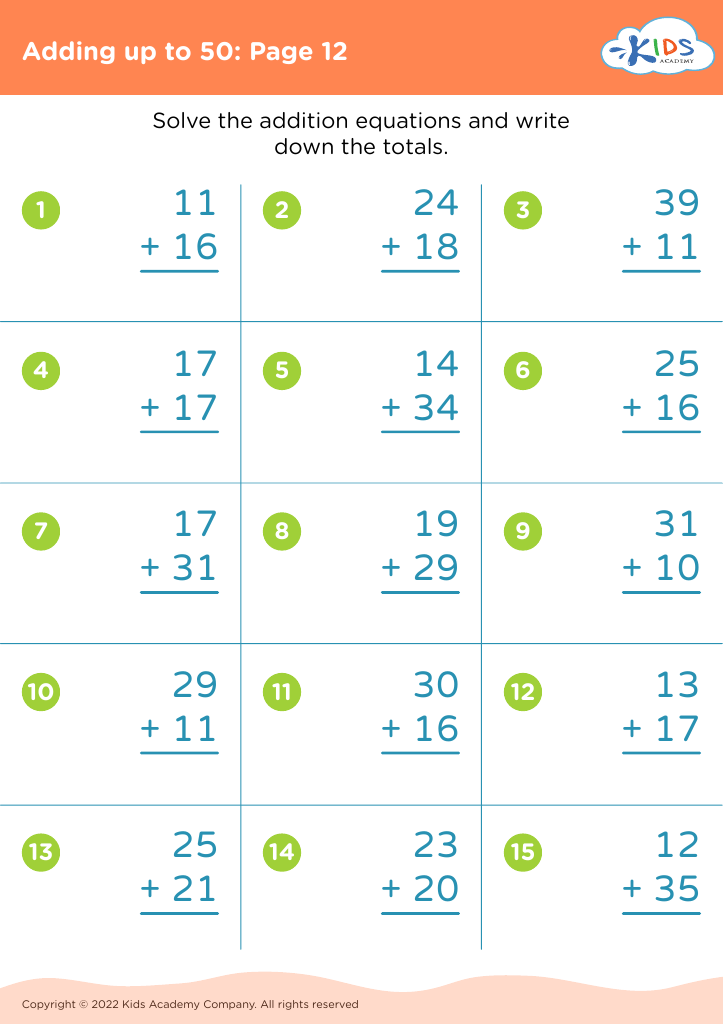
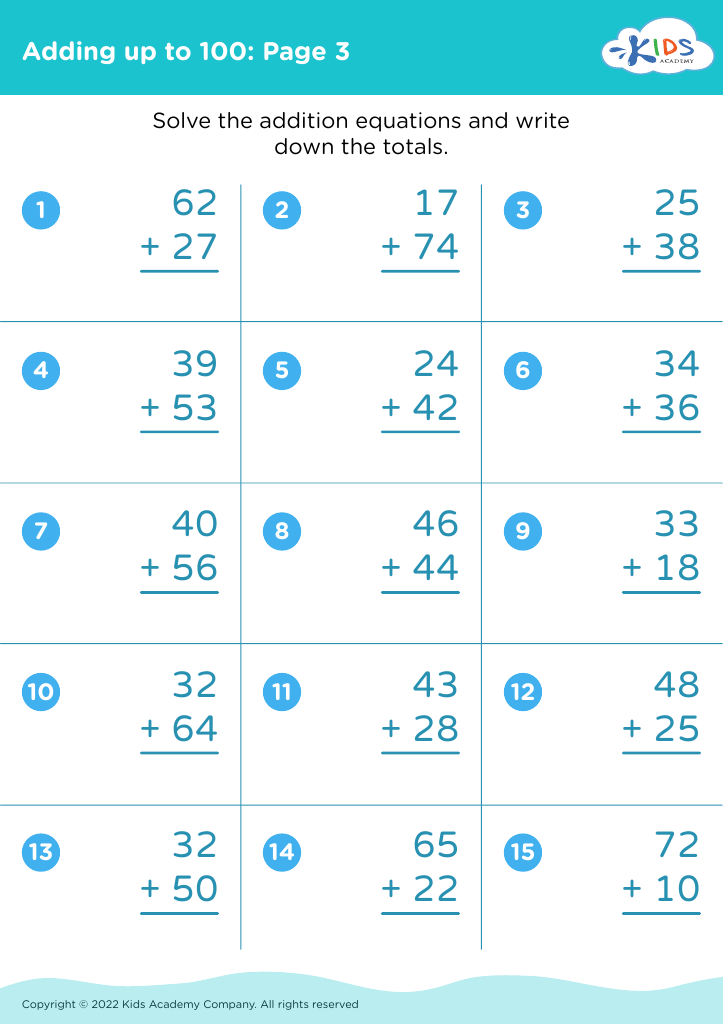
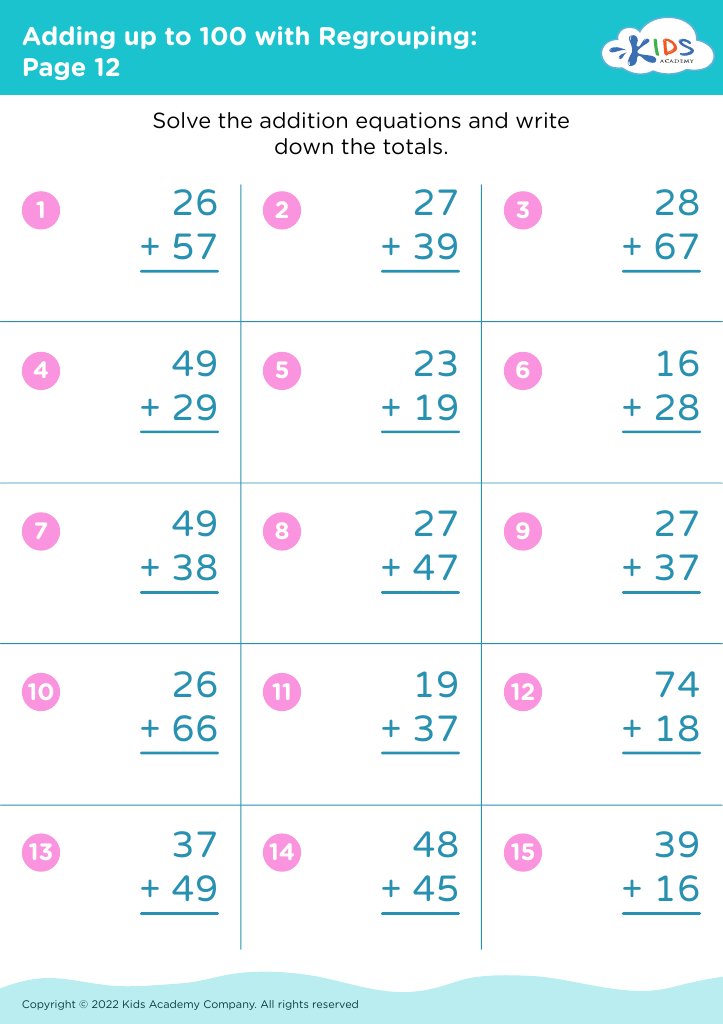
Unlock the world of math and animals with our engaging "Identifying Animals Math Worksheets for 7-Year-Olds!" Combining fun animal identification with essential math skills, these worksheets promote both curiosity and learning. Through vibrant illustrations, children recognize various animals while practicing math concepts like counting, addition, subtraction, and pattern recognition. Designed for seven-year-olds, these activities make learning enjoyable and interactive. Perfect for classrooms or home practice, our worksheets cater to young minds eager to explore and achieve. Join us in making education both exciting and effective, and watch your child delight in discovering the animal kingdom and mastering math fundamentals!







Identifying Animals Math for 7-year-olds not only combines the excitement of animal recognition with foundational math skills but also fosters a love for learning in young children. For parents and teachers, this integrated approach is crucial for several reasons.
First, it promotes cognitive development by encouraging analytical thinking and problem-solving. When children identify animals and relate them to math concepts such as counting, sorting, or measuring, they practice critical thinking and apply logical reasoning to make sense of what they see.
Second, it enhances engagement and motivation. Many young learners have a natural fascination with animals. By incorporating animals into math lessons, educators tap into students' interests, making learning enjoyable and memorable.
Third, this approach provides a foundation for interdisciplinary learning, demonstrating how different subjects can be interconnected. It teaches children that math is not just confined to the classroom but can be found in everyday life, such as in nature.
Finally, it supports language development. Describing animals and their attributes while solving math problems strengthens vocabulary and communication skills.
For parents and teachers, these benefits translate into well-rounded development for children, preparing them for more complex subjects in the future while nurturing an enthusiastic, well-rounded approach to learning.








