Identifying equivalent fractions Math Worksheets for 7-Year-Olds
7 filtered results
-
From - To
Discover our engaging math worksheets designed specifically for 7-year-olds to help them master the concept of identifying equivalent fractions. These worksheets provide a fun, interactive way for children to understand how different fractions can represent the same value. Filled with colorful visuals and relatable examples, our resources promote critical thinking and problem-solving skills. Each worksheet features a variety of exercises that cater to different learning styles, ensuring that every child can grasp the concept easily. Empower your child’s math journey with printable worksheets that make learning about equivalent fractions both enjoyable and effective! Start exploring today!
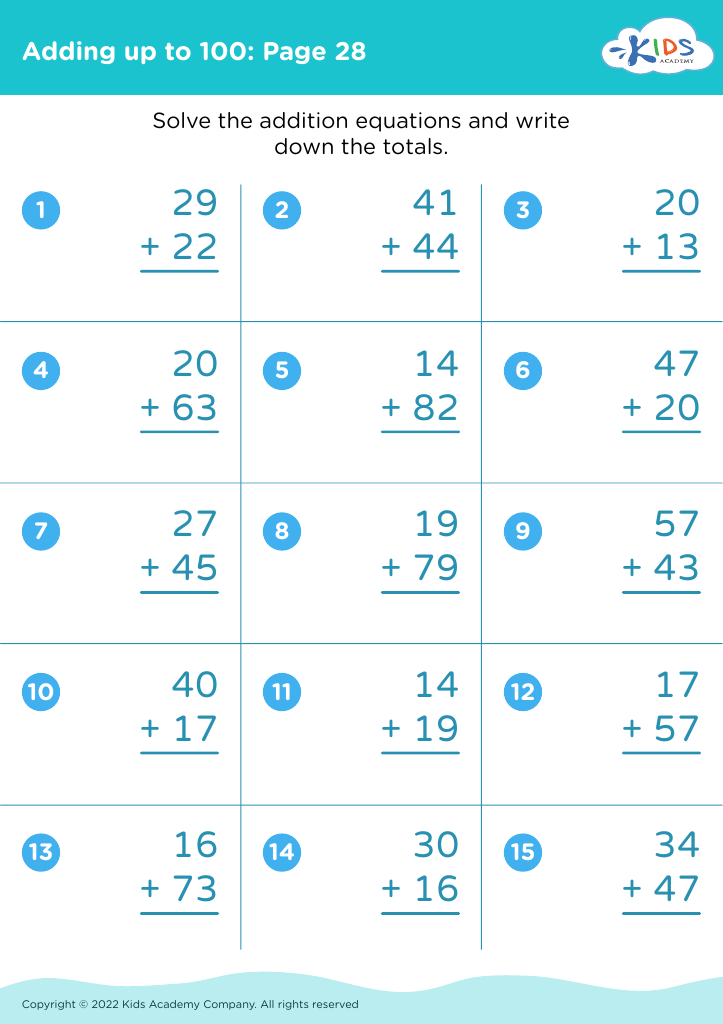
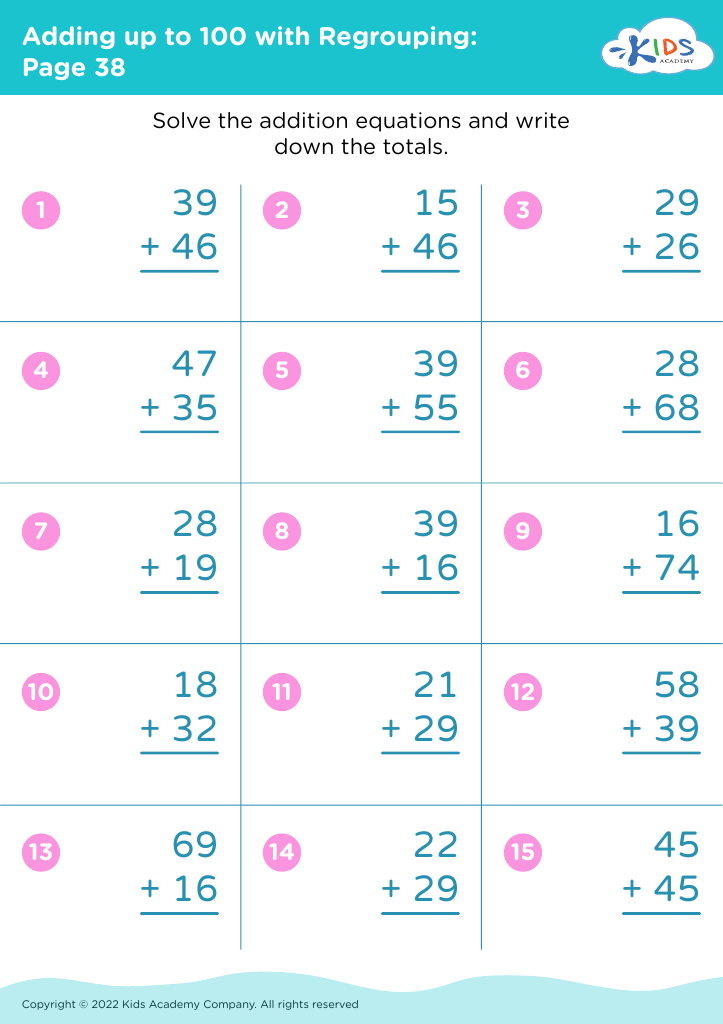
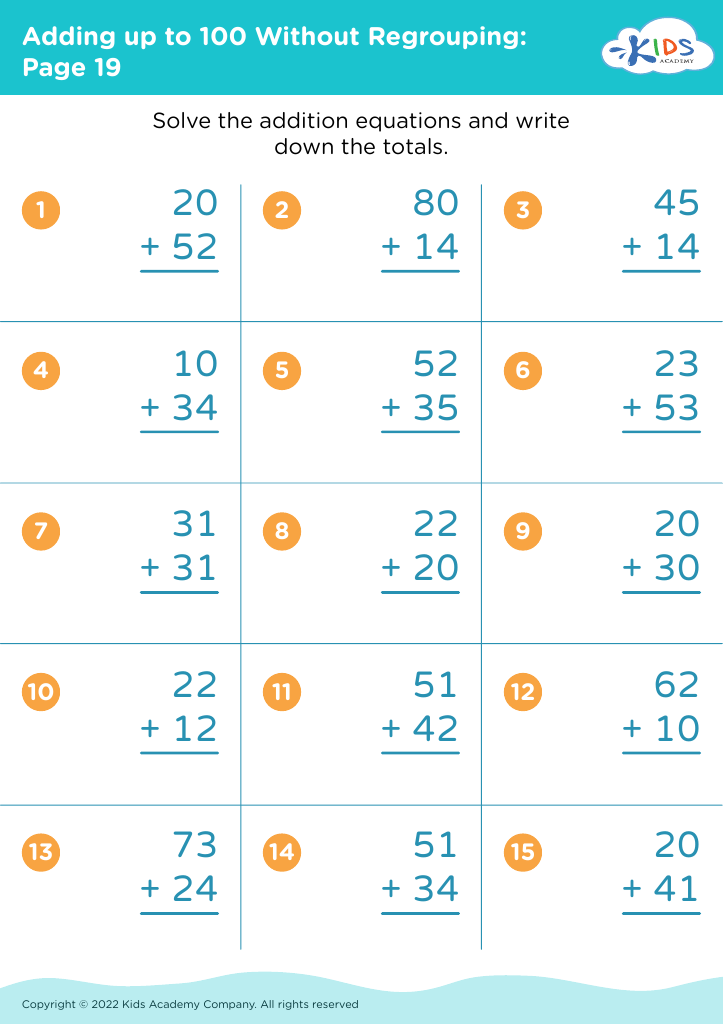
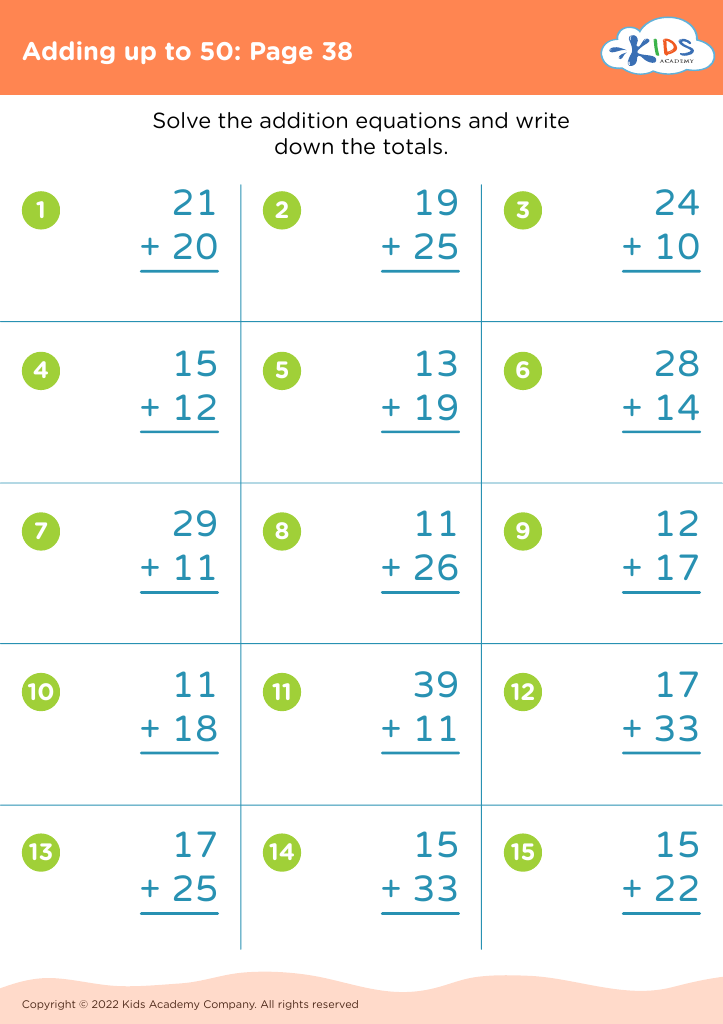





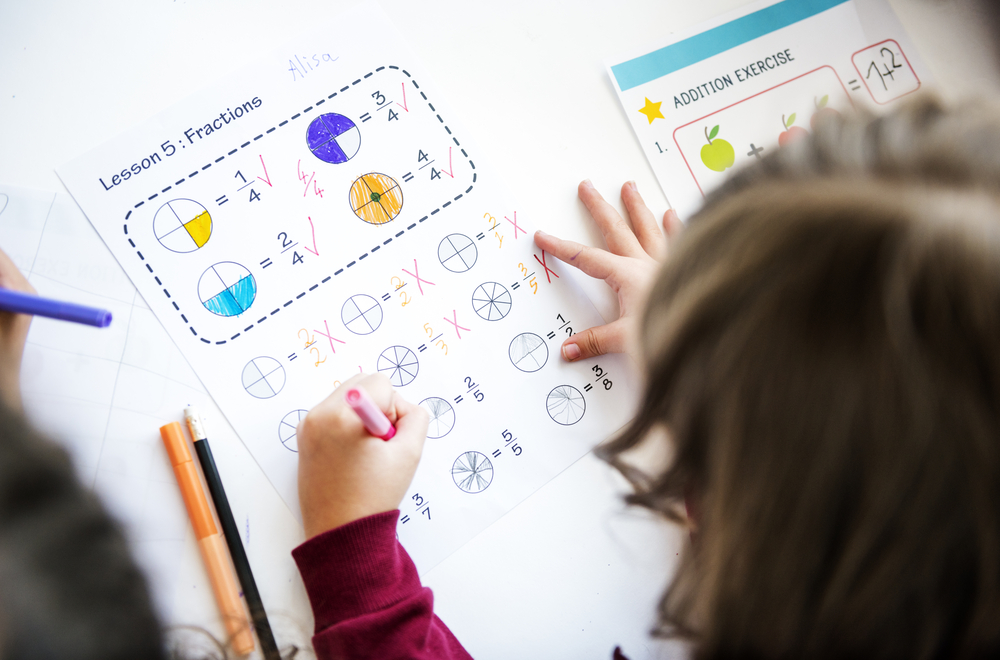

Identifying equivalent fractions is a fundamental math skill that plays a critical role in building a solid foundation for young learners, especially for 7-year-olds. Parents and teachers should care about this concept for several reasons.
Firstly, understanding equivalent fractions enhances number sense. It helps children recognize that different fractions can represent the same value, fostering a deeper comprehension of numbers. This foundational understanding paves the way for future mathematical concepts, such as adding, subtracting, or comparing fractions.
Secondly, mastery of equivalent fractions supports problem-solving skills. When students can identify fractions that are equivalent, they can simplify complex problems, making calculations more manageable. This competence not only improves their confidence in math but also encourages a more positive attitude toward learning.
Additionally, understanding equivalent fractions promotes critical thinking and reasoning skills as students learn to analyze relationships between numbers. This analytical approach is essential not just in mathematics, but across various subjects.
Lastly, engaging with equivalent fractions fosters collaboration and communication among peers. As children discuss and solve problems, they enhance their social skills and build a supportive learning community. Ultimately, emphasizing equivalent fractions helps cultivate a mathematical mindset that benefits students in all areas of their education.








