Letter Tracing Practice Math Worksheets for 7-Year-Olds
3 filtered results
-
From - To
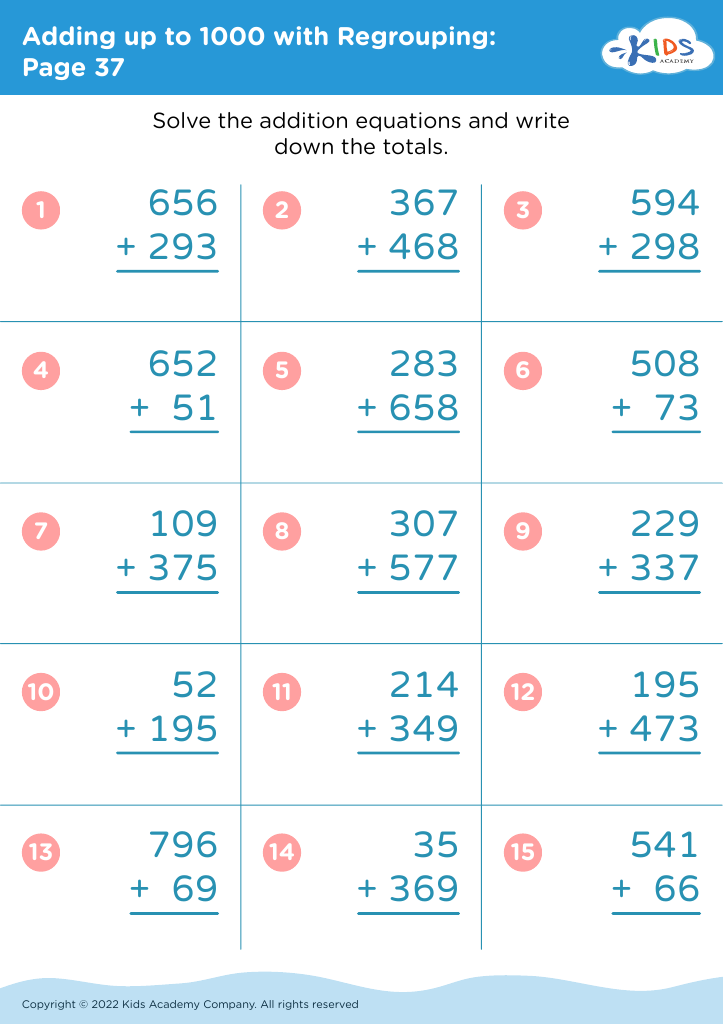
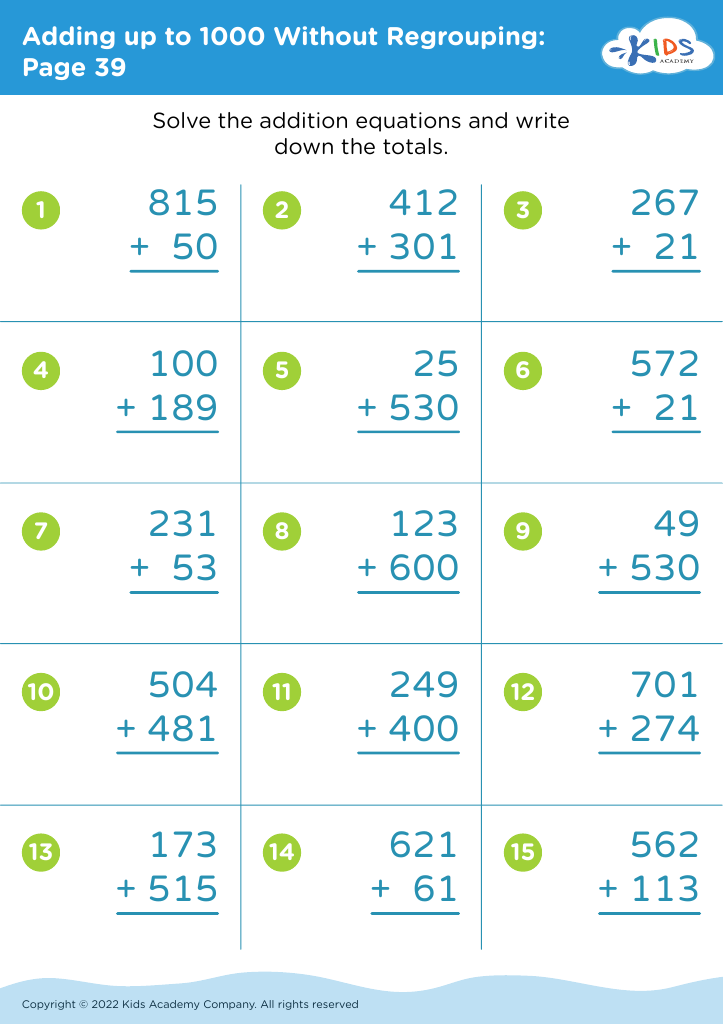
Boost your child’s writing and math skills with our Letter Tracing Practice Math Worksheets for 7-Year-Olds! These engaging, printable worksheets focus on honing handwriting while simultaneously introducing fundamental math concepts. Created specifically for young learners, each worksheet combines letter tracing with basic math exercises, ensuring an enjoyable learning experience. Perfect for both classroom and home use, our worksheets help solidify letter formation, improve fine motor skills, and build essential math proficiency. Keep your 7-year-old excited about learning and set a strong foundation for future academic success with our comprehensive and fun tracing practice printables.
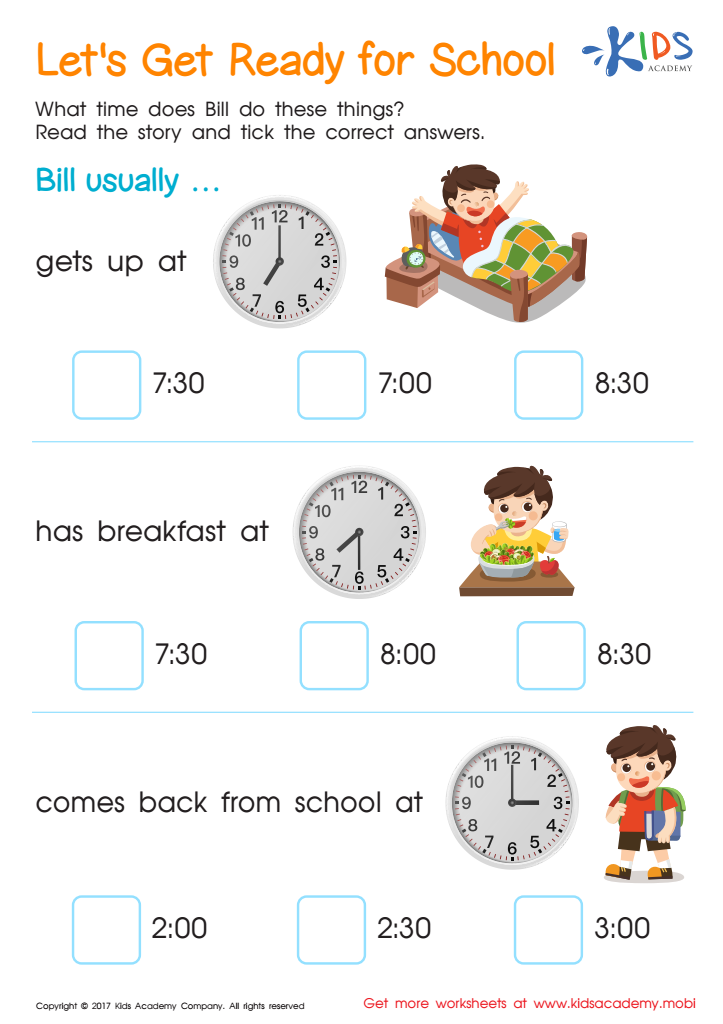
Lets Get Ready For School Time Printable
 Assign to My Students








Letter tracing practice can be a surprisingly beneficial activity for 7-year-olds, even as they are advancing in their reading and writing skills. For young learners, the process of tracing letters reinforces proper letter formation and enhances fine motor skills critical for writing legibly and efficiently. Additionally, engaging with letter tracing helps solidify foundational literacy concepts, such as recognizing both uppercase and lowercase letters, understanding phonetic sounds, and reinforcing spelling patterns.
But when integrated with math exercises, letter tracing takes on an even more valuable role. Tracing numbers, symbols, and math-related words can help demystify the language of math. This cross-disciplinary approach enables children to become more comfortable with mathematical terminology and symbols through repetition and recognition, thus boosting both their literacy and numeracy skills.
For teachers and parents, ensuring that children participate in organized and constructive activities like letter tracing can greatly impact their academic growth. Combining linguistic skills with numeracy through letter tracing practices builds confidence and proficiency in both subject areas. Essentially, an investment in combined educational practices helps foster a more connected and strengthened understanding, setting up children for future success across all learning domains. By making it a consistent practice, parents and teachers cultivate a love for learning and the resilience needed to tackle more complex topics over time.








