Practice problem-solving Math Worksheets for 7-Year-Olds
4 filtered results
-
From - To
Discover our engaging Practice Problem-Solving Math Worksheets for 7-Year-Olds, designed to nurture critical thinking and analytical skills in young learners. Our resource offers a variety of exciting problems that cover key 2nd-grade math concepts, making learning fun and effective. These carefully crafted worksheets challenge children to apply their knowledge in real-life contexts, fostering problem-solving abilities and boosting their confidence. Perfect for classroom use or additional practice at home, our worksheets support the development of essential math skills through hands-on activities and creative exercises. Unlock your child's potential with our expert-developed practice sheets.
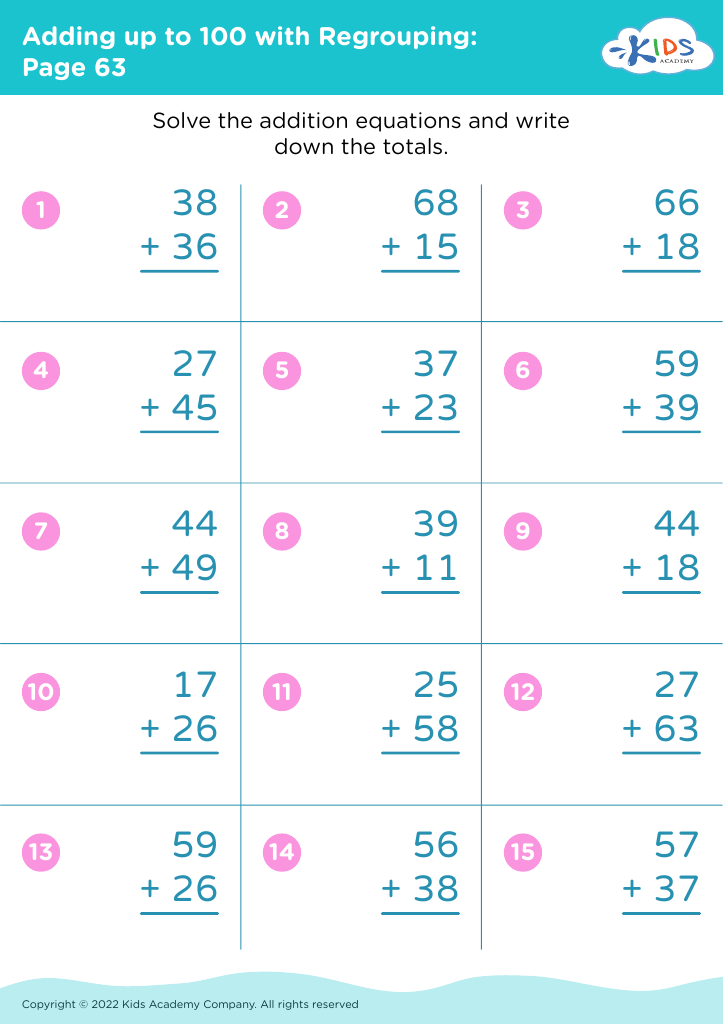
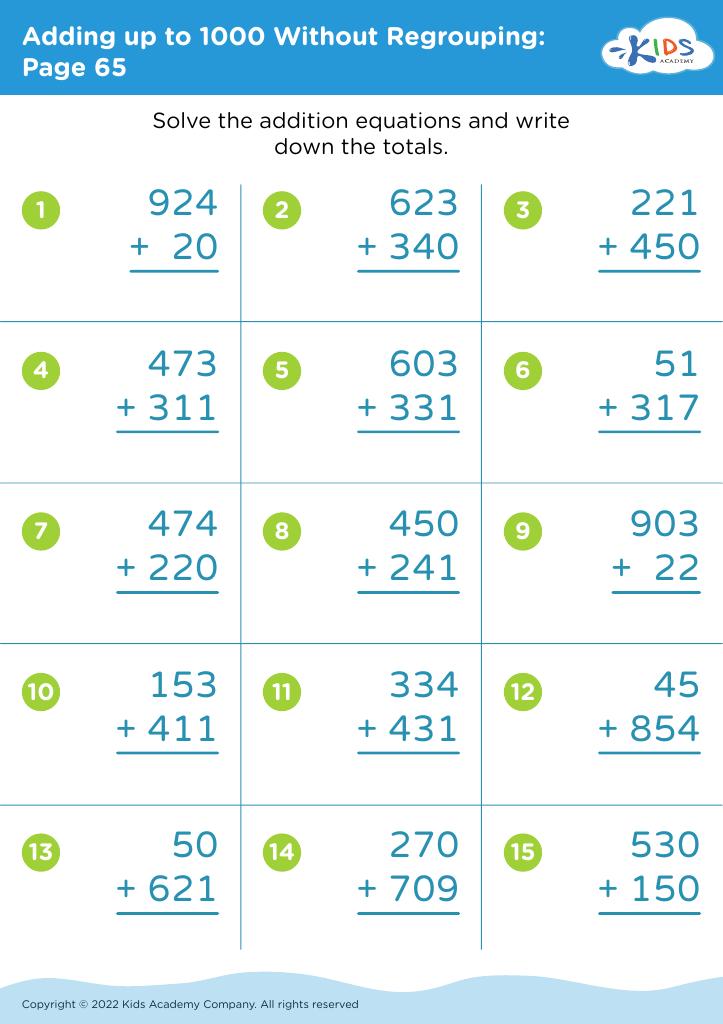
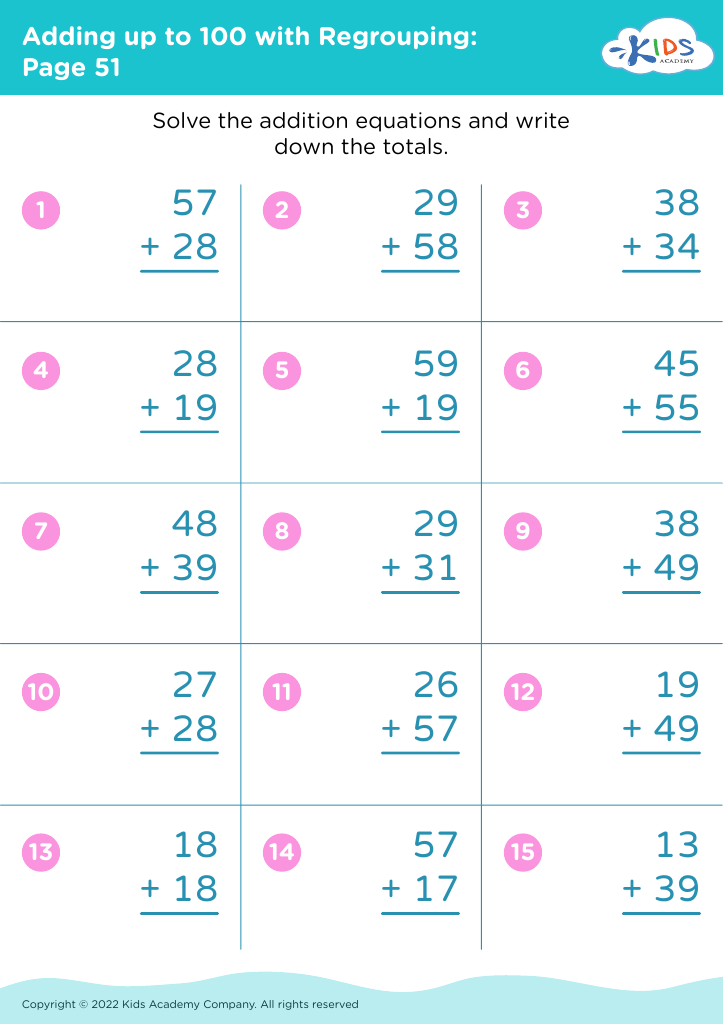
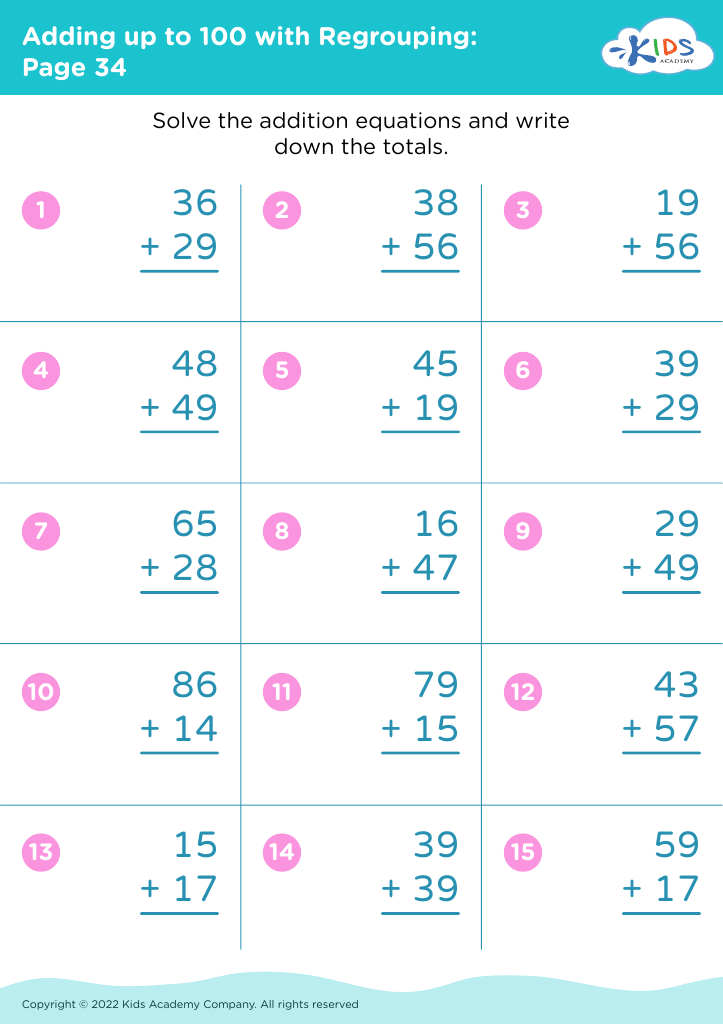








Parents and teachers should care about helping 7-year-olds practice problem-solving in math because these formative years are critical for building a strong foundation in mathematical understanding. At this age, children are naturally curious and adept at learning new concepts, making it an ideal time to introduce problem-solving skills. These skills not only benefit their math proficiency but also improve their overall cognitive abilities, including logical reasoning, critical thinking, and the ability to approach challenges with a problem-solving mindset.
Practicing problem-solving in math helps young learners grasp basic arithmetic operations like addition, subtraction, multiplication, and division, through real-life scenarios and engaging activities. This foundational knowledge supports academic success as they progress through school, reducing anxiety and promoting a positive attitude toward math.
Moreover, problem-solving in math can foster a sense of achievement and self-confidence. When children successfully solve mathematical problems, they experience a boost in self-efficacy, inspiring them to tackle more challenging tasks. This confidence is transferrable to other subjects and life situations, equipping them with the resilience and perseverance needed to overcome obstacles.
For these reasons, investing time and effort in developing problem-solving skills in 7-year-olds isn’t only about math—it’s about nurturing a well-rounded, capable, and confident individual ready to face the complexities of the world.








