Recognize shapes Math Worksheets for 7-Year-Olds
8 filtered results
-
From - To
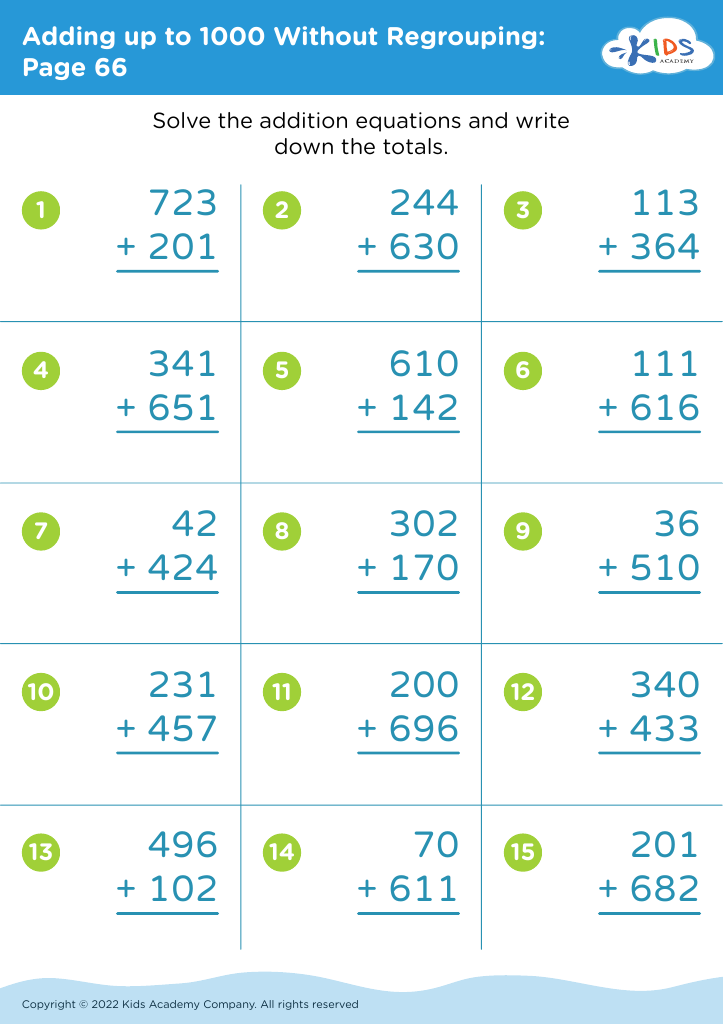
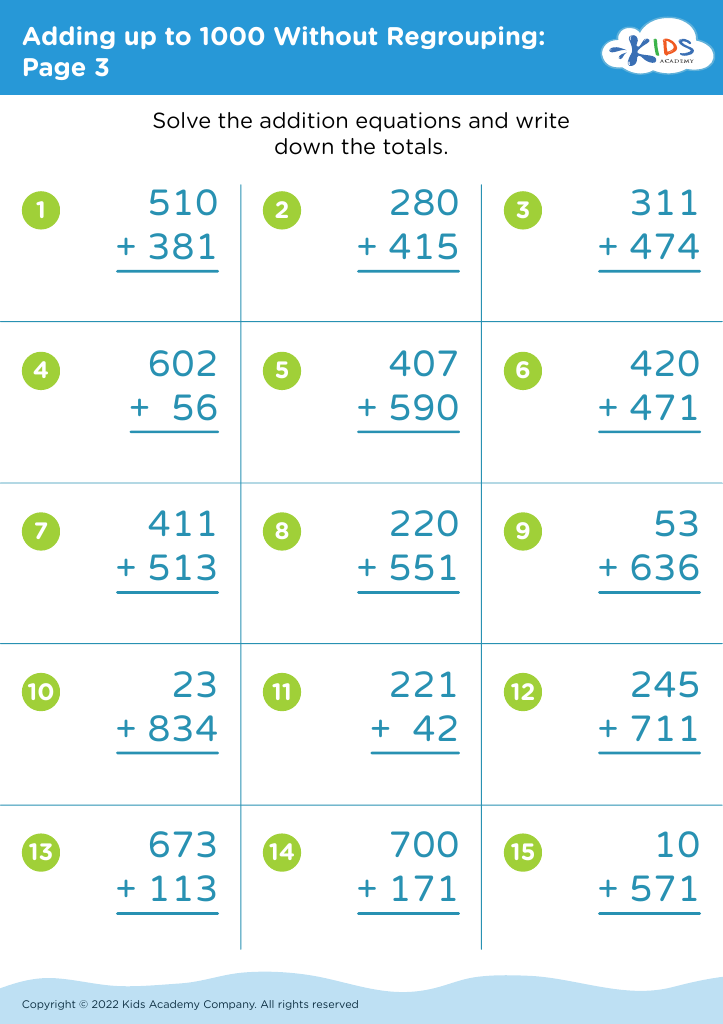
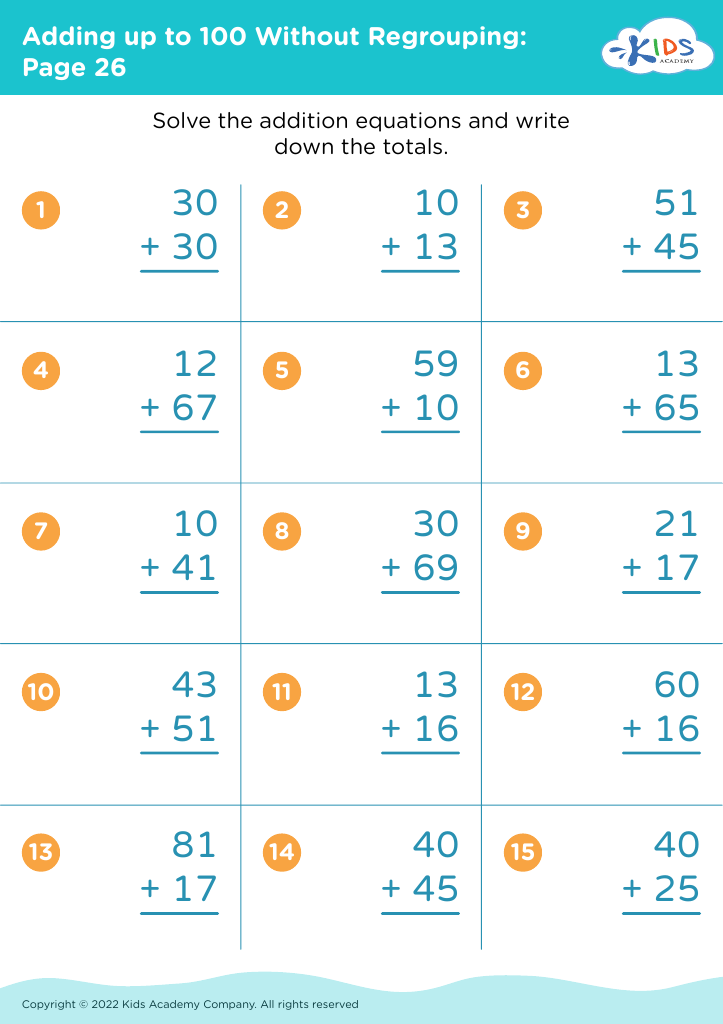
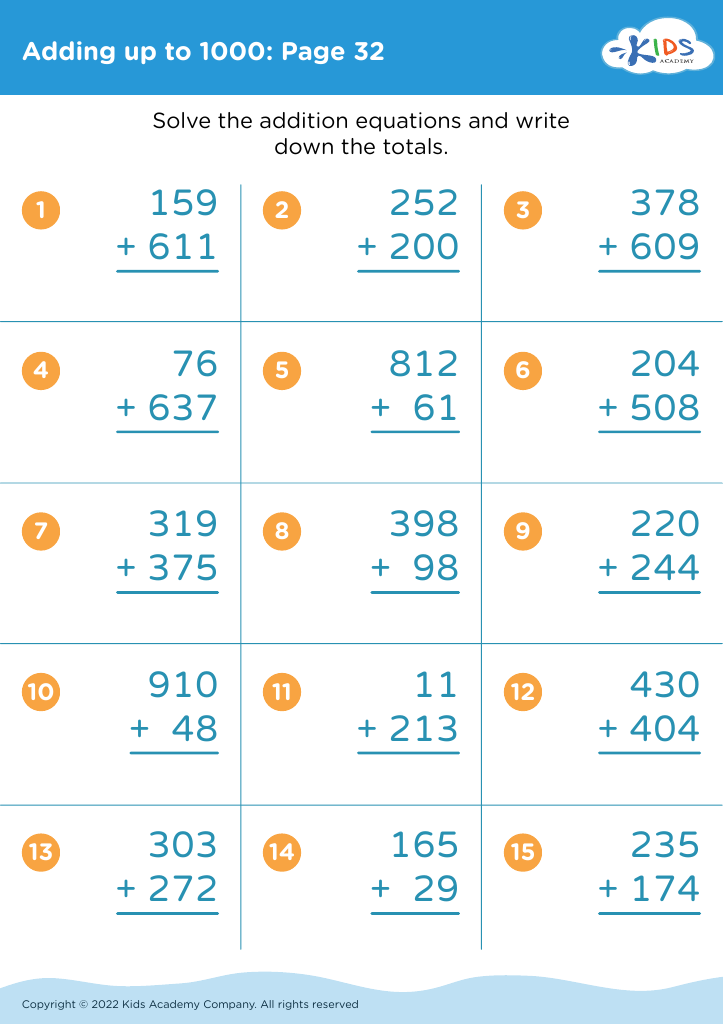
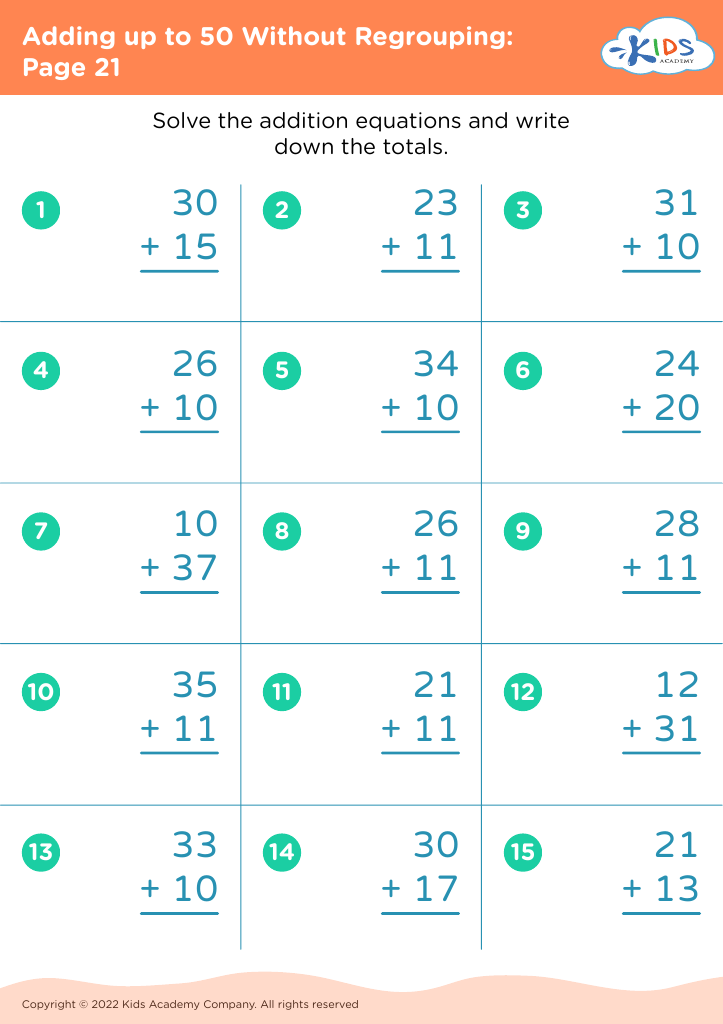
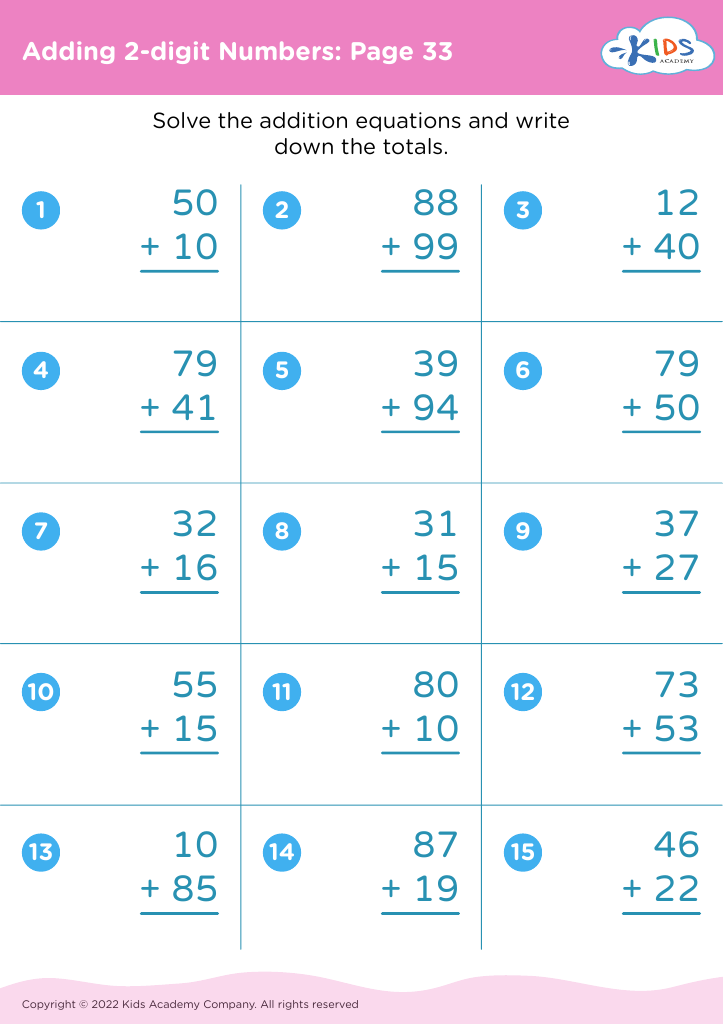
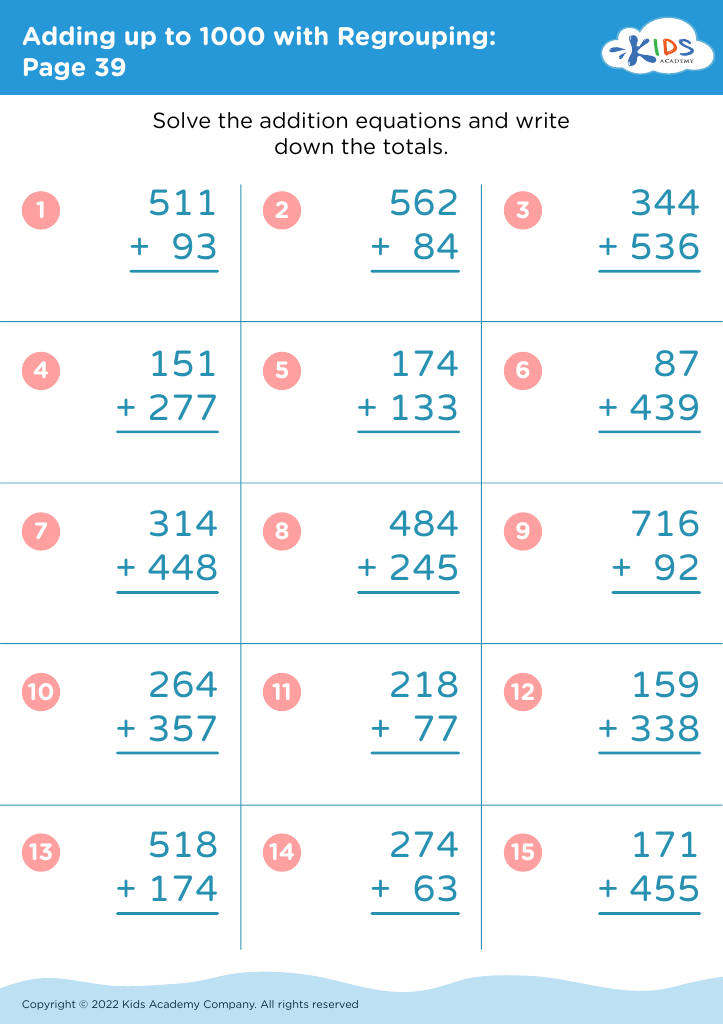
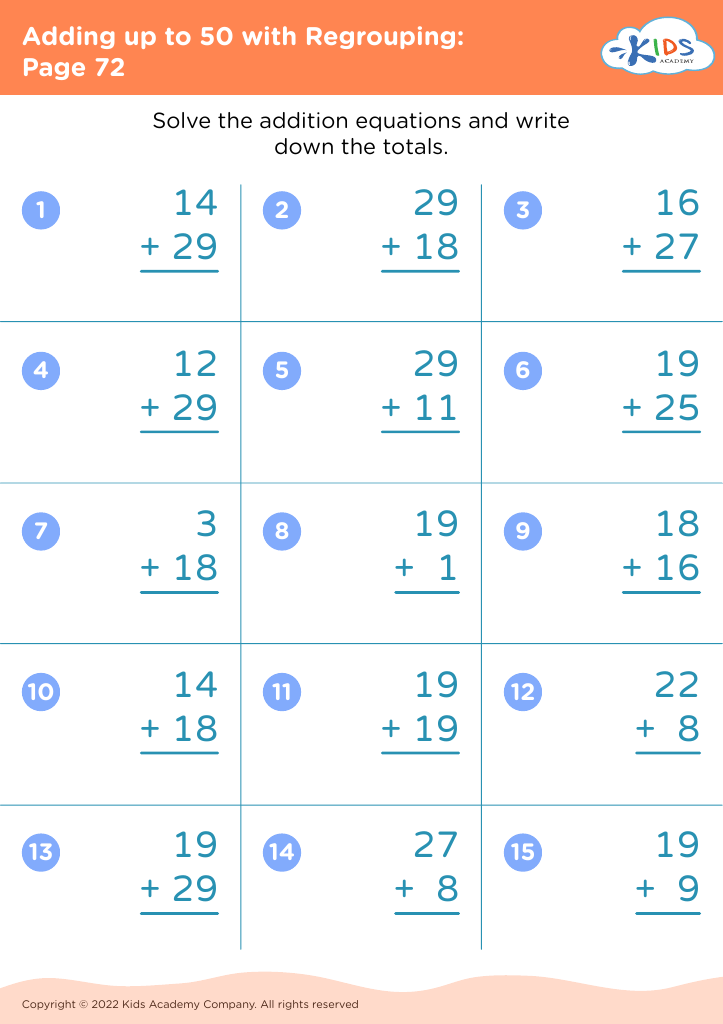
Discover our engaging "Recognize Shapes Math Worksheets for 7-Year-Olds," designed to make learning fun and effective! These printable worksheets help young learners identify and differentiate various shapes, enhancing their visual-spatial skills. Featuring vibrant graphics and interactive exercises, each worksheet seamlessly blends fun with education, ensuring kids stay motivated. Perfect for classroom use or at-home practice, our worksheets cater to diverse learning styles, supporting cognitive development and mathematical understanding. Download and print today, and watch your child's confidence soar as they master shape recognition in an enjoyable, hands-on way!






.jpg)
Recognizing shapes is foundational for mathematical learning and overall cognitive development in 7-year-olds. Shape recognition hones visual-spatial awareness, helping children understand how different shapes fit together. This not only aids in geometry but also enhances problem-solving skills and logical thinking, crucial for advanced math concepts and everyday tasks.
Shapes are everywhere—from road signs to buildings—enabling children to make sense of their environment. Mastery of shapes also lays the groundwork for reading and writing, as distinguishing shapes translates into recognizing letters and numbers. This spatial awareness improves fine motor skills, critical for writing neatly and efficiently.
Moreover, engaging with shapes boosts vocabulary and verbal skills as children learn terms like "circle," "square," and "rectangle." It encourages descriptive language and precision, fostering clear communication.
For teachers and parents, incorporating shape recognition into lessons and play encourages a hands-on, interactive learning experience. Activities like drawing, puzzles, and games make learning fun and memorable, increasing engagement and retention.
In summary, focusing on shape recognition in 7-year-olds strengthens essential early math skills, supports literacy, enhances cognitive and motor abilities, and prepares children for future academic success. It's a simple yet powerful way to enrich a child's educational journey.








