
Understand patterns Math Worksheets for 7-Year-Olds
6 filtered results
Difficulty Level
Grade
Age
-
From - To
Subject
Activity
Standards
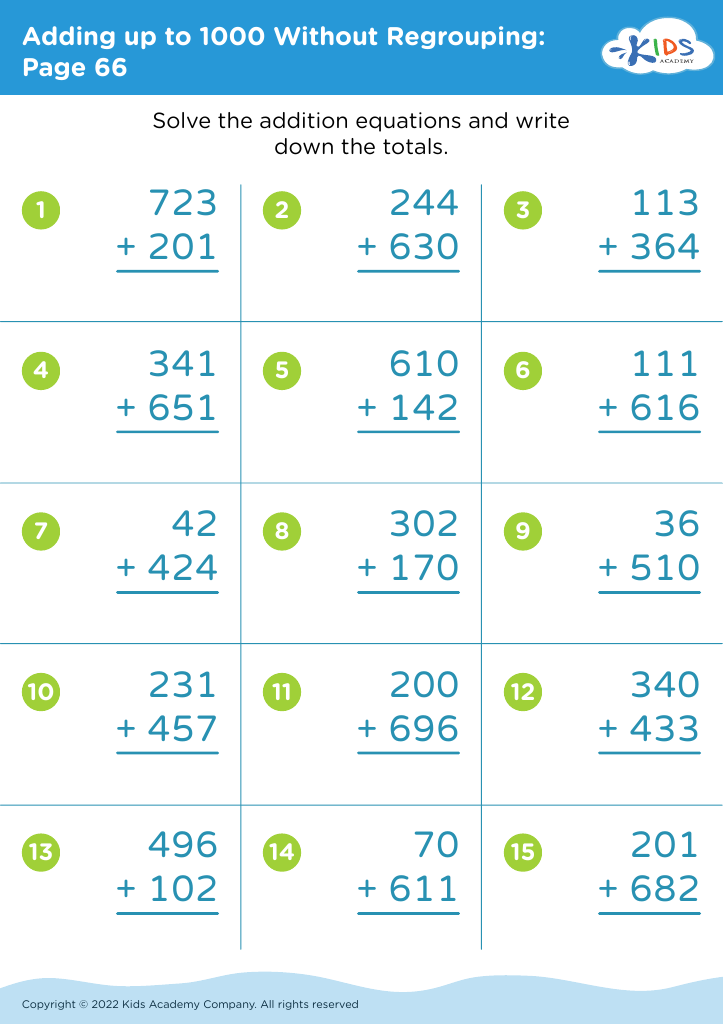
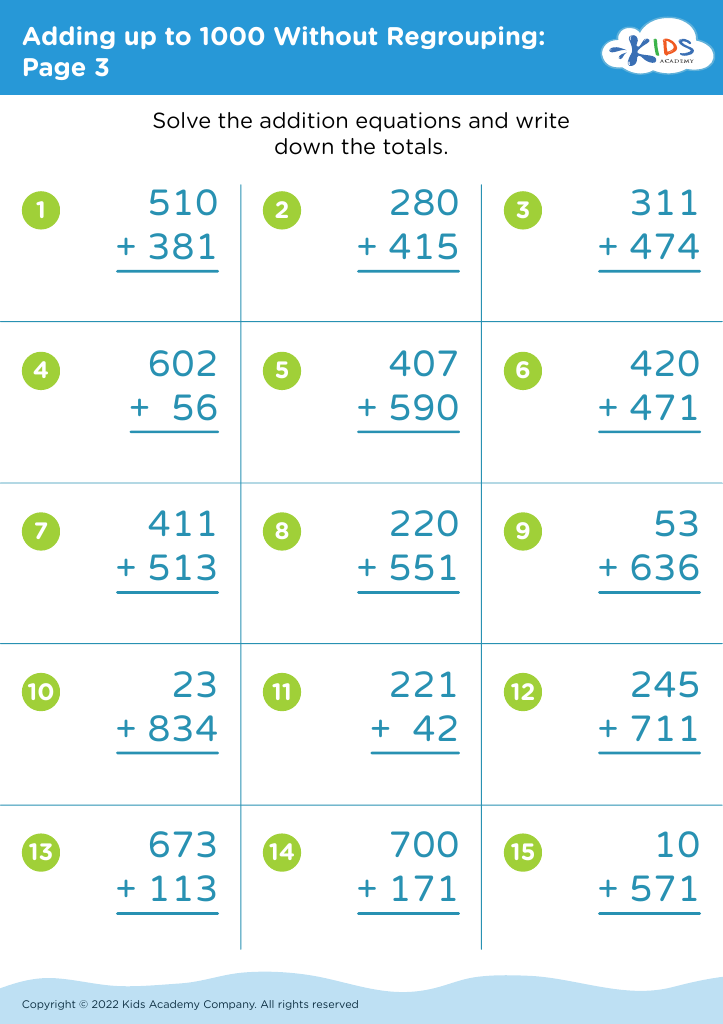
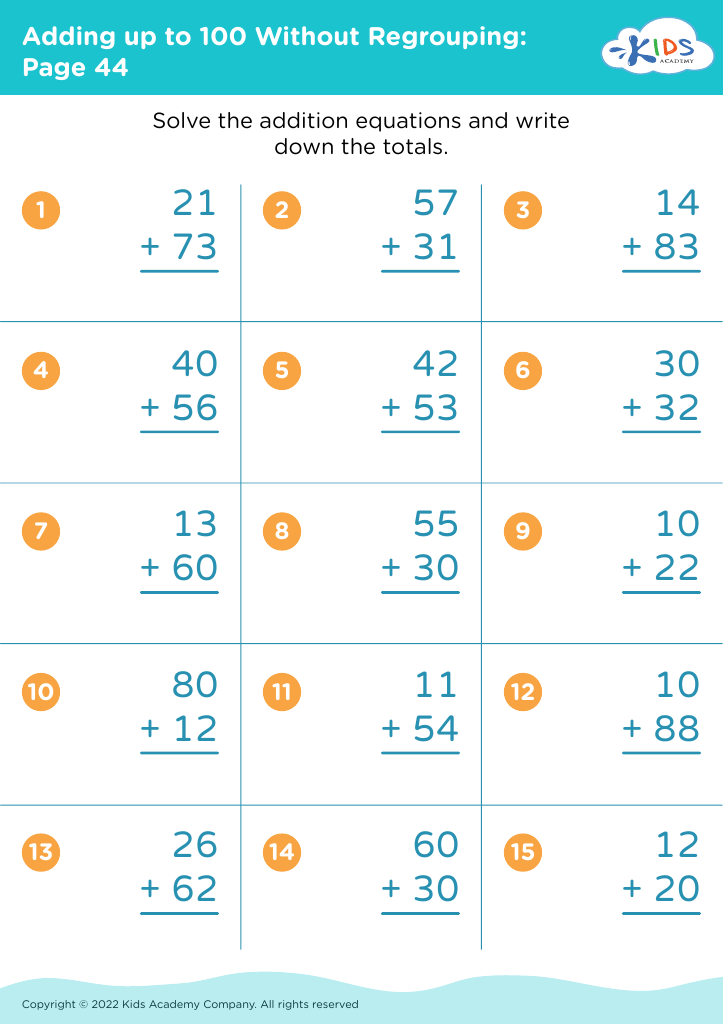
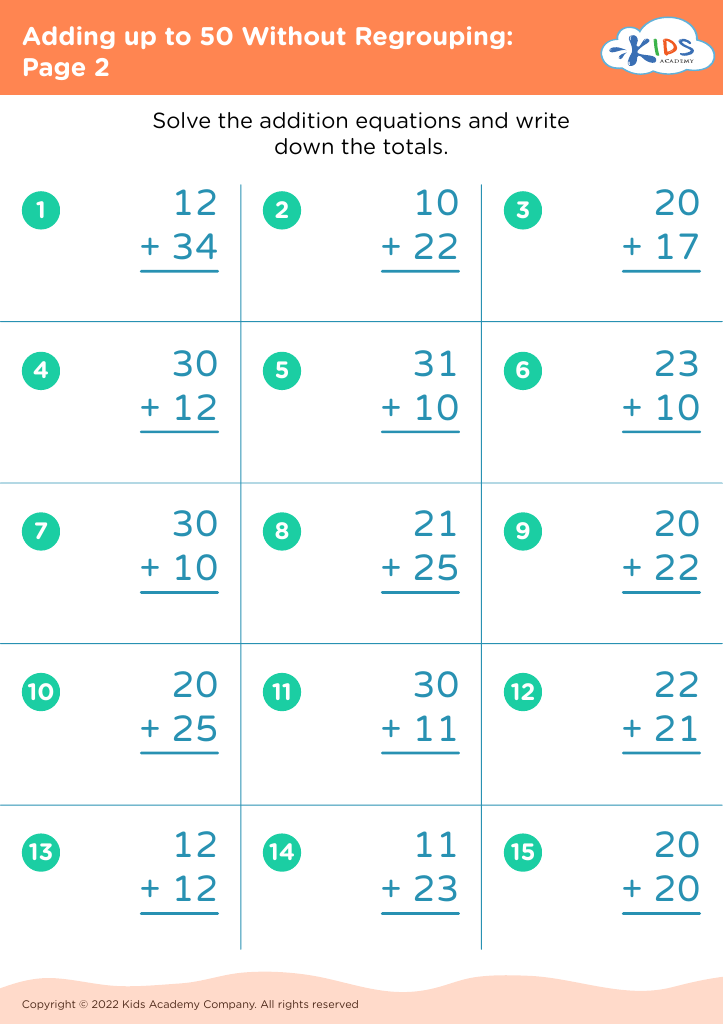
Inspire a love for math with our "Understand Patterns Math Worksheets for 7-Year-Olds." These engaging, colorful worksheets are designed to help young learners recognize, analyze, and create patterns, a fundamental math skill. Packed with fun exercises including sequences, shapes, and number patterns, each worksheet encourages critical thinking and problem-solving in an enjoyable way. Perfect for classroom use or at-home practice, our printable resources cater to different learning styles, making math accessible and exciting. Give your child the tools they need to build a solid mathematical foundation with our expertly crafted worksheets. Discover the joy of learning math with us!
Favorites
With answer key
Interactive
Join Kids Academy for Free
Who is primarily going to use this learning content?







Understanding patterns in math is foundational for 7-year-olds because it sets the stage for a range of essential academic skills. Patterns help children recognize order and predictability, nurturing critical thinking and problem-solving abilities. When children engage with patterns, they learn to observe and analyze sequences, fostering a mindset that is crucial not only in math but also in reading and science.
For instance, patterns are the early building blocks of algebra, teaching kids about relationships and functions. By recognizing patterns, children improve their number and spatial sense, which is significant for tackling more advanced math topics like multiplication and division. Moreover, these skills enhance their ability to see the relationships between numbers, promoting deep mathematical understanding rather than mere memorization.
From a cognitive perspective, patterns contribute to developing memory and fine motor skills, and they boost a child’s confidence and interest in math. These skills are transferrable to other subjects; understanding patterns in language can improve reading comprehension and grammar.
Additionally, the ability to identify and create patterns encourages creativity and innovation. For parents and teachers, investing time in teaching patterns can make learning more interactive and enjoyable, resulting in lifelong positive attitudes toward mathematics and learning in general. Ultimately, recognizing the importance of patterns can greatly contribute to the holistic intellectual development of a child.








