
Visualization skills Math Worksheets for 7-Year-Olds
3 filtered results
Difficulty Level
Grade
Age
-
From - To
Subject
Activity
Standards
Empower your child's math journey with our engaging Visualization Skills Math Worksheets designed specifically for 7-year-olds. These printable worksheets blend fun and education, helping children develop critical thinking and problem-solving abilities. With vibrant visuals and interactive activities, kids will grasp essential math concepts effortlessly, improving their spatial awareness and cognitive skills. Tailored to meet curriculum standards, these worksheets make learning enjoyable and effective. Perfect for both classroom and home use, our collection ensures children stay motivated and confident in their math abilities. Unlock your child's potential with our expertly crafted visualization skills worksheets today!
Favorites
With answer key
Interactive
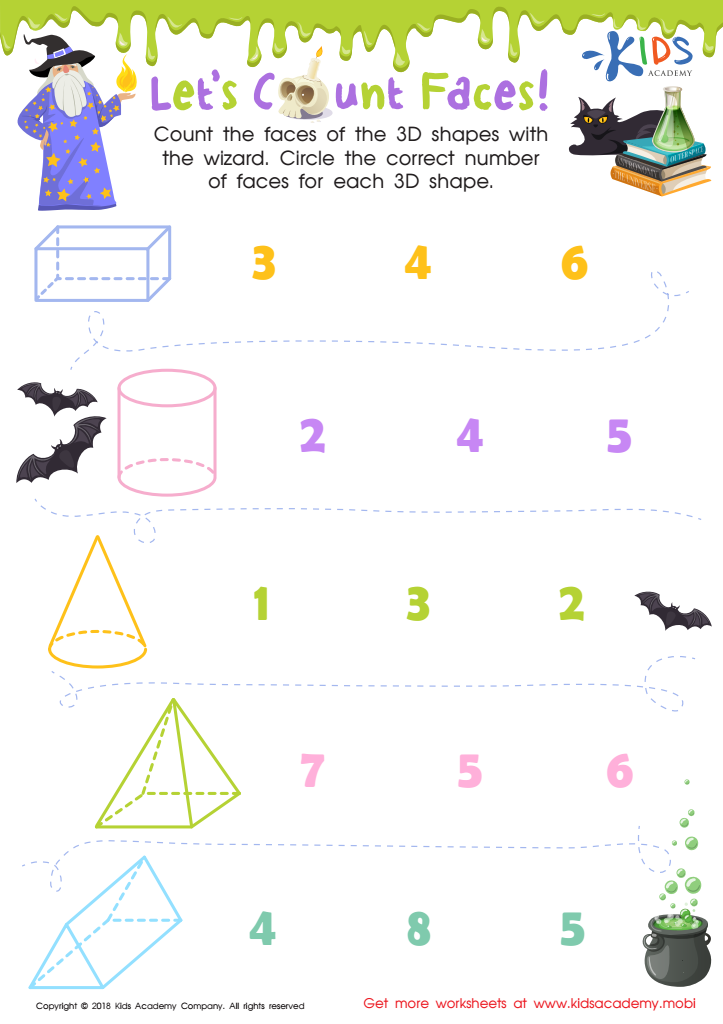
Let's Count Faces! Worksheet
Help the wizard count the faces of 3D shapes! Ask your kids to identify the shapes before beginning, then have them circle the correct number of faces. Enjoy this fun wizard-themed worksheet with your kids!
 Assign to My Students
Let's Count Faces! Worksheet
Worksheet
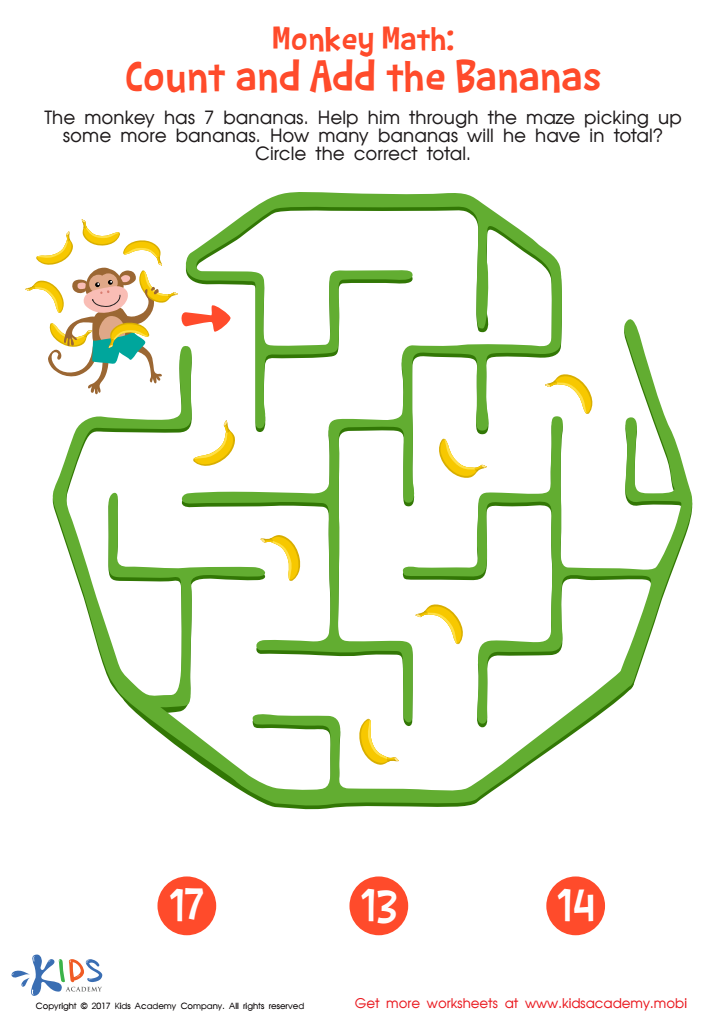
Monkey Math Worksheet
Worksheet
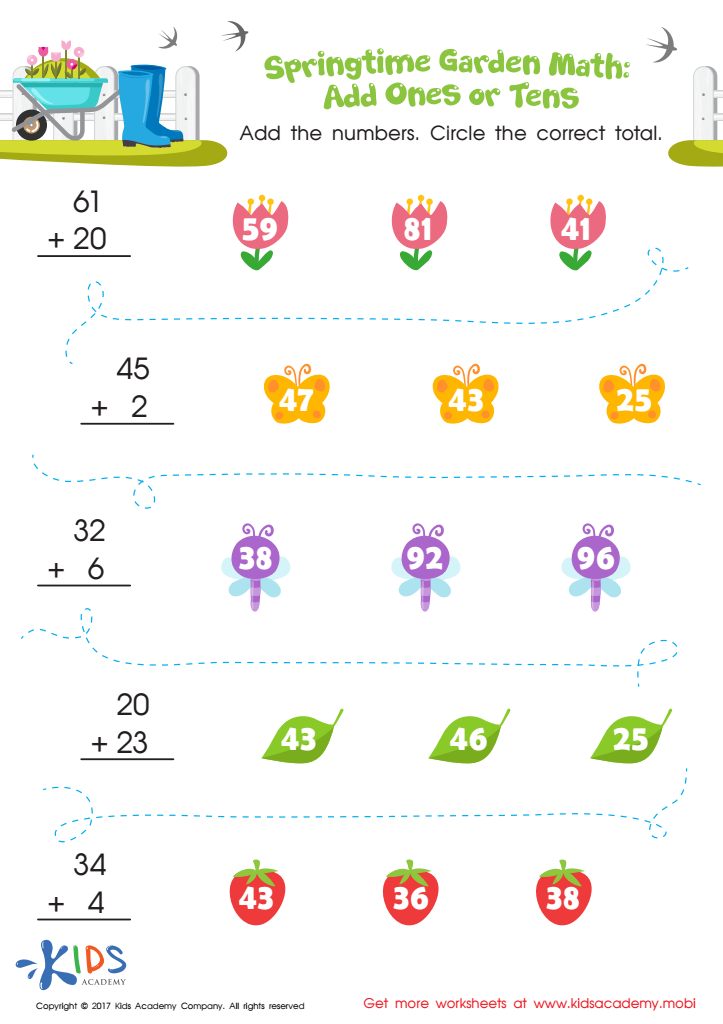
Springtime Garden Math Worksheet
Get your kid ready for math success with this bright garden-themed addition worksheet! They'll practice adding two-digit numbers and check their answers with the choices provided. It's an effective way to help kids build skills, as practice strengthens understanding. Get printing for math mastery!
Springtime Garden Math Worksheet
Worksheet
Join Kids Academy for Free
Who is primarily going to use this learning content?






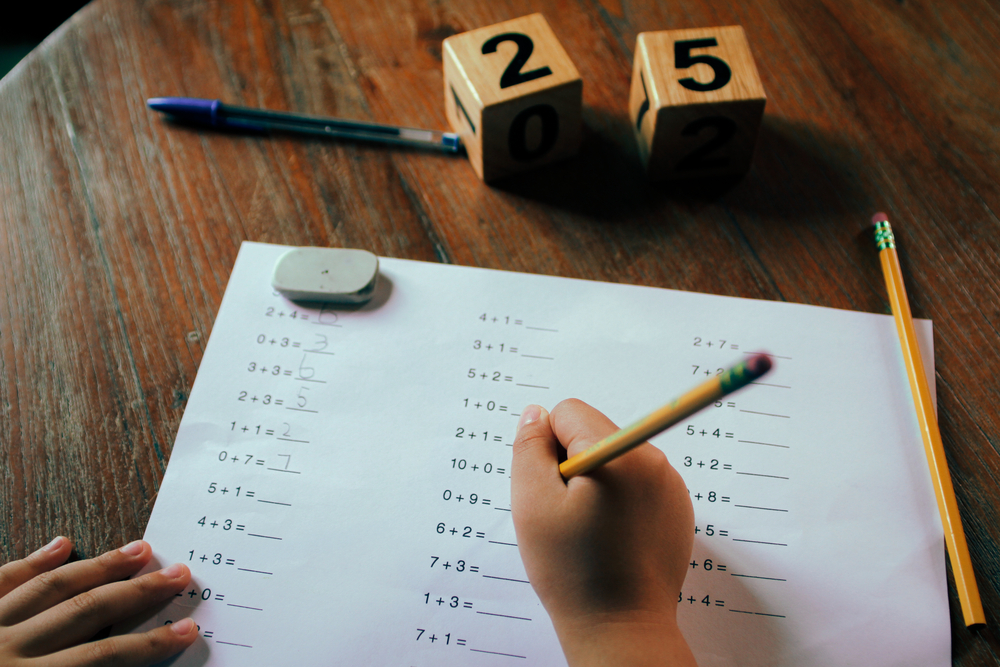

Visualization skills in math are crucial for 7-year-olds as they help lay the foundation for more advanced mathematical concepts. At this age, children are transitioning from concrete to more abstract levels of thinking. Visualization helps them make this transition smoothly. When children can picture numbers, shapes, and patterns in their minds, they develop a stronger conceptual understanding, which is essential for problem-solving.
For instance, visualizing simple addition or subtraction with number lines, or imagining geometric shapes, enables children to grasp the basics more intuitively and retain the information longer. These skills also enhance spatial awareness and reasoning, important for geometry and everyday tasks.
Furthermore, strong visualization skills boost a child's confidence in their math abilities. When kids can "see" a problem in their heads, they often find it less intimidating and are more motivated to tackle it.
Early refinement of these skills helps prevent future struggles in math, making learning more enjoyable and productive. Teachers and parents who actively encourage visualization exercises—through playing with building blocks, drawing, and using visual math aids—help children develop these critical competencies. Overall, the investment in visualization skills at a young age leads to greater academic success and fosters a positive attitude towards mathematics.








