Critical Thinking Reading Non-Fiction Worksheets for 7-Year-Olds
5 filtered results
-
From - To
Enhance your 7-year-old’s critical thinking skills with our engaging Non-Fiction Reading Worksheets! Designed specifically for young learners, these worksheets encourage curiosity and analytical thinking. Through fun exercises that incorporate reading comprehension, summarization, and questioning, children will explore various non-fiction topics, fostering a love for learning. Our resources promote essential skills, helping kids to identify main ideas, recognize factual information, and engage with what they read in a meaningful way. Perfect for in-class activities or home study, these worksheets make learning enjoyable while preparing your child for academic success. Start cultivating critical thinkers today with our exciting, easy-to-use worksheets!
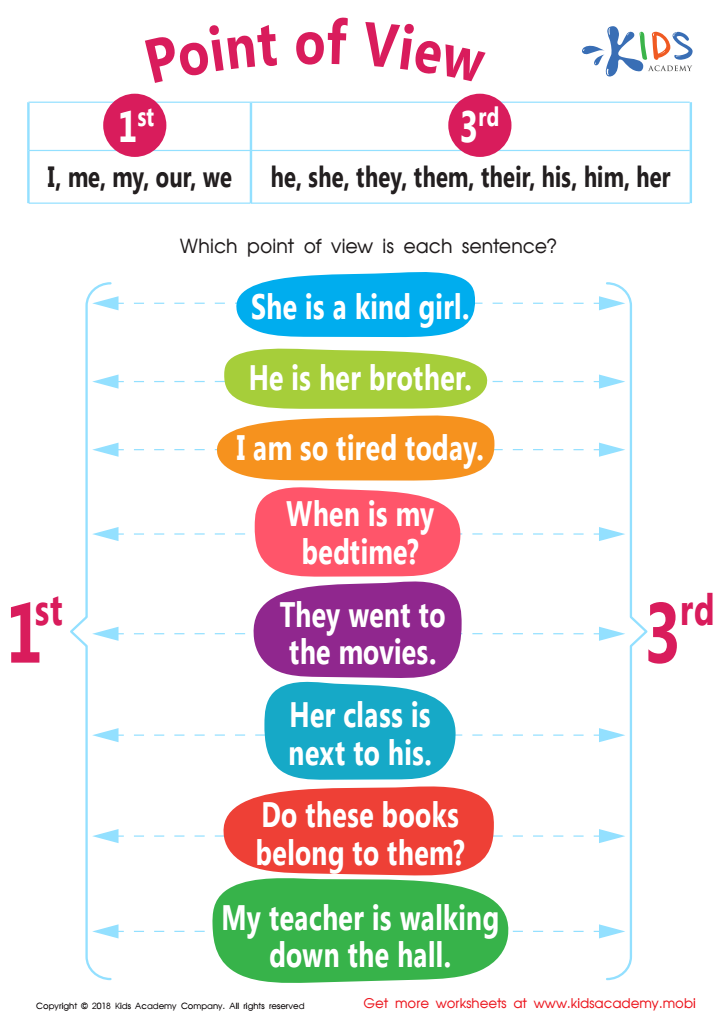
Point of View Worksheet
 Assign to My Students
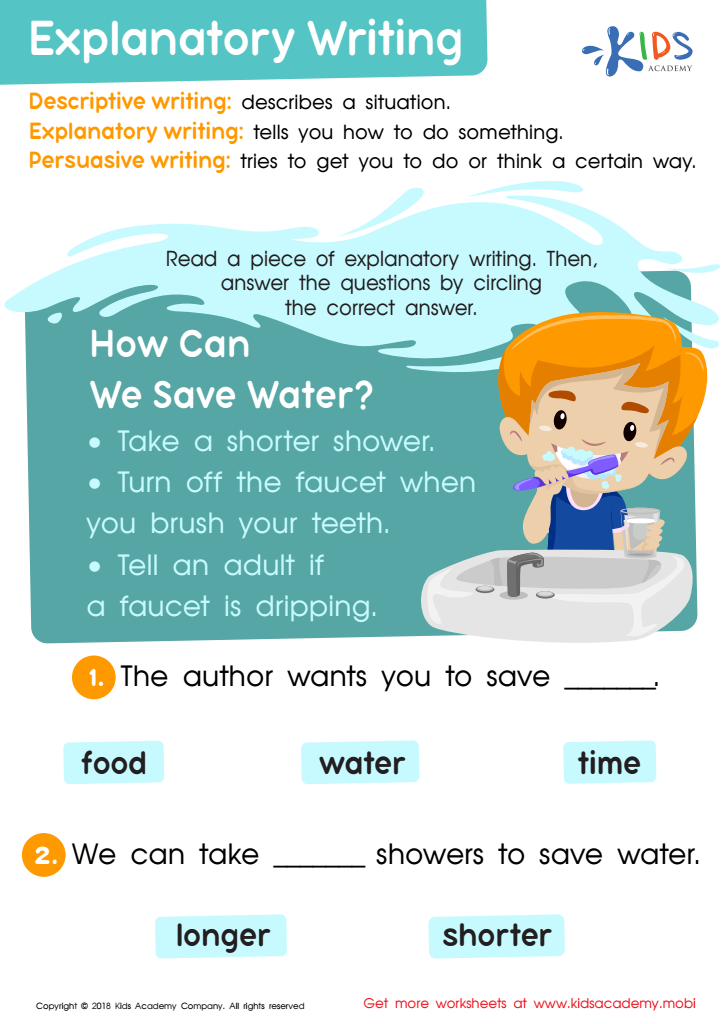
Explanatory Writing Worksheet
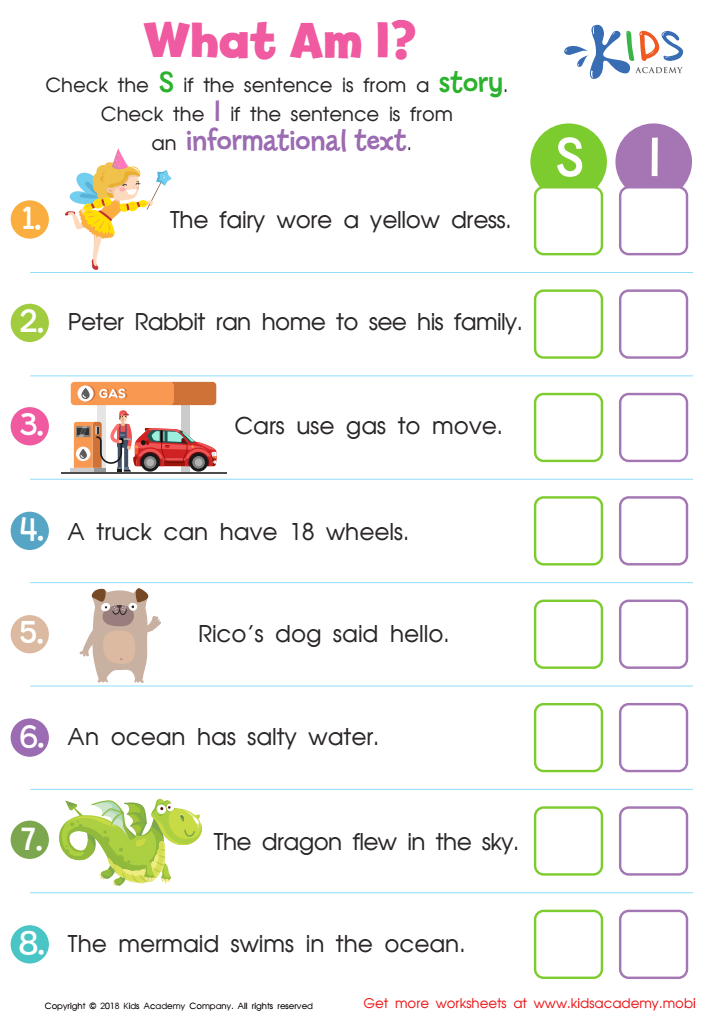
What Am I? Worksheet

Assessment: First Thanksgiving Worksheet
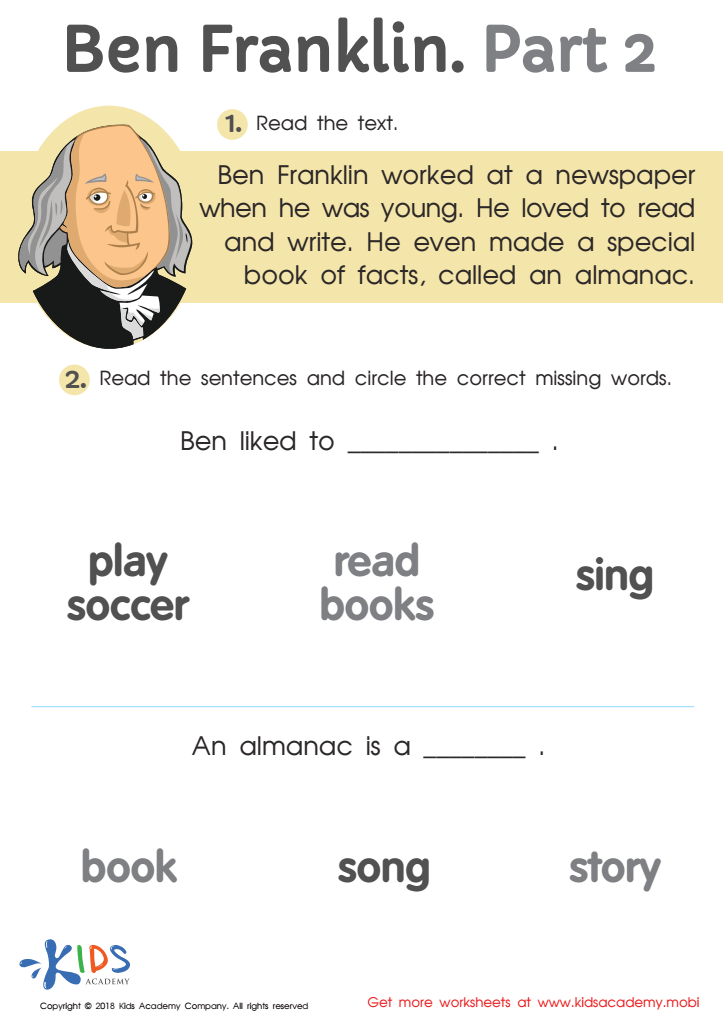
Ben Franklin Part 2 Worksheet








Parents and teachers should prioritize Critical Thinking Reading Non-Fiction for 7-year-olds because it lays a strong foundation for cognitive and analytical skills essential in today's information-rich world. At this age, children are naturally curious, eager to understand how the world works. Introducing them to non-fiction texts not only satisfies this curiosity but also fosters critical thinking by encouraging them to analyze, question, and synthesize information.
When children engage with factual content, they learn to differentiate between fact and opinion, recognize bias, and assess the credibility of sources. These skills are vital as they navigate an ever-expanding media landscape awash with information. Moreover, non-fiction reading promotes vocabulary expansion and comprehension, helping children articulate their thoughts clearly and confidently.
By integrating critical thinking into their reading habits, young learners gain the tools to tackle complex problems and make informed decisions as they grow. This intellectual development contributes positively to their academic performance and lifelong learning. Ultimately, nurturing critical thinkers from a young age equips children with essential skills to thrive in a diverse, fast-paced world and develop into informed, responsible citizens. Both parents and teachers play a crucial role in making this a vital part of early education.








