Alphabet Learning Worksheets for Ages 8-9
5 filtered results
-
From - To
Discover our engaging Alphabet Learning Worksheets designed specifically for children aged 8-9! These interactive worksheets foster essential literacy skills while keeping your young learners motivated and excited. With a blend of fun activities like matching letters, filling in missing letters, and practicing handwriting, kids will enhance their understanding of the alphabet and build a solid foundation for reading and writing. Our age-appropriate resources are crafted to boost confidence and enjoyment in learning. Perfect for home practice or classroom use, these worksheets are ideal for reinforcing alphabet knowledge. Explore our collection and empower your child’s journey to literacy today!
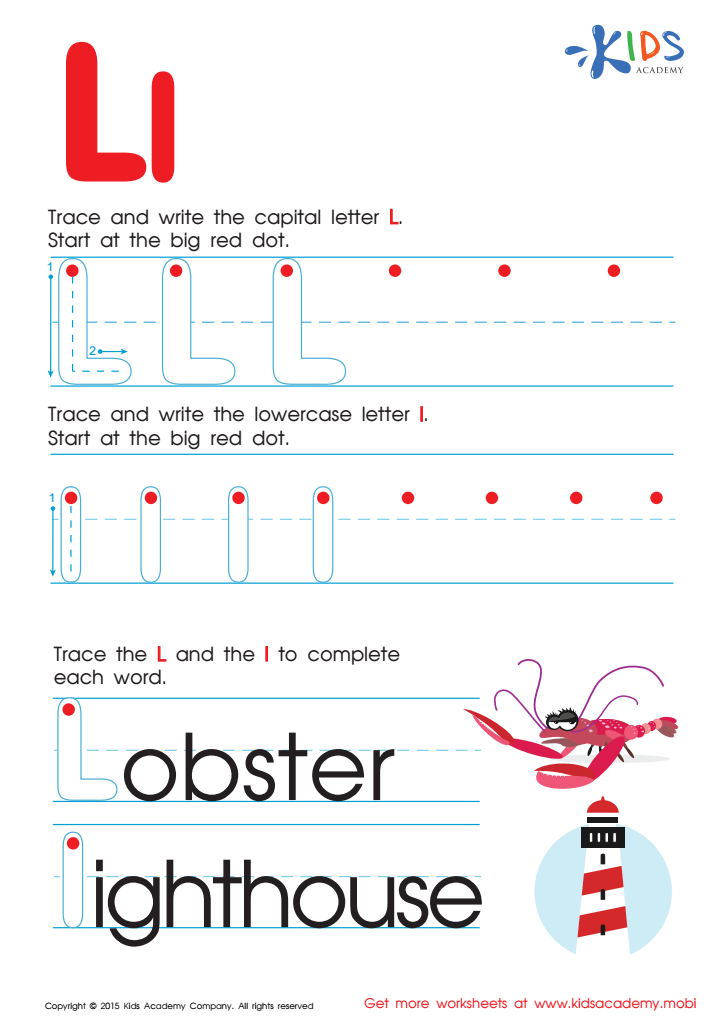
Letter L Tracing Page
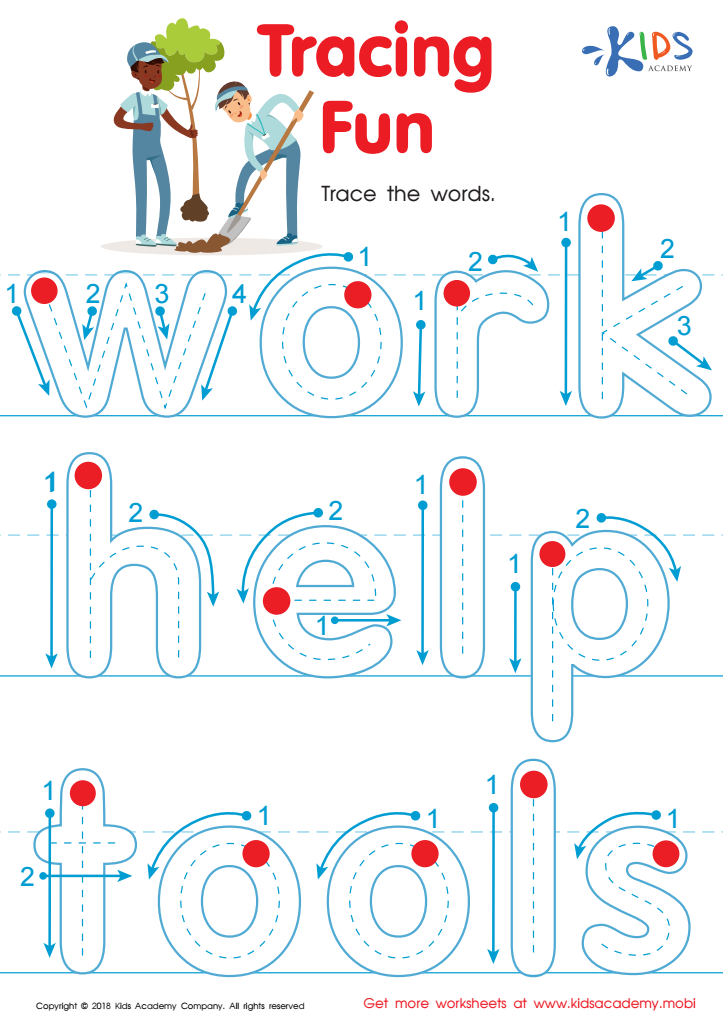
Tracing Fun Worksheet
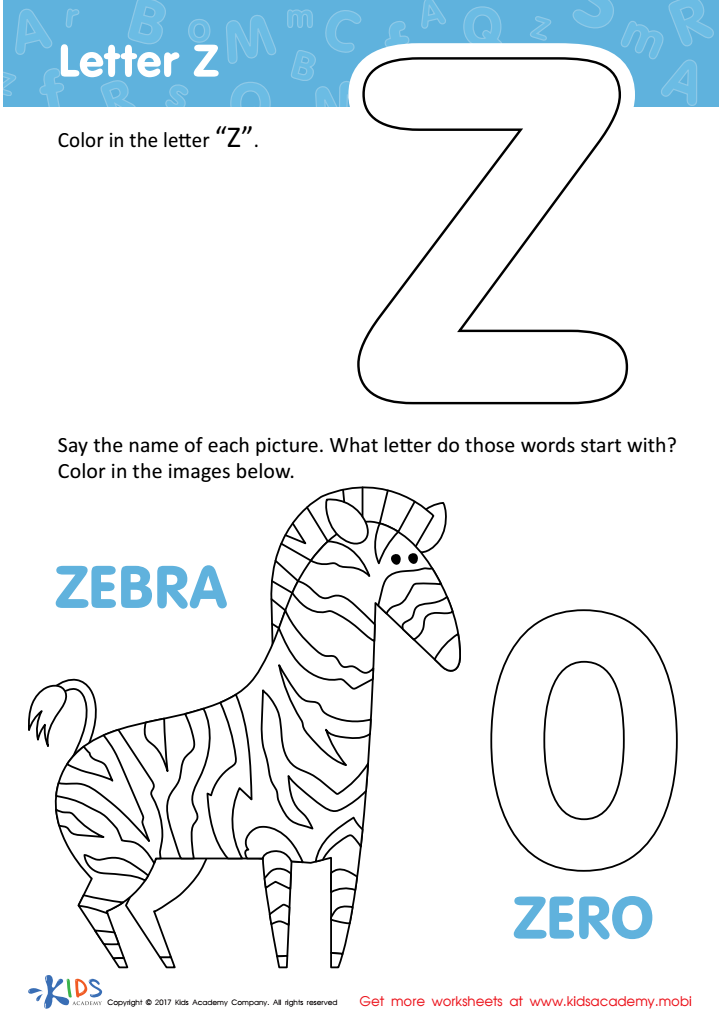
Letter Z Coloring Sheet
 Assign to My Students
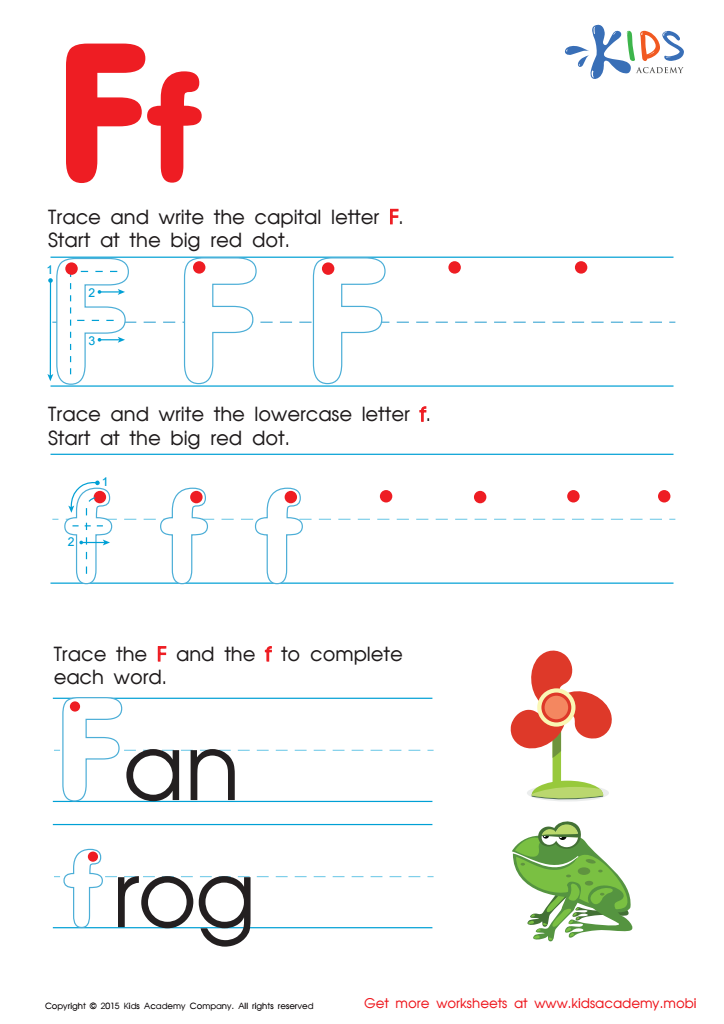
Letter F Tracing Page







Alphabet learning for children ages 8-9 plays a crucial role in their literacy development, laying a solid foundation for future academic success. At this age, children are transitioning from basic phonics to more complex reading and writing skills. This period is critical as effective letter recognition and sound-letter associations empower students to tackle more challenging materials.
Parents and teachers should care because strong alphabet mastery directly influences comprehension and communication skills. If children are confident in their ability to read and write, they are more likely to engage positively with learning materials, enhancing their vocabulary and critical thinking abilities. Likewise, struggling with the alphabet can lead to frustration, reducing a child's enthusiasm for school and learning.
Moreover, alphabet learning at this stage promotes cognitive development. It fosters problem-solving skills, creativity, and the ability to express oneself effectively. By nurturing these foundational skills, adults help prepare children not just for academic assessments but for real-world communication.
Ultimately, fostering proficient alphabet learning is an investment in a child's overall development, influencing their relationships with peers, and lifelong learning experiences. It is imperative for parents and educators to cultivate strong literacy skills during these formative years.








