Color recognition Worksheets for Ages 8-9 - Page 4
75 filtered results
-
From - To
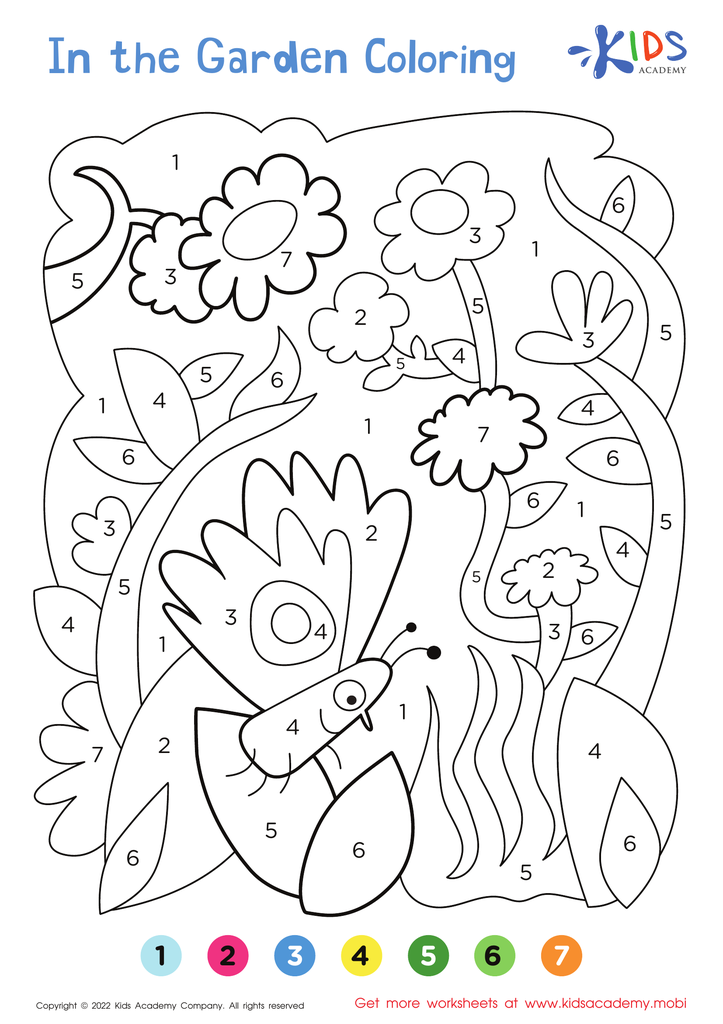
In the Garden – Coloring by Numbers



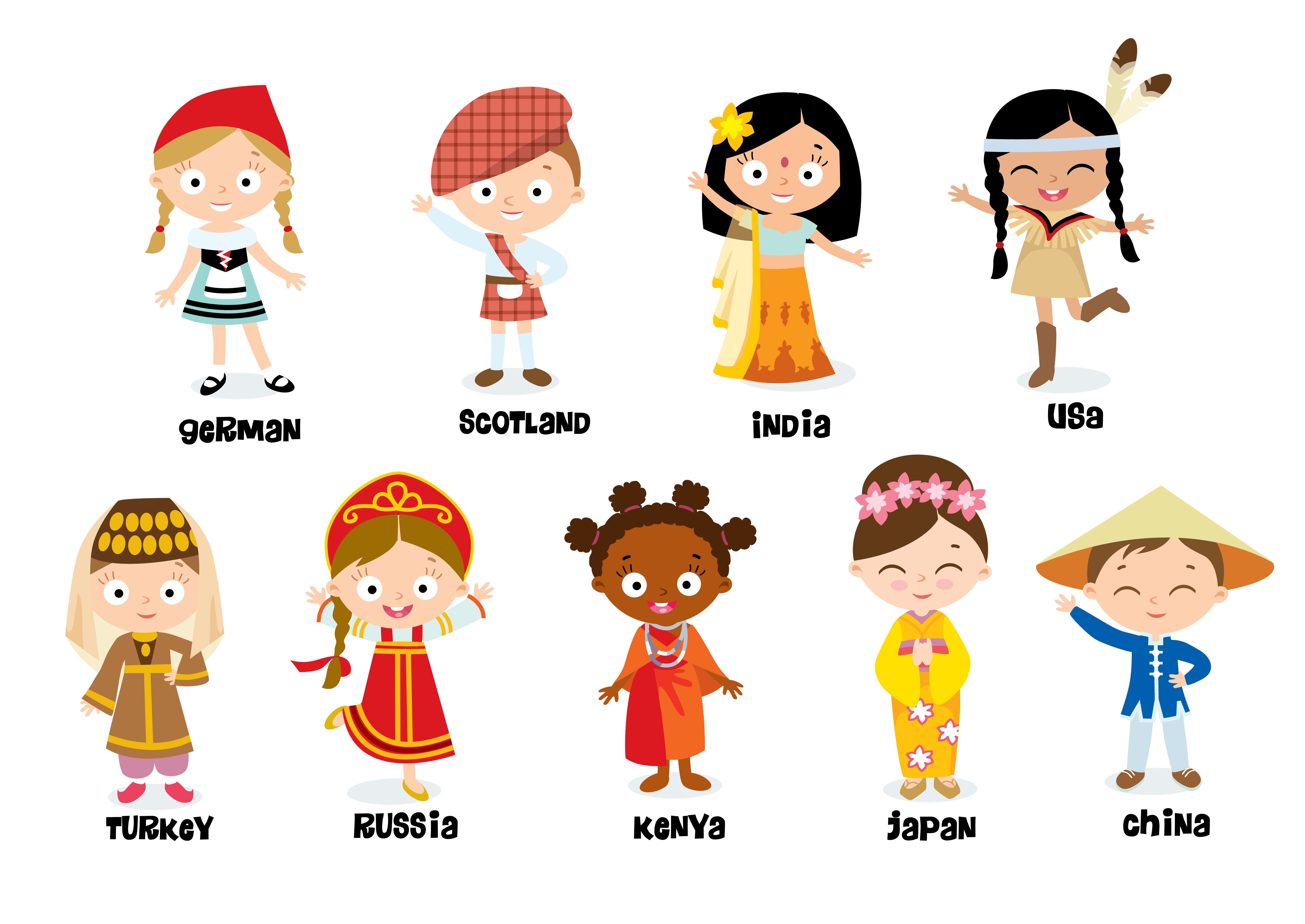




Color recognition is an important developmental milestone for children aged 8-9, with significant implications for both academic success and overall cognitive development. At this age, kids are building foundational skills in areas like reading, writing, and math. Understanding colors enhances their ability to differentiate between concepts and symbols. For instance, in math, recognizing patterns, graphs, or shapes may require an understanding of color to interpret information effectively.
Moreover, color recognition plays a vital role in creativity and self-expression. Encouraging children to explore and relate colors to their feelings or experiences can promote emotional intelligence and confidence in their artistic abilities. Incorporating color-related tasks and discussions supports fine motor skills through activities such as coloring, painting, or even coding with colors in technology lessons.
Additionally, in a diverse and vibrant world, understanding colors enriches children's experiences. It fosters their cultural awareness and appreciation, as colors often carry specific meanings in different contexts. By focusing on color recognition, parents and teachers prepare children not only for academic achievement but also for social interactions and personal growth. Engaging them in discussions and activities regarding colors nurtures both cognitive skills and emotional development.








