Develop number recognition Worksheets for Ages 8-9
5 filtered results
-
From - To
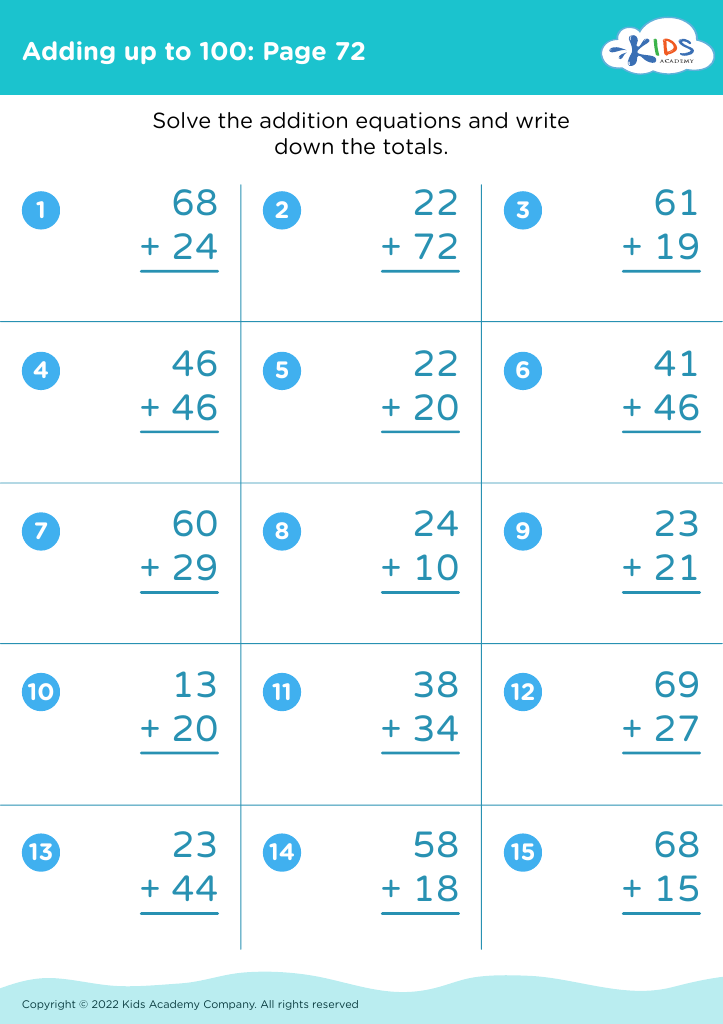
Explore our engaging number recognition worksheets designed specifically for children aged 8-9! These worksheets provide a fun and interactive way for kids to strengthen their numerical skills. Through a variety of activities, including matching, counting, and pattern recognition, students will enhance their understanding of numbers in a supportive environment. Perfect for both classroom instruction and at-home learning, our printables cater to different learning styles, helping children to build confidence in math concepts. Visit our website to access a range of worksheets that not only reinforce essential skills but also encourage a love for learning. Get started today!
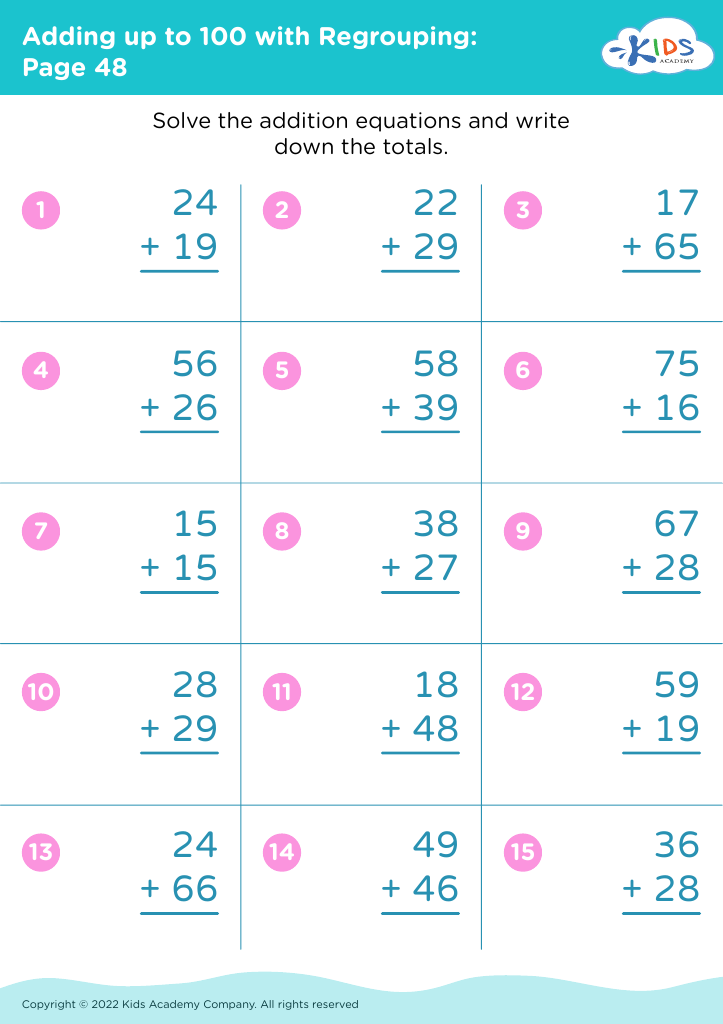
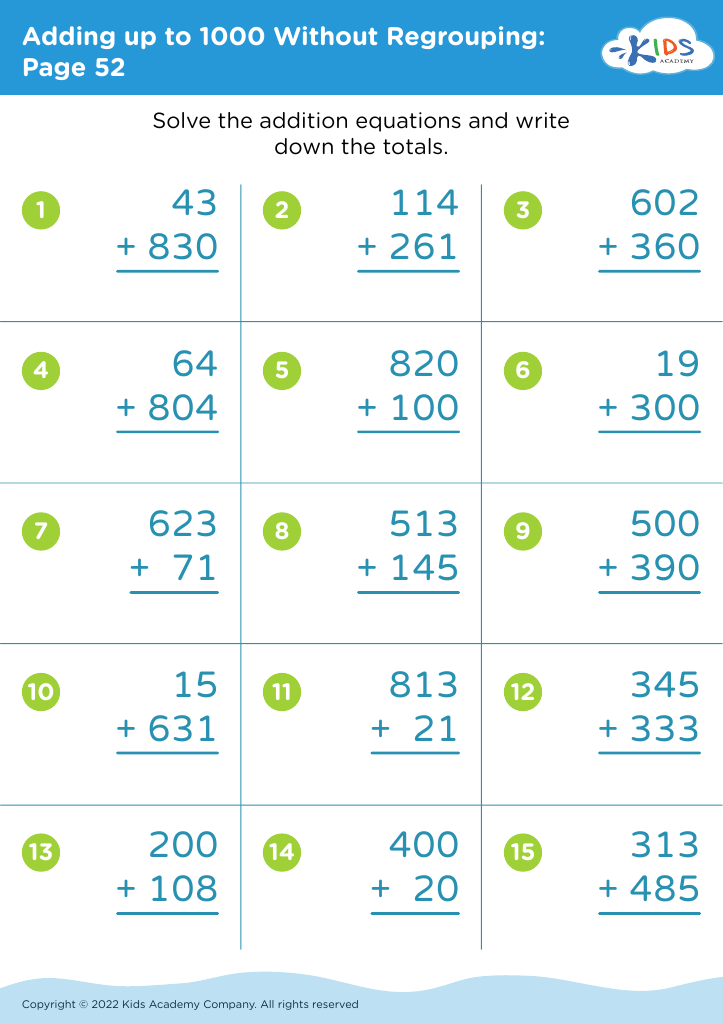
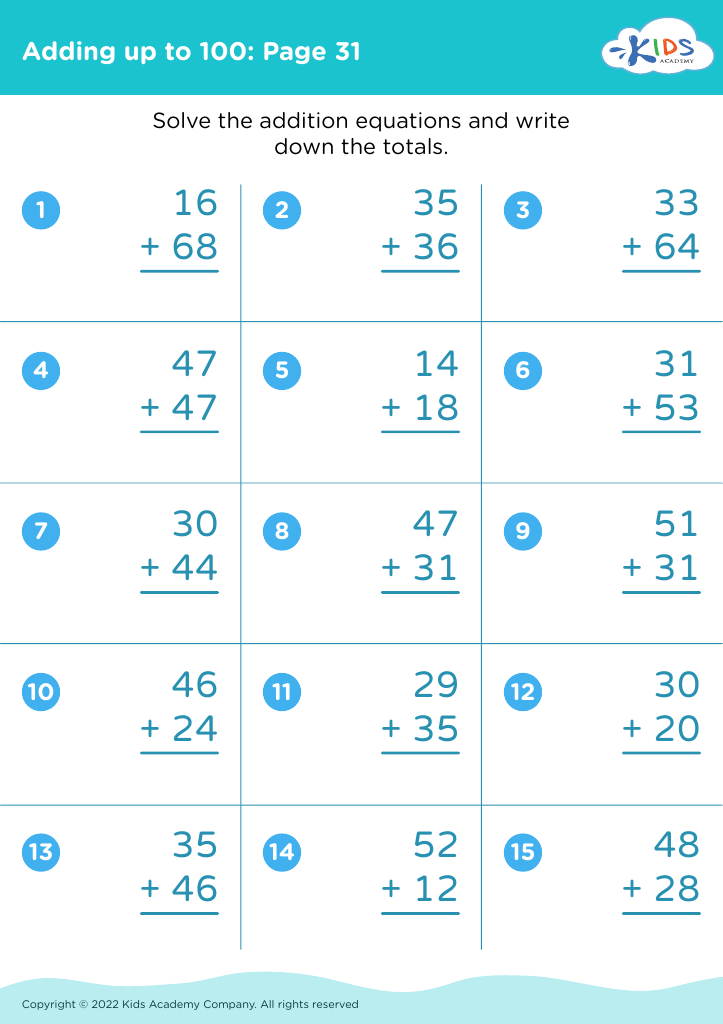
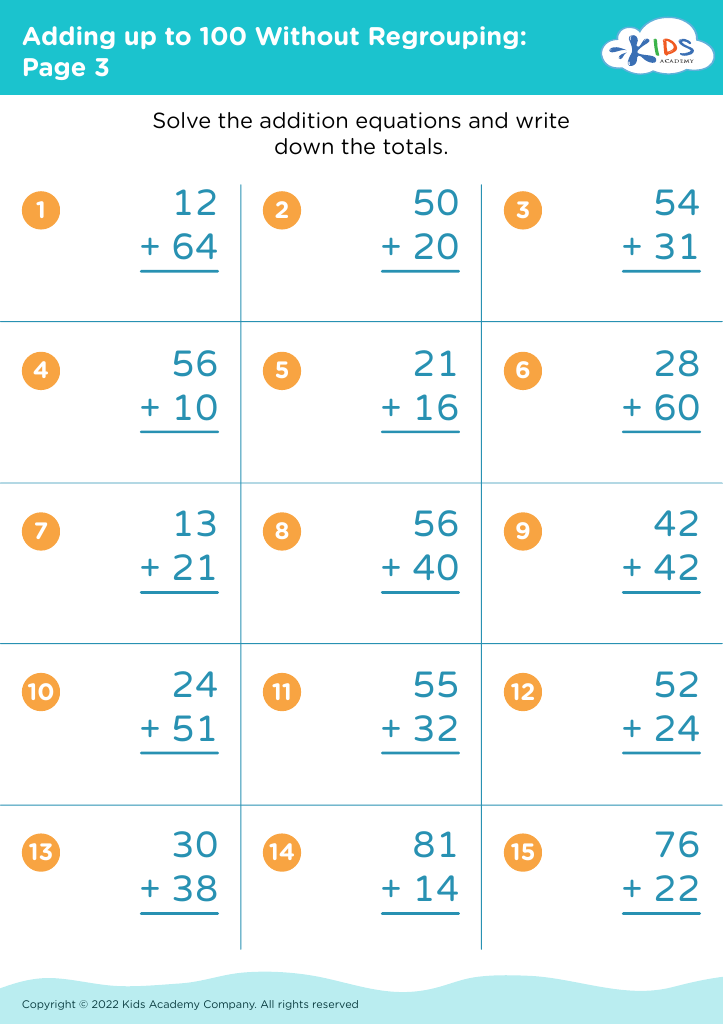







Developing number recognition for children ages 8-9 is crucial for several reasons. At this stage, children are transitioning into more complex mathematical concepts that serve as the building blocks for future learning. Mastery of number recognition enables children to understand number sequences, place value, and basic operations, which are essential for problem-solving and analytical thinking.
Additionally, strong number recognition can boost a child's confidence in mathematics. Children who feel secure in their understanding of numbers are more likely to engage actively in class discussions and attempts to tackle challenging problems. This sense of achievement encourages a positive attitude towards math and helps foster a lifelong love of learning.
Moreover, number recognition is closely tied to real-world applications, such as budgeting, time management, and measurement. As children become more independent, these skills become increasingly vital. Parents and teachers play a significant role in providing opportunities for practice and reinforcement through games, activities, and everyday experiences.
Ultimately, focusing on number recognition not only enhances mathematical proficiency but also cultivates critical thinking and practical skills, equipping children for future academic success and daily interactions in an increasingly numerically-oriented world.








