Fine motor skills (writing numbers) Worksheets for Ages 8-9
4 filtered results
-
From - To
Discover our engaging Fine Motor Skills Worksheets designed specifically for children aged 8-9! These worksheets focus on enhancing writing numbers through fun and interactive activities. Each worksheet targets essential fine motor skills, helping kids improve grip and control as they practice writing numbers accurately. Our age-appropriate exercises not only build confidence in their abilities but also encourage creativity and enjoyment in learning. Parents and teachers alike can use these worksheets to support the development of essential skills that lay the groundwork for future success in math. Start your child's journey towards fine motor mastery today with our beautifully crafted worksheets!
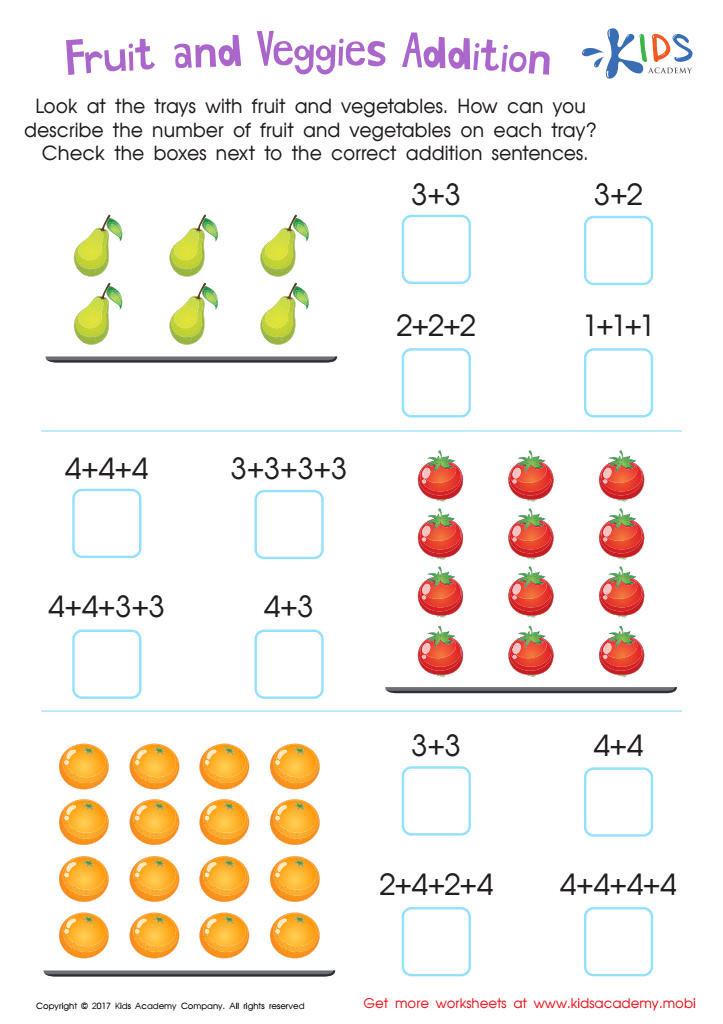
Fruit and Veggies Worksheet
 Assign to My Students
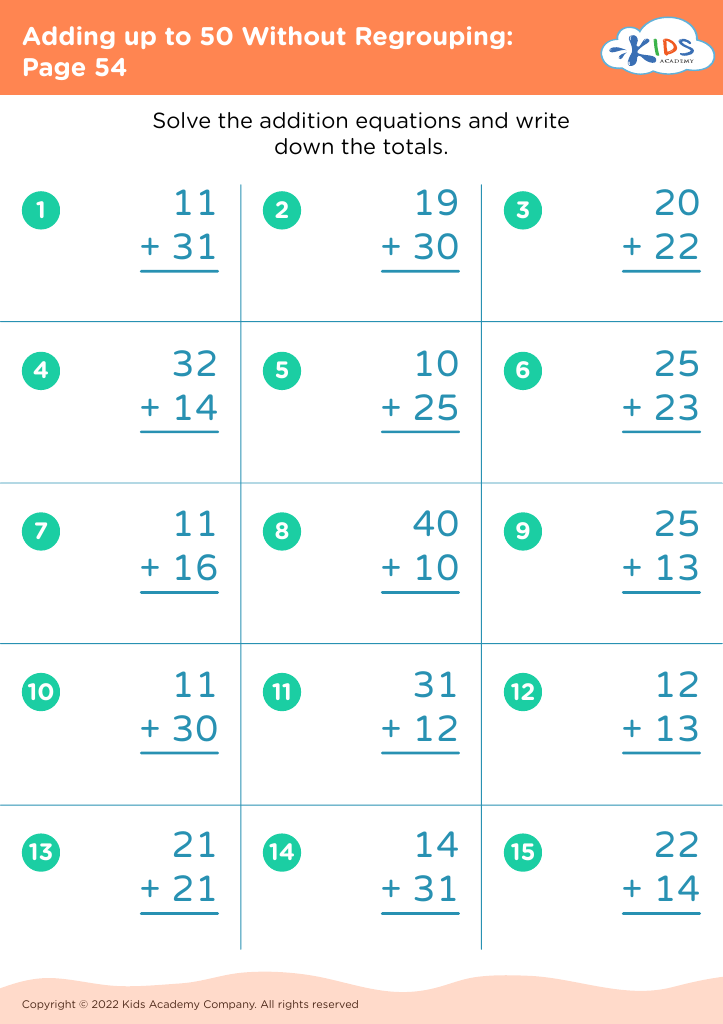

A Hundred Pineapples Worksheet
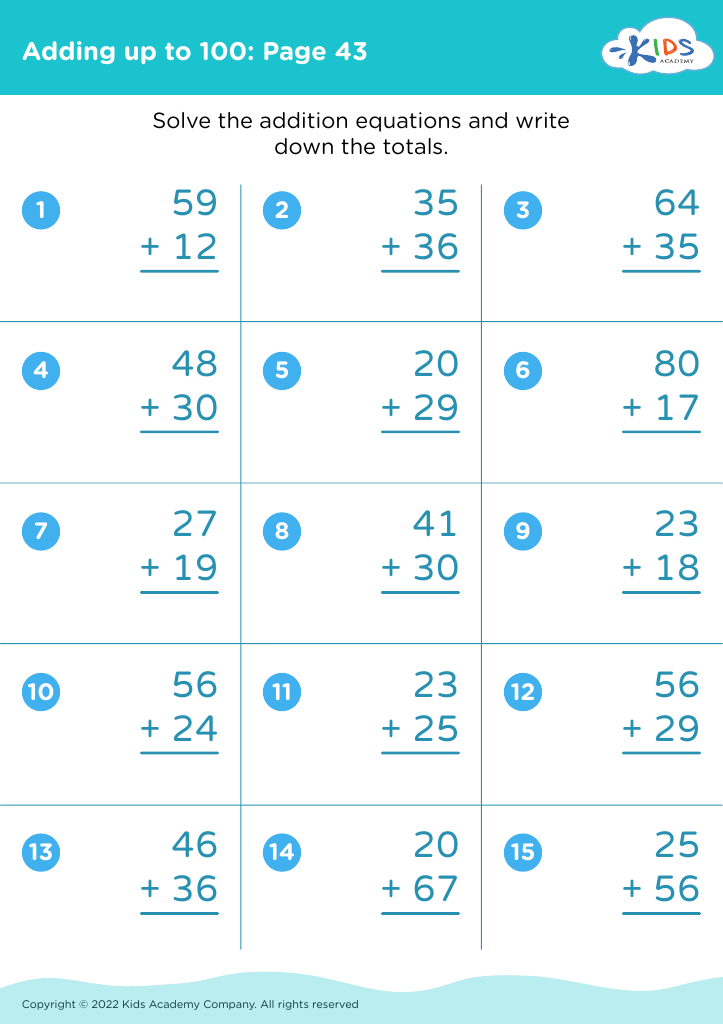








Fine motor skills are crucial for children ages 8-9, especially when it comes to writing numbers. At this age, children are expected to advance from basic number recognition to more complex mathematical concepts. Developing strong fine motor skills enables them to write numbers clearly and accurately, which not only aids in math but also builds their confidence in academic performance.
Writing numbers requires precise hand movements and coordination, which are integral to a child's overall motor development. When children struggle with fine motor skills, they may experience frustration while writing, which can lead to a negative attitude towards learning. By fostering these skills, parents and teachers can help ensure that children maintain a positive and engaging learning experience.
Moreover, proficiency in fine motor skills lays the groundwork for future achievements in various areas, including art, technology, and everyday tasks. Encouraging practice through fun activities, like crafting or drawing, enhances their dexterity and concentration. Ultimately, investing time in developing these skills helps children not only overcome immediate writing challenges but also equips them for success in their educational journey and beyond. By valuing fine motor skills, parents and teachers can play a significant role in nurturing a child's growth and self-esteem.








