Sorting skills Worksheets for Ages 8-9
5 filtered results
-
From - To
Enhance your child’s sorting skills with our engaging worksheets designed for ages 8-9! These printable resources provide fun and challenging activities that help young learners categorize objects, identify patterns, and develop critical thinking abilities. Each worksheet promotes hands-on learning through various sorting tasks that incorporate real-life examples, making abstract concepts more relatable. Perfect for use at home or in the classroom, these sorting skills worksheets are designed to foster independence and confidence in students. With colorful illustrations and diverse exercises, your child will enjoy mastering sorting while building foundational math skills. Explore our worksheets today to spark a love for learning!
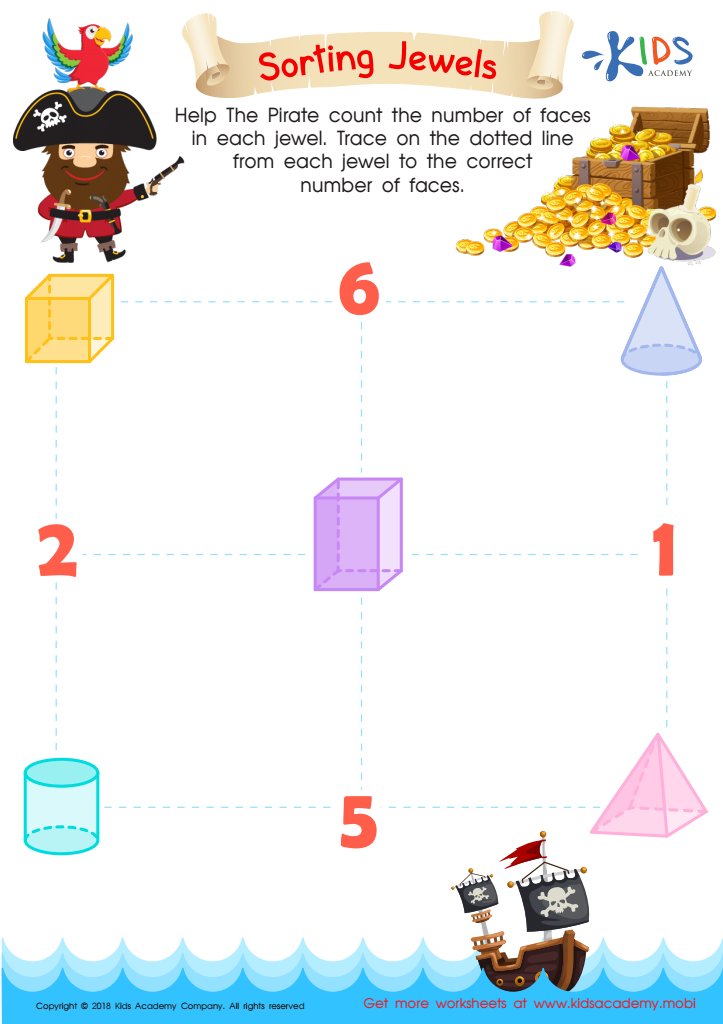
Sorting Jewels Worksheet
 Assign to My Students
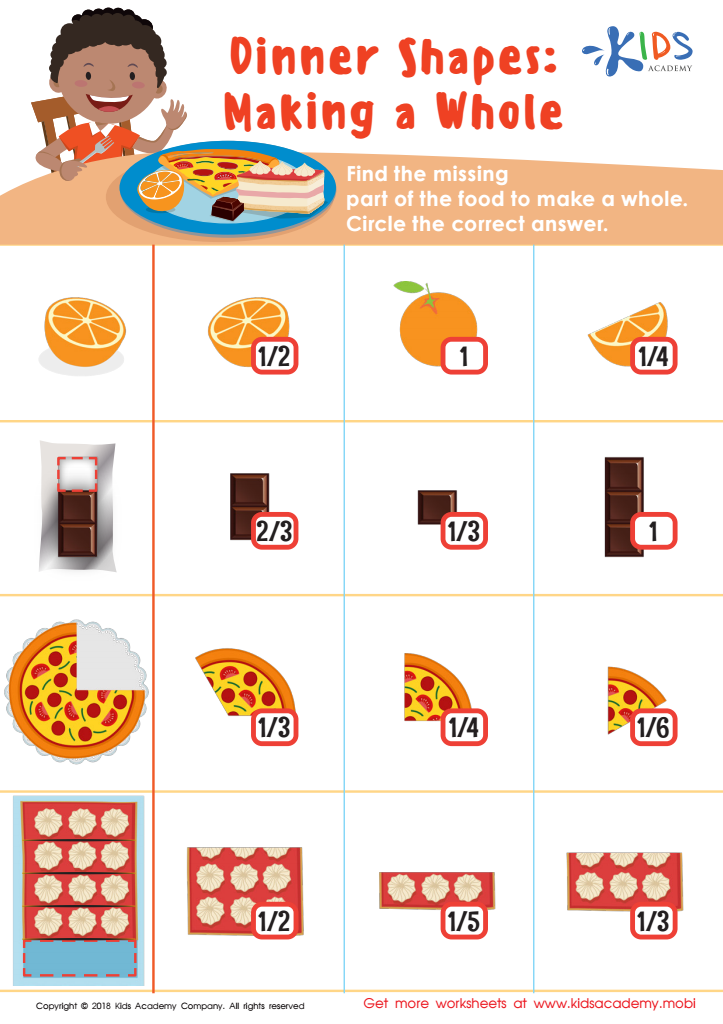
Dinner Shapes: Making a Whole Worksheet
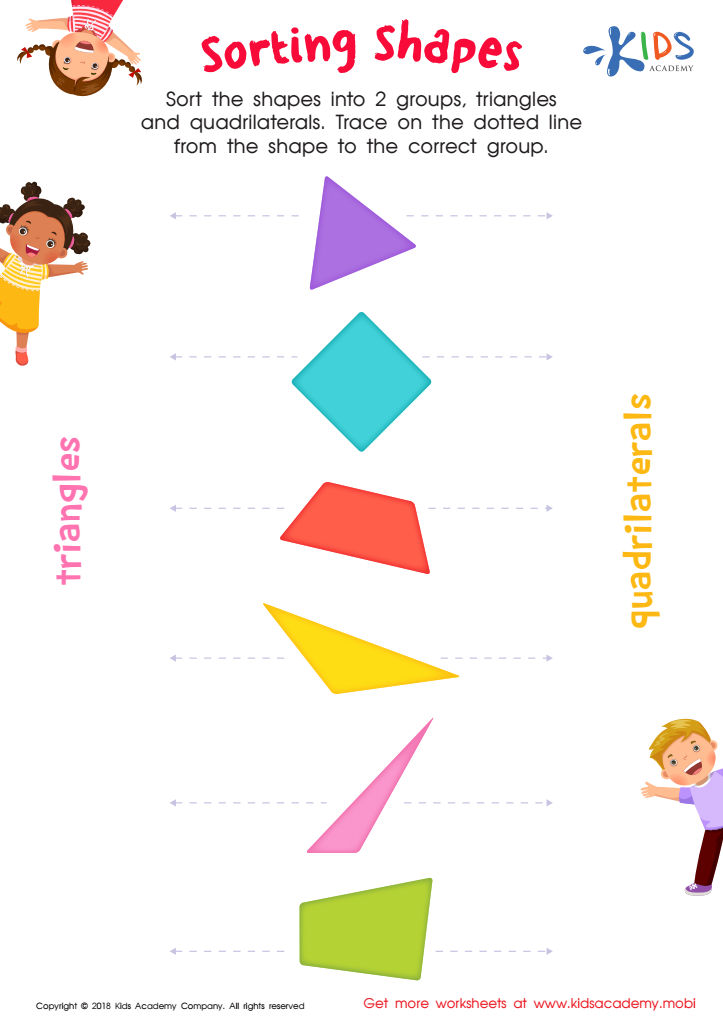
Sorting Shapes Worksheet






Sorting skills are critical for children aged 8-9 as they serve as foundational cognitive abilities that underpin various aspects of learning and daily life. During this developmental stage, children are refining their analytical thinking, and sorting activities enhance these skills by encouraging them to categorize information and identify patterns.
Parents and teachers should care about sorting skills because they directly relate to problem-solving and organizational abilities. Proficient sorting fosters critical thinking, as children learn to classify objects based on attributes such as color, size, or function. This ability to discern similarities and differences improves their aptitude for math, science, and language arts.
Moreover, sorting skills support emotional and social development. When children engage in collaborative sorting activities, they enhance their communication and teamwork skills, essential for interpersonal relationships. Encouraging sorting in everyday activities also cultivates independence, as children learn to organize their belongings or plan tasks effectively.
By nurturing sorting skills, parents and teachers equip children with essential tools for academic success and personal growth, preparing them for future challenges in an increasingly complex world. Supporting the development of these skills at a young age sets a strong foundation for lifelong learning and critical thinking.








