Understand sequences Worksheets for Ages 8-9
5 filtered results
-
From - To
Welcome to our "Understand Sequences Worksheets" for ages 8-9! These engaging and educational resources are designed to help young learners grasp the concept of sequences, fostering critical thinking and problem-solving skills. Our worksheets offer a variety of activities, including identifying patterns, completing sequences, and creating their own. Perfect for both classroom and at-home learning, these printable resources will keep your child entertained while enhancing their understanding of logical ordering, numbers, and everyday patterns. With colorful illustrations and age-appropriate challenges, our worksheets make mastering sequences fun and enjoyable. Dive into the world of sequences and watch your child’s confidence soar!
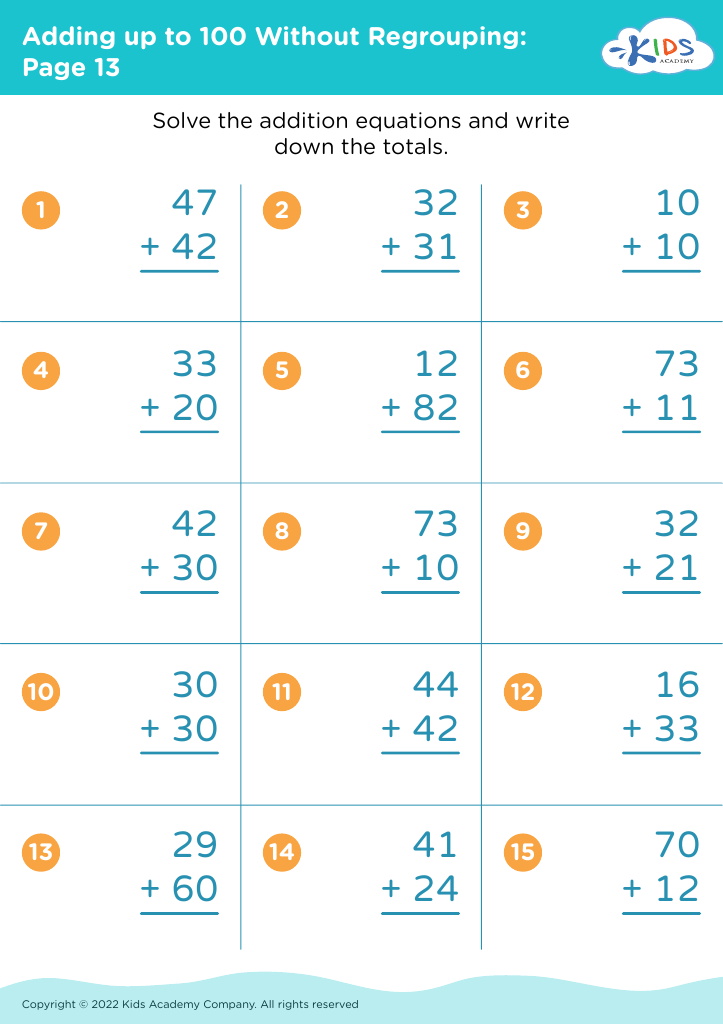
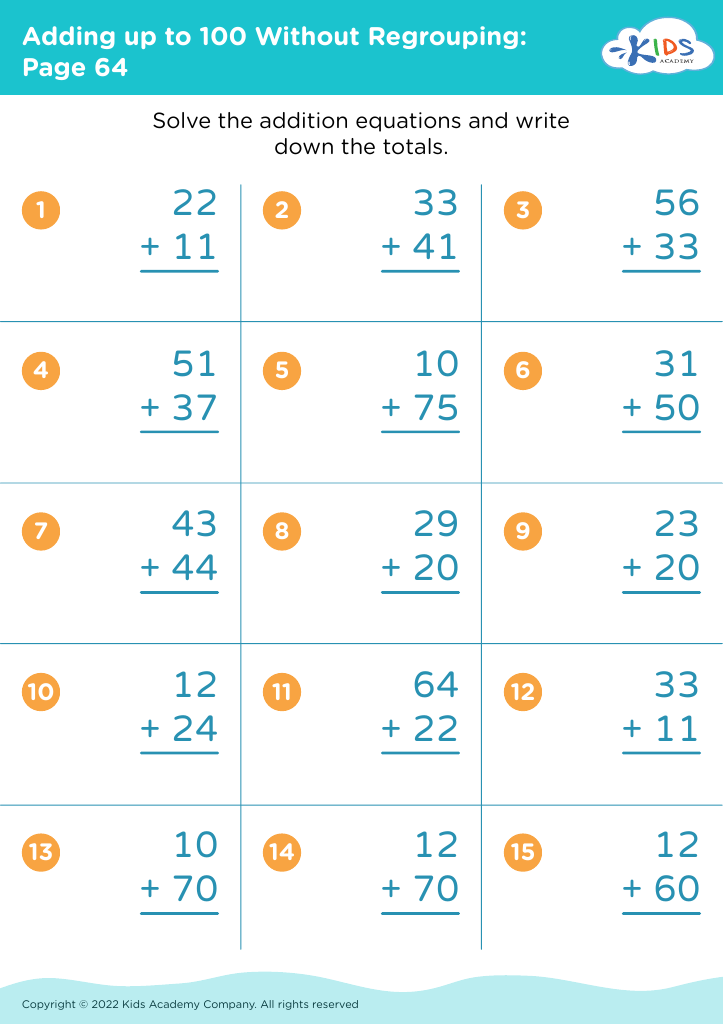
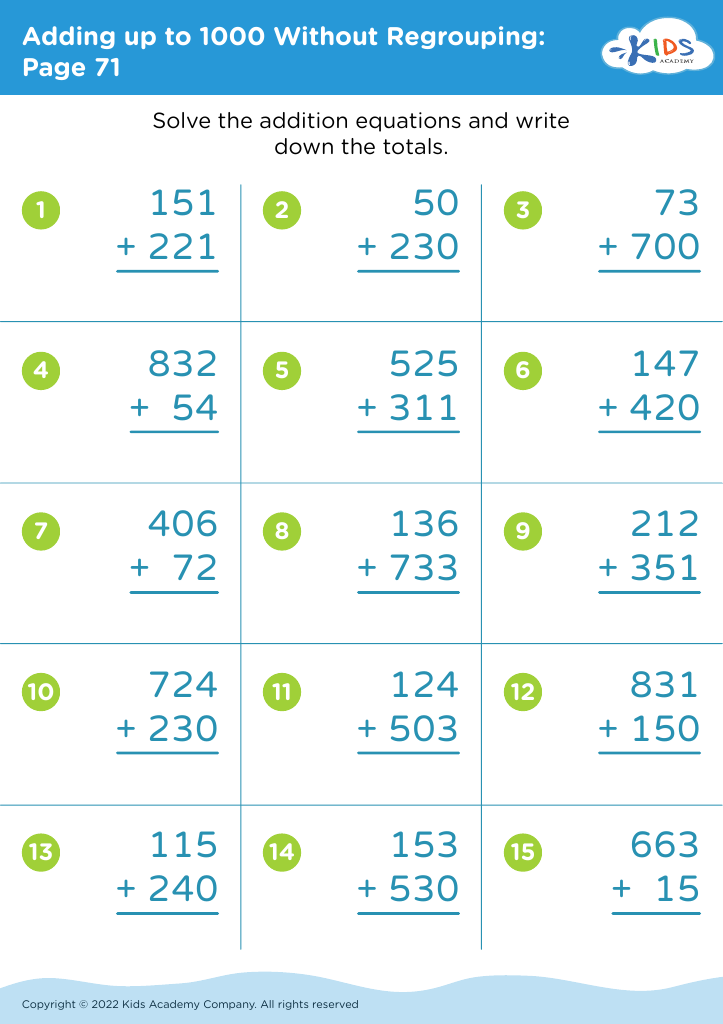
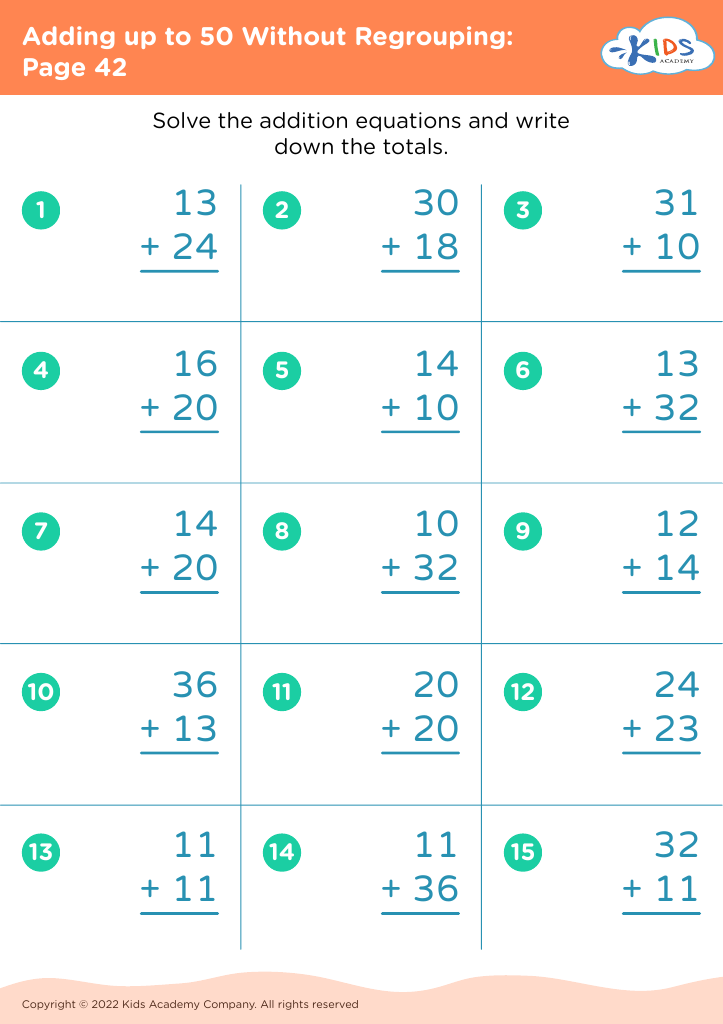
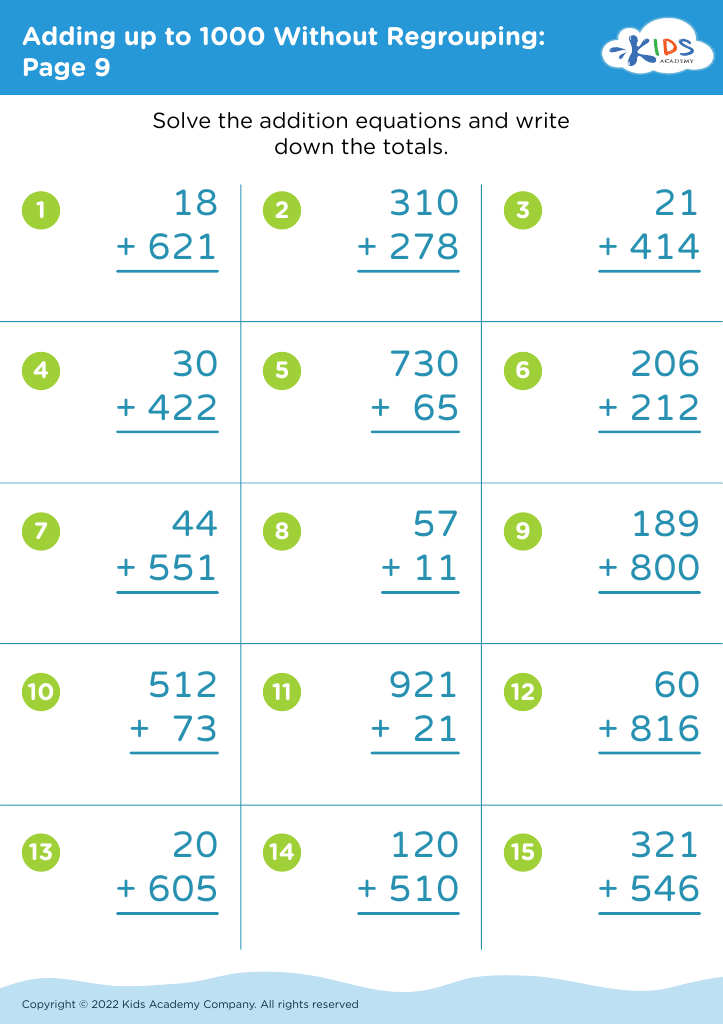








Understanding sequences is a critical skill for children aged 8-9, as it lays the foundation for more advanced mathematical concepts and critical thinking. At this age, children are increasingly exposed to patterns in numbers, shapes, and everyday life. Teaching them to recognize and predict sequences helps strengthen their analytical skills. These skills are not only essential for math but also enhance problem-solving abilities in various subjects.
Additionally, sequences play a role in language development, particularly in comprehending story structures. Recognizing sequencing in narratives aids children in understanding the flow of events, improving their reading and comprehension skills. In a broader sense, understanding sequences equips children with tools to organize their thoughts, improving their abilities to write and communicate effectively.
Parents and teachers should also consider that knowledge of sequences fosters perseverance. Children often face challenges when identifying and working through numerical or visual sequences, teaching them the value of patience and practice. Lastly, mastery of sequences boosts confidence in young learners, making them more likely to engage actively in classroom activities and discussions. By prioritizing this skill, educators and parents enrich a child’s overall cognitive development.








