
Understanding word problems Worksheets for Ages 8-9
3 filtered results
Difficulty Level
Grade
Age
-
From - To
Subject
Activity
Standards
Explore our "Understanding Word Problems Worksheets" designed specifically for children aged 8-9! These engaging resources help young learners develop critical thinking and problem-solving skills through a variety of real-life scenarios. Our worksheets guide students step-by-step, encouraging them to analyze, interpret, and solve word problems effectively. With colorful visuals and relatable examples, learners will build confidence as they identify key information, choose appropriate operations, and create solutions. Ideal for classroom practice or at-home learning, these worksheets aim to make math enjoyable while reinforcing essential skills. Help your child conquer word problems with our comprehensive, user-friendly worksheets today!
Favorites
With answer key
Interactive
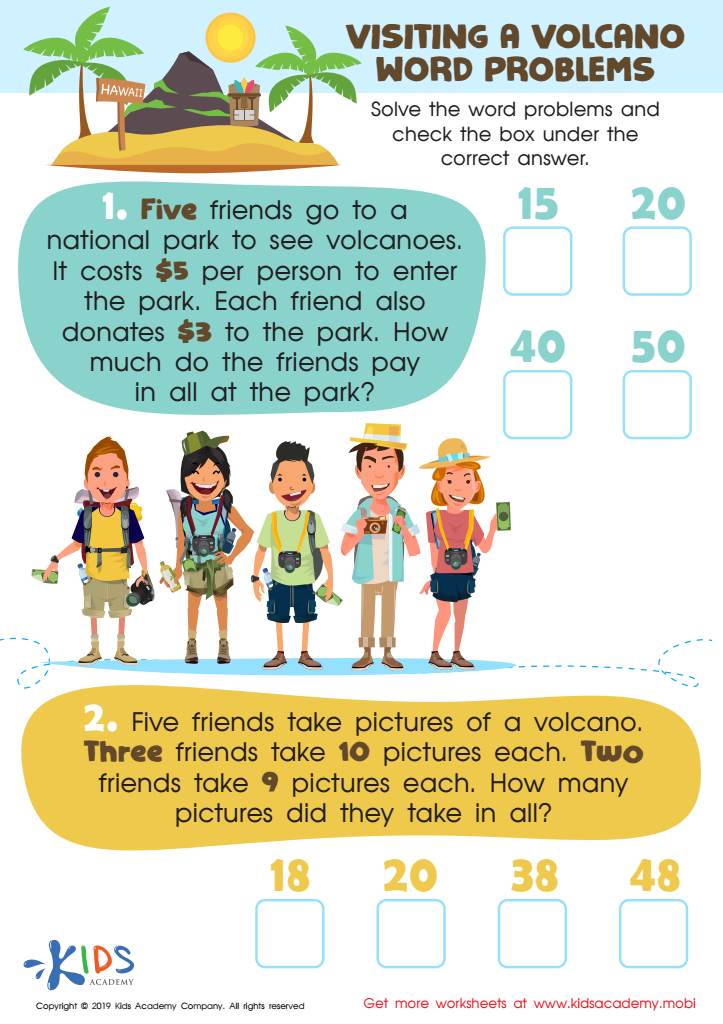
Visiting a Volcano Word Problems Worksheet
Read the word problems to your kids, note down the numbers and help them solve. Check the box under the correct answer. Word problems are sentences posed as math problems; just like regular number problems, first you must understand and interpret the sentence.
 Assign to My Students
Visiting a Volcano Word Problems Worksheet
Worksheet
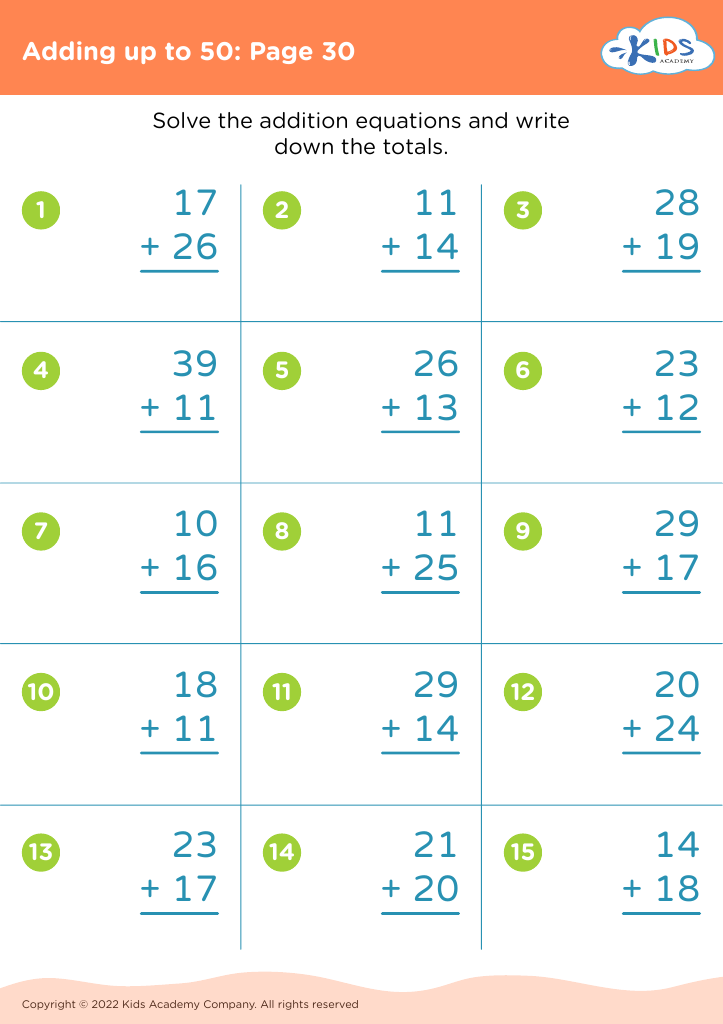
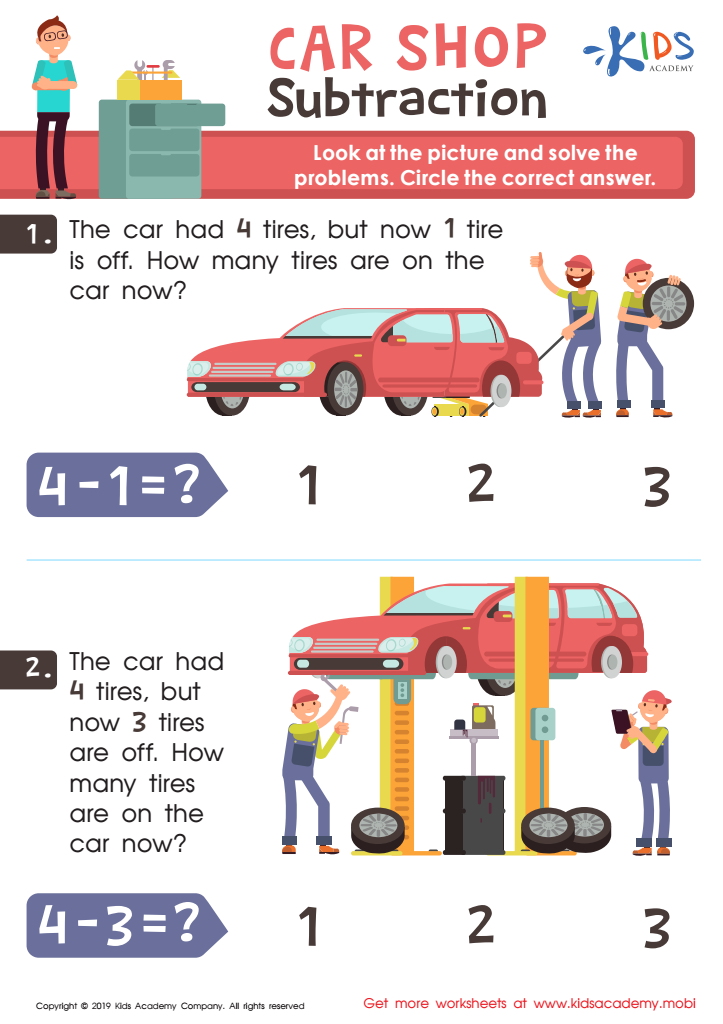
Car Shop Subtraction Worksheet
Encourage your kids to practice addition and subtraction with this worksheet. Read the word problems aloud, help them solve and check the answer from the provided options. With enough exercises and guidance, this task should be fairly easy.
Car Shop Subtraction Worksheet
Worksheet
Join Kids Academy for Free
Who is primarily going to use this learning content?








Understanding word problems is critical for children aged 8-9 as it lays the foundation for their mathematical and critical thinking skills. At this age, students transition from basic arithmetic to more complex problem-solving scenarios, which involve reading comprehension and logical reasoning.
Parents and teachers should care because mastering word problems helps children make real-world connections, enhancing their ability to apply math in everyday situations. It promotes analytic thinking, teaching students to identify key information, differentiate between relevant and irrelevant details, and devise a method for solving accounts.
Moreover, effective problem-solving skills can boost a child's confidence and independence as they become more adept at tackling new challenges, reducing math anxiety and fostering a growth mindset. As children practice interpreting and solving word problems, they also improve their vocabulary and language skills, enhancing overall communication.
By prioritizing word problems, parents and educators equip children with essential tools for academic success and lifelong learning. Encouraging a supportive environment where children feel comfortable making mistakes during this process helps them develop resilience and curiosity, further engaging them in their learning journeys. Ultimately, this skill is foundational not just in mathematics, but across various subjects and real-life scenarios.








