Visual learning stimulation Worksheets for Ages 8-9
3 filtered results
-
From - To
Transform your child's learning with our "Visual Learning Stimulation Worksheets for Ages 8-9." Our expertly crafted worksheets are designed to engage, inspire, and challenge young minds. These printable resources incorporate vibrant visuals, interactive puzzles, and creative activities to enhance cognitive development and stimulate visual learning skills. Tailored for children aged 8-9, these worksheets make learning enjoyable while improving visual memory, attention to detail, and critical thinking. Empower your child's educational journey with fun and effective tools that foster a love for learning. Visit Kids Academy for free downloadable worksheets and watch your child thrive!
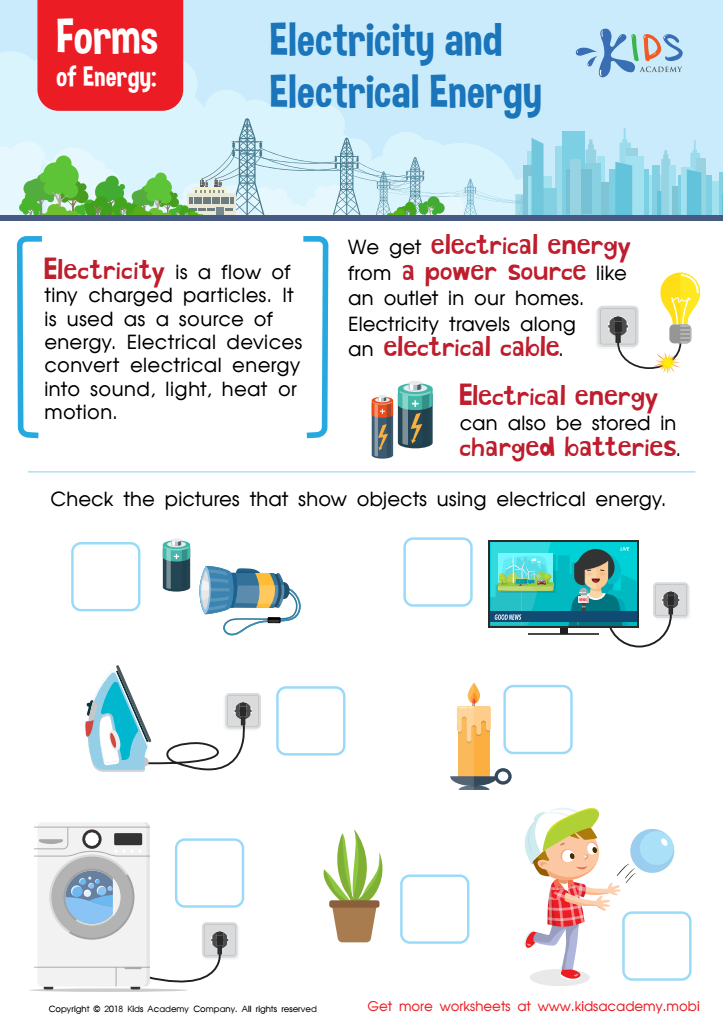
Forms of Energy Worksheet
 Assign to My Students
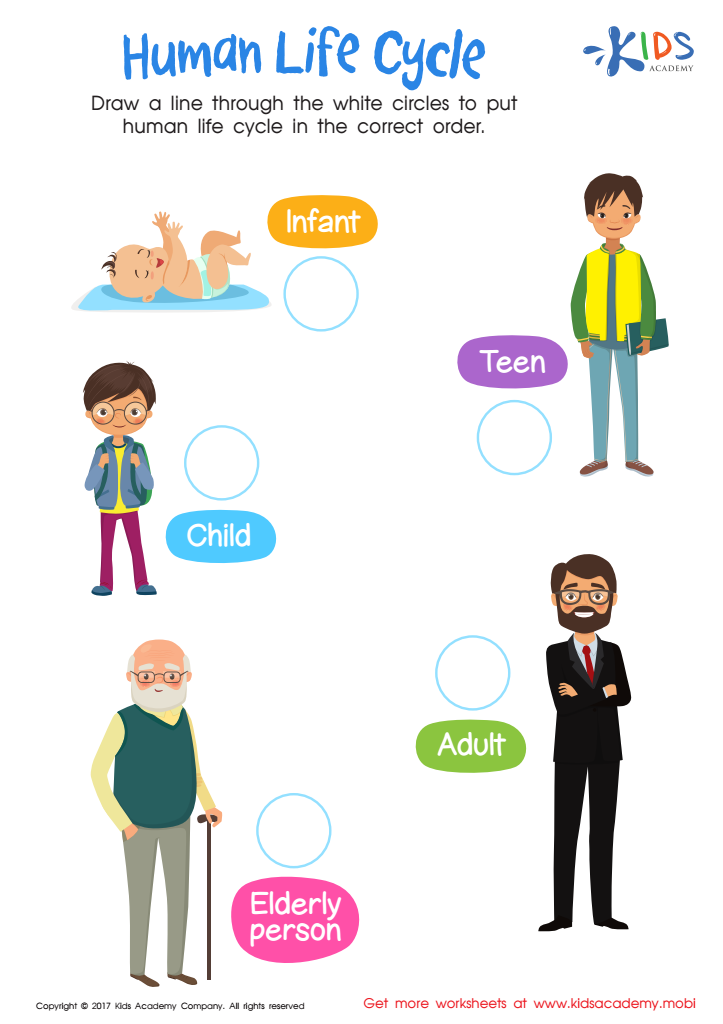
Human Life Cycle Worksheet
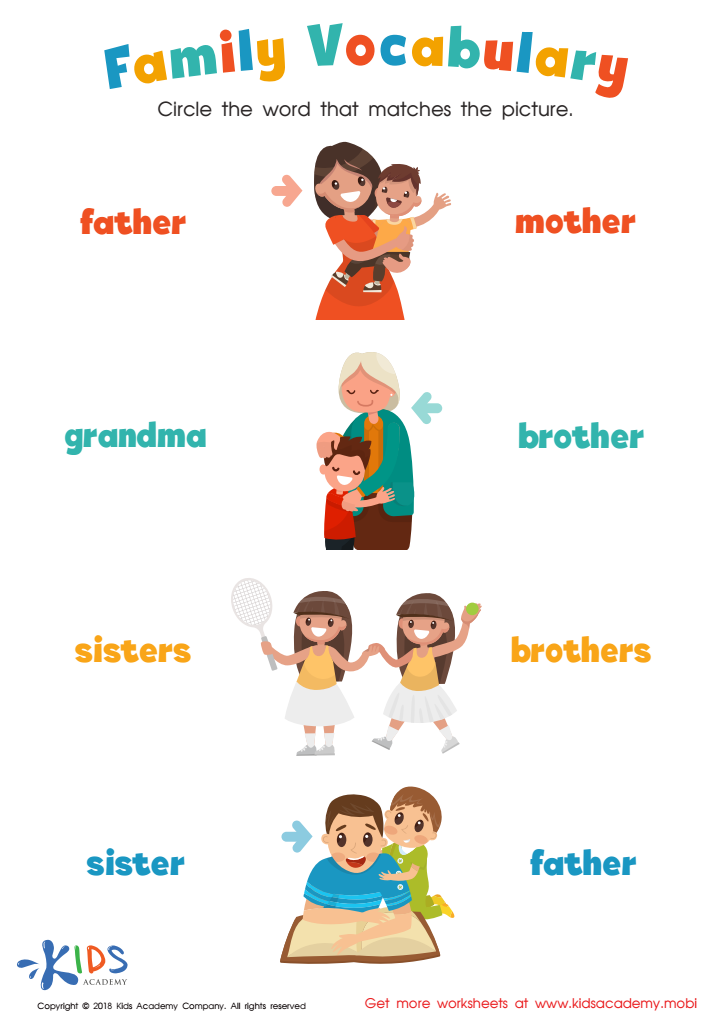
Family Vocabulary Worksheet






Visual learning stimulation is crucial for children aged 8-9, as it directly impacts their cognitive, emotional, and academic development. At this age, children are transitioning from learning to read to reading to learn, which makes engaging visual content essential. Visual aids such as charts, diagrams, videos, and colorful images help make complex concepts easier to understand and retain.
Moreover, visual learning supports various learning styles. While some children are naturally inclined toward verbal learning, many others are visual learners who grasp and remember information better when it is presented visually. Giving children diverse ways to absorb information paves the way for more effective and inclusive education.
Additionally, visual learning stimulates curiosity and imagination, keeping young learners engaged and motivated. In a technologically driven world, familiarizing children with visual information makes them adept at navigating various media and devices, thereby honing essential digital literacy skills.
Finally, visual learning promotes critical thinking and problem-solving. By interpreting graphics, maps, and visuals, children learn to analyze information, identify patterns, and make connections, skills vital for their future academic and real-life challenges. Parents and teachers who prioritize visual learning stimulation set the stage for a more comprehensive and enjoyable educational experience for their children.








