Visual representation of fractions Worksheets for Ages 8-9
4 filtered results
-
From - To
Discover our engaging Visual Representation of Fractions worksheets designed for children aged 8-9. These worksheets make learning fractions a fun and interactive experience by using colorful visuals and relatable scenarios. They effectively simplify complex concepts and help young learners develop strong foundational math skills. The carefully structured activities encourage kids to visually interpret fractions, bridging the gap between abstract numbers and tangible understanding. Perfect for classroom use or at-home practice, our resources are an excellent tool to enhance mathematical proficiency and boost confidence. Explore our extensive collection today and watch your child's fraction skills flourish!
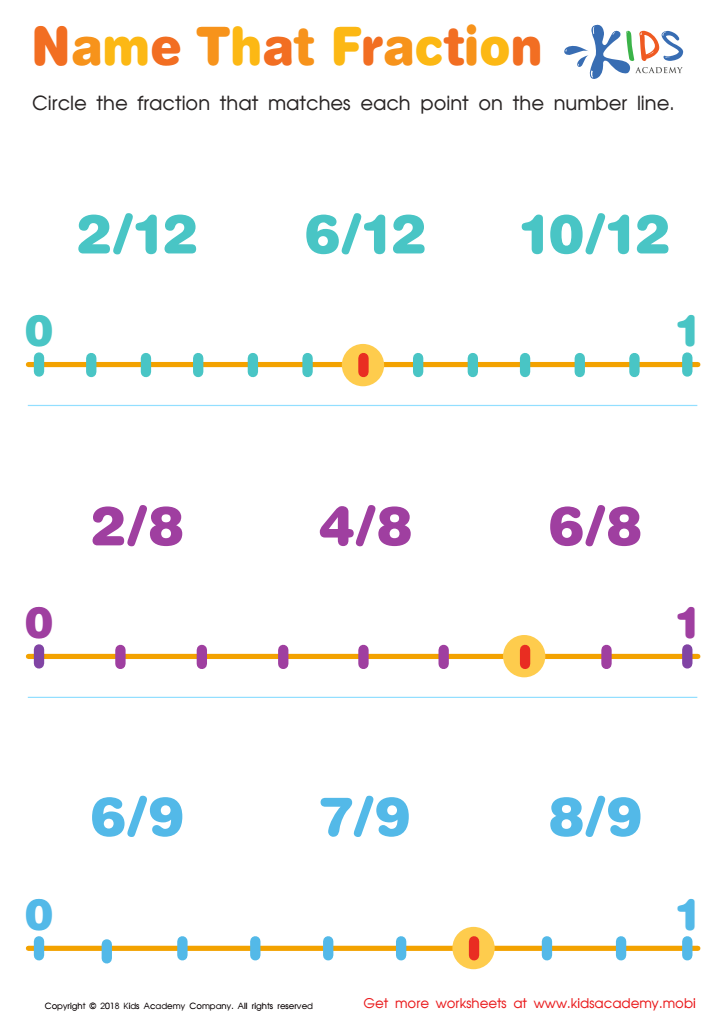
Name That Fraction Worksheet
 Assign to My Students
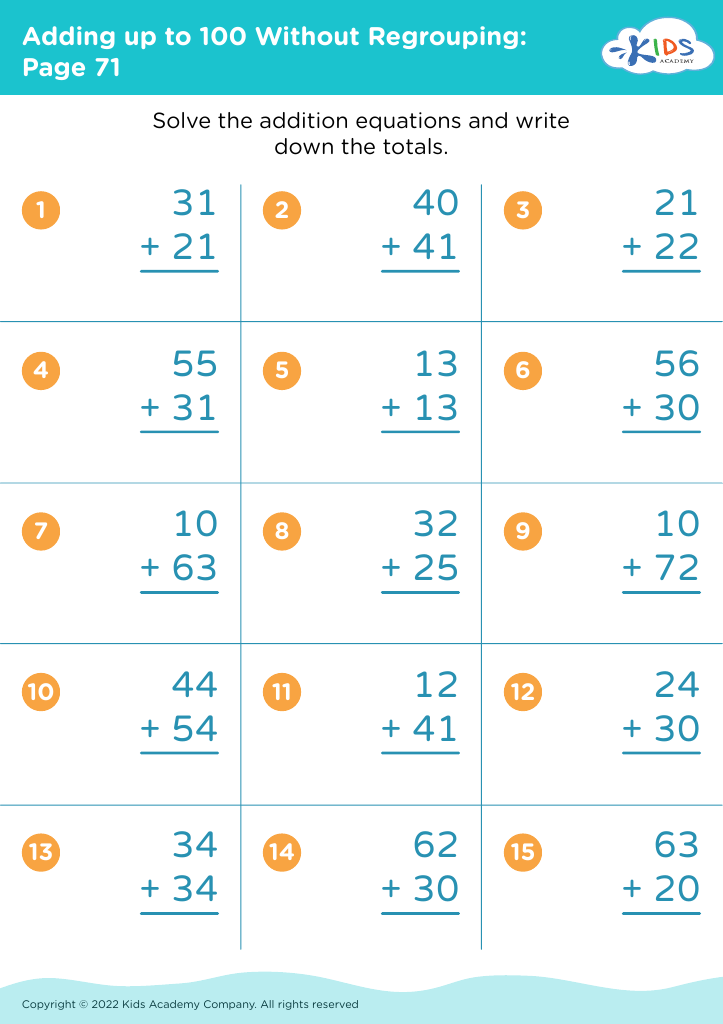







Visual representation of fractions is critically important for children aged 8-9 as it lays the fundamental groundwork for more complex mathematical understanding later on. At this developmental stage, children are typically transitioning from concrete to more abstract thinking. Using visual aids such as pie charts, number lines, or fraction bars makes the concept of fractions tangible and easier to grasp.
First, visual aids engage multiple learning styles. Many children are visual or kinesthetic learners who benefit from seeing or physically manipulating objects to understand a concept. For instance, physically dividing an apple into parts can clearly demonstrate what one-half or one-quarter actually looks like, making fractions more relatable and less intimidating.
Secondly, visual representation helps in building strong cognitive connections. When kids see fractions depicted visually, they can easily compare sizes, comprehend equivalency, and understand the relative values of fractions. This foundation is crucial for future topics like decimals, ratios, and percentages.
Moreover, visual learning encourages mathematical discussions and language development. When kids explain what they see in a diagram or a model, they practice using mathematical vocabulary, which strengthens their overall comprehension and confidence.
Therefore, parents and teachers should prioritize visual representation techniques to facilitate a deeper, more intuitive understanding of fractions, setting children up for long-term success in mathematics.








