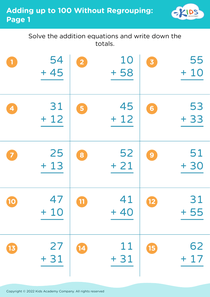
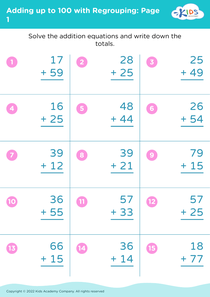
Reading comprehension Adding up to 100 Misc Worksheets for Ages 8-9
3 filtered results
-
From - To
Unlock the joy of learning with our "Reading Comprehension Adding Up to 100 Misc Worksheets" designed specifically for children aged 8-9! This collection features engaging and interactive tasks that help boost reading skills while reinforcing math concepts like addition and problem-solving. Each worksheet combines fun stories with thought-provoking questions, allowing students to practice their reading comprehension as they work through addition challenges. Perfect for homeschooling, skill practice, or classroom use, these resources enhance literacy and numeracy in a seamless, enjoyable way. Discover the perfect blend of learning and fun today, and help your child develop essential skills for their academic journey!
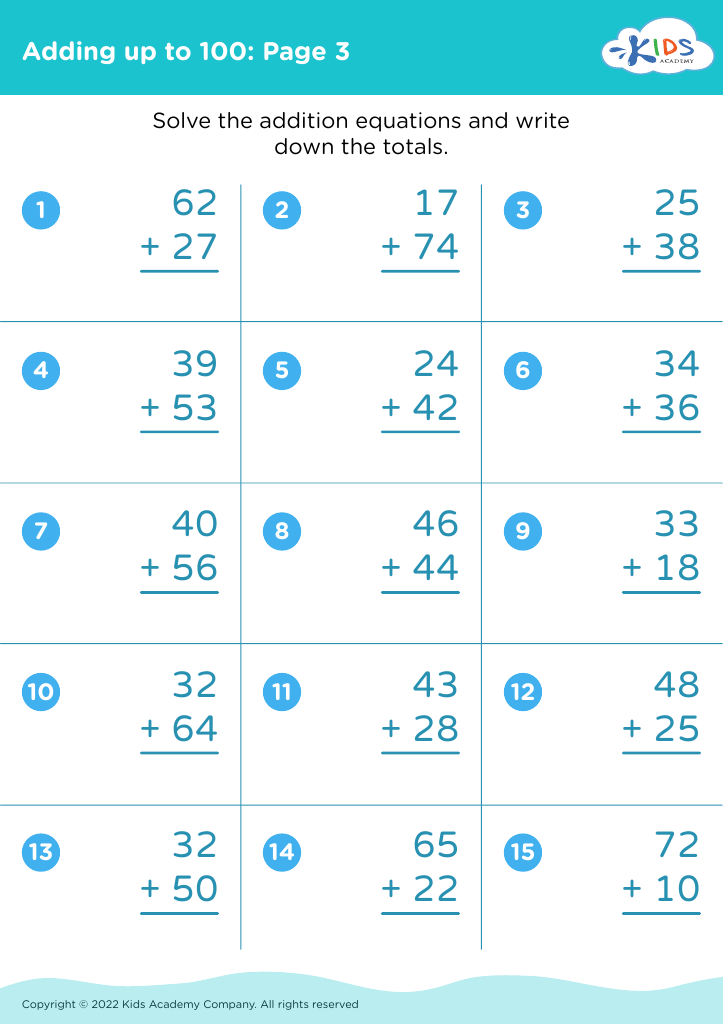
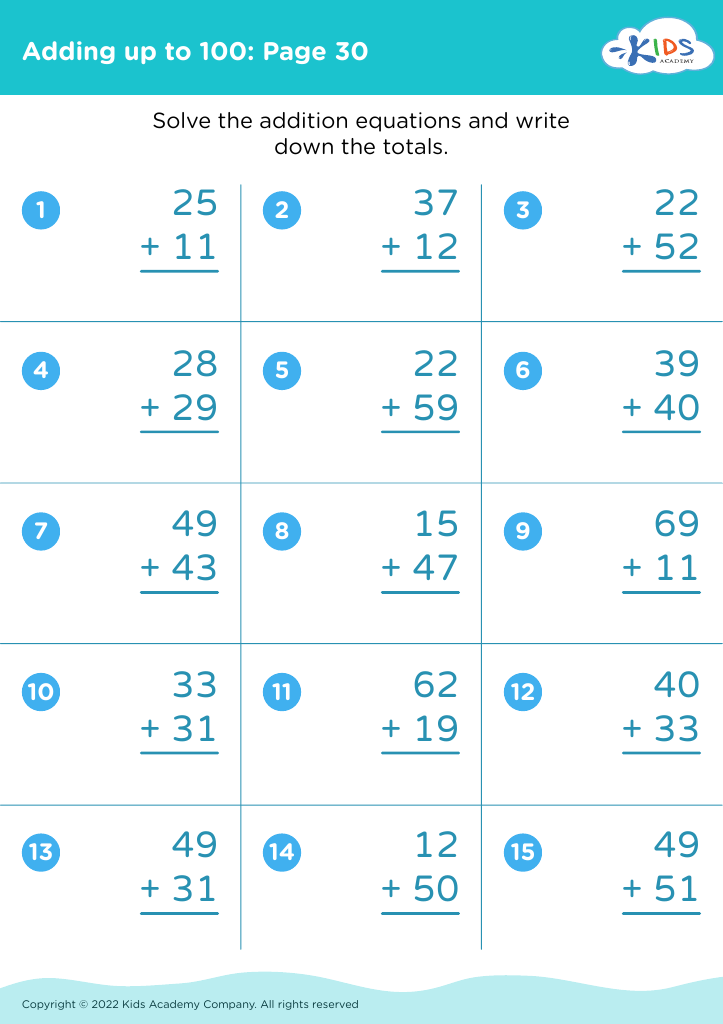


Reading comprehension is a crucial skill for children aged 8-9, serving as the foundation for successful academic achievement and lifelong learning. Parents and teachers should care about this skill for several reasons. First, reading comprehension enhances critical thinking and analytical skills, enabling children to not only absorb information but also evaluate and apply it. This cognitive development fosters curiosity and creativity, essential traits in today’s rapidly evolving world.
Additionally, proficient reading comprehension connects directly to academic performance across subjects. Understanding texts enhances learning in subjects like science and social studies, where analytical reading is key to grasping complex concepts. For parents, engaging in reading activities reinforces a strong relationship with their children while instilling a love of reading that extends beyond the classroom.
Moreover, poor reading comprehension can lead to long-term educational challenges. Children who struggle may experience frustration and a lack of confidence, potentially resulting in disengagement from academics. By prioritizing reading comprehension, parents and teachers can identify those who may need additional support and encourage gradual progression.
Ultimately, cultivating reading comprehension not only enriches a child’s schooling experience but also sets the stage for future academic and career opportunities. Encouraging these skills now ensures a brighter, more capable future for our children.