Comparing Fractions Adding up to 1000 Worksheets for Ages 8-9
16 filtered results
-
From - To
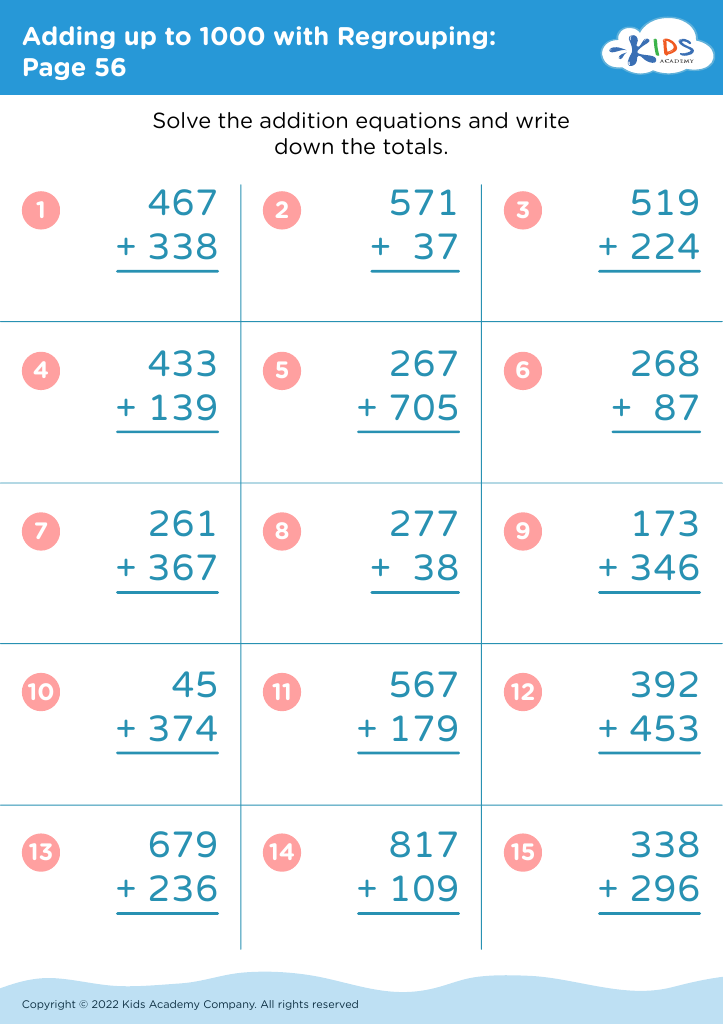
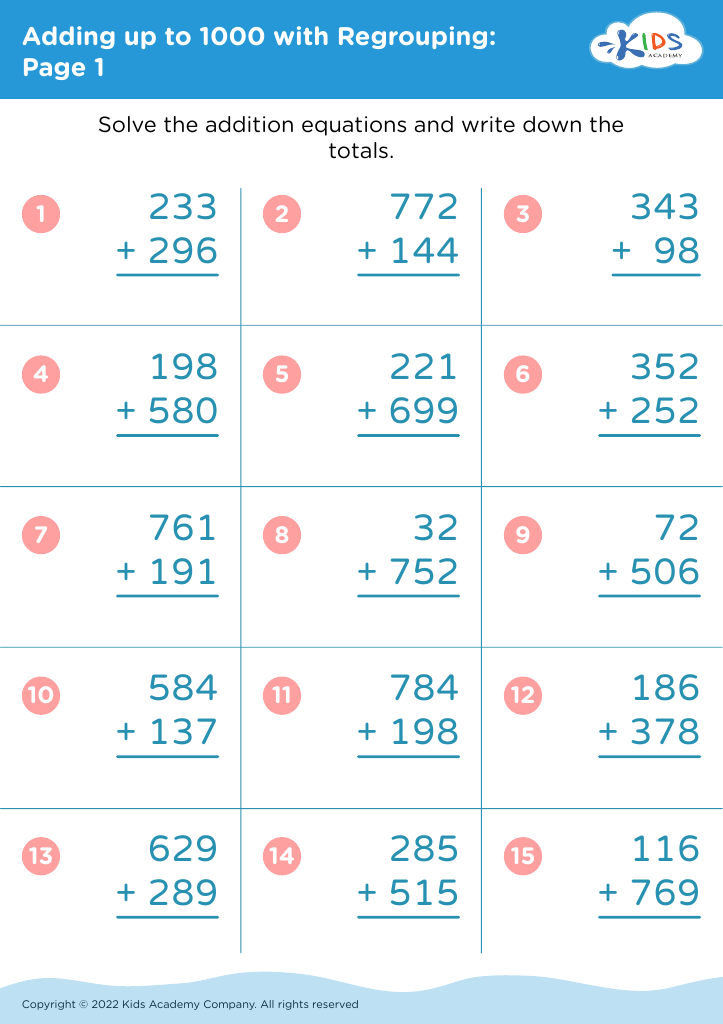
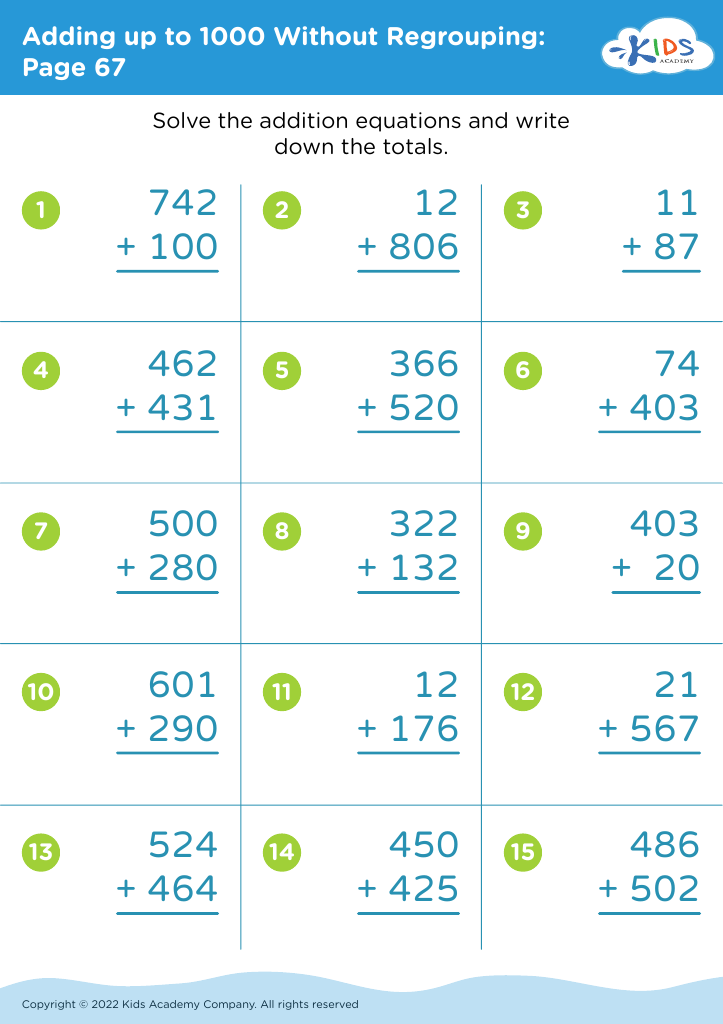
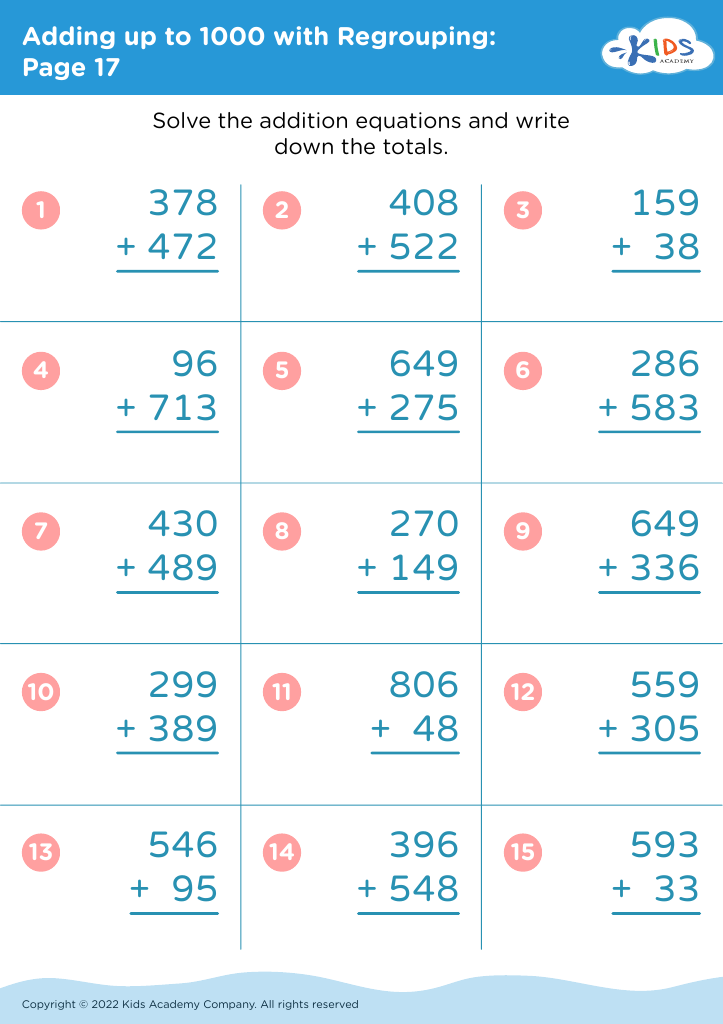
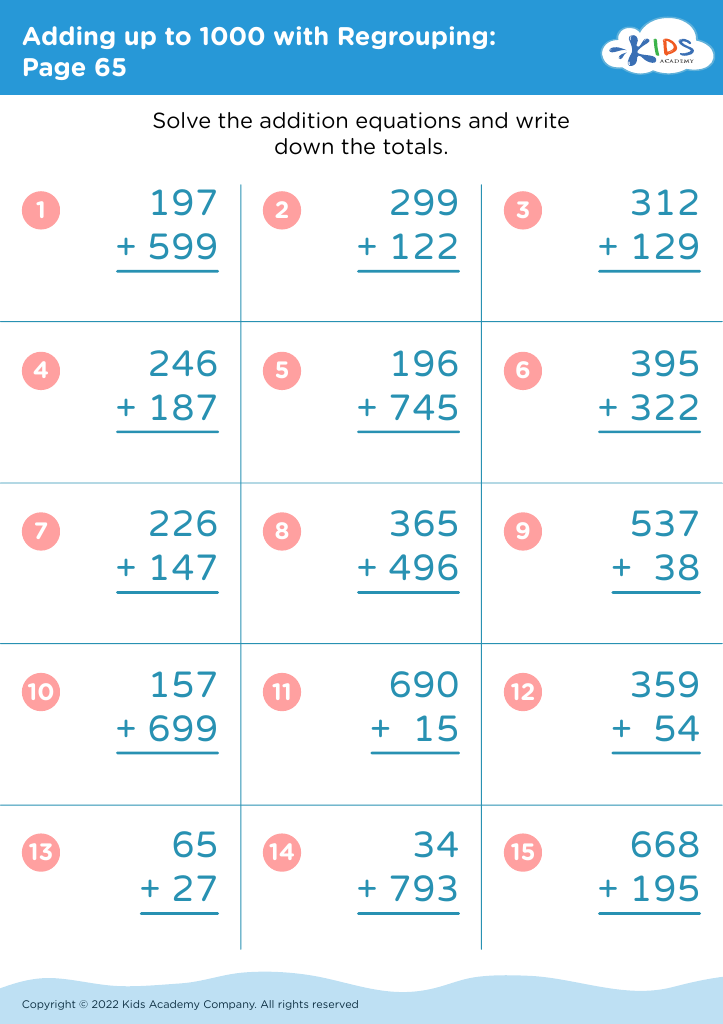
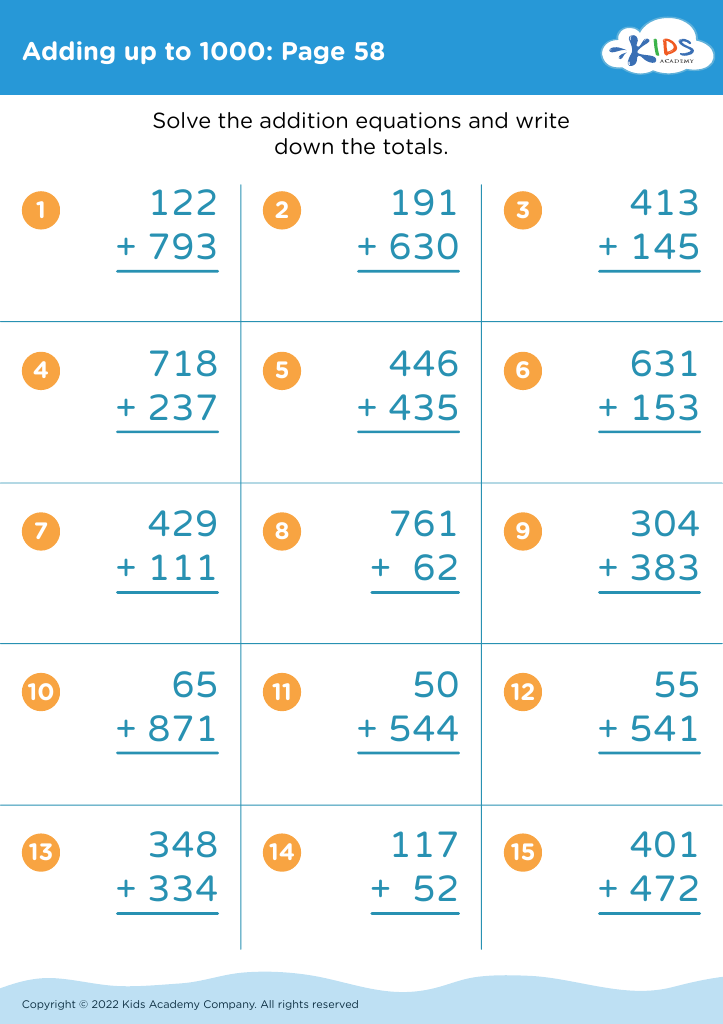
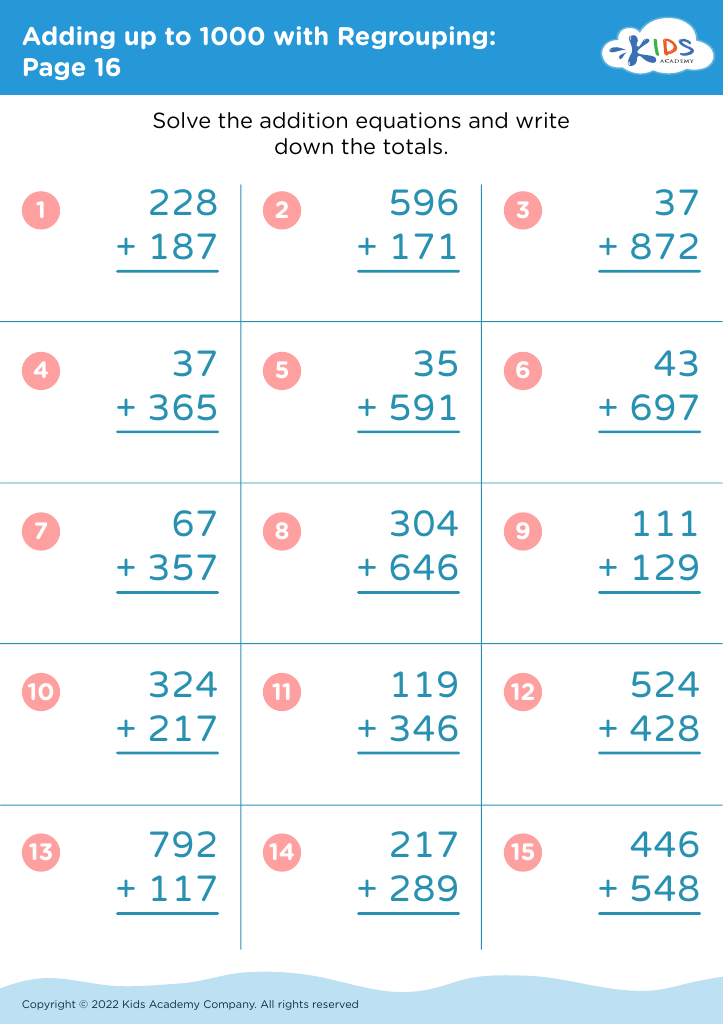
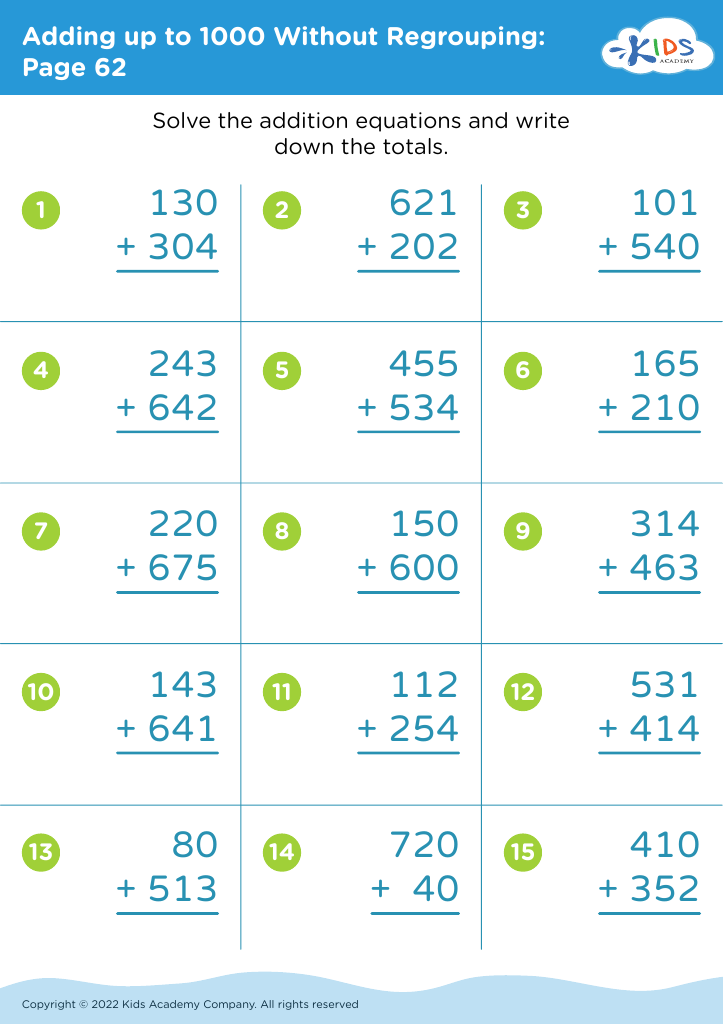
Discover our engaging "Comparing Fractions Adding up to 1000 Worksheets" designed specifically for children ages 8-9. These worksheets help young learners enhance their mathematical skills by comparing fractions and understanding their relationships. Perfect for classroom use or at-home practice, our resources feature a variety of fun exercises, visual aids, and step-by-step instructions. With an emphasis on building foundational math concepts in a fun, interactive way, these worksheets make learning fractions an enjoyable experience. Ideal for preparing students for more advanced topics, these tools provide the practice they need to build confidence and proficiency in comparing fractions up to 1000.
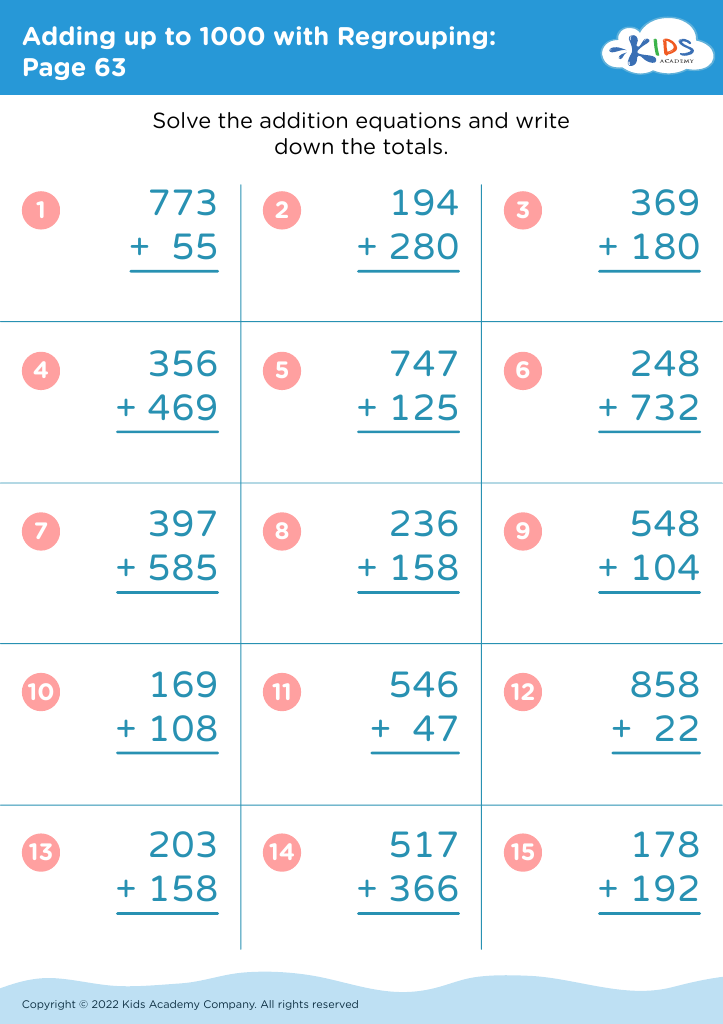
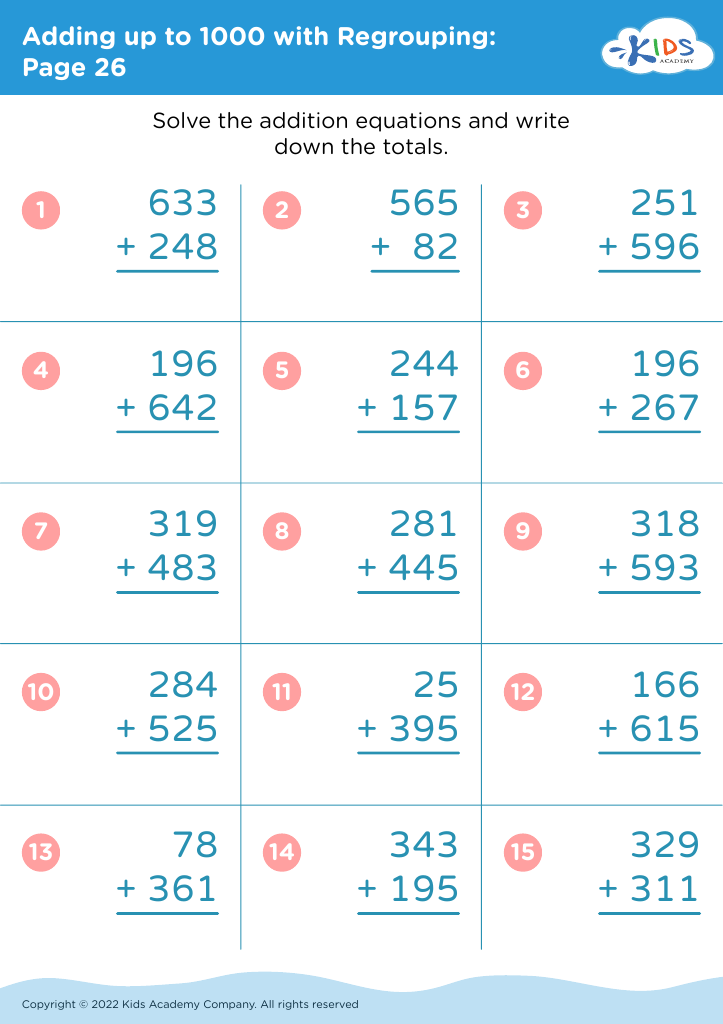
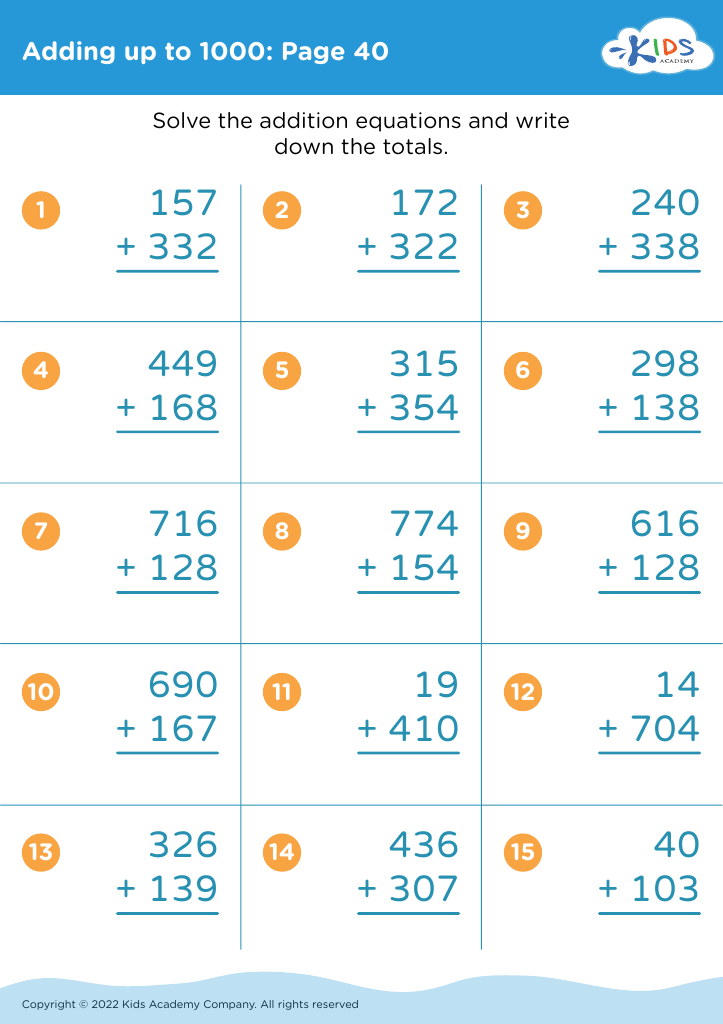
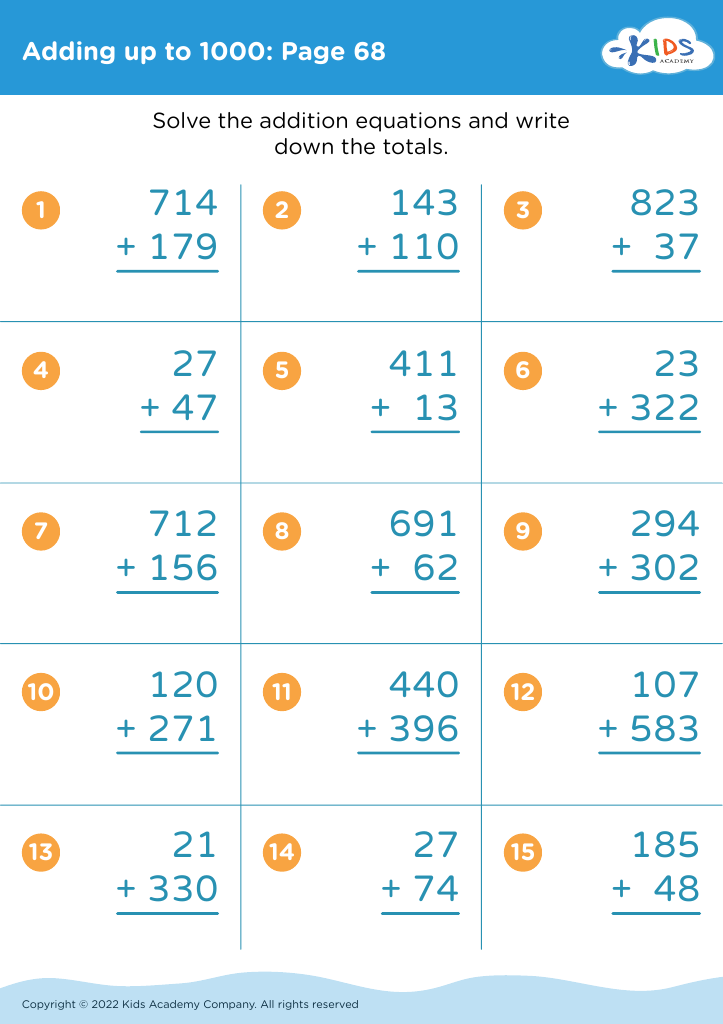
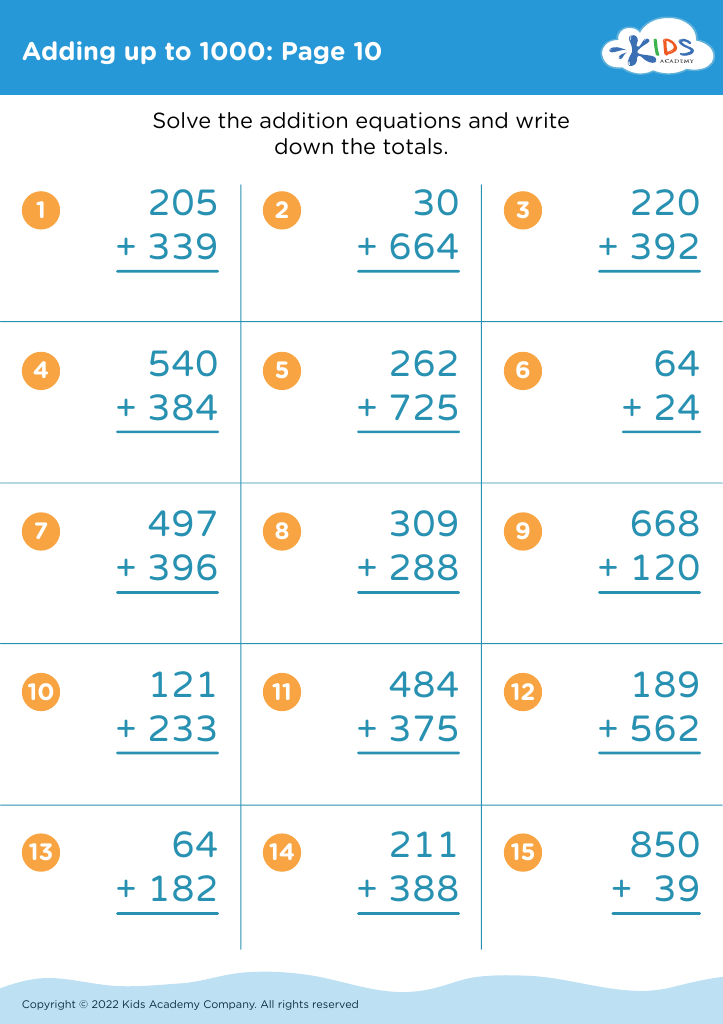
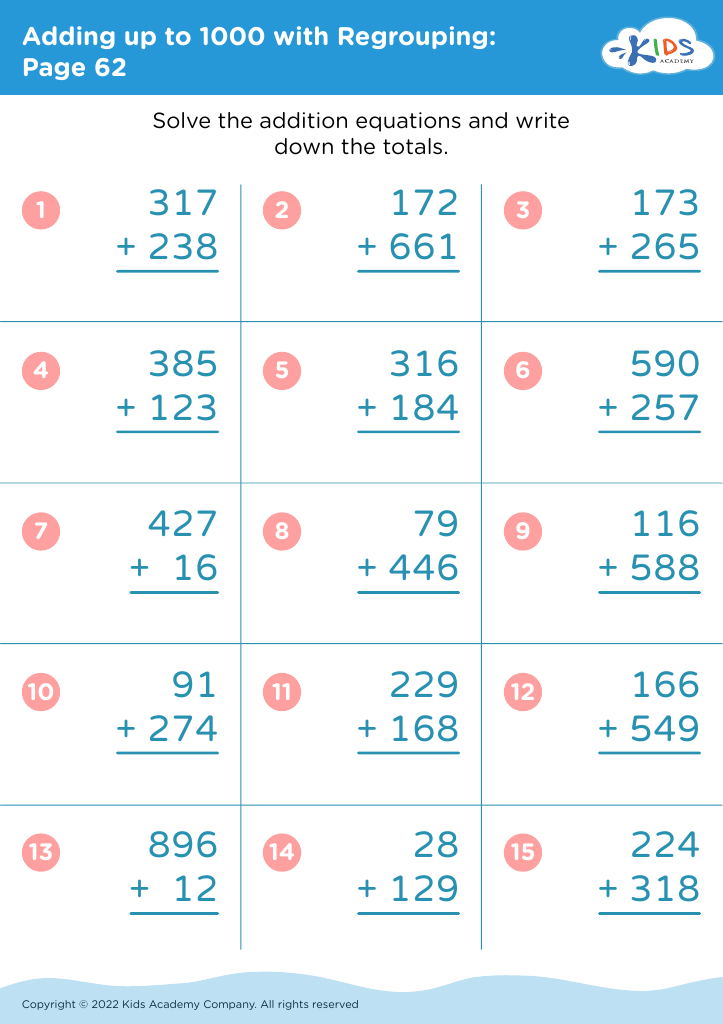
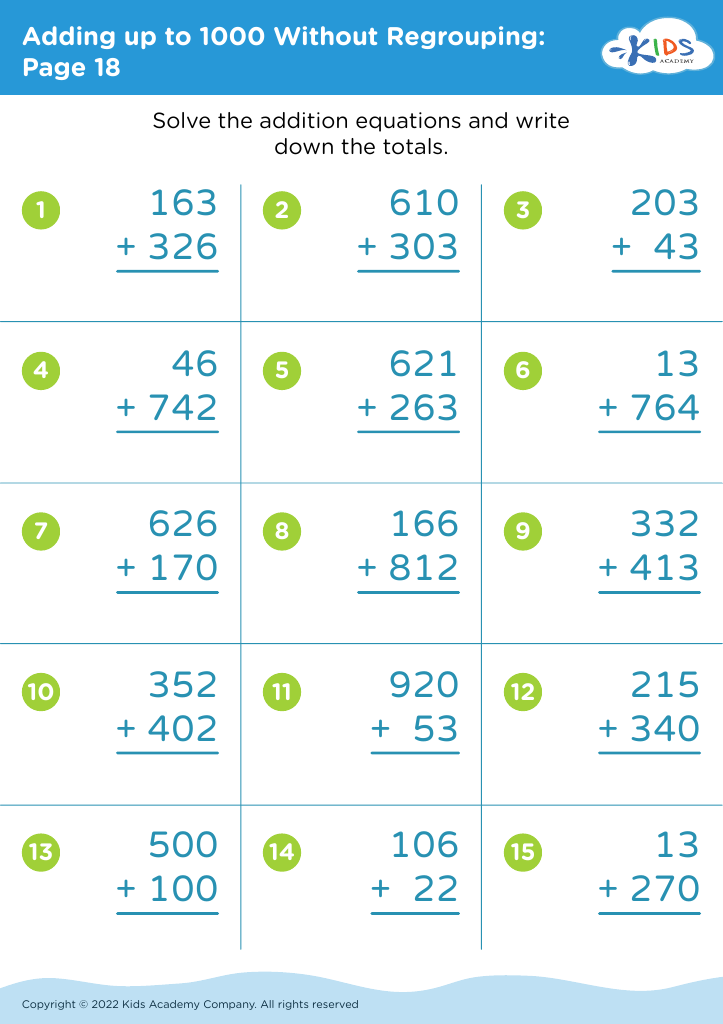
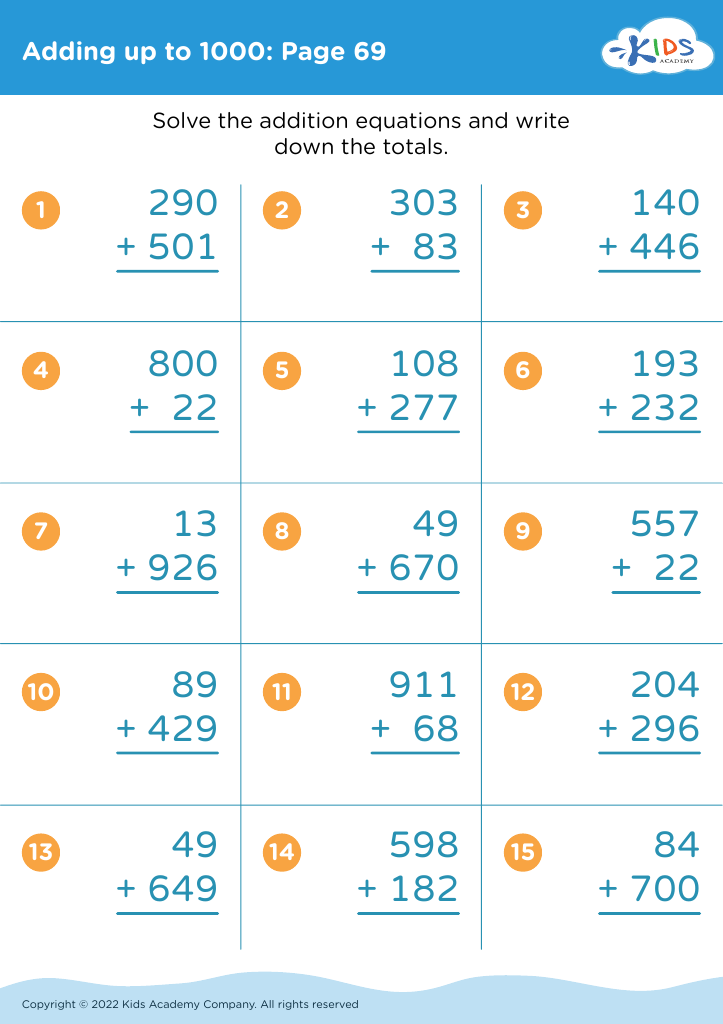



Understanding how to compare fractions is a fundamental skill for children aged 8-9, as it lays the groundwork for more complex mathematical concepts. Parents and teachers should care about this concept for several key reasons.
Firstly, comparing fractions sharpens critical thinking skills. By engaging with different fractions, children learn to analyze values, understand equivalent forms, and develop strategies for finding common denominators. This foundational skill not only enhances their math abilities but also promotes logical reasoning.
Secondly, mastering fraction comparison plays a crucial role in real-world applications. Whether shopping, cooking, or budgeting, understanding how different fractional values compare ensures that children can make informed decisions as they grow.
Moreover, in today’s data-driven environment, a grasp of fractions is vital for the interpretation of statistics and probability, integral for subjects like science and social studies.
Lastly, developing a solid understanding of fractions positively impacts children's confidence in mathematics. As they become proficient, their self-esteem grows, encouraging a healthy attitude toward learning and problem-solving.
In summary, by focusing on comparing fractions, parents and teachers equip children with essential analytical and practical skills essential for their academic success and everyday life.








