
Color recognition Addition & Subtraction Worksheets for Ages 8-9
10 filtered results
Difficulty Level
Grade
Age
-
From - To
Subject
Activity
Standards
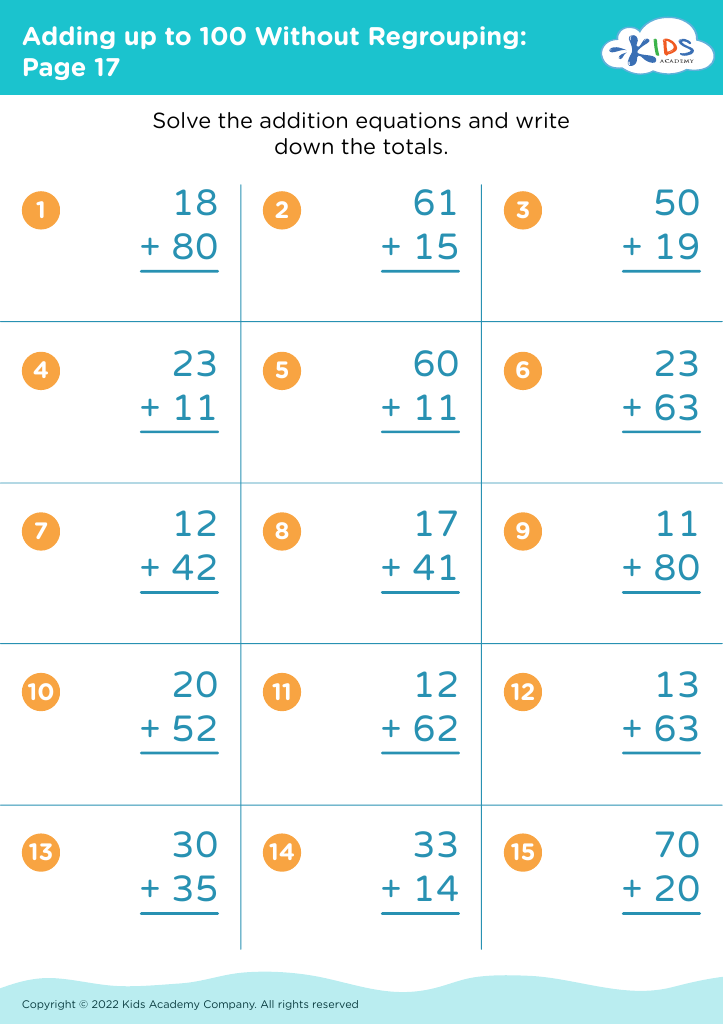
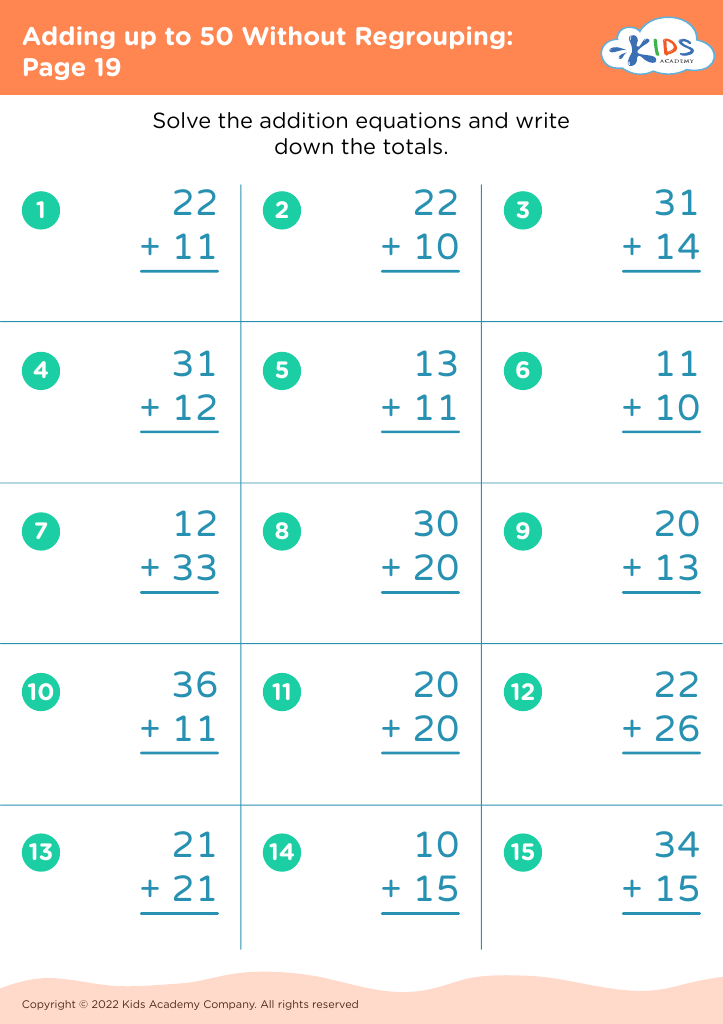
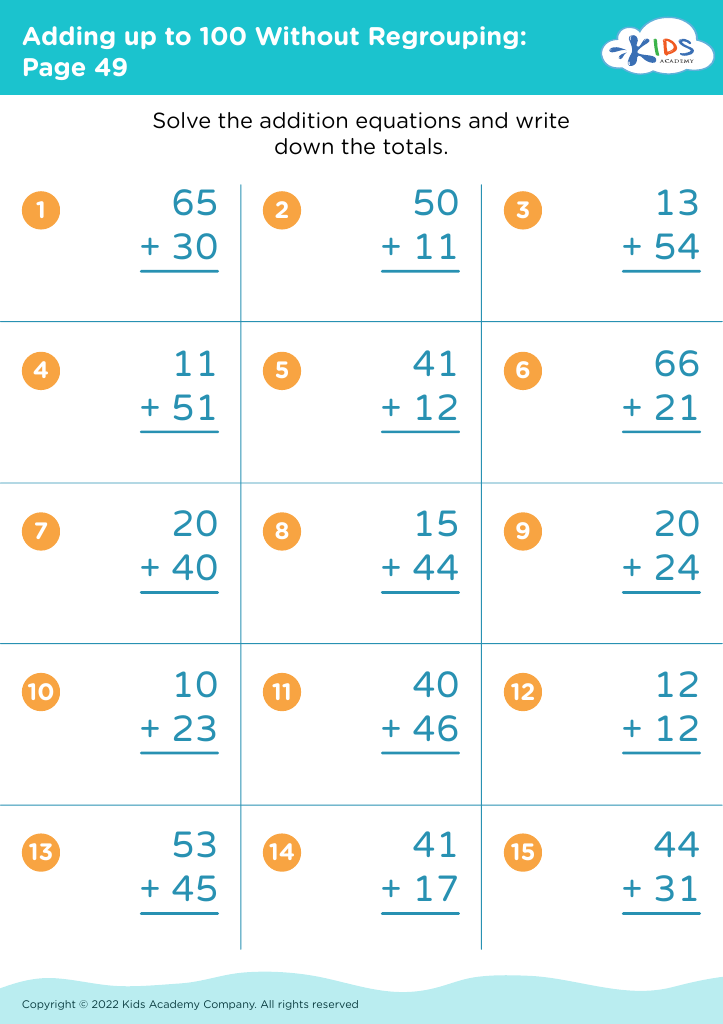
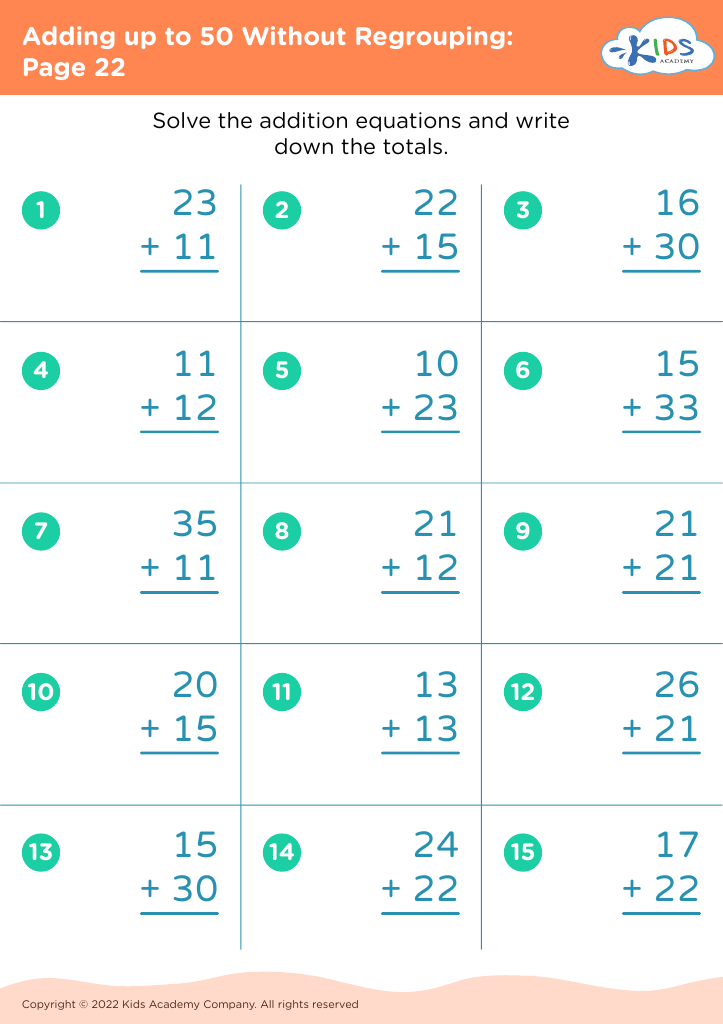
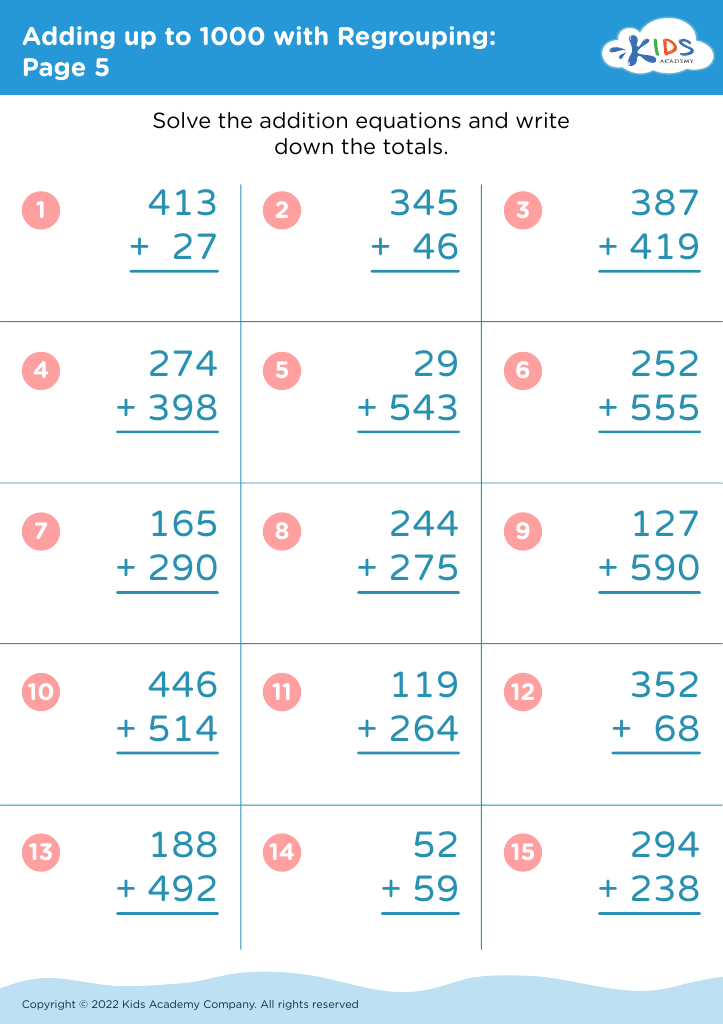
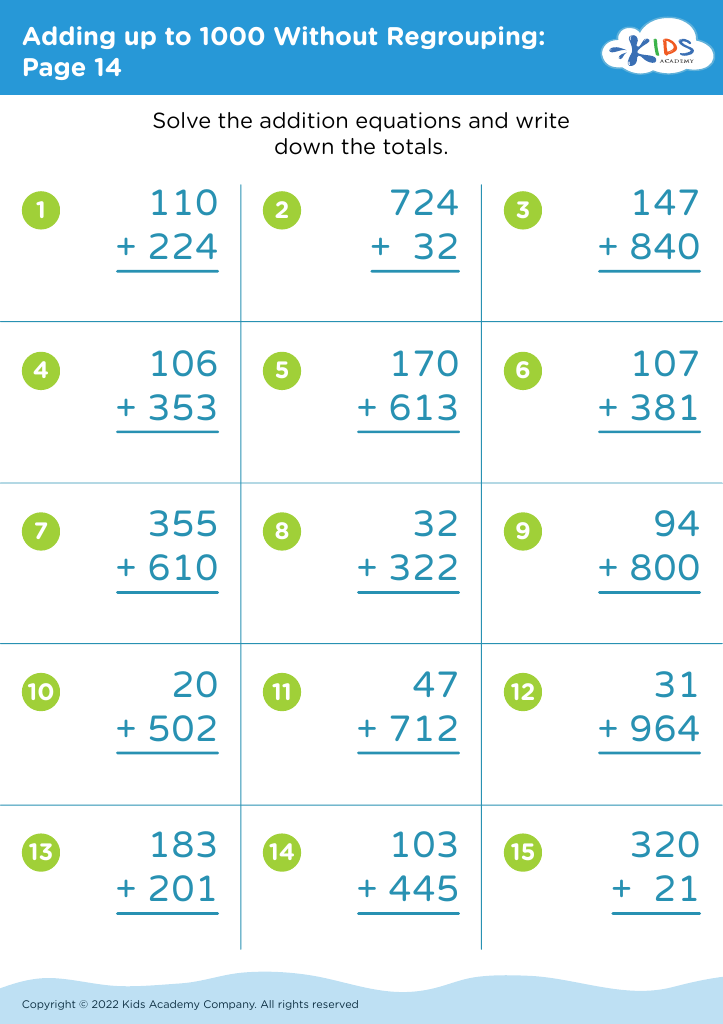
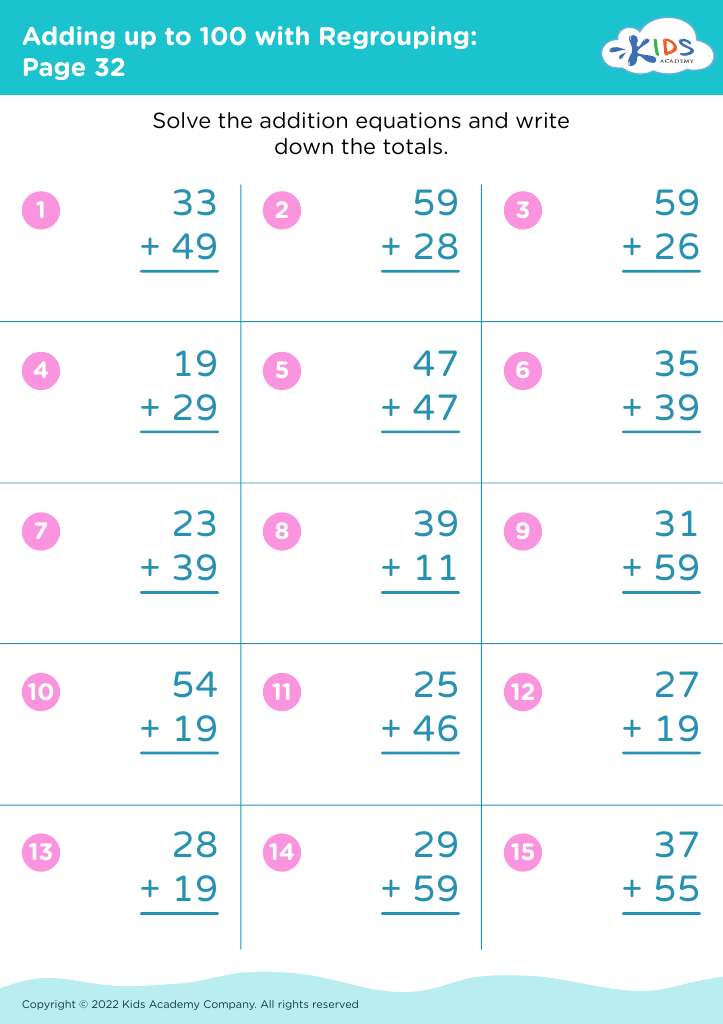
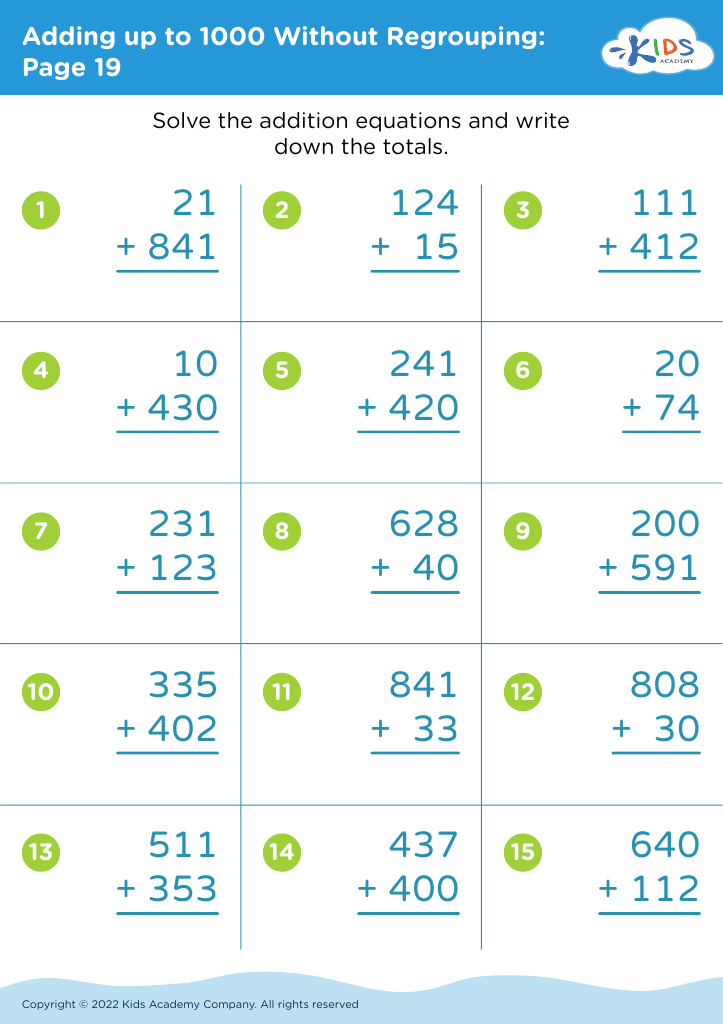
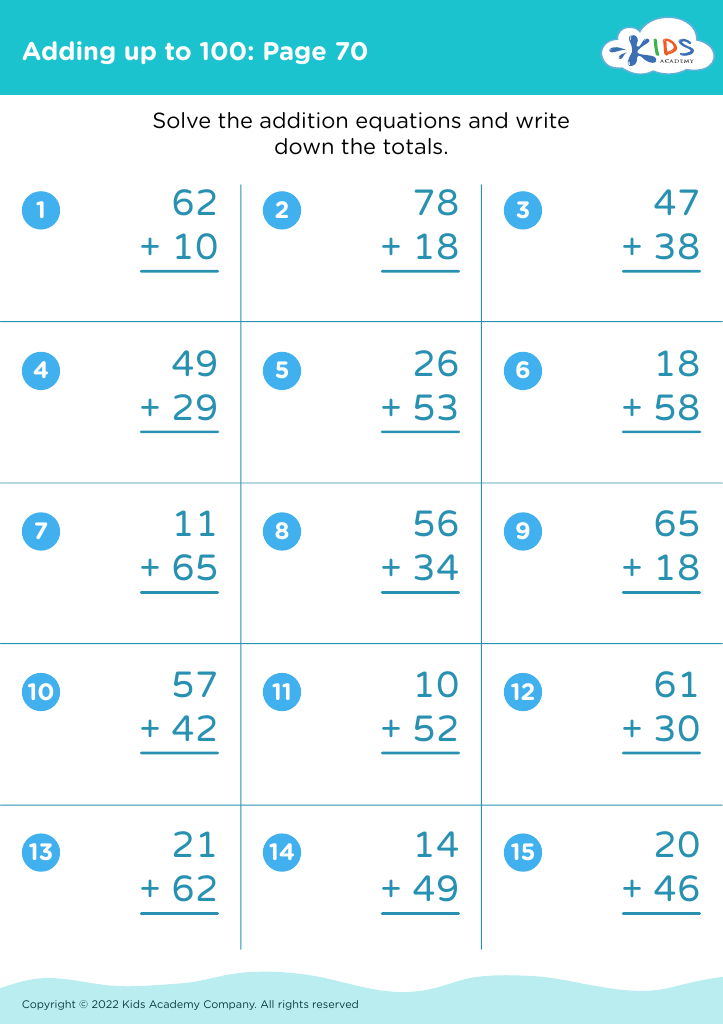
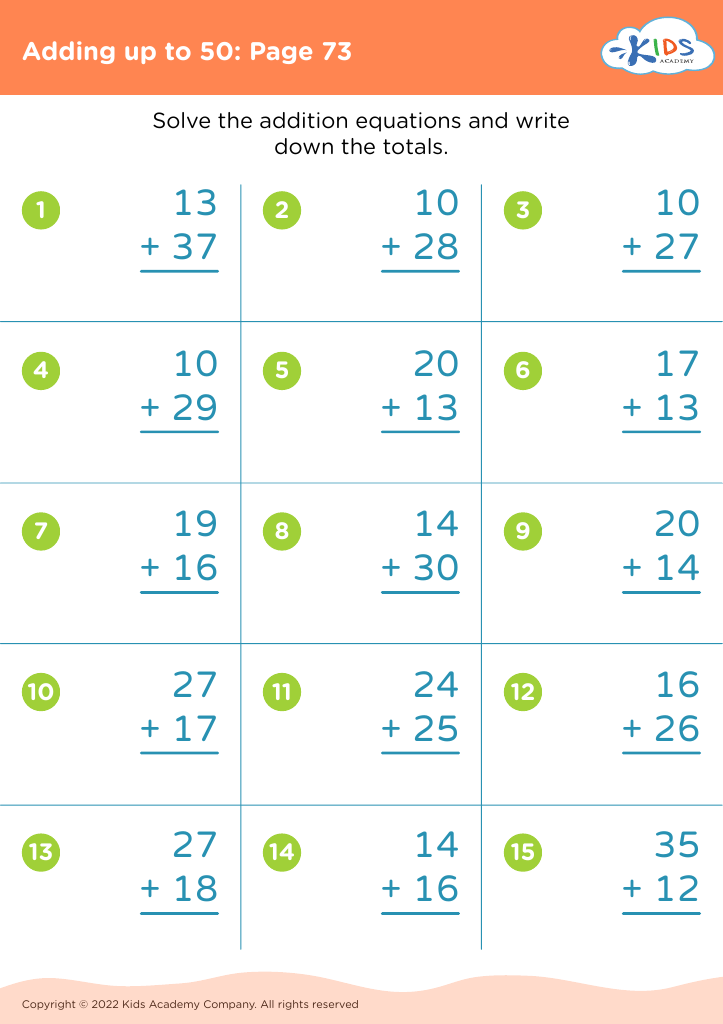
Welcome to our Color Recognition Addition & Subtraction Worksheets tailored for children ages 8-9! These engaging worksheets blend math and creativity, making learning fun and dynamic. Designed to enhance both addition and subtraction skills, each activity incorporates colorful illustrations, helping to reinforce color recognition alongside key math concepts. Students will enjoy solving problems as they connect numbers with vibrant visuals, promoting cognitive engagement. Whether in the classroom or at home, these worksheets provide an effective way for young learners to practice essential math skills while enjoying the artistic aspect of learning. Download and inspire a love for math and colors today!
Favorites
With answer key
Interactive
Join Kids Academy for Free
Who is primarily going to use this learning content?








Color recognition and basic math skills like addition and subtraction are fundamental components of cognitive development for children aged 8-9. At this stage, children are transitioning from concrete to abstract thinking, making it an ideal time to reinforce their learning through engaging methods. Recognizing colors not only enhances a child's ability to categorize and differentiate objects but also stimulates their creativity and artistic expression.
When combined with addition and subtraction activities, color recognition can make learning more interactive and enjoyable. For example, using colored counters or blocks to solve math problems visually helps children grasp mathematical concepts more effectively. This multisensory approach can improve retention and engagement, allowing for deeper understanding.
Parents and teachers should care about these skills because they lay the groundwork for more complex mathematics and critical thinking in later years. Furthermore, children who develop a strong foundation in these areas tend to perform better academically and develop greater confidence in their abilities. Additionally, incorporating color recognition into math activities can foster a love for learning and encourage children to explore and discover new ways to enjoy math. Promoting these skills will benefit children's overall academic growth and emotional well-being as lifelong learners.








