Recognizing equivalent fractions Addition & Subtraction Worksheets for Ages 8-9
4 filtered results
-
From - To
Explore our engaging "Recognizing Equivalent Fractions Addition & Subtraction Worksheets" designed for ages 8-9! These worksheets help young learners master the essential concept of equivalent fractions through fun and interactive activities. Each worksheet focuses on identifying and working with equivalent fractions in addition and subtraction problems, ensuring a strong foundation in fraction math. Ideal for home or classroom use, these resources encourage hands-on practice, foster critical thinking, and boost confidence in mathematical skills. Download our worksheets today to make learning equivalent fractions enjoyable and effective for your child! Perfect for reinforcing classroom lessons or as supplemental homework.
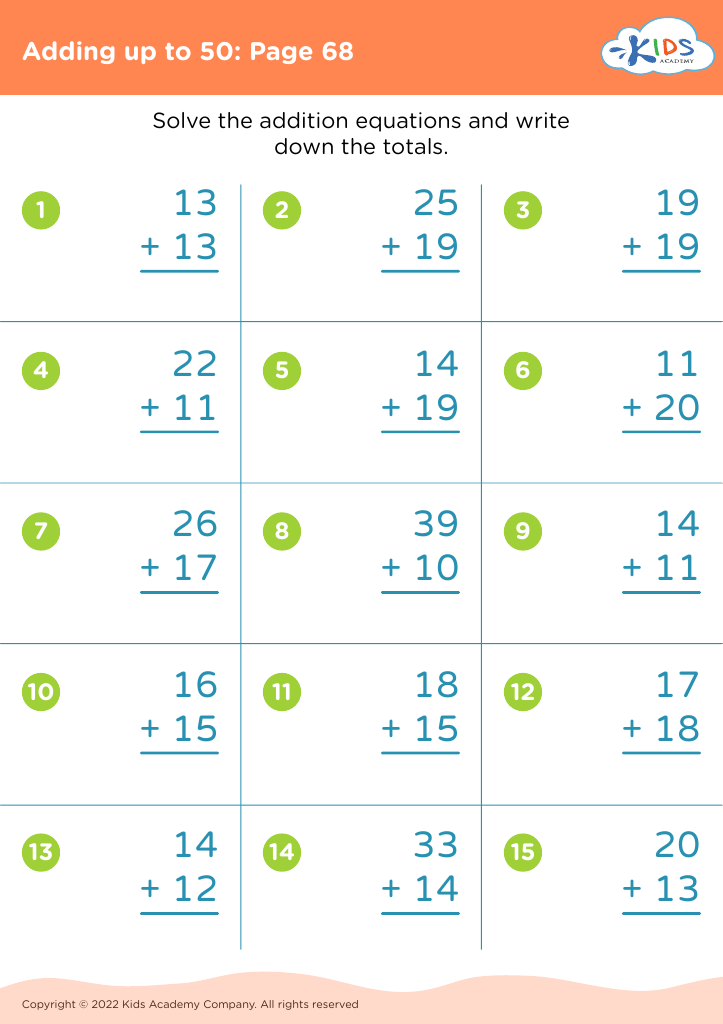
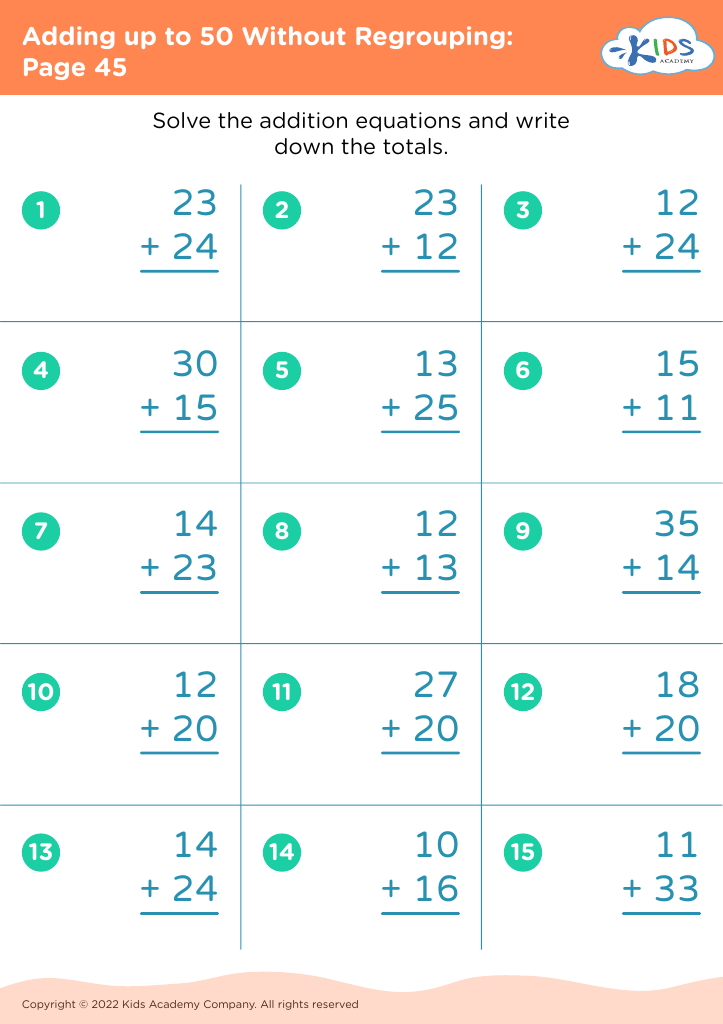
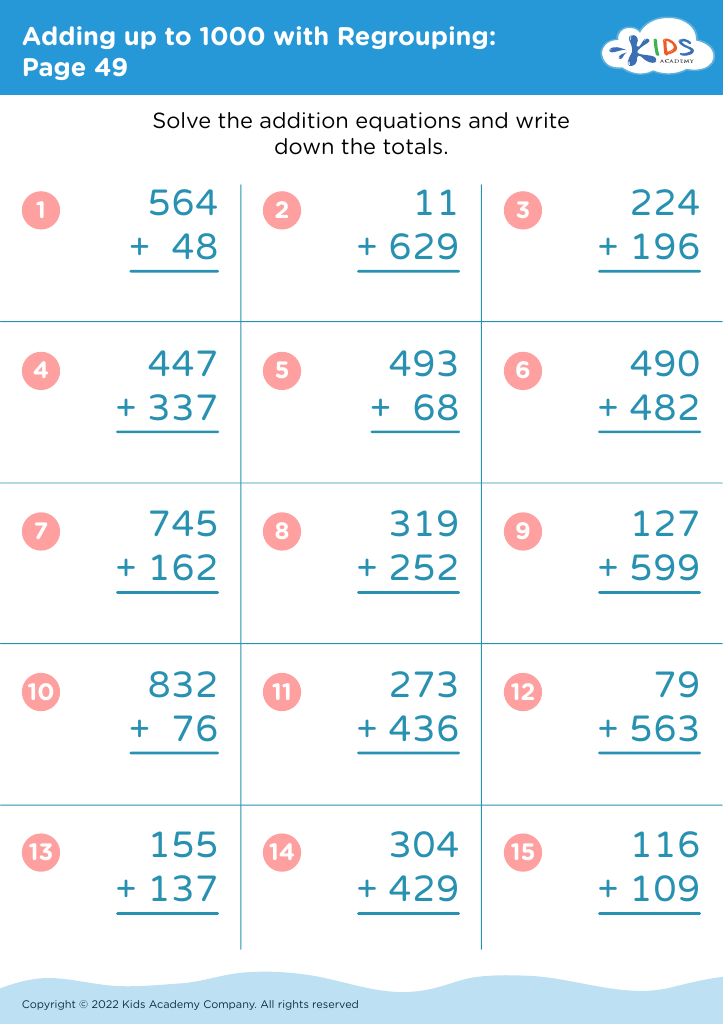
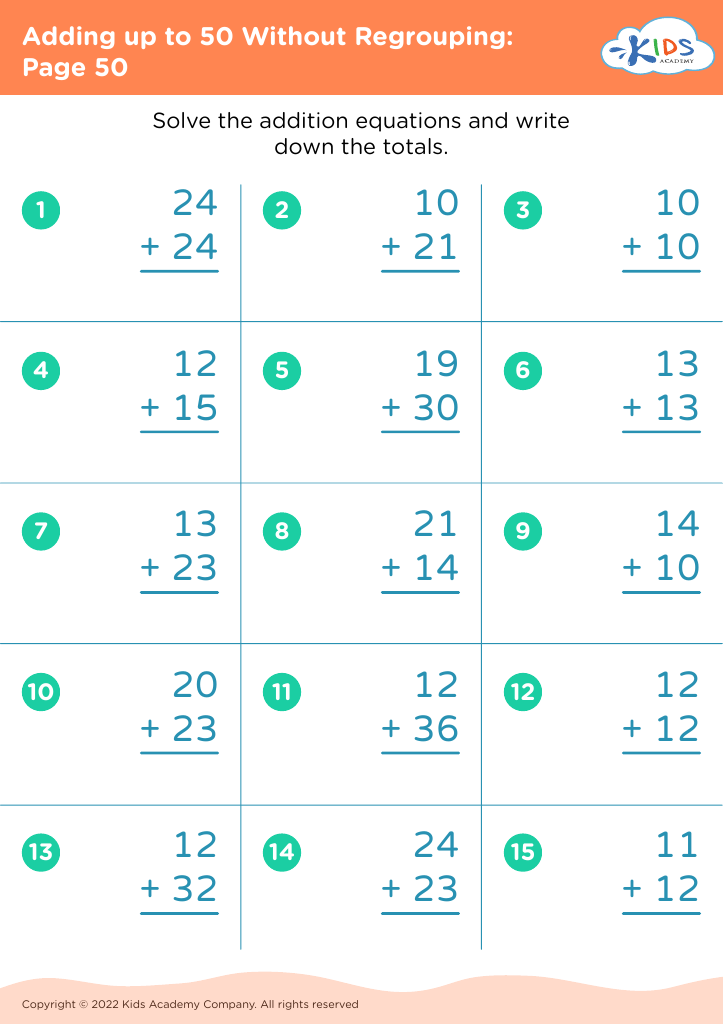








Recognizing equivalent fractions and mastering the addition and subtraction of these fractions is essential for children aged 8 to 9 as they build a strong mathematical foundation. At this age, students are increasingly engaging with more complex mathematical concepts, and understanding fractions is a crucial part of that curriculum. Recognizing equivalent fractions helps children comprehend that different fractions can represent the same value, which is integral for future operations.
For parents and teachers, fostering this understanding enhances problem-solving skills and promotes numerical fluency. This knowledge enables students to simplify fractions, compare different quantities, and tackle real-world problems involving sharing and measurement. Furthermore, grasping addition and subtraction of fractions bolsters critical thinking, as children learn how to find common denominators and combine or separate parts efficiently.
Encouraging this skill not only prepares students for more advanced topics in mathematics, such as mixed numbers and ratios, but also nurtures their confidence and enthusiasm for learning. By reinforcing these concepts through real-life application and interactive learning, adults can create a supportive environment that helps children embrace mathematics as an enjoyable and intuitive subject. This foundational understanding is crucial for their overall academic success and cognitive development.








