Recognizing shapes Addition & Subtraction Worksheets for Ages 8-9 - Page 2
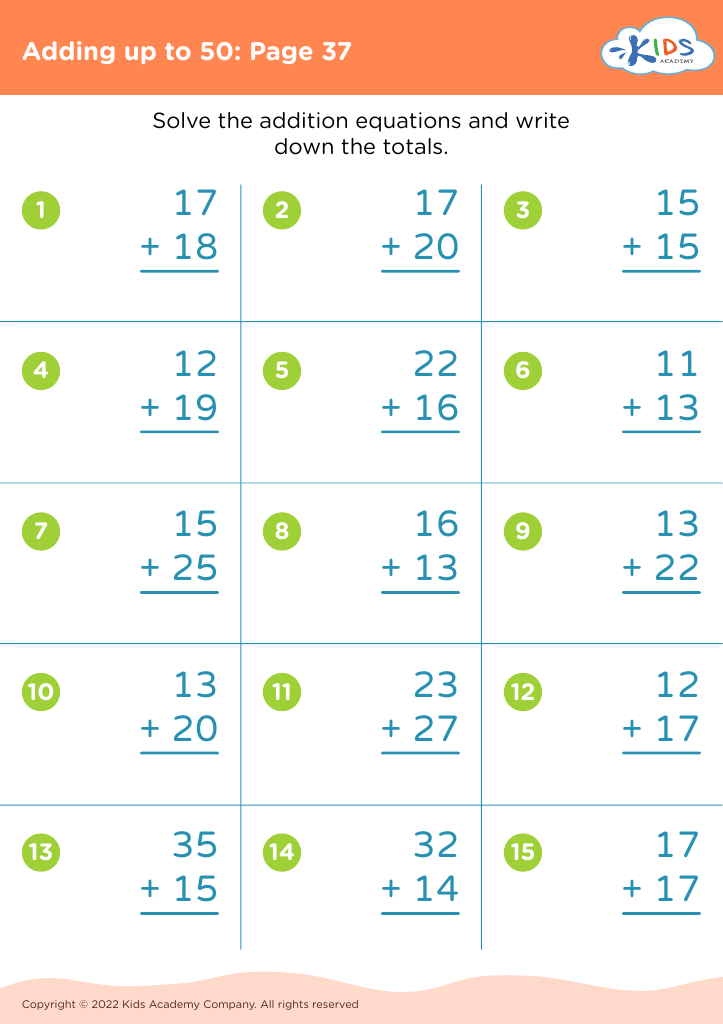
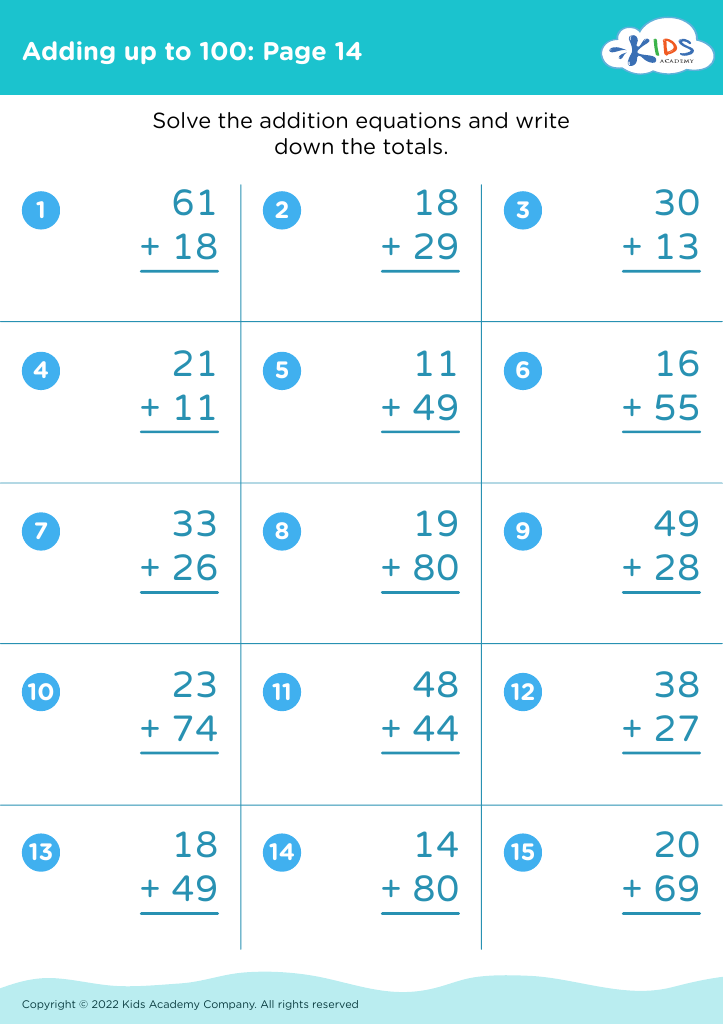
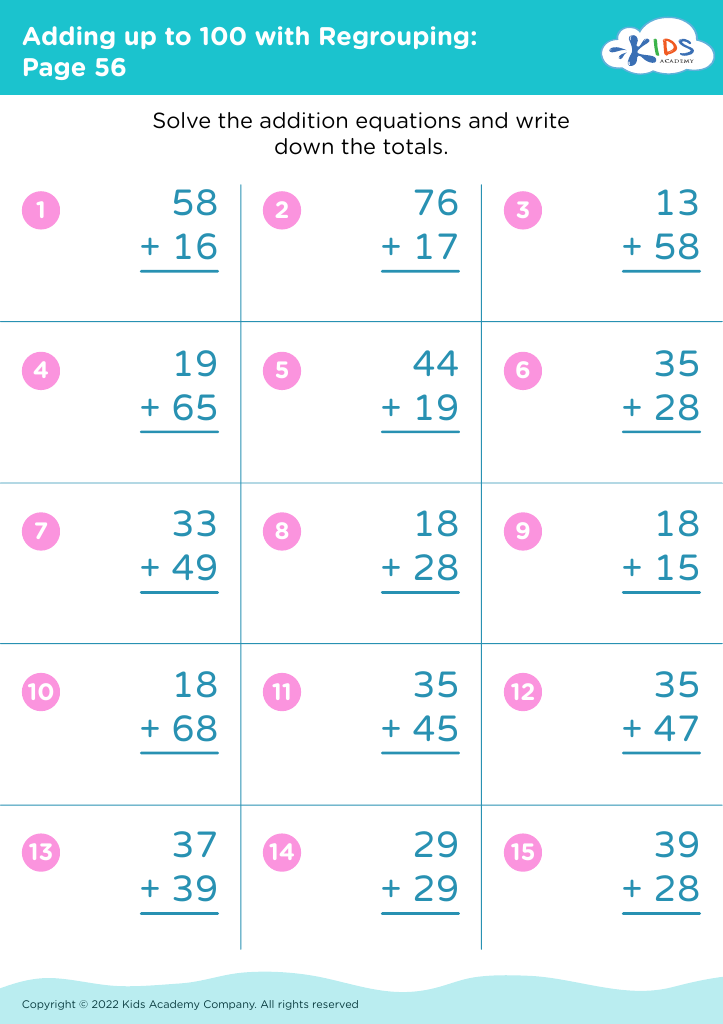
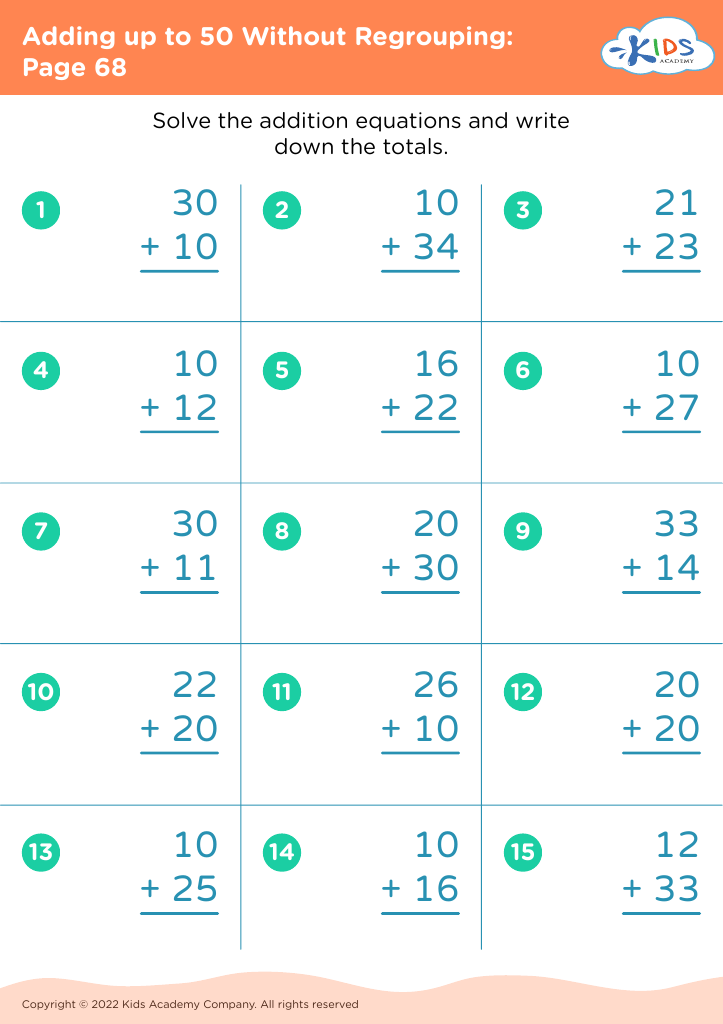








Recognizing shapes and mastering addition and subtraction at ages 8-9 lays a crucial foundation for a child's academic journey. At this stage, learning to identify shapes enhances spatial awareness and geometric thinking, pivotal for more complex mathematics and real-world problem-solving. Geometry hones visual perception and categorization skills, helping children understand their environment more clearly.
Addition and subtraction, on the other hand, are essential arithmetic skills that underpin countless aspects of daily life and advanced mathematical concepts. Proficiency in these operations enables children to approach more challenging topics with confidence, including multiplication, division, and fractions.
Moreover, developing these skills fosters critical thinking and analytical abilities. Problem-solving with addition and subtraction teaches logic, pattern recognition, and perseverance. By employing different strategies to solve equations, children learn flexibility in thinking and the value of multiple approaches.
Engaging in such learning activities at a young age boosts confidence and sets a positive attitude towards mathematics and learning in general. Thus, parents and teachers should prioritize recognizing shapes along with addition and subtraction to equip children with enduring tools for future academic success and life skills. Balancing fun and structured learning environments will enhance their grasp and enthusiasm for these foundational concepts.








