Alphabet Recognition Addition Worksheets for Ages 8-9
4 filtered results
-
From - To
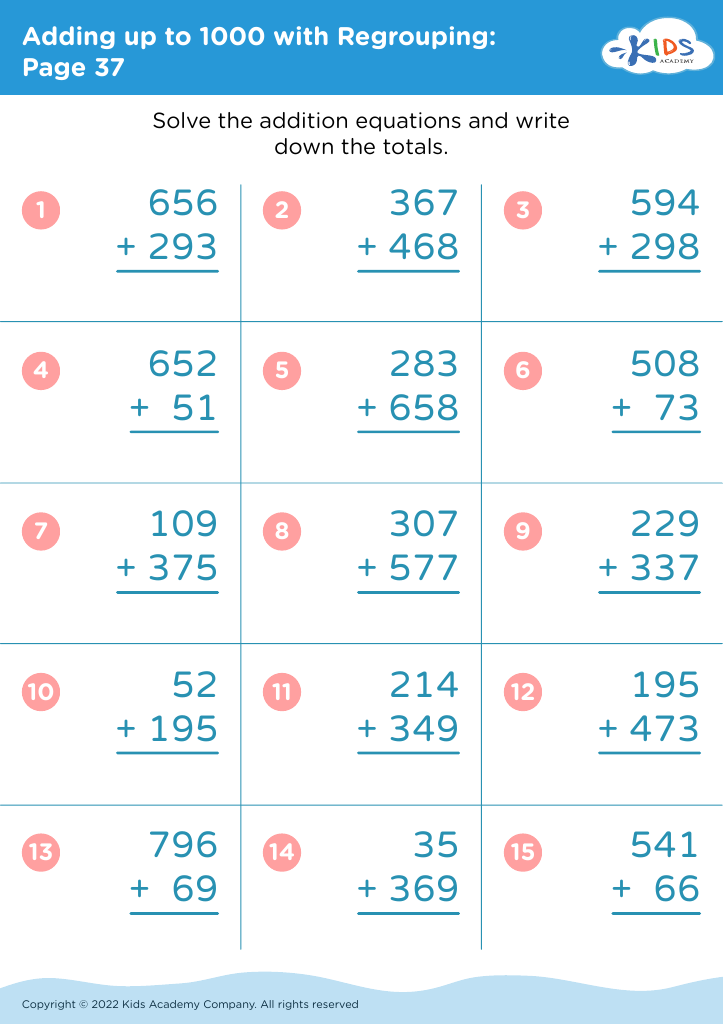
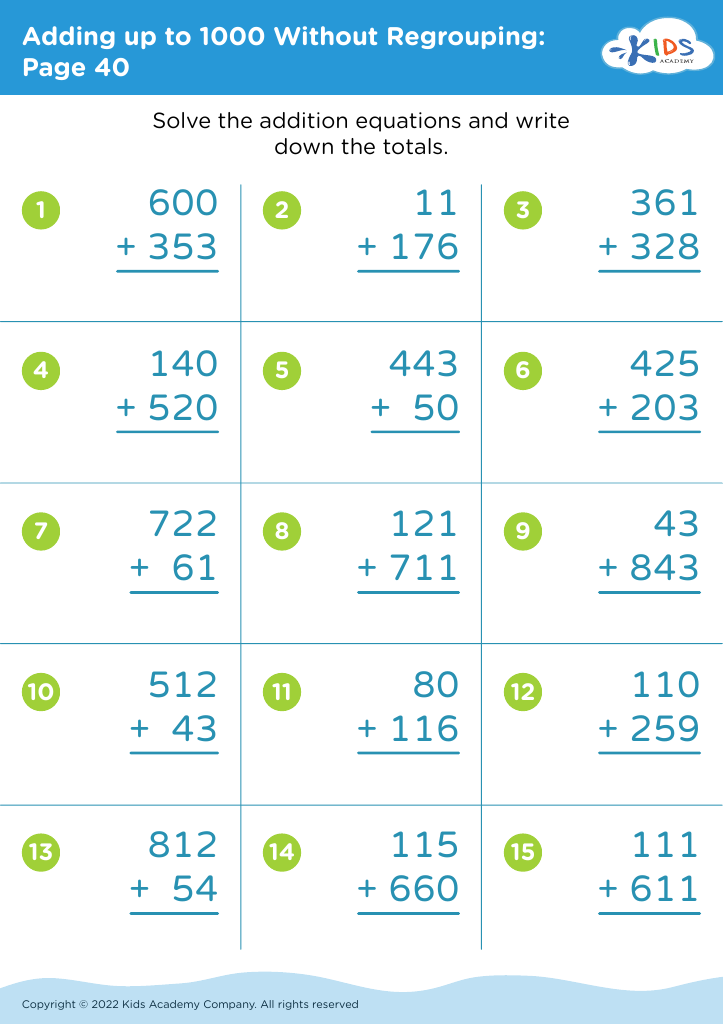
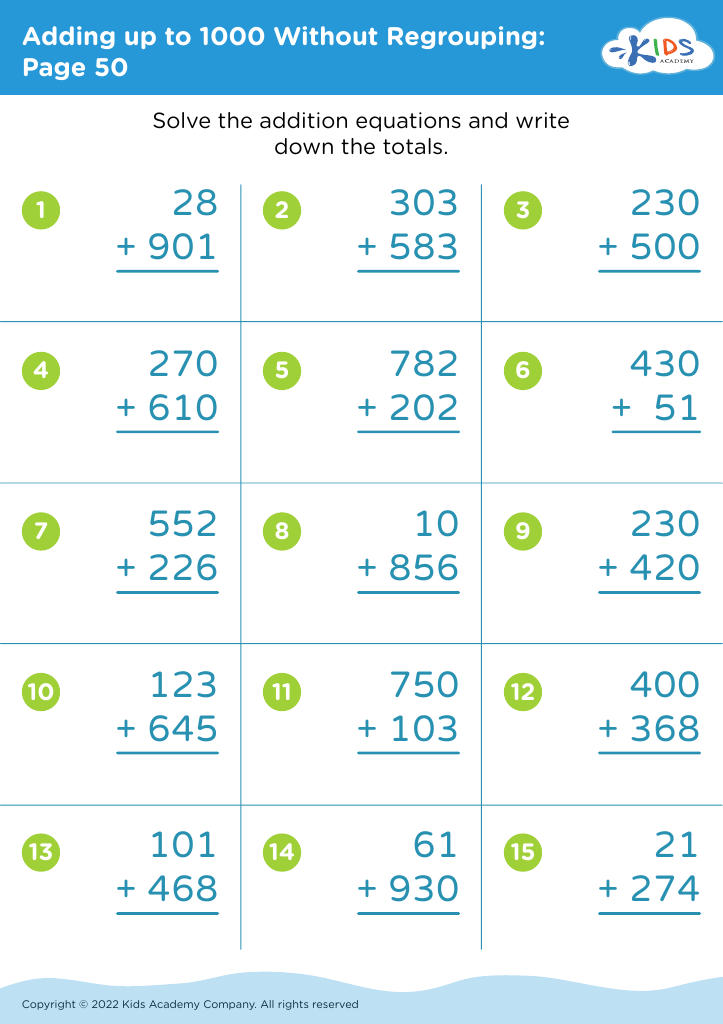
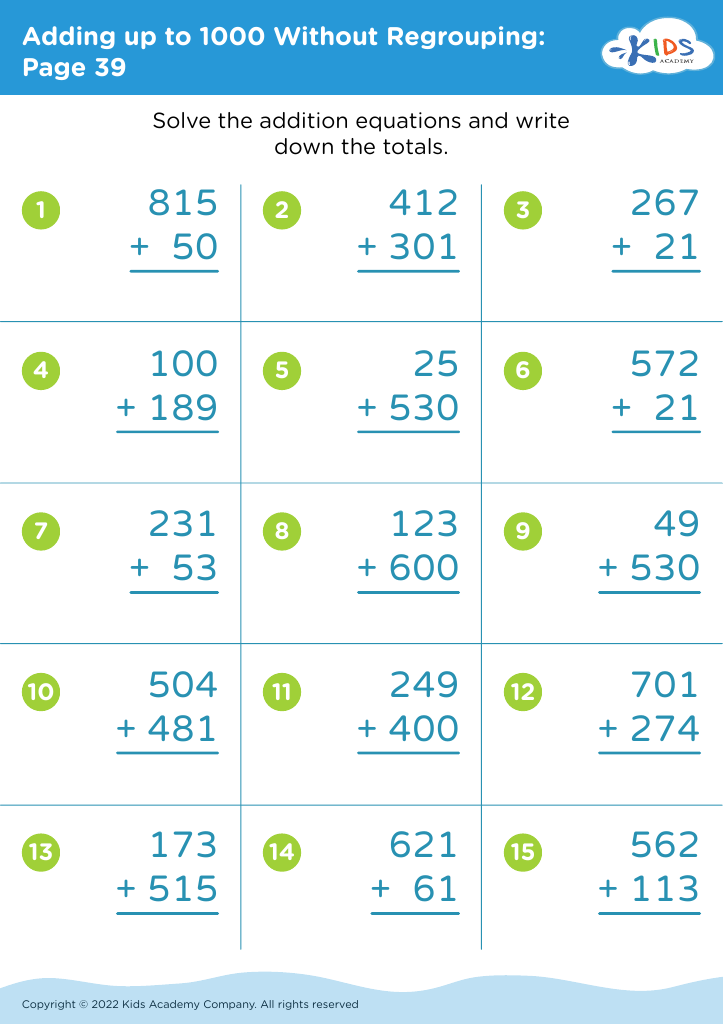
Boost your child's literacy and math skills with our engaging Alphabet Recognition Addition Worksheets for ages 8-9! These interactive worksheets seamlessly blend alphabet recognition with addition, providing a fun and educational experience. Designed to cater to young learners, our resources are perfect for reinforcing phonics while enhancing mathematical understanding. Each worksheet features vibrant imagery and thoughtful prompts, encouraging children to identify letters and solve addition problems effectively. Ideal for both classroom activities and home practice, these worksheets contribute to comprehensive learning. Explore our collection to give your child the tools they need to succeed in an enjoyable way!








Alphabet recognition is a crucial foundational skill for children aged 8-9, providing the basis for further language development, reading, and writing proficiency. As students in this age group transition from learning letters to using them for more complex literacy tasks, understanding the alphabet becomes even more critical. Teachers and parents should care about promoting strong alphabet recognition during this stage because it enhances a child's ability to decode new words, improve spelling, and boost overall reading comprehension.
Additionally, the combination of alphabet recognition and addition highlights the significance of multisensory learning. Engaging children in alphabet activities through games, songs, and flashcards can create a more enriching educational experience. The ability to recognize letters contributes to better math skills as well, particularly when learning how variables and letters are used in equations and word problems.
Ultimately, strong alphabet recognition equips children with essential skills that impact their success across subjects, supporting both academic achievement and self-confidence. By fostering this skill through attentive support and innovative teaching strategies, parents and teachers can ensure children are well-prepared for the primary educational challenges ahead, laying a solid foundation for future learning.








