
Color recognition Addition Worksheets for Ages 8-9
10 filtered results
Difficulty Level
Grade
Age
-
From - To
Subject
Activity
Standards
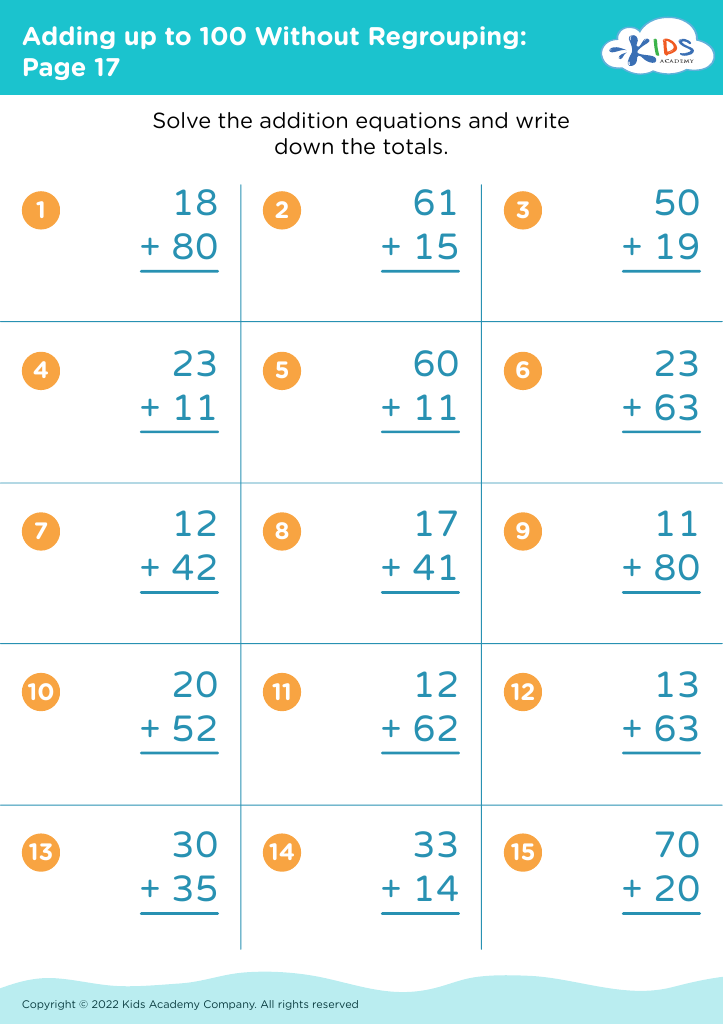
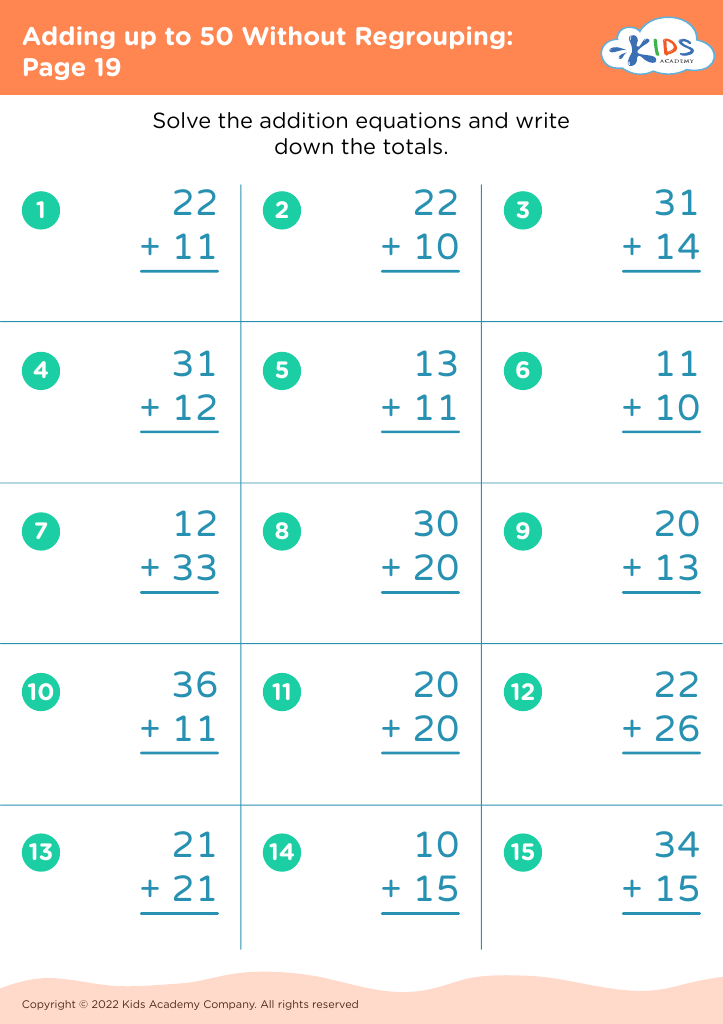
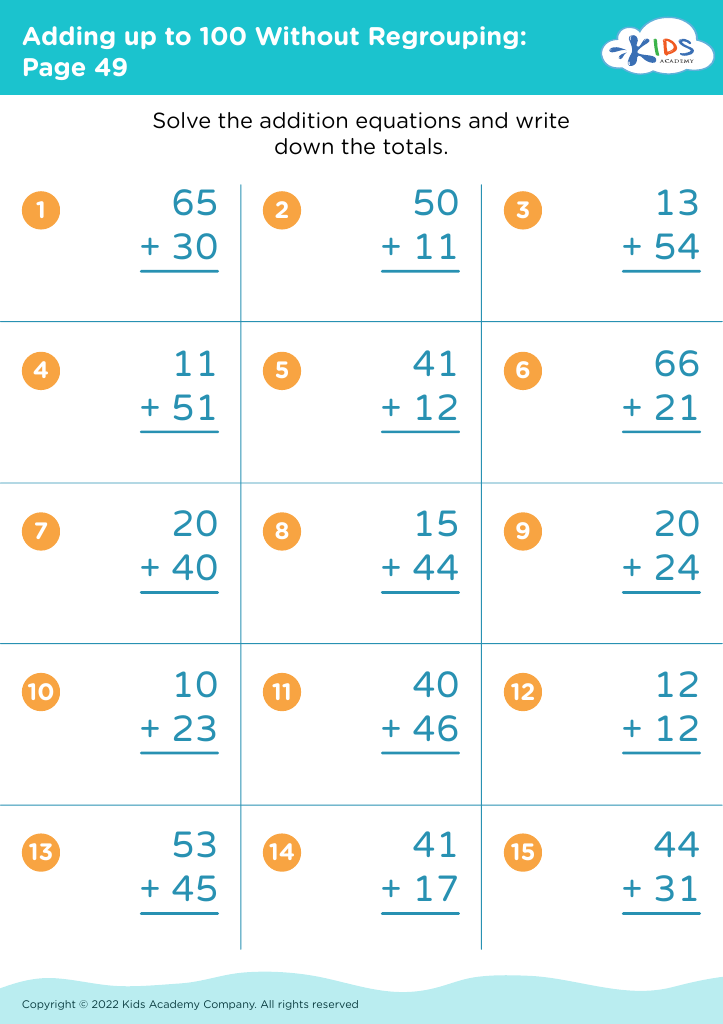
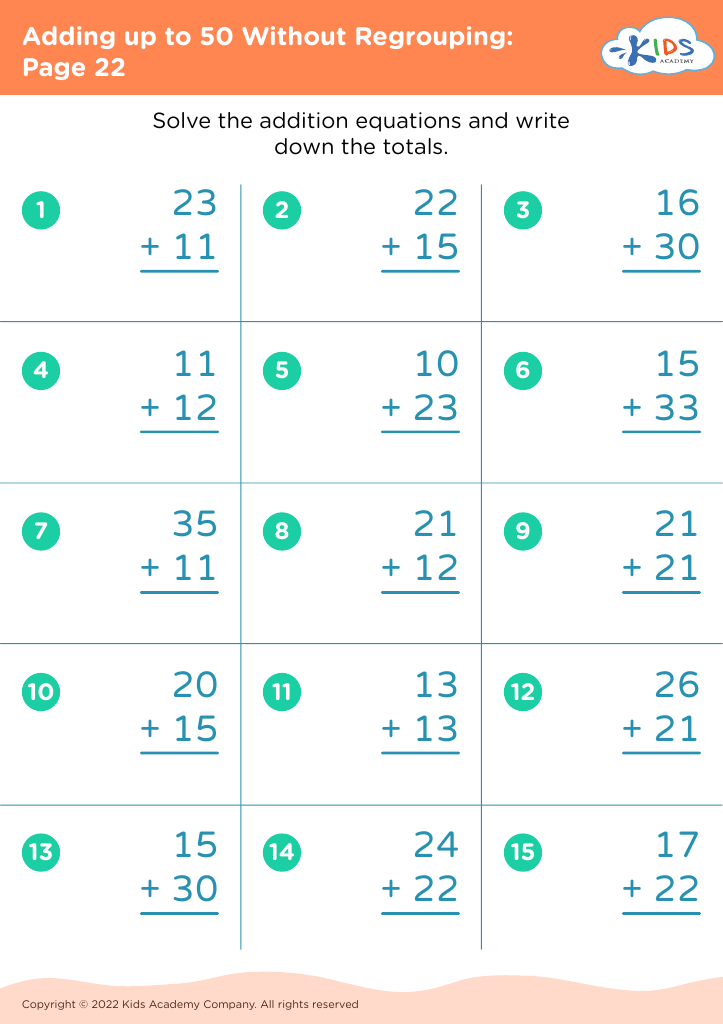
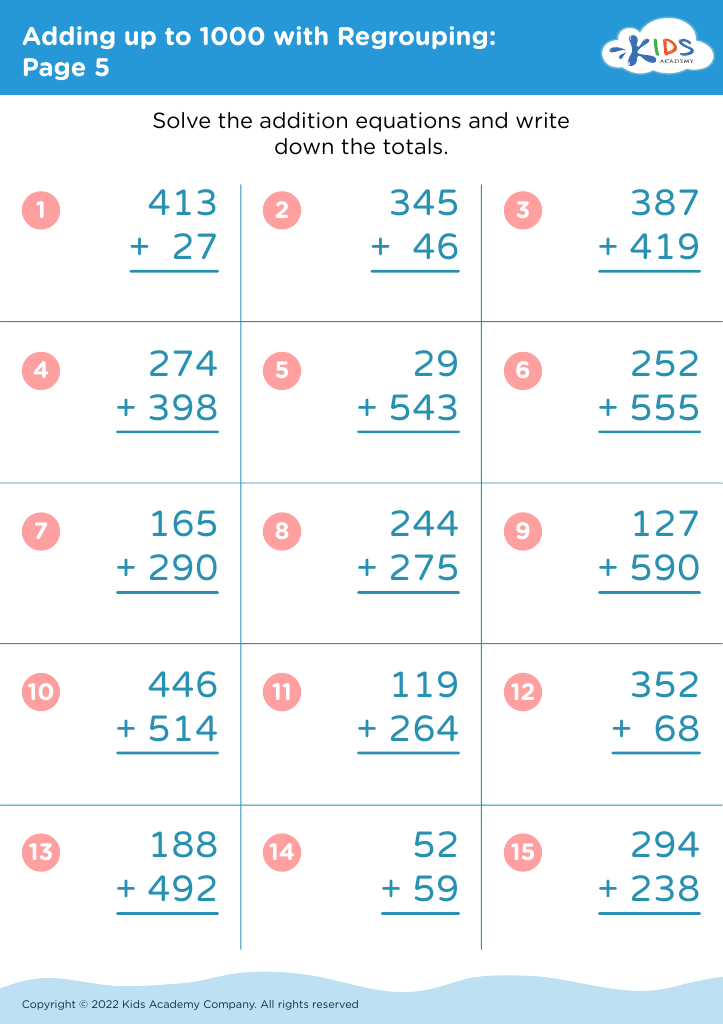
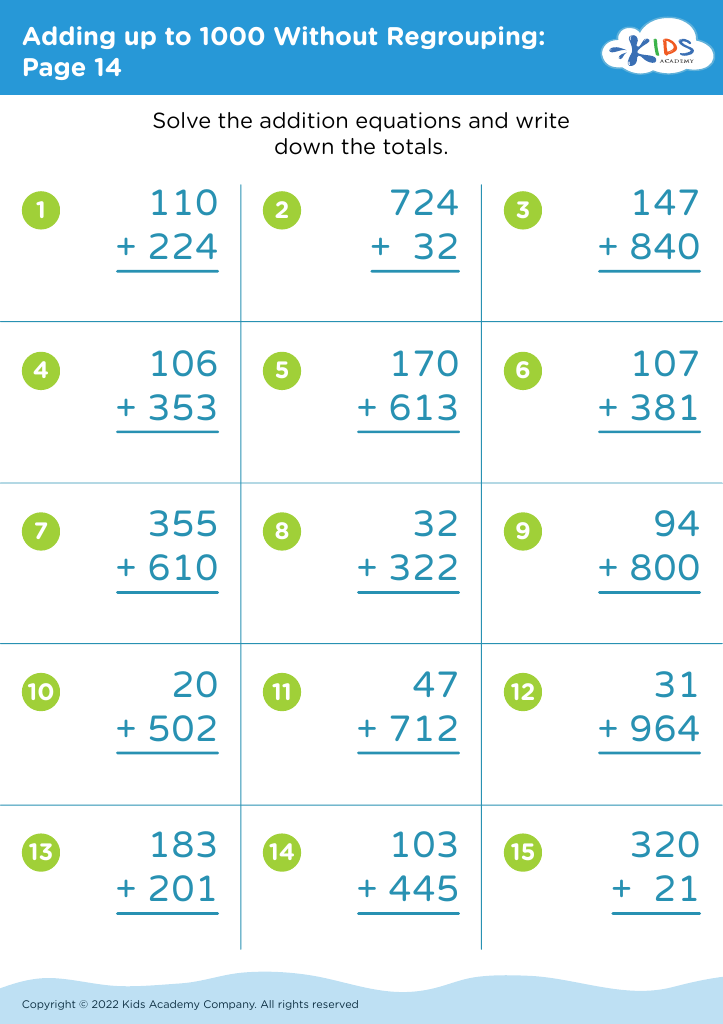
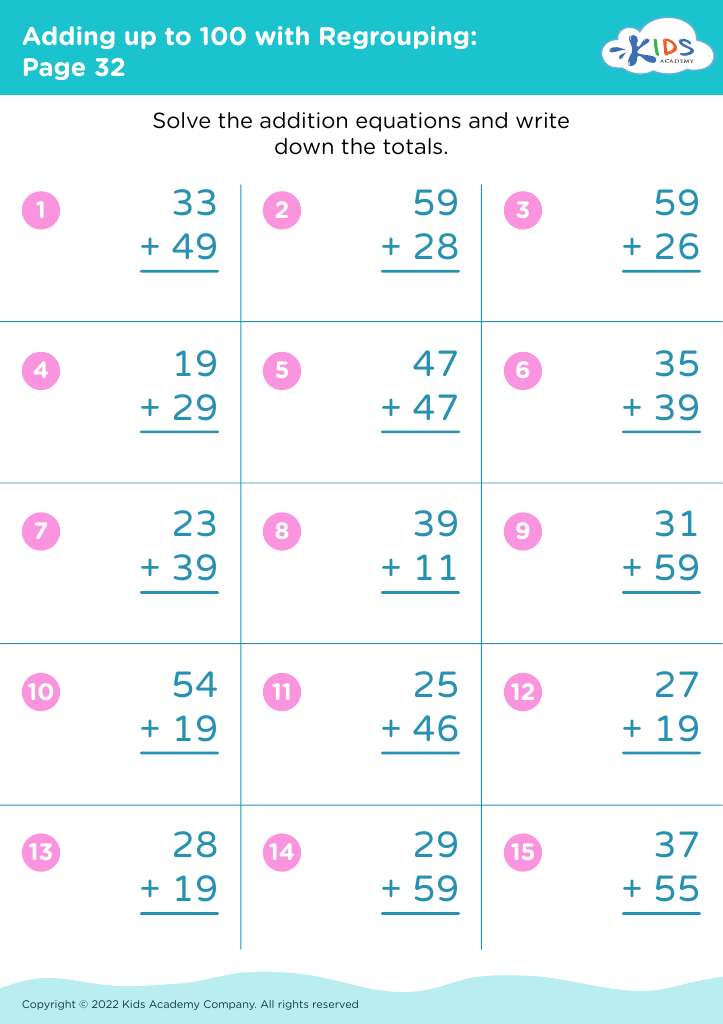
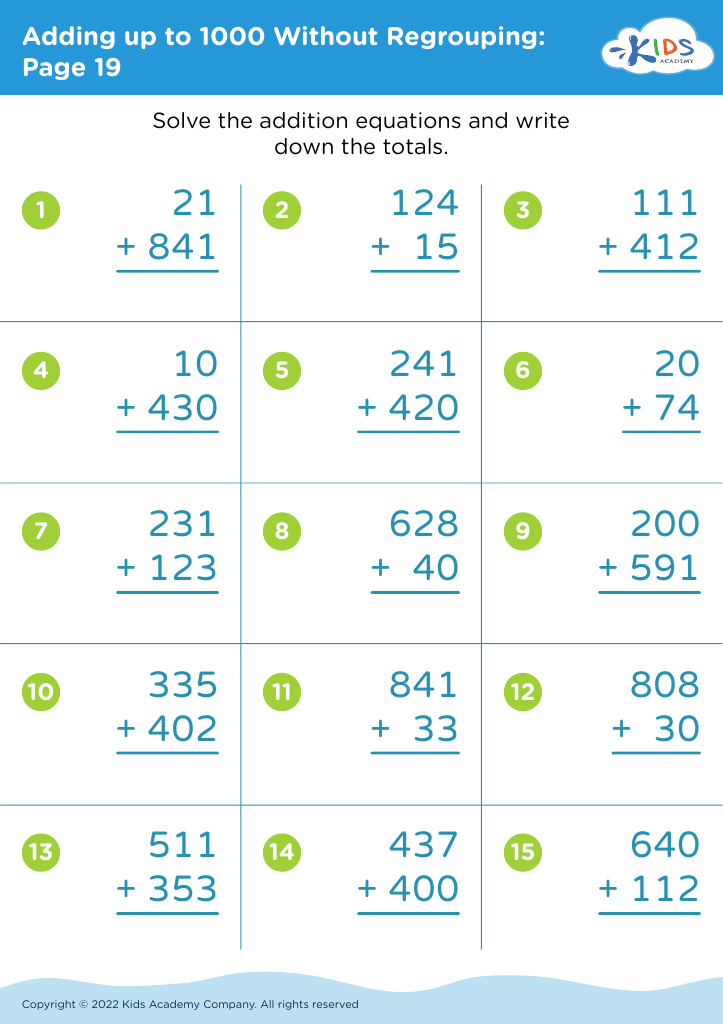
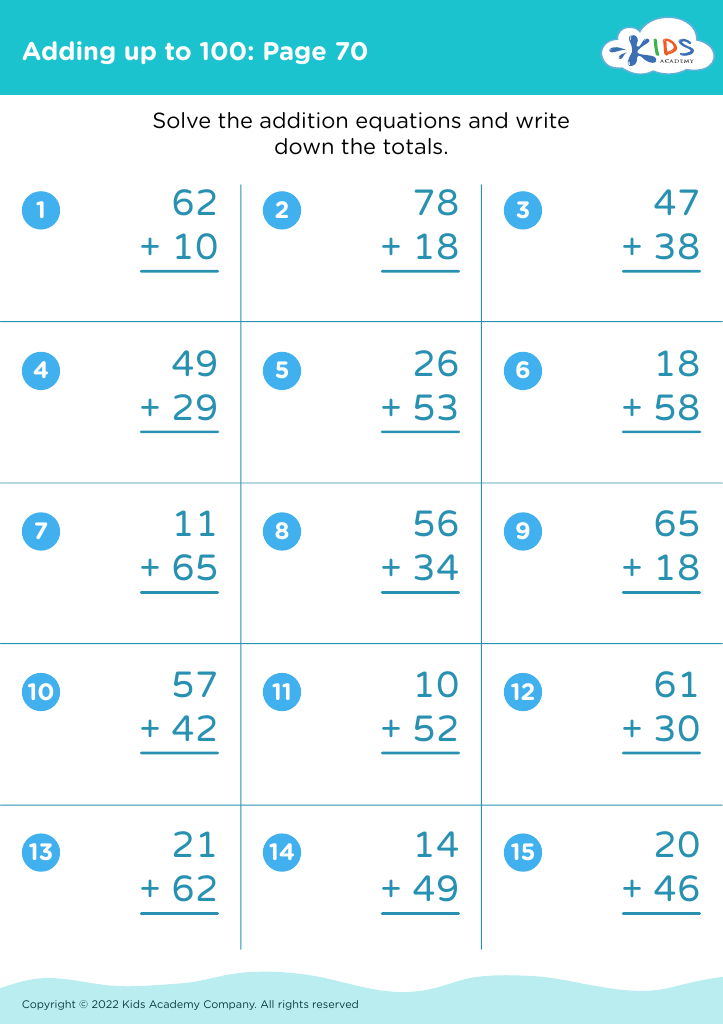
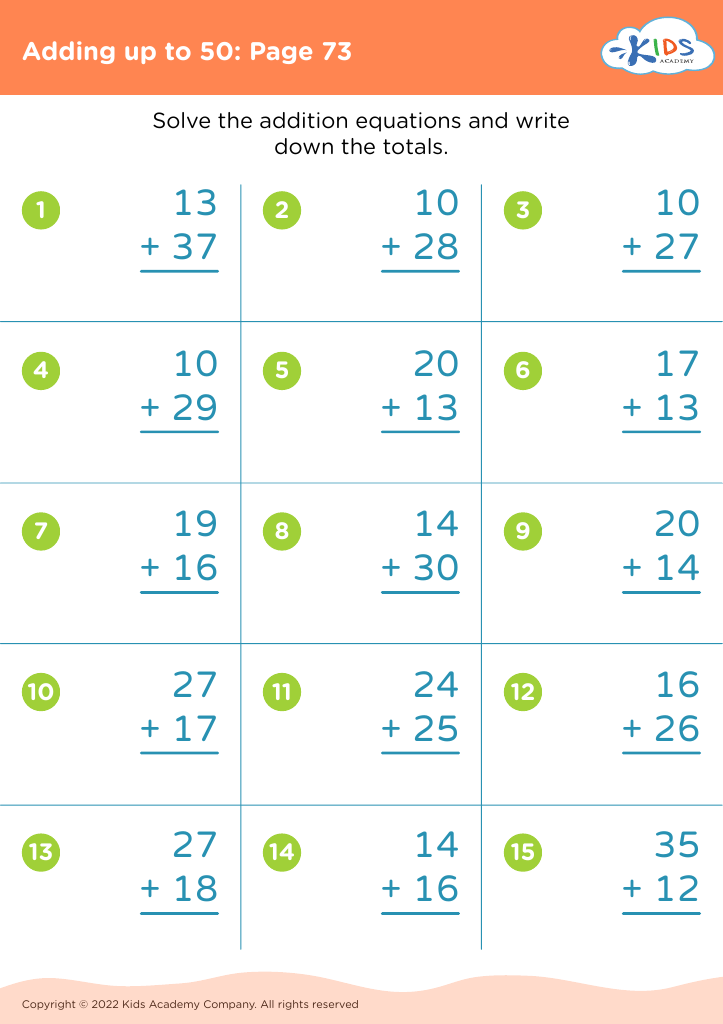
Discover our engaging Color Recognition Addition Worksheets designed specifically for children aged 8-9! These fun and interactive worksheets combine math skills with vibrant color recognition, making learning both enjoyable and effective. Students will solve addition problems while identifying and using colors in their answers, helping to strengthen their understanding of both concepts. Ideal for at-home practice or classroom activities, these worksheets encourage critical thinking and visual learning. Watch your child’s confidence soar as they master addition while exploring the world of colors! Perfect for reinforcing math skills in a playful and creative way. Get started today for a colorful learning experience!
Favorites
With answer key
Interactive
Join Kids Academy for Free
Who is primarily going to use this learning content?








Color recognition and addition are fundamental skills that significantly contribute to a child’s cognitive development, particularly for those aged 8-9. By this age, children are transitioning from simple foundational skills to more complex concepts, making it crucial for parents and teachers to ensure they have a solid grasp of both.
Color recognition helps enhance visual perception and categorize objects, fostering creativity and artistic expression. It stimulates brain areas associated with learning and memory, aiding in the development of critical thinking skills. When incorporated into mathematics, color-coded materials can help young learners grasp addition in a more engaging way. By using colors to represent different numbers or groupings, children can visualize problems and solutions, making abstract concepts more tangible.
Furthermore, color recognition can support mathematical understanding through relatable real-world applications, making learning enjoyable and interactive. For example, counting colored blocks or using colored counters enhances both color awareness and numeracy skills simultaneously. When parents and teachers prioritize these concepts, they not only guide children's academic progress but also promote confidence and a lifelong appreciation for learning. This holistic approach can lead to better classroom engagement, improved problem-solving abilities, and increased self-esteem in young learners.








