





.jpg)

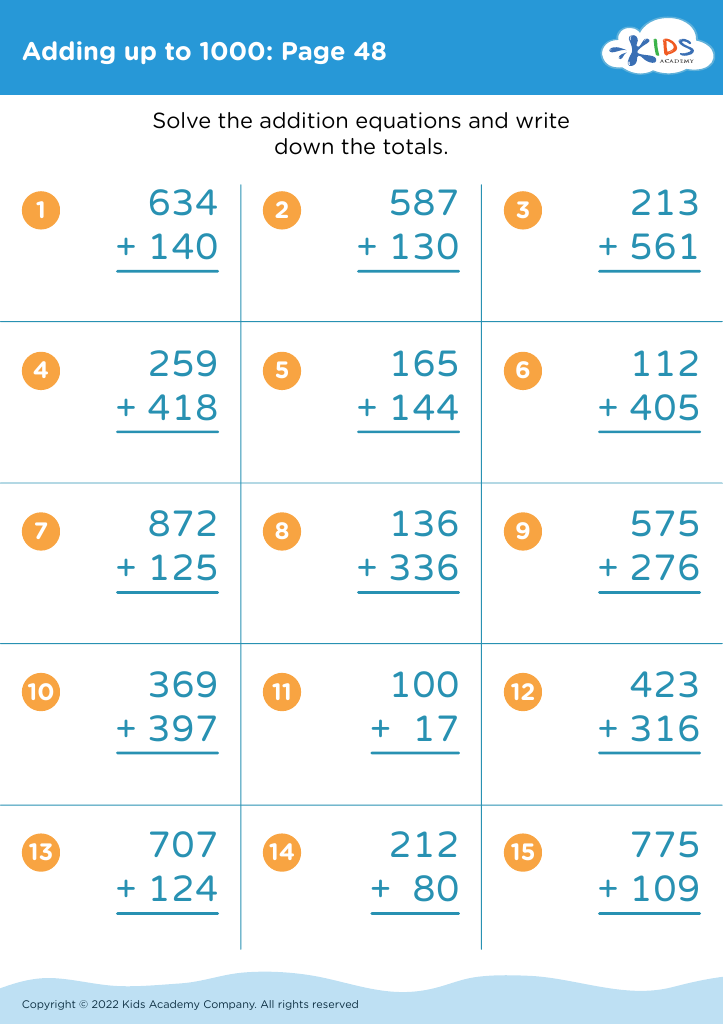
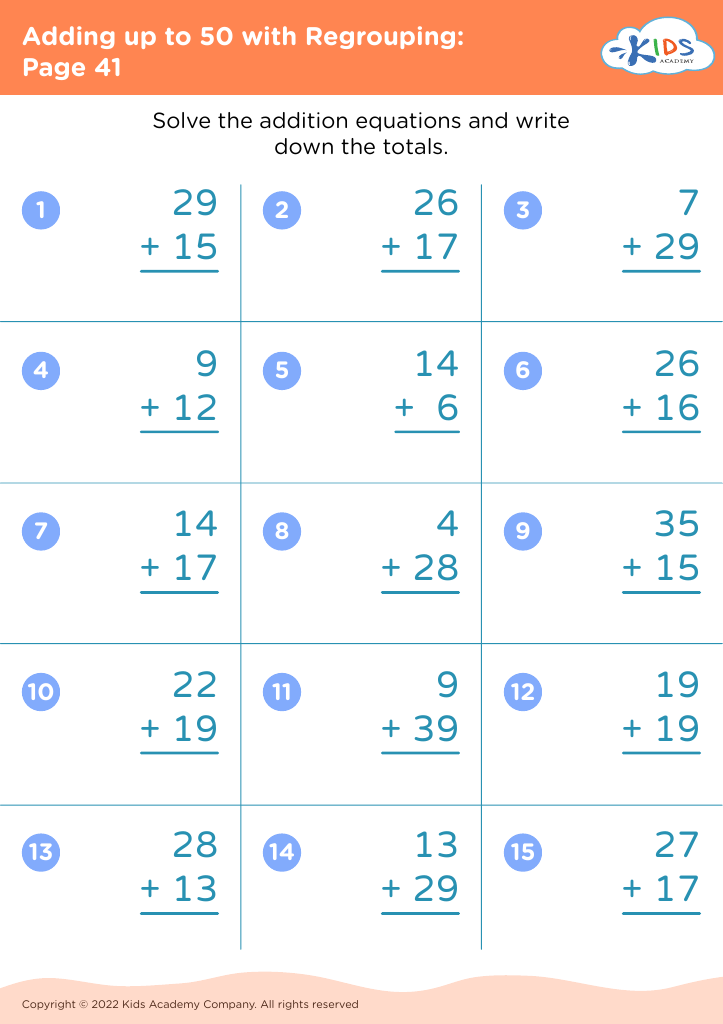
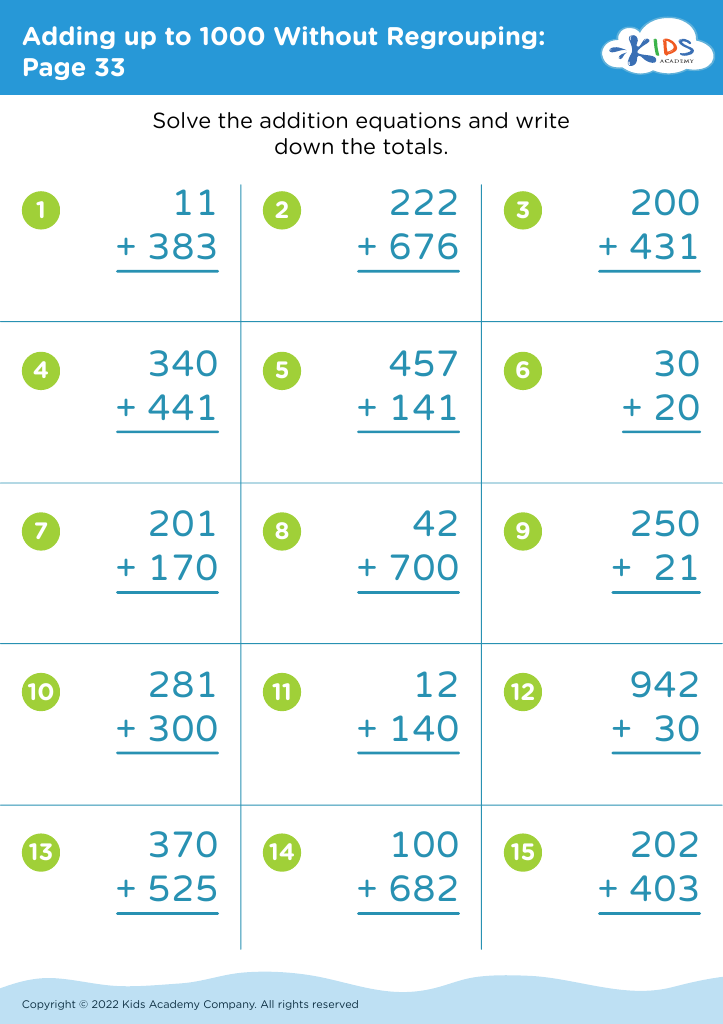
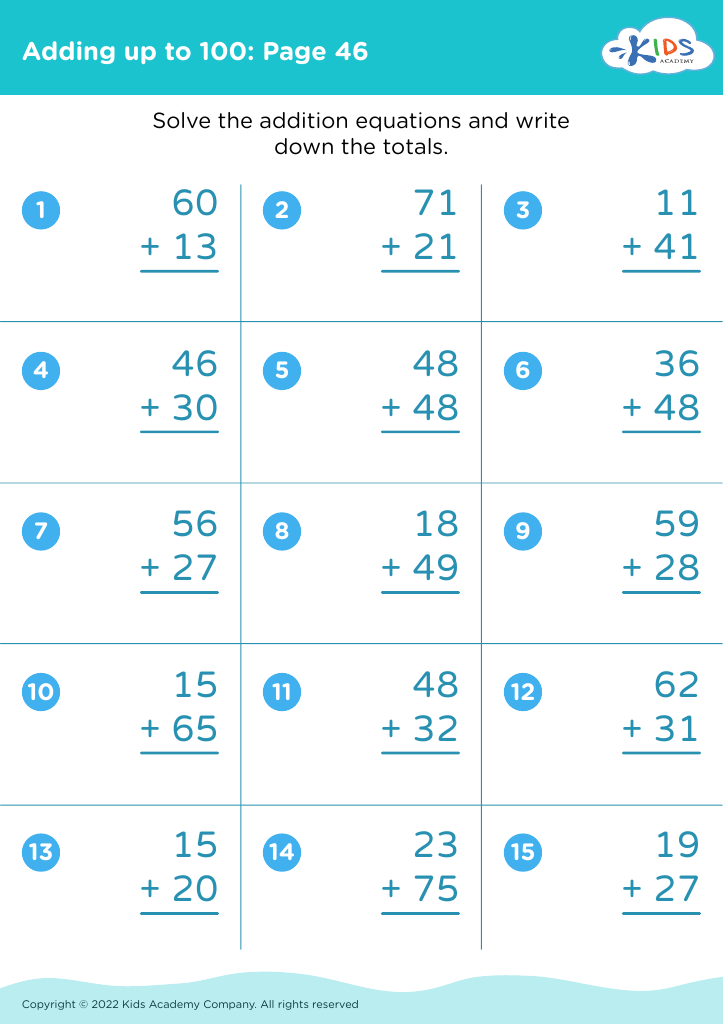
Counting practice and addition are fundamental skills that lay the foundation for advanced mathematics learning. For children aged 8-9, mastering these skills is critical. Firstly, proficiency in addition helps develop number sense, which is the ability to understand and work with numbers flexibly and efficiently. This is crucial for more complex mathematical concepts they'll encounter in later grades, such as multiplication, division, fractions, and algebra.
Moreover, counting practice strengthens memory and attention to detail. As children learn to add numbers consistently, they also develop logical thinking and problem-solving skills. These abilities are essential, not only in math but across other subjects and daily life situations.
Additionally, early success in math builds confidence and fosters a positive attitude toward the subject. Many children (and eventually, adults) view math as intimidating or frustrating. Regular practice with counting and addition reduces math anxiety and sets children up for success, encouraging a mindset of resilience and curiosity.
Parents and teachers should support and encourage these practices to ensure children get the foundational skills they need to excel academically and handle practical tasks throughout their lives, such as budgeting, cooking, and understanding time.
In summary, counting practice and addition are critical at this age because they build essential mathematical skills, enhance cognitive development, and promote a positive learning attitude.








