Develop inference skills Math Worksheets for Ages 8-9
3 filtered results
-
From - To
Unlock the potential of your child with our engaging "Develop Inference Skills Math Worksheets" designed specifically for ages 8-9. These worksheets help young learners enhance their critical thinking and reasoning abilities through fun and challenging mathematical reasoning activities. With a variety of exercises focused on interpreting data, solving word problems, and making logical deductions, these resources aim to strengthen comprehension and application of math concepts. Perfect for classroom use or at-home practice, our worksheets encourage independent thinking and bolster confidence in math skills. Dive into enriching math experiences today and watch your child thrive in their educational journey!
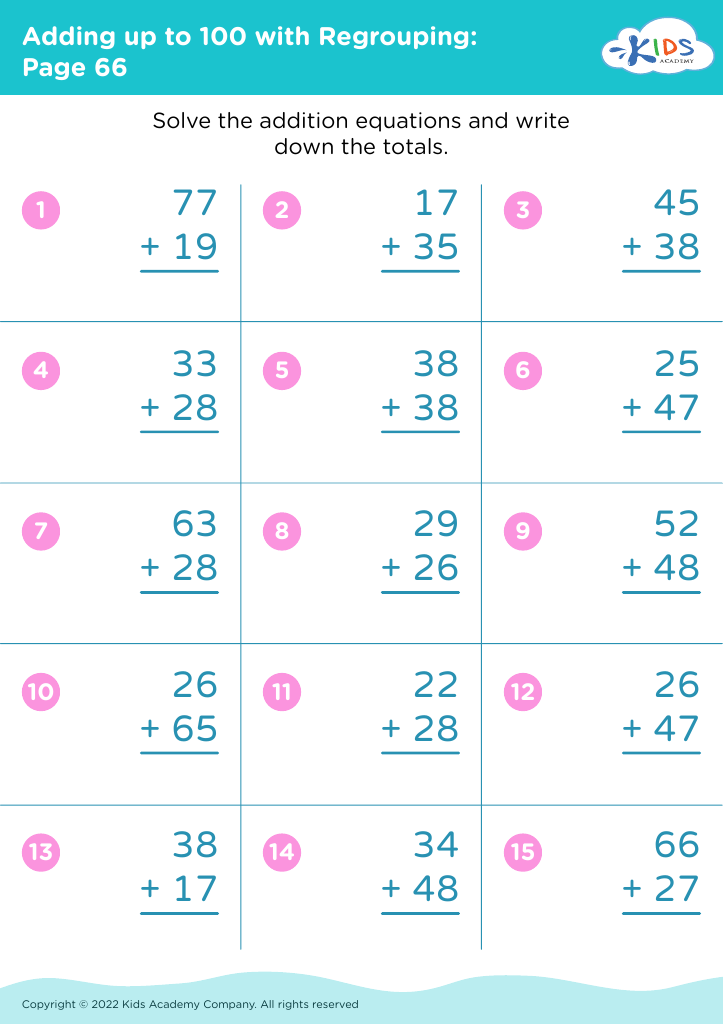
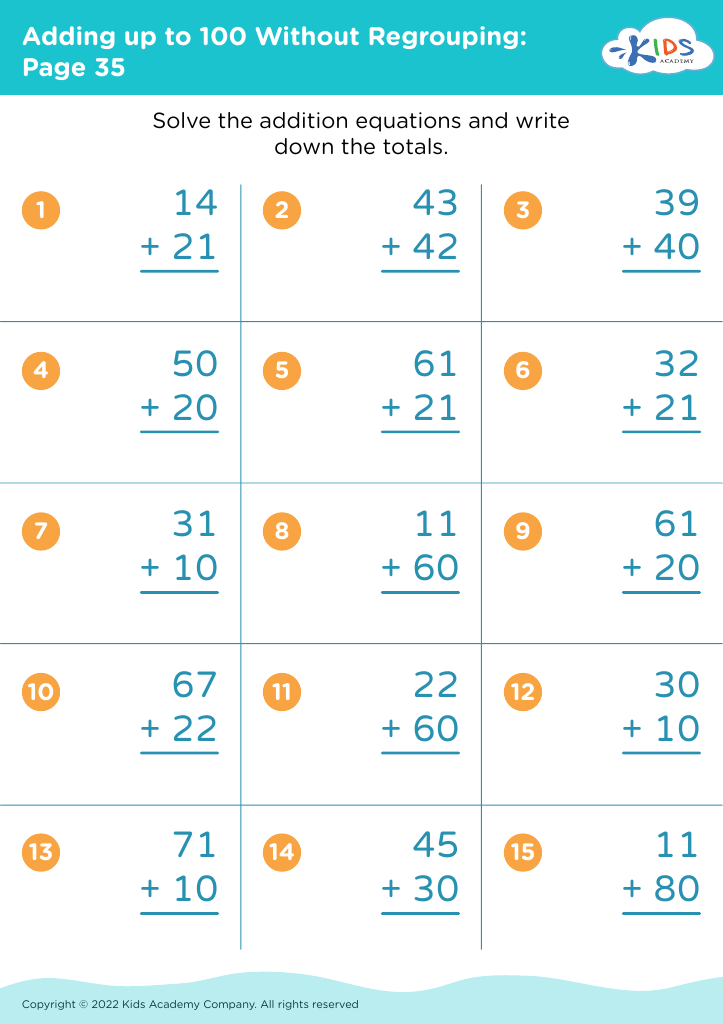
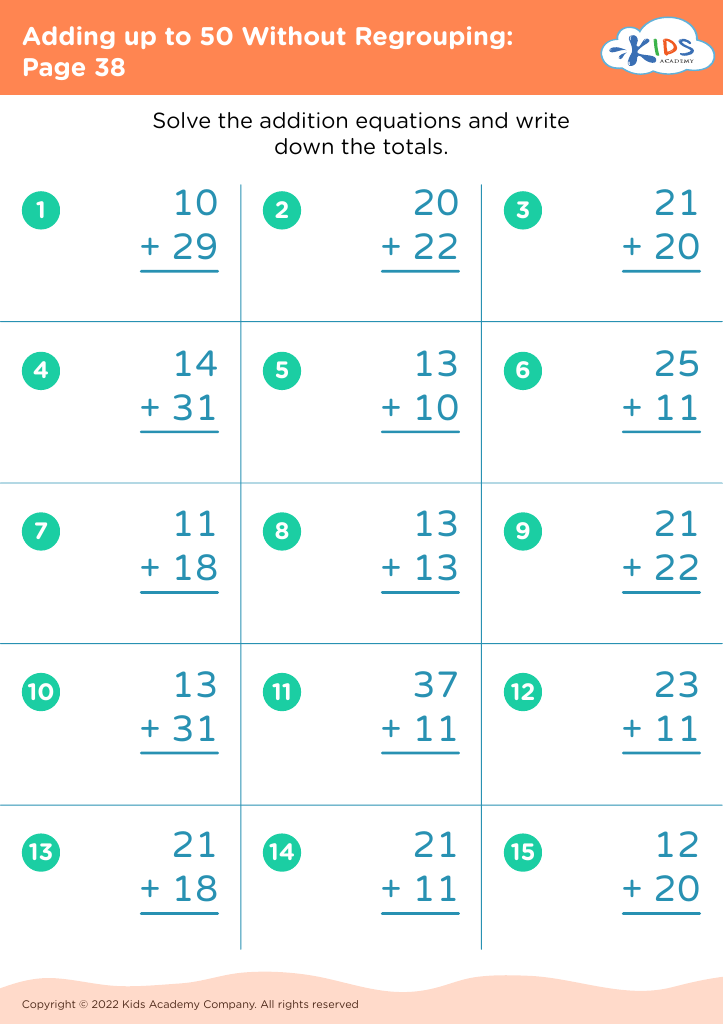








Developing inference skills in math for ages 8-9 is crucial for children's overall cognitive development. At this age, children are transitioning from concrete understanding of numbers and operations to abstract reasoning and problem-solving. Inference skills involve using known information to draw conclusions, make predictions, and solve unfamiliar problems, which are essential for success in higher-level math and real-world applications.
Teaching inference skills enhances critical thinking, allowing students to analyze data, recognize patterns, and interpret mathematical relationships. These skills enable children to approach problems more strategically, fostering independence and resilience as they navigate challenging tasks. Furthermore, strong inference abilities contribute to improved performance in various subjects, promoting a well-rounded education.
Parents and teachers have a vital role in nurturing these skills. Engaging children in discussions around solving problems, encouraging them to share their thought processes, and integrating real-world scenarios can significantly strengthen these abilities. When children learn to think deeply and infer, they become more confident learners, better equipped to tackle new challenges, and ultimately more successful in their academic endeavors and daily lives. Fostering inference skills is not just about math; it’s about preparing children for a future where analytical thinking is essential.








