
Improve problem-solving Math Worksheets for Ages 8-9
4 filtered results
Difficulty Level
Grade
Age
-
From - To
Subject
Activity
Standards
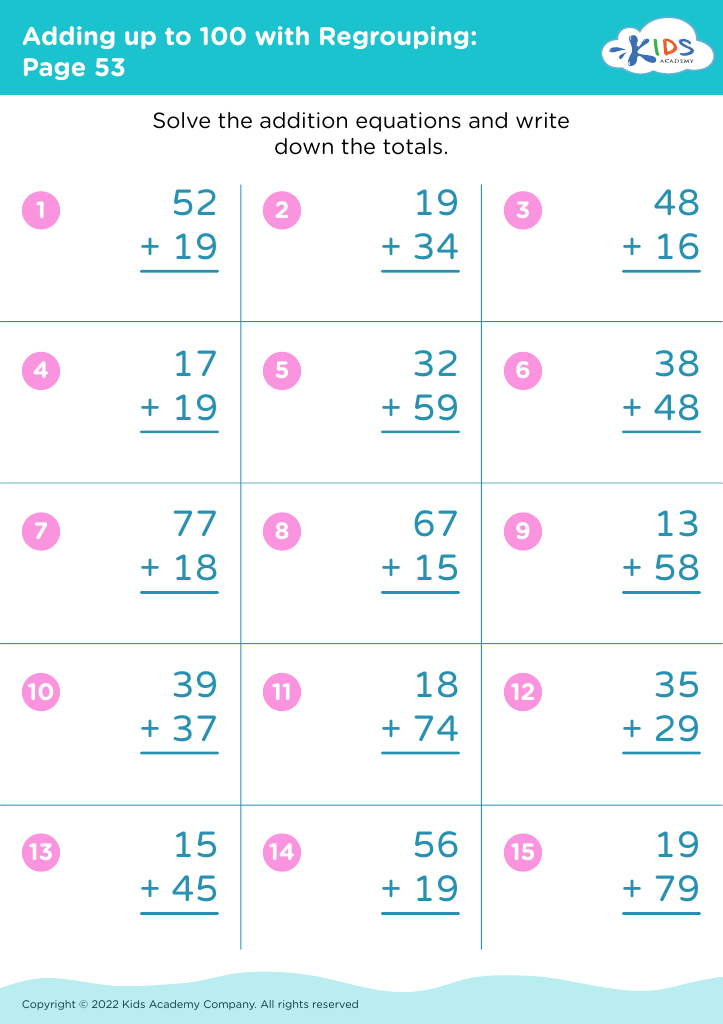
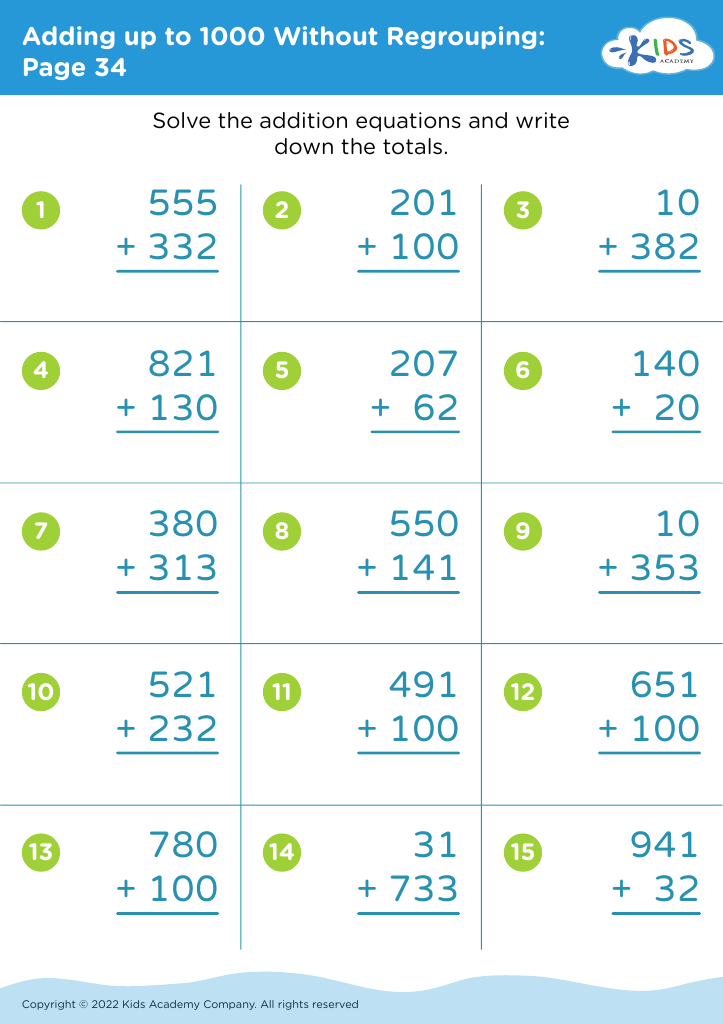
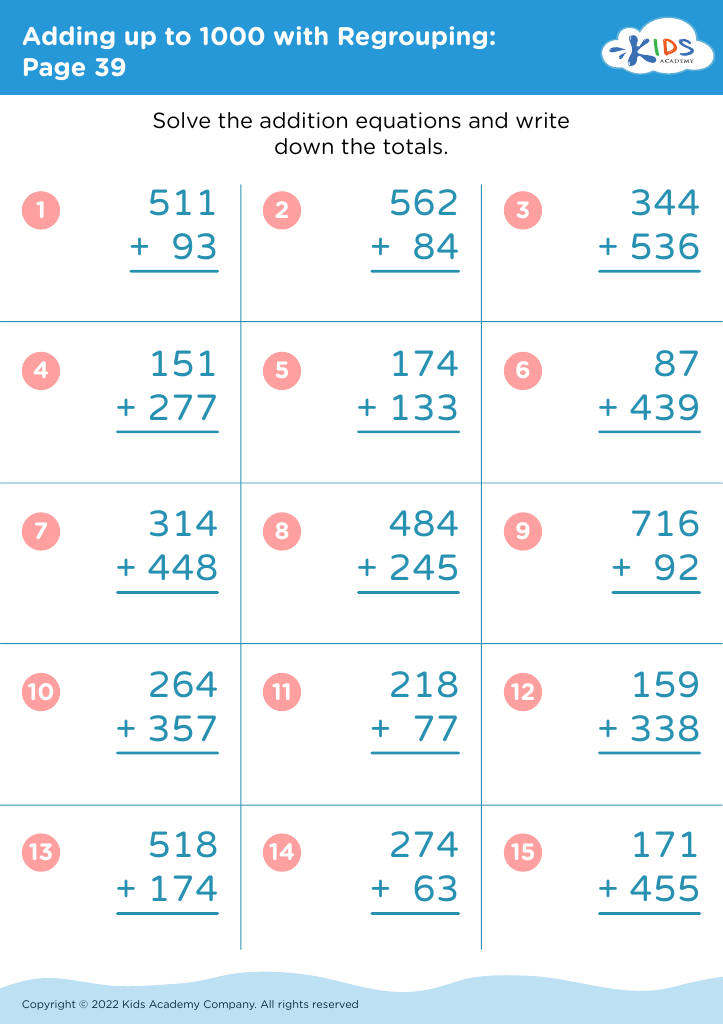
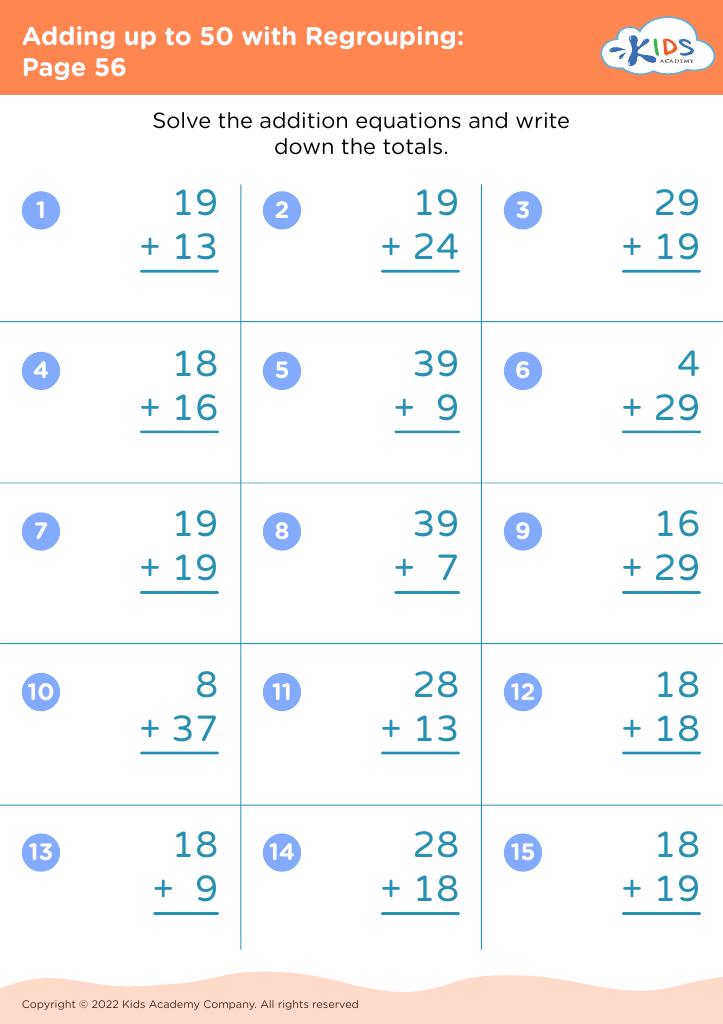
Boost your child's math skills with our "Improve Problem-Solving Math Worksheets" designed specifically for ages 8-9! These engaging worksheets help students sharpen their critical thinking and reasoning abilities through fun, interactive problems that reinforce mathematical concepts. Each worksheet features a variety of challenges that encourage deeper understanding and application in real-life scenarios. Tailored to support young learners, these materials foster analytical thinking and build confidence in tackling complex problems. Perfect for classroom use or at-home practice, our problem-solving worksheets make math enjoyable and effective. Unlock your child's potential today and watch them thrive in their mathematical journey!
Favorites
With answer key
Interactive
Join Kids Academy for Free
Who is primarily going to use this learning content?


.jpg)




Improving problem-solving math skills for children ages 8-9 is essential for several reasons. At this critical developmental stage, children are transitioning from basic arithmetic to more complex mathematical concepts. Mastering problem-solving strategies during this period lays a solid foundation for their future academic success.
Parents and teachers should recognize that strong problem-solving skills cultivate essential cognitive abilities, such as logical reasoning, critical thinking, and creativity. These skills are invaluable not just in mathematics but across all subjects and everyday situations. Additionally, effective problem-solving enhances a child’s confidence, often leading to increased motivation and engagement in learning.
Engaging students in problem-solving activities encourages collaboration and communication, important skills in today’s interconnected world. Moreover, fostering a growth mindset through problem-solving challenges teaches children resilience and adaptability, helping them tackle obstacles they may face academically and personally.
By prioritizing problem-solving math, parents and teachers can help children develop a love for learning while preparing them for the demands of more advanced studies. Ultimately, nurturing these skills not only supports individual academic achievement but also contributes to developing informed and capable future citizens.








