Numeracy skills Math Worksheets for Ages 8-9
8 filtered results
-
From - To
Unlock your child's potential with our comprehensive numeracy skills math worksheets designed specifically for ages 8-9. These engaging resources streamline learning through interactive activities that bolster essential math skills your child needs. Covering everything from basic arithmetic to fractions and problem-solving, our worksheets are tailored to make complex concepts simple and fun. Developed by education experts, each worksheet combines education and enjoyment, ensuring your child builds confidence and acquires crucial skills for future success. Perfect for both classroom and home use, these worksheets are a great way to enhance your child's numeracy skills in an enjoyable and effective manner.
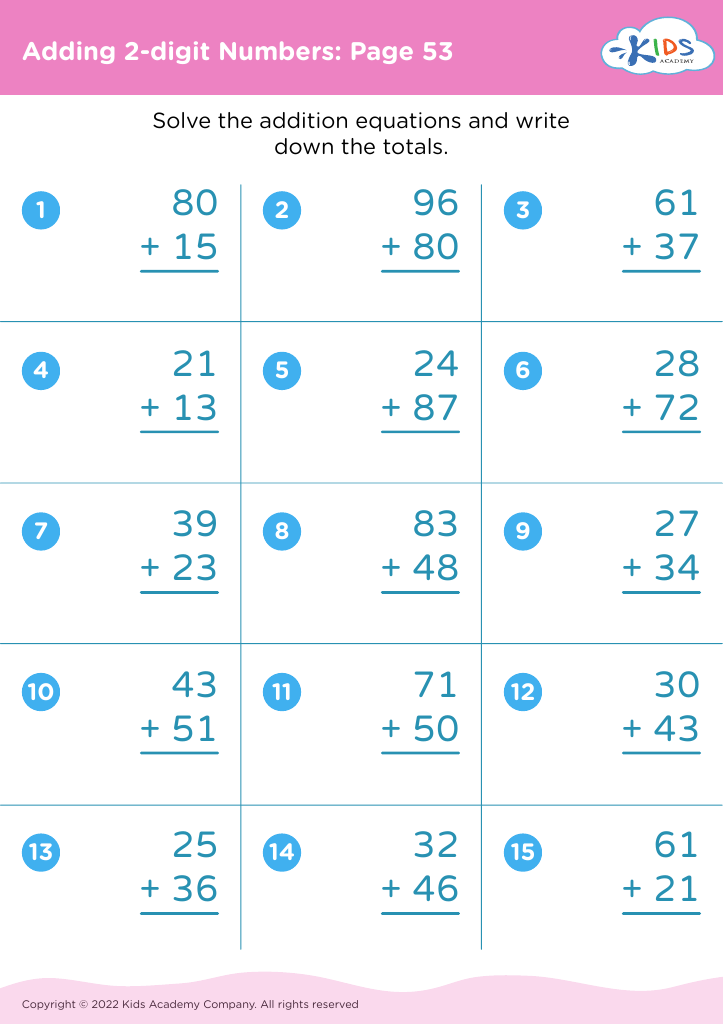
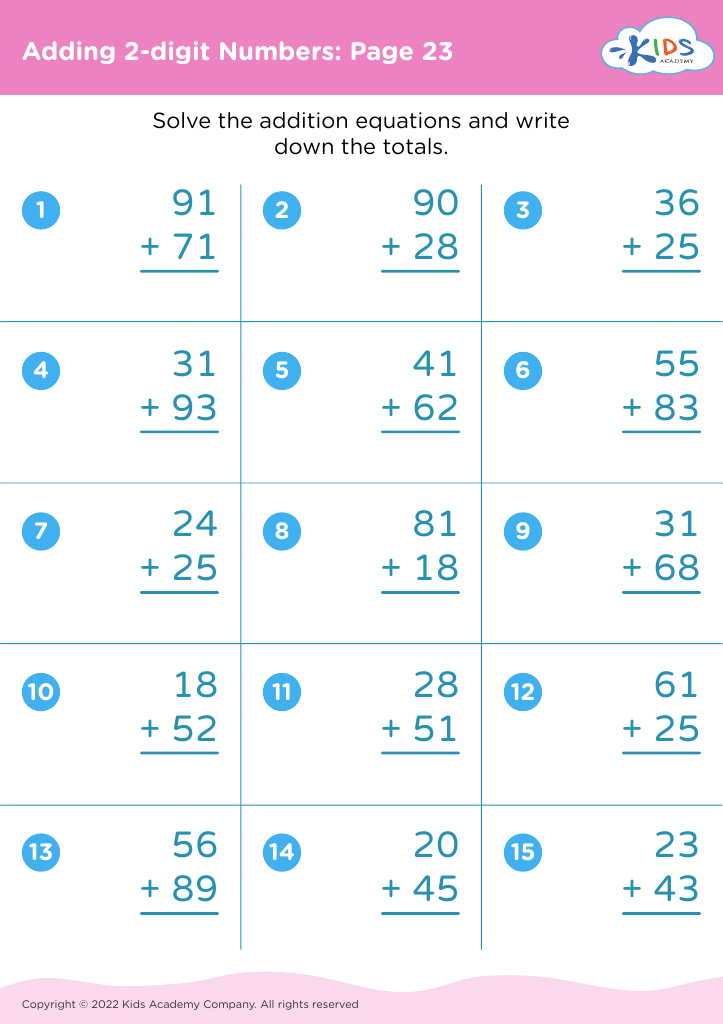
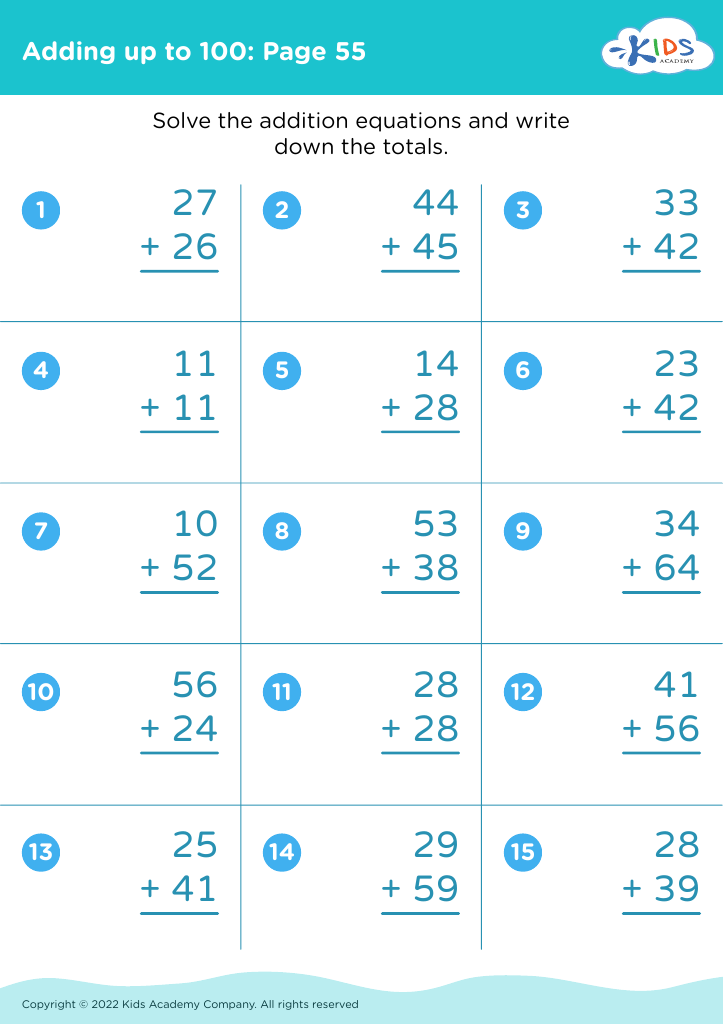
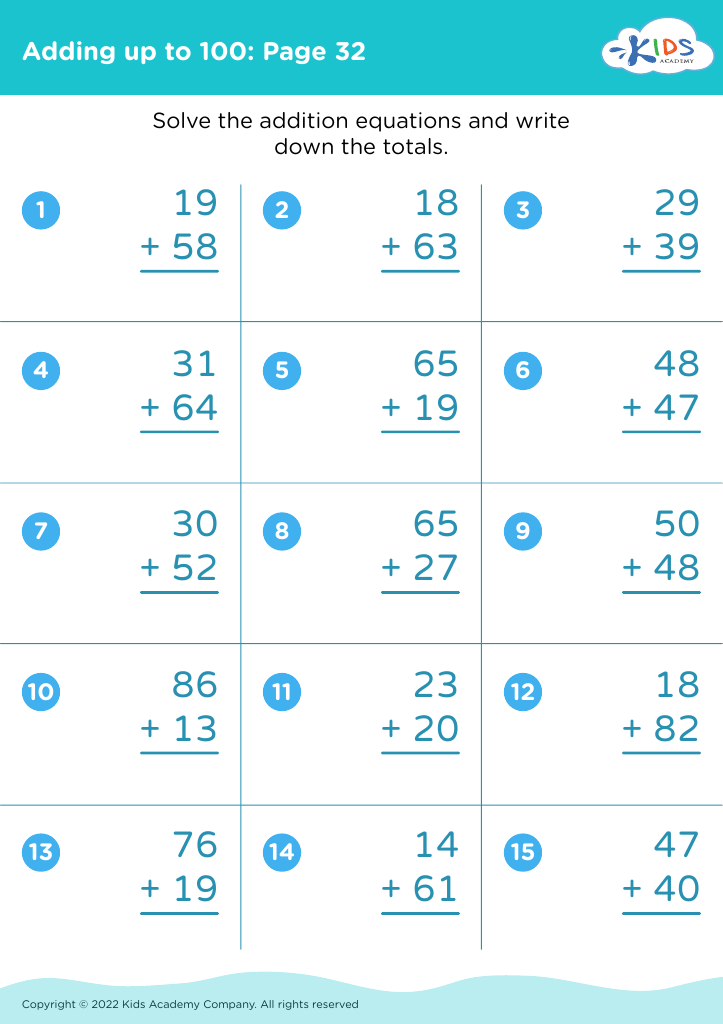
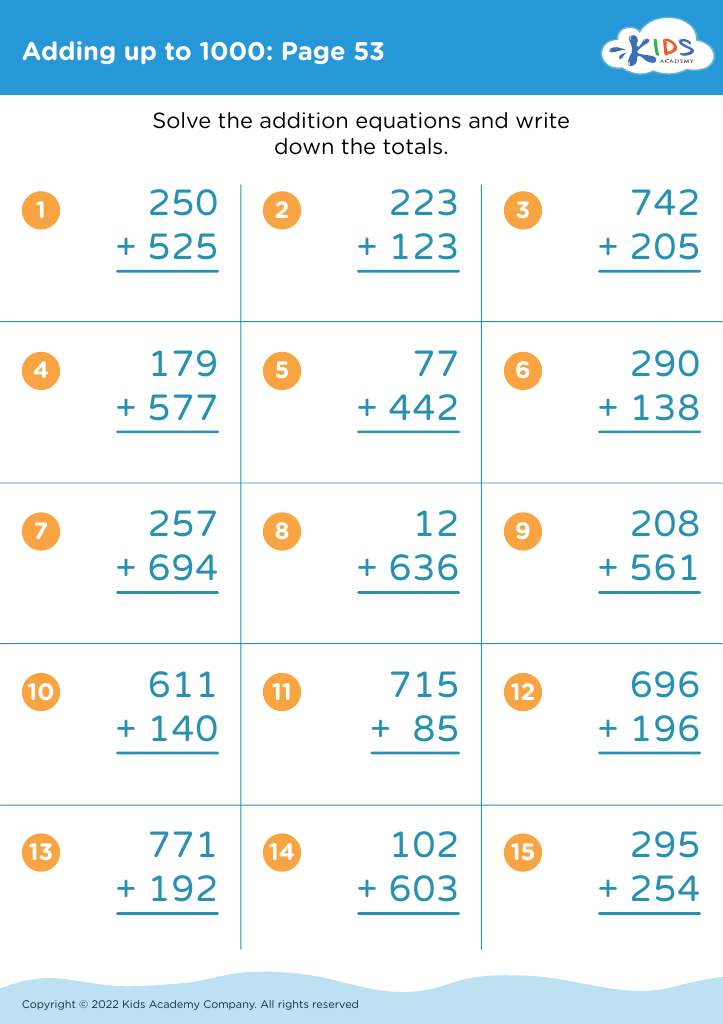
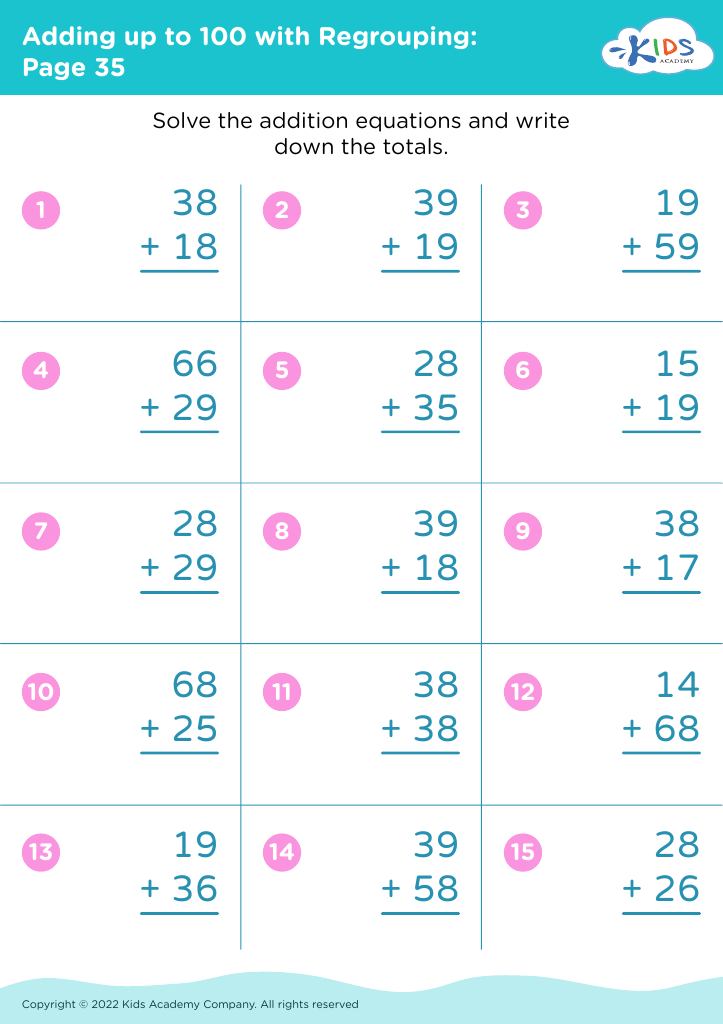
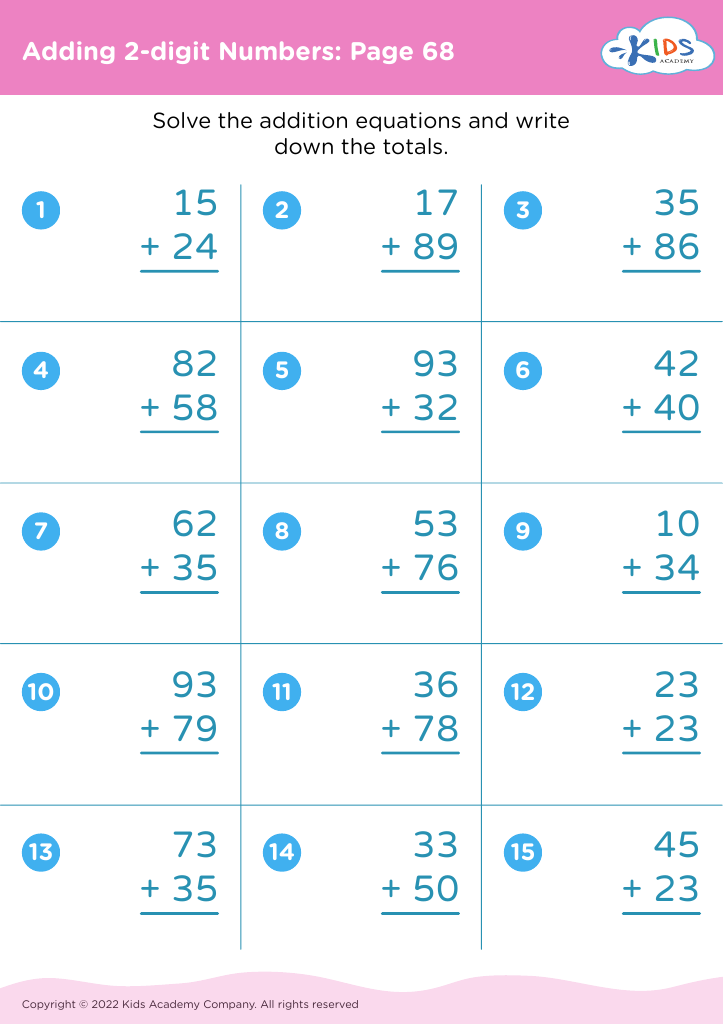
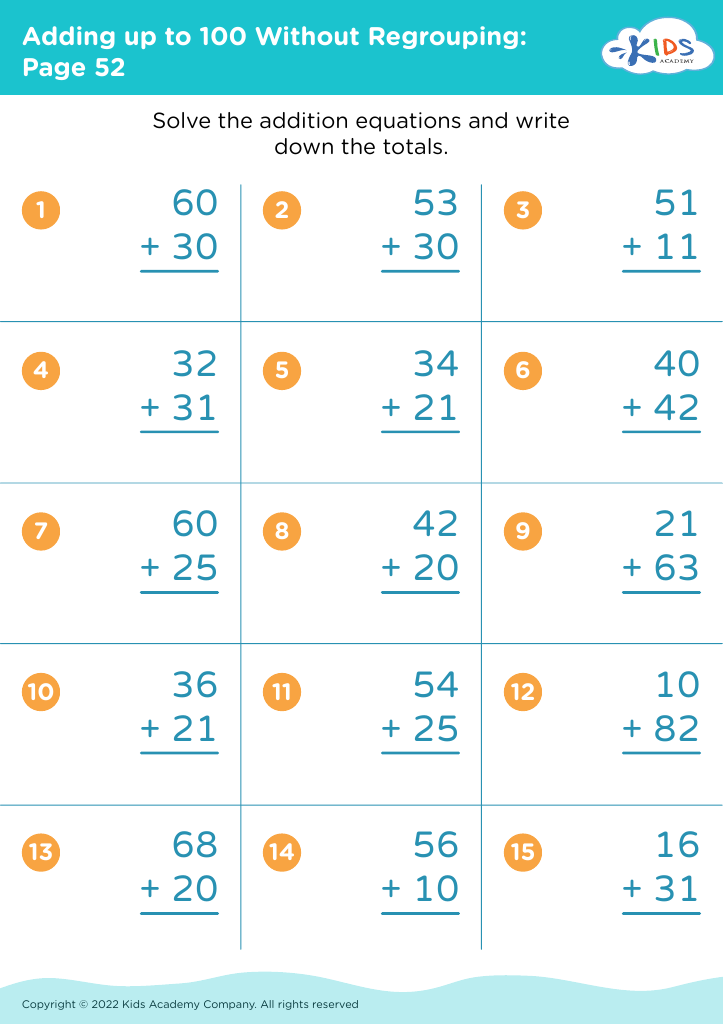








Numeracy skills are crucial for children aged 8-9 because they form the foundation for all future learning and everyday problem-solving. During these formative years, children transition from basic arithmetic to more complex concepts such as multiplication, division, and the introduction of fractions. Strong numeracy skills enhance cognitive development, enabling children to think more logically and develop better problem-solving abilities.
For parents and teachers, nurturing these skills is essential as they directly impact academic achievement. Proficiency in math supports success in other subjects as well, including science and technology, which are increasingly important in our tech-driven society. Moreover, a positive early experience with math fosters a growth mindset, helping children build confidence and resilience when faced with challenges.
Numeracy skills also extend beyond the classroom. They are vital for managing everyday tasks such as handling money, telling time, and measuring ingredients in recipes. Encouraging numeracy at this age ensures that children are prepared for these practical aspects of life, promoting independence and self-sufficiency.
Ultimately, investing time and effort into developing numeracy skills in young learners sets the stage for long-term academic success and equips them with critical life skills, fostering a foundation for a well-rounded, capable individual.








