Vocabulary development Reading Non-Fiction Worksheets for Ages 8-9
3 filtered results
-
From - To
Explore our Vocabulary Development Reading Non-Fiction Worksheets designed specifically for ages 8-9 at Kids Academy. These engaging, educational worksheets are packed with a wide array of non-fiction texts that will help young learners enhance their vocabulary skills. Ideal for building comprehension and ensuring a solid understanding of new words, each worksheet encourages critical thinking and enriches reading skills. Our resources are perfect for both classroom instruction and at-home practice, making learning fun and effective. Equip your child with the tools to master the vocabulary required for academic success in an enjoyable manner. Try them today!
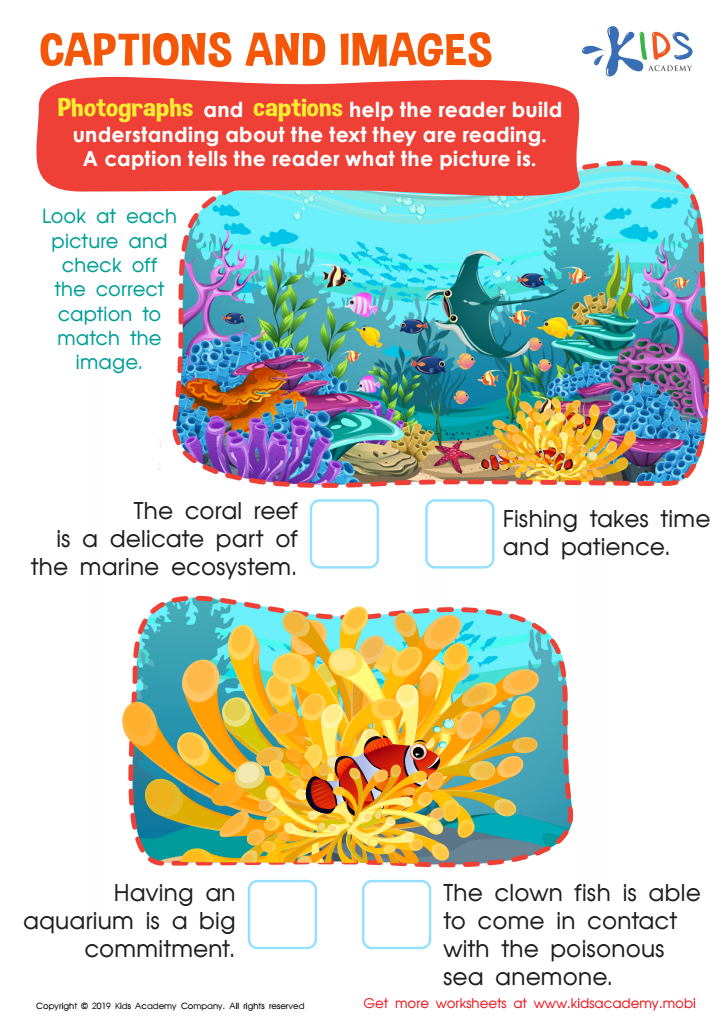
Captions and Images Worksheet
 Assign to My Students
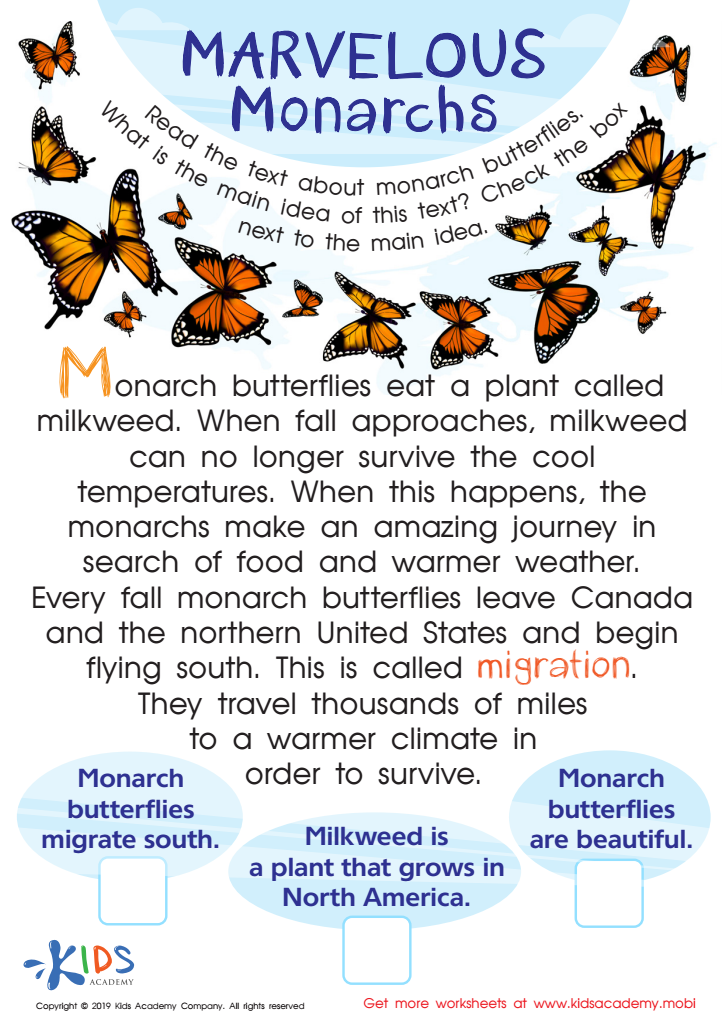
Marvelous Monarchs Worksheet
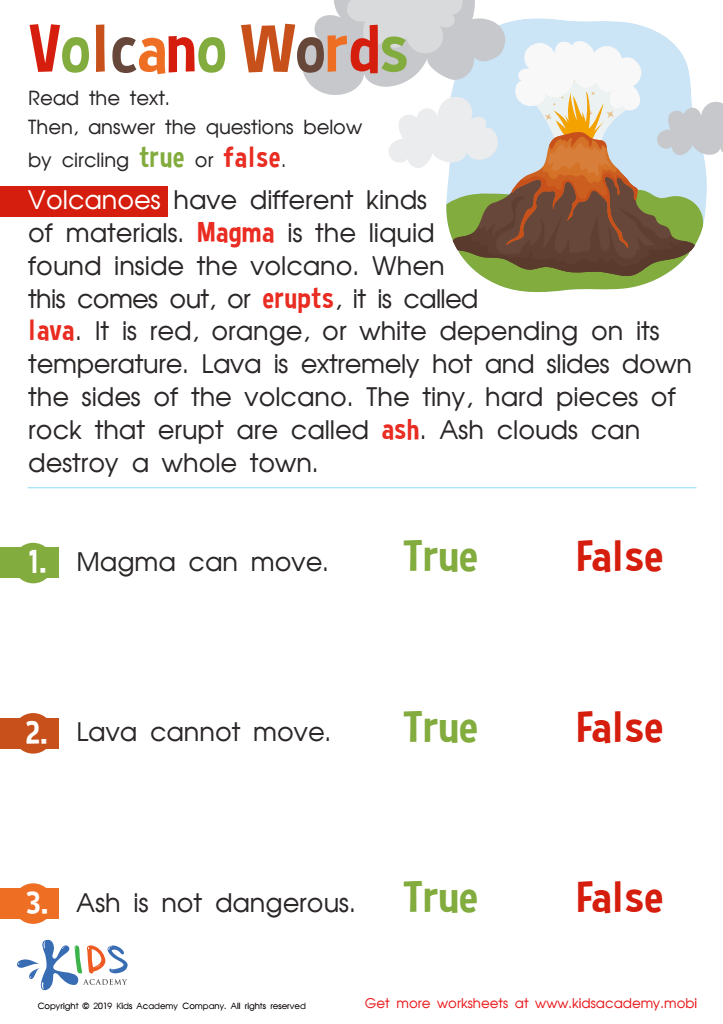
Volcano Words Worksheet








Vocabulary development through reading nonfiction is vital for ages 8-9 for numerous reasons. At this stage, children transition from learning to read to reading to learn. Reading nonfiction texts expands their vocabulary, introducing them to precise, subject-specific terms they might not encounter in everyday conversation or fiction. This richer vocabulary base enhances their ability to understand complex topics and improves their academic performance across subjects such as science and social studies.
Nonfiction reading also builds general knowledge, empowering children to engage more deeply with the world around them. For example, when reading about animals, technology, or historical events, kids gain facts and concepts, fostering curiosity and critical thinking. A well-rounded vocabulary helps them articulate ideas more clearly and build stronger reading comprehension skills, crucial for standardized tests and future academic success.
For teachers, prioritizing vocabulary through nonfiction aligns with curriculum standards and prepares students for the realities of informational content they'll encounter in higher grades. For parents, supporting this aspect of literacy can boost confidence and academic resilience, ensuring their child isn't left behind.
To sum up, focusing on vocabulary development via nonfiction not only fortifies language and thinking skills but also lays a robust foundation for ongoing educational achievement and lifelong learning.








