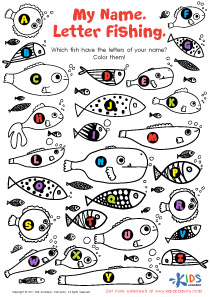
Alphabet understanding ABC Order Worksheets for 9-Year-Olds
3 filtered results
-
From - To
Unlock your child’s full potential with our Alphabet Understanding ABC Order Worksheets for 9-Year-Olds! Designed to make learning enjoyable, these engaging worksheets are perfect for teaching kids the basics of alphabet order. Each activity encourages critical thinking and enhances sequencing skills through fun, interactive tasks. Tailored specifically for 9-year-olds, our printables ensure that children grasp the essentials of alphabetical order in an entertaining and educational way. Ideal for parents and educators alike, our resources pave the way for academic success. Download today and watch your child’s confidence and abilities flourish!
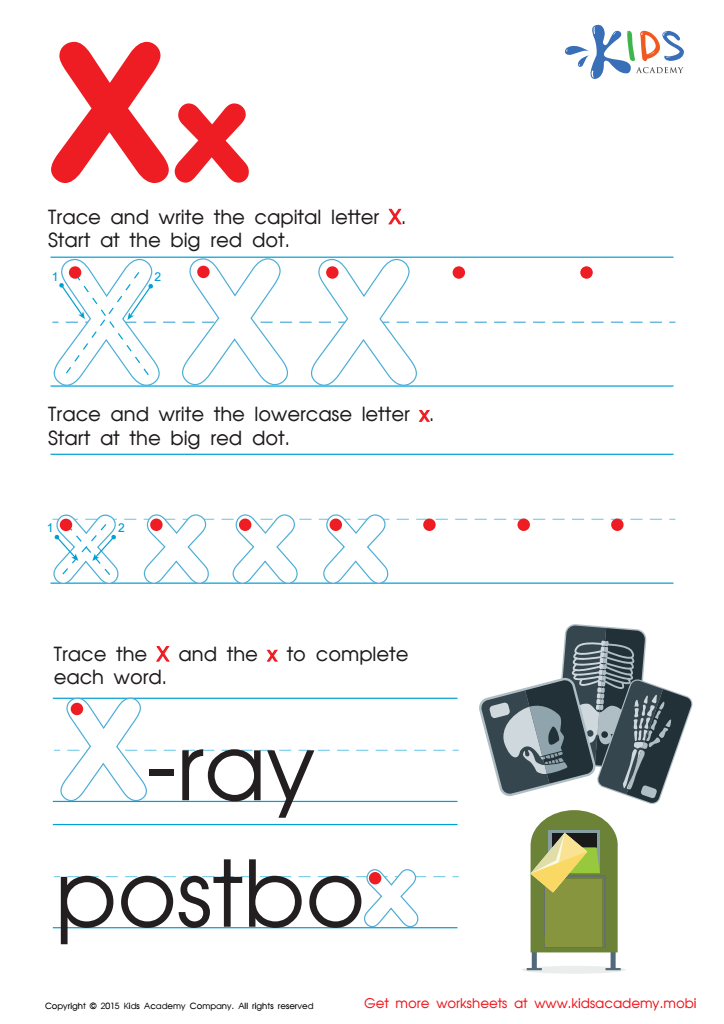
Letter X Tracing Page
 Assign to My Students









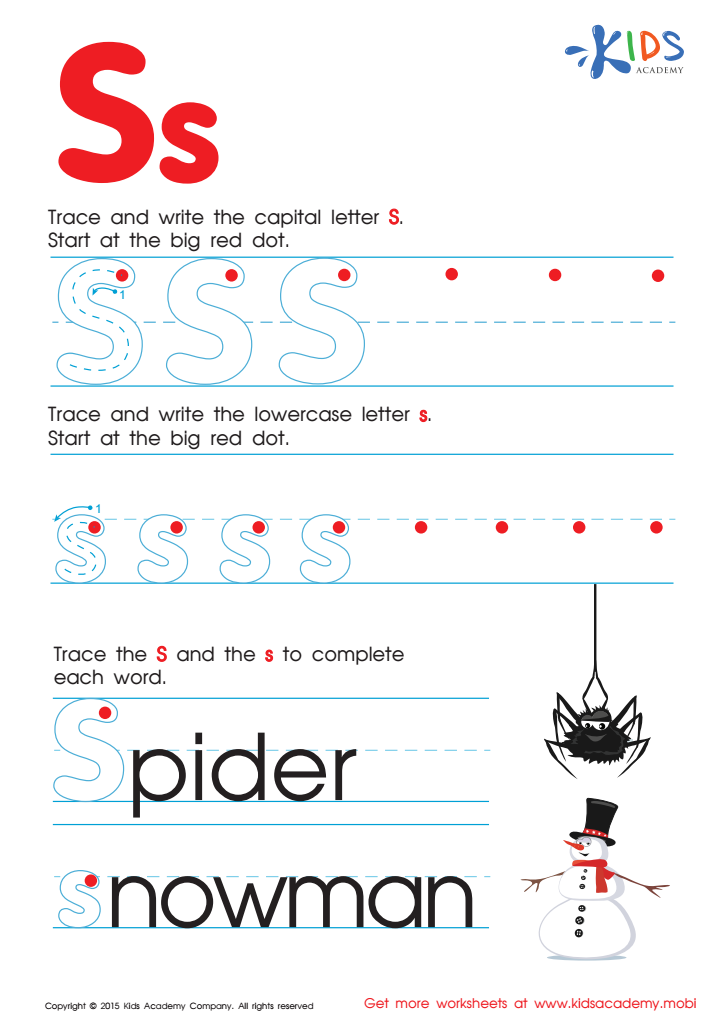
Letter S Tracing Page
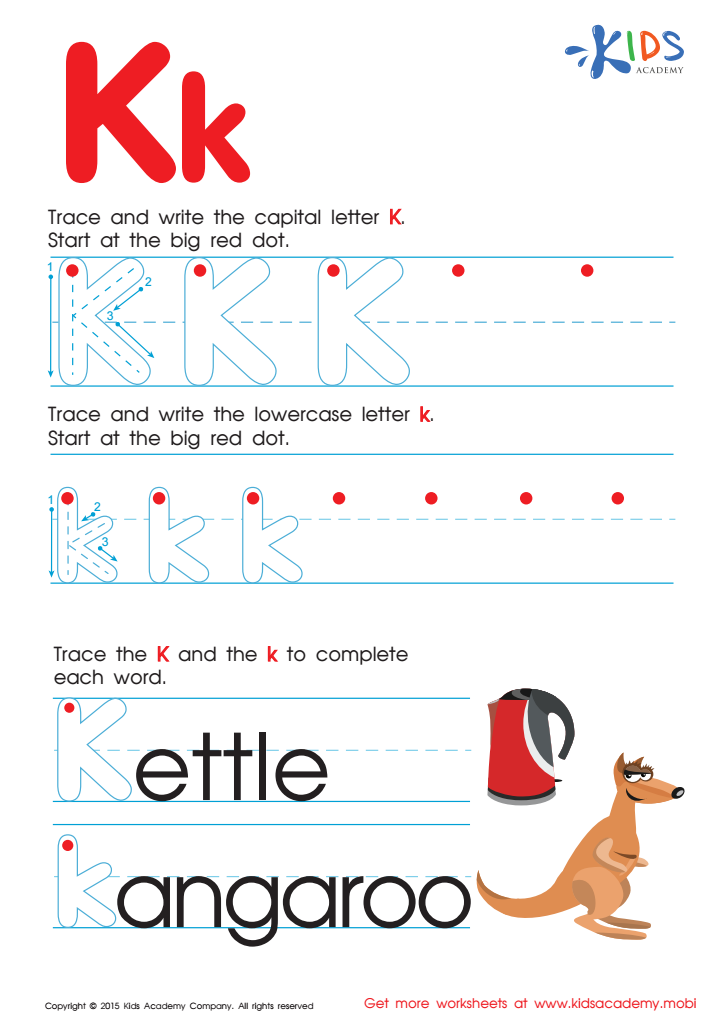
Letter K Tracing Page







Alphabet understanding, particularly knowledge of ABC order, is fundamental for 9-year-olds as it lays the groundwork for numerous essential academic skills. First and foremost, knowing the order of the alphabet enhances literacy development. Literacy is foundational to all subject areas, which means that proficiency or lack thereof impacts overall academic success. When children understand alphabetical order, they are more efficient at using dictionaries, thesauruses, and encyclopedias, which are paramount tools for fostering independent learning and research skills.
Moreover, recognizing and using ABC order aids in development of organizational skills. Children learn to sort, classify, and retrieve information more readily, whether it is books in a library, names in an index, or entries in a computer file. These organizational skills are transferable and vital for academic tasks, like writing essays or completing projects, and in their everyday lives.
In the context of classroom learning and social interactions, understanding the ABC order also ensures smoother, less frustrating experiences. It can prevent the anxiety and confusion that stems from feeling lost or falling behind peers. Thus, parents and teachers who emphasize the importance of alphabet mastery set the stage for enhanced cognitive skills, increased academic engagement and scholastic achievement, and greater confidence in children.