Alphabet Recognition ABC Letters Worksheets for 9-Year-Olds - Page 2
27 filtered results
-
From - To
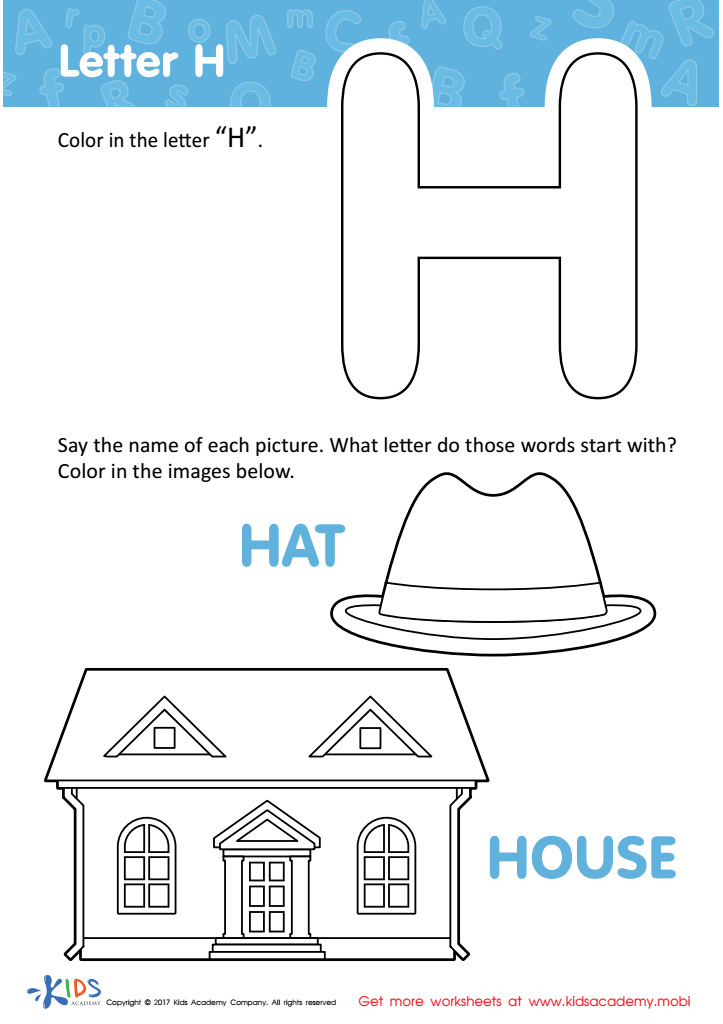
Letter H Coloring Sheet
 Assign to My Students





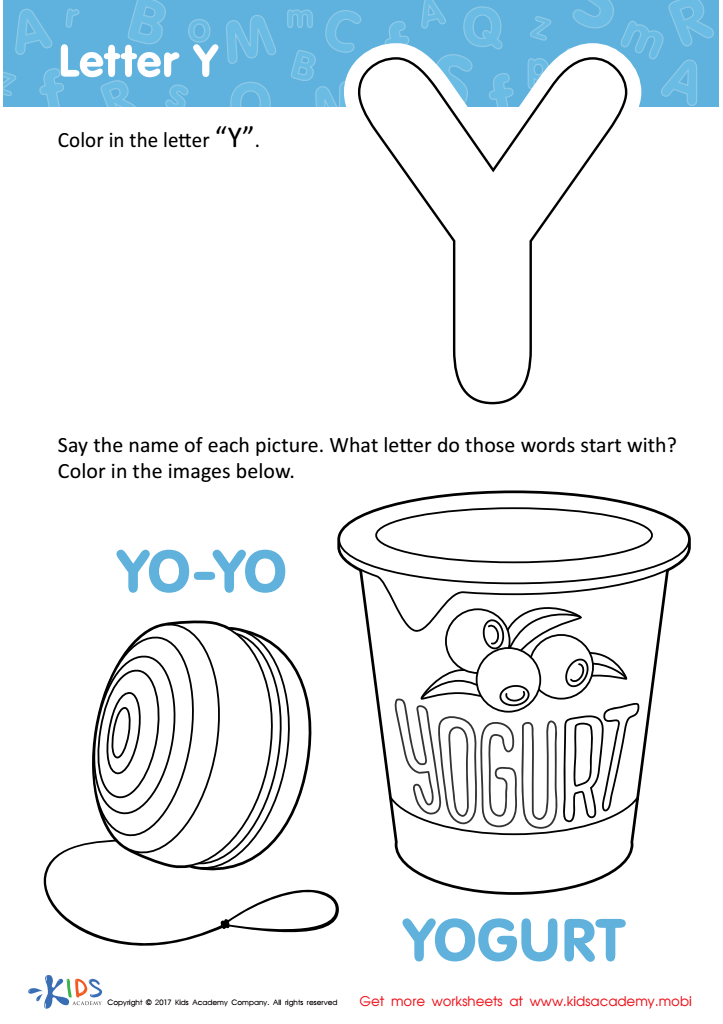
Letter Y Coloring Sheet
Assign to My Students
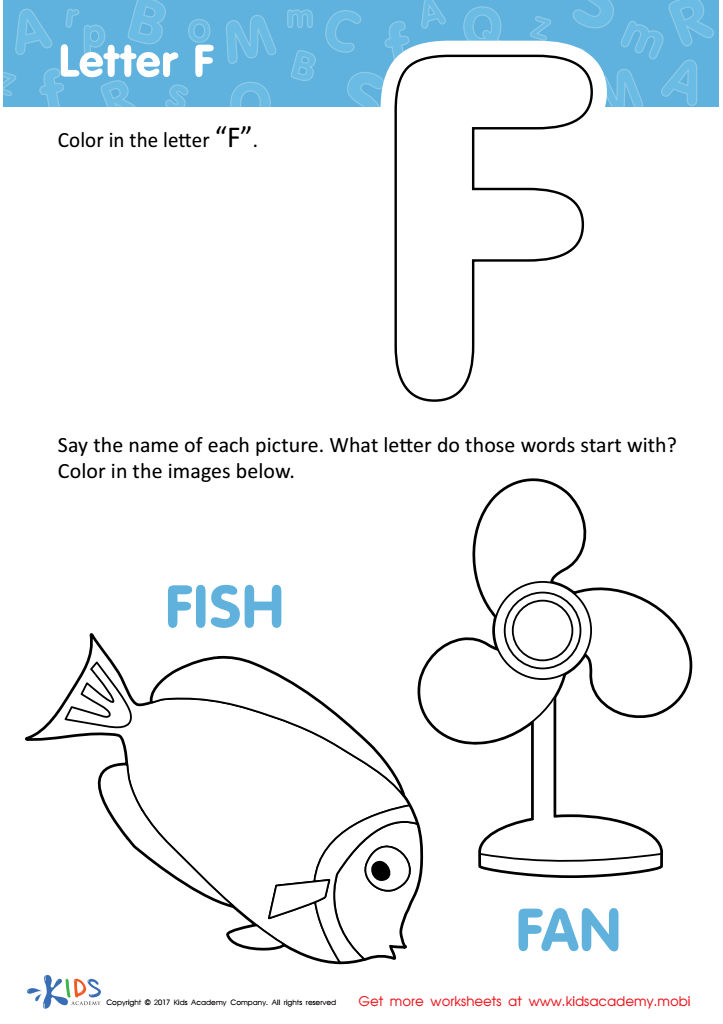
Letter F Coloring Sheet
Assign to My Students








Alphabet recognition is a fundamental skill for 9-year-olds, laying the groundwork for literacy and overall academic success. By this age, children should have a solid grasp of the alphabet to support their reading and writing abilities. Understanding letters aids in decoding words, which is crucial when they encounter new texts. When children recognize letters effortlessly, they can focus on comprehension rather than sounding out each letter individually.
Moreover, strong alphabet recognition at this age fosters confidence in their reading abilities. Children with proficiency in letter recognition often develop a love for reading and written expression, which fuels their desire to explore more complex literature and subjects. It also enhances their ability to engage in classroom discussions and contribute to group activities.
From a parental and educational perspective, monitoring a child's alphabet recognition skills can identify potential learning challenges early. If a child struggles at this stage, targeted interventions can be implemented to support their development. Involvement from parents and teachers can create a learning environment that promotes literacy through engaging activities, making the process enjoyable and effective. Ultimately, fostering strong alphabet recognition helps children thrive academically and socially, paving the way for lifelong learning.







