Letter recognition ABC Letters Worksheets for 9-Year-Olds - Page 2
26 filtered results
-
From - To

Letter D Tracing Page









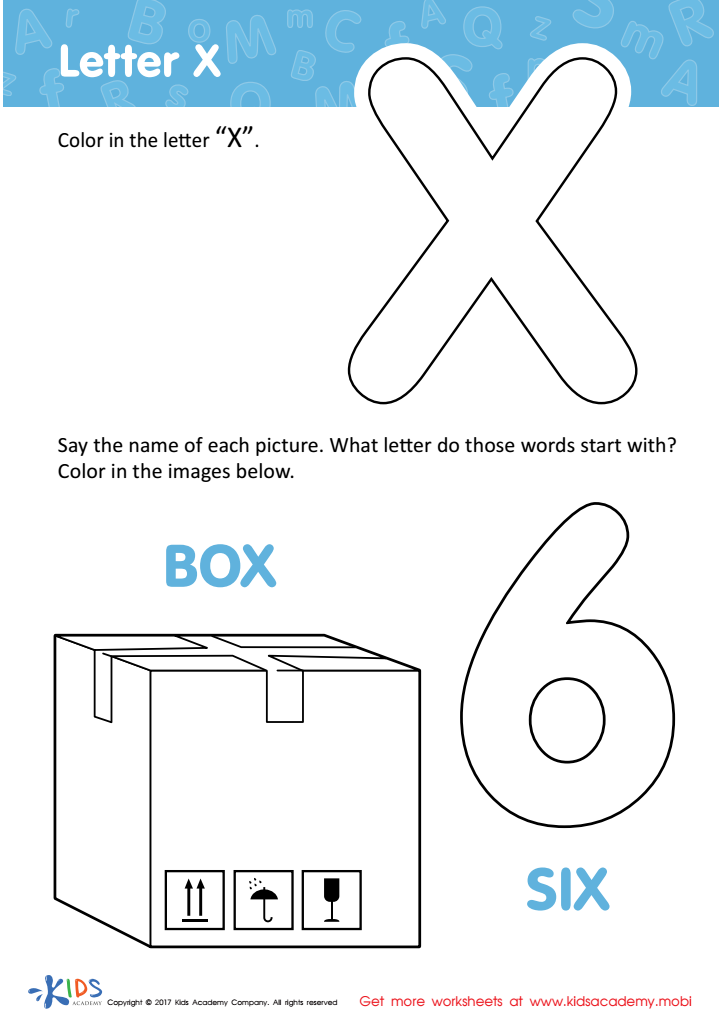
Letter X Coloring Sheet
 Assign to My Students







Letter recognition, even for 9-year-olds, remains crucial for various reasons. Firstly, mastering letter recognition forms the foundation for reading and writing. At this age, children transition from reading simple texts to more complex ones, and recognizing letters assists in decoding and comprehending words. If children can easily identify letters, they are more likely to develop fluency and confidence in their reading skills.
Secondly, letter familiarity enhances spelling abilities. Spelling is a vital skill that affects academic performance across all subjects. Parents and teachers can engage students in fun activities that reinforce letter knowledge, ensuring they can accurately spell words and express their ideas clearly.
Additionally, letter recognition plays a pivotal role in cognitive development. It helps children associate sounds with corresponding letters, contributing to phonemic awareness, which is fundamental in learning various languages.
Lastly, early letter recognition fosters a love for reading and encourages lifelong learning. When children feel confident in their literacy skills, they are more likely to explore books and engage with the written word. Thus, investing time in letter recognition activities supports not only academic success but also a lasting appreciation for literature.







